

Discover how mindfulness for couples can improve communication, reduce conflict, and deepen emotional intimacy with practical habits you can start today.
When a relationship starts to feel distant, most couples assume the problem is time, stress, or poor communication.
Sometimes that is true. But often, the deeper issue is simpler and harder to notice: you are physically together, yet mentally somewhere else.
Mindfulness for Couples: How to Strengthen Your Relationship
You may still love and care for each other and want the relationship to work. But daily pressure, phones, unfinished tasks, and emotional fatigue can quietly weaken emotional intimacy.
Conversations become functional. Affection becomes automatic. The connection starts to feel thinner than it used to.
That is where mindfulness can help. In a relationship, mindfulness is not about being perfect, overly calm, or overly spiritual.

It is about conscious loving. It is the choice to slow down, be present, and truly notice the person in front of you.
That kind of presence can increase relationship satisfaction, rebuild warmth, and make both partners feel seen again.
Estimated read time: 10–12 minutes
Quick summary box
Mindfulness for couples means bringing attention, care, and intentionality into your everyday relationship. It helps partners listen better, respond with more calm, reduce avoidable conflict, and strengthen closeness over time.
Small habits such as daily check-ins, tech-free moments, mindful pauses, and gratitude can make a real difference.
The goal is not perfection. The goal is being present often enough that your relationship feels safer, deeper, and more connected.
What Is Mindfulness in a Relationship?
Mindfulness in a relationship means paying attention to your partner and your shared experience with openness, awareness, and intention.
It is the practice of noticing what is happening between you in real time, rather than running the relationship on autopilot.
This includes noticing your tone, body language, reactions, assumptions, and your partner’s emotional state.
It also means staying with a moment long enough to understand it before judging it or trying to control it.
Quick Definition:
Relational mindfulness is the habit of being fully present with your partner, aware of yourself and them, so you can respond with care rather than react out of habit.
This matters because many relationship problems are not caused by a lack of love. They are caused by disconnection, distraction, and unexamined patterns.
From Co-existing to Mindful Presence
Many couples live side by side without truly meeting. They share a home, tasks, routines, and responsibilities, yet miss the emotional moments that create closeness.
Coexisting looks like this: quick updates, distracted replies, shallow check-ins, and tired evenings spent near each other but not together. Mindful presence changes that.
It brings shared awareness into ordinary moments. A two-minute conversation becomes warmer. A stressful evening becomes a chance to support each other rather than withdraw.
Mindful presence does not require a retreat, a perfect mood, or hours of free time. It starts when both people begin noticing each other intentionally again.
Why Presence Matters More Than Proximity
Being near your partner is not the same as being emotionally available. Two people can sit on the same couch and still feel alone.
Presence matters more than proximity because relationships grow through attention.
When your partner feels heard, noticed, and emotionally received, they are more likely to trust you, open up, and stay engaged.
When attention is scattered, even loving relationships can start to feel emotionally dry.
Mindfulness helps couples step out of autopilot. It replaces passive closeness with active connection. That shift is often where healing begins.
Benefits of Mindfulness for Couples
Mindfulness supports both the emotional and practical sides of a relationship. It changes how couples speak, listen, repair, and bond.
Better Communication and Listening
Mindful couples listen with the goal of understanding, not winning. That changes the tone of almost every conversation.
Instead of interrupting, defending, or planning a response too early, mindfulness encourages active listening.
You hear the words, but you also notice the feeling underneath them. This reduces misunderstanding and helps both partners feel respected.
Over time, mindful communication creates stronger empathy. You become less focused on proving your point and more focused on understanding what your partner is actually experiencing.
Emotional Regulation and Reduced Conflict
Many arguments escalate because one or both partners react before they reflect. A sharp tone, a careless comment, or an old trigger can quickly take over.
Mindfulness improves emotional regulation. It helps you notice rising frustration before it becomes harmful behavior. That brief moment of awareness can prevent blame, sarcasm, or shutdown.
This does not mean conflict disappears. It means conflict becomes easier to handle. With practice, couples can disagree with greater steadiness, repair more quickly, and build real relationship resilience.
Deepening Your Sense of Connection
Mindfulness strengthens connection by helping partners feel emotionally met. When someone senses your attention, patience, and care, mutual trust grows.
This kind of bonding is not only about romance. It also supports friendship, safety, tenderness, and everyday joy.
Couples often notice that when they become more present, small moments feel meaningful again.
A calm discussion, a simple stroll, or a shared lunch can begin to feel more like a relationship than a routine. That change is significant.
How to Practice Mindful Communication
Mindful communication is one of the most useful ways to bring mindfulness into a relationship. It is practical, teachable, and effective in daily life.
Listen to Understand, Not to Reply
Most people listen while preparing their next sentence. That habit weakens the connection because it keeps the attention on the self rather than on the speaker.
Try listening with one purpose: to understand what your partner means and feels. Notice their words, tone, pace, and emotional cues.
Then reflect back on what you heard before adding your own view.
A simple example:
“I hear that you felt dismissed when I looked at my phone while you were talking.”
This type of response creates a sense of validation and emotional safety. It tells your partner that their inner world matters.
The Power of the “Mindful Pause”
A mindful pause is a small gap between feeling and reacting. It may last only a few seconds, but it can change the outcome of a conversation.
When you feel defensive, angry, or overwhelmed, pause. Take one slow breath. Relax your shoulders.
Ask yourself what is really happening inside you. Then choose a response that fits the moment, not the trigger.
This pause supports nonviolent communication by reducing impulsive reactions. It gives space for honesty, calm, and vulnerability.
Practicing Non-Judgmental Awareness
Non-judgmental awareness means noticing what is happening without rushing to label it as bad, dramatic, selfish, or wrong.
For example, instead of thinking, “My partner is overreacting,” try, “My partner seems hurt and needs to feel understood.”
That shift does not erase your own needs. It simply creates room for a more respectful response.
This approach helps couples handle sensitive conversations with less shame and blame. It creates a healthier emotional climate where both people can speak openly.
Practical Mindfulness Exercises for Couples
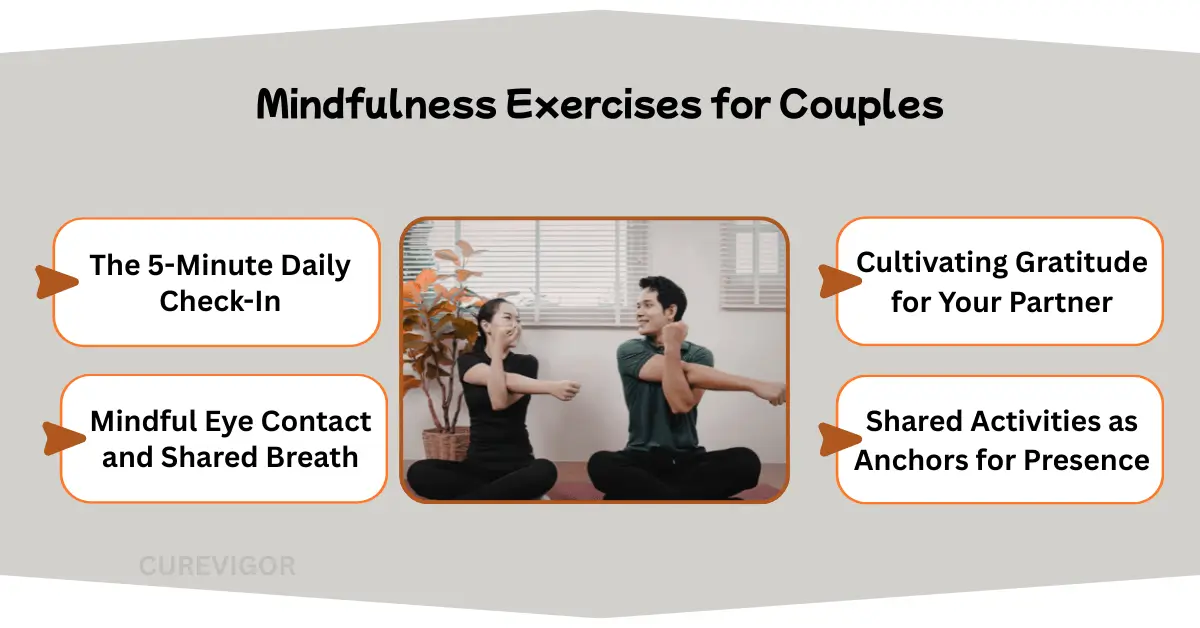
Mindfulness becomes real when it turns into practice. These exercises are simple, flexible, and useful for everyday life.
The 5-Minute Daily Check-In
Set aside five uninterrupted minutes each day. No phones. No multitasking. No problem-solving unless needed.
Each partner answers a few simple questions:
- How are you feeling today?
- What is something that felt heavy or stressful?
- What is something that felt good?
- What do you need from me tonight?
This small ritual builds connection rituals into your routine. It helps couples stay emotionally updated instead of waiting for stress to explode.
Mindful Eye Contact and Shared Breath
Sit facing each other for one or two minutes. Make gentle eye contact. Breathe slowly and naturally.
At first, this may feel awkward. That is normal. Stay with it. The goal is not performance.
The goal is groundedness and presence. Shared breath can calm the nervous system and bring attention back to the relationship.
This exercise is especially useful after a tense day or before an important conversation.
Cultivating Gratitude for Your Partner
Mindfulness is not only about handling stress. It is also about noticing what is good.
Each day, speak one specific thing you appreciate about your partner. Keep it concrete. For example:
- “Thank you for making tea when you saw I was tired.”
- “I noticed how patient you were with me this morning.”
- “I appreciate how hard you work for our family.”
Appreciation deepens connection by training the mind to notice care rather than take it for granted. Over time, gratitude supports warmth, trust, and emotional balance.
Shared Activities as Anchors for Presence
Couples do not always need deep talks to feel close. Shared activities can also become anchors for presence.
Cooking dinner together, walking after sunset, watering plants, making tea, or cleaning one room together can all become mindful practices.
The key is sensory awareness and shared attention. Notice what you are doing. Notice each other. Stay engaged.
These moments strengthen shared values and give the relationship a calm rhythm.
Benefits You May Notice First
Some benefits of mindfulness show up quickly, even before major relationship problems are resolved.
- Fewer reactive arguments
- More respectful conversations
- Greater patience during stressful days
- A stronger sense of being on the same team
- Better awareness of each other’s emotional needs
- More warmth in ordinary moments
These early changes matter because they build momentum. Couples often stay committed to the practice when they begin to feel these small but meaningful shifts.
Common Challenges and Mistakes
Mindfulness sounds simple, but couples often apply it in unhelpful ways. Knowing the common mistakes can save frustration.
Expecting Instant Transformation
Mindfulness is a practice, not a quick fix. Some couples try a few exercises, still have a tense conversation, and decide it is not working.
Real change comes through repetition. Progress often looks like shorter arguments, faster repair, and better awareness, not immediate perfection.
Using Mindfulness to Avoid Hard Conversations
Mindfulness is not emotional suppression. It should not be used to stay quiet, act endlessly calm, or avoid naming real issues.
A mindful relationship still includes honesty, boundaries, and difficult conversations. The difference is that those conversations are handled with more care and awareness.
Treating One Partner as the “Problem”
Sometimes one partner becomes interested in growth and starts using mindfulness language while judging the other person.
That approach usually backfires. Mindfulness should increase humility, not superiority. The healthier stance is, “How can I show up better?” rather than, “How can I fix you?”
How to Overcome Common Relationship Obstacles
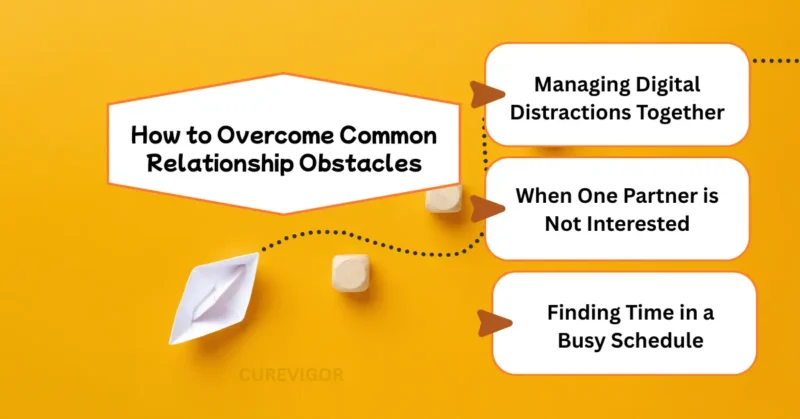
Every day life can block connection, even in loving relationships. These obstacles are common, but they can be managed with practical awareness.
Managing Digital Distractions Together
Phones are one of the biggest barriers to mindful connection. Phubbing, or phone snubbing, happens when one partner gives more attention to a device than to the person beside them.
This may seem small, but it often creates feelings of rejection, irritation, and invisibility. The fix is not extreme. It is intentional.
Set basic agreements together. For example, no phones during dinner, during the daily check-in, or for the first 20 minutes after coming home.
These limits protect quality time without turning technology into the enemy.
When One Partner is Not Interested
This is a very common challenge. One partner may feel curious about mindfulness while the other sees it as unnecessary, awkward, or too abstract.
Start small and practical. Avoid preaching. Instead of asking your partner to “be more mindful,” invite them into something simple like a five-minute check-in or a tech-free tea break.
People often resist labels more than experiences. Let the benefits speak before the language does.
Finding Time in a Busy Schedule
Many couples assume mindful connection requires long conversations or perfectly planned routines. It does not.
What matters most is consistency. Two present minutes are better than twenty distracted ones. Short habits done often build stronger relationship habits than big efforts done rarely.
Think in small units. A morning hug without phones. A mindful goodbye before work. A slow conversation before sleep. Habit formation works best when it fits real life.
Practical Tips to Make Mindfulness Stick
Mindfulness becomes sustainable when it is easy to repeat.
- Tie one mindful habit to something you already do every day.
- Keep rituals short enough that they feel realistic.
- Focus on consistency before intensity.
- Name what is working so the habit feels rewarding.
- Repair gently when you forget instead of criticizing each other.
- Revisit your shared goals once a week.
Lifestyle balance matters here. Couples do better when they build mindfulness into their actual routine rather than chasing an ideal routine they cannot maintain.
How to Create a Mindful Home Environment
Your physical environment affects your emotional environment more than many couples realize. A chaotic space can add mental pressure. A calmer space can support presence.
Reducing Mental Clutter in Shared Spaces
Shared spaces influence mood, focus, and patience. When a home feels noisy, cluttered, or overloaded, it becomes harder to settle into connection.
This does not mean your home must look perfect or minimalist. It means creating enough order that the space feels supportive rather than draining. Start with one room or one corner.
Clear visible clutter. Reduce unnecessary noise. Add something calming, such as warm lighting, fresh air, or a clean table where you can sit together.
A peaceful home supports intentional living by reducing background stress.
Establishing Tech-Free Zones for Connection
A mindful home needs at least one space that protects presence. This could be the dining table, bedroom, balcony, prayer corner, or evening sitting area.
Tech-free zones create a small sanctuary inside daily life. They signal that some spaces are for eye contact, conversation, rest, and togetherness.
Over time, these spaces become emotionally meaningful.
The goal is not strict control. The goal is to make connections easier.
Relationship Mindfulness Checklist
Use this simple checklist to see whether mindful habits are becoming part of your relationship.
- We give each other full attention at least once a day.
- We pause before reacting in tense moments.
- We listen without interrupting too quickly.
- We express appreciation regularly.
- We protect some phone-free time together.
- We notice stress before it turns into conflict.
- We speak with respect even during disagreement.
- We make time for short rituals of connection.
- We talk about needs clearly, rather than expecting mind-reading.
- We repair after conflict instead of pretending nothing happened.
You do not need every box checked. Even a few steady habits can improve the relationship.
Myths and Misunderstandings About Mindfulness for Couples
Many people reject mindfulness because they misunderstand what it actually is.
Myth: Mindfulness Means Never Getting Angry
Mindfulness does not remove human emotion. You can still feel angry, disappointed, jealous, or tired.
Mindfulness changes your relationship to those emotions. It helps you notice them earlier, express them more clearly, and act with more care.
Myth: It Is Only for Spiritual or Highly Calm People
Mindfulness is not limited to a specific personality type. Busy, practical, skeptical, and emotionally intense people can all benefit from it.
At its core, mindfulness is simply trained attention. In relationships, that means showing up with more awareness and less autopilot.
Myth: Mindfulness Solves Everything on Its Own
Mindfulness is powerful, but it is not a complete replacement for communication skills, boundaries, accountability, or healing deeper wounds.
It works best as a foundation that strengthens other healthy relationship practices.
When to Get Expert Help or Professional Support
Mindfulness is helpful, but some relationship issues need more than self-guided habits.
Consider professional support when:
- Arguments become cruel, explosive, or emotionally unsafe.
- Trust has been seriously damaged.
- One or both partners shut down completely during conflict.
- The same painful pattern repeats without change.
- Stress, trauma, anxiety, or depression is affecting the relationship deeply.
- One partner feels chronically unseen, dismissed, or afraid.
A qualified couples therapist can help partners build emotional safety, improve communication, and understand deeper patterns. Mindfulness can support this work, but it should not replace expert care when the relationship is under serious strain.
Final Thoughts: Making Presence a Habit
Long-term relationship growth rarely comes from one dramatic moment. It usually comes from repeated small choices.
Mindfulness for couples works the same way. You choose to look up. You choose to listen. You choose to pause. You choose to notice the person you love rather than move past them in the rush of daily life.
These are small acts, but they are not minor. Over time, they shape the emotional culture of the relationship.
They create sustainable habits of care, respect, and unconditional love. Presence becomes less of an effort and more of a way of being together.
That is what makes mindful connection so valuable. It is simple enough for daily practice and strong enough to support lasting change.
FAQs
Q. What are mindfulness activities to do to strengthen a relationship?
Mindfulness activities for couples are simple practices that help both partners slow down and be more present with each other.
Helpful examples include a 5-minute daily check-in, mindful listening without interruption, shared breathing and eye contact, gratitude sharing, and tech-free meals or walks together.
These habits support emotional closeness, better communication, and a stronger sense of connection over time.
Q. What is the 7 7 7 rule for married couples?
The 7-7-7 rule usually means going on a date every 7 days, taking a getaway every 7 weeks, and planning a longer trip every 7 months.
It is a popular relationship routine meant to help couples protect quality time and avoid slipping into a purely routine relationship.
It is more of a practical relationship habit than a clinical therapy model.
Q. What is the 3-3-3 rule in relationships?
The 3-3-3 rule does not have one universal meaning in relationships. In dating advice, it is often used as a pacing method: reflect after 3 dates, 3 weeks, and 3 months to better gauge compatibility.
Because the term varies from source to source, it is best to explain which version you mean if you use it in an article.
Q. How can a couple strengthen their relationship?
A couple can strengthen their relationship by giving each other consistent attention, communicating honestly, listening with empathy, and making time for regular togetherness.
Small habits matter a lot: daily check-ins, appreciation, calm conflict repair, and shared rituals often build more trust than occasional grand gestures.
Strong relationships usually grow through steady presence, not perfection.
Q. What are the 7 C’s of mindfulness?
There is no single universally accepted set of “7 C’s of mindfulness,” and different sources list different versions.
One common version includes curiosity, compassion, clarity, calmness, concentration, courage, and commitment.
In formal mindfulness teaching, the more standard framework is usually Jon Kabat-Zinn’s 7 attitudes of mindfulness, such as non-judging, patience, beginner’s mind, trust, non-striving, acceptance, and letting go.
Q. What is the 5-5-5 rule in couples therapy?
The 5-5-5 rule also has multiple meanings in relationship advice. A common format is a 15-minute structured talk: one partner speaks for 5 minutes, the other for 5, then both discuss it for 5 minutes.
Another version uses perspective during conflict by asking whether the issue will matter in 5 minutes, 5 days, or 5 years.
Q. What are the 5 C’s of mindfulness?
Like the 7 C’s, the 5 C’s of mindfulness are not one standard clinical model. One commonly cited version is consciousness, compassion, confidence, courage, and community.
That can work well in a general self-growth or educational context, but if you want a more established mindfulness framework, Kabat-Zinn’s attitudes are better known.
Q. What is the 50-30-20 rule for couples?
Couples can handle their finances together by using the 50/30/20 rule. It recommends allocating roughly 50% of income to necessities, 30% to wants, and 20% to debt reduction or savings.
It is more effective for couples as a flexible beginning point for shared financial planning than as a strict guideline that must be followed by every household.
Quick Recap
Mindfulness for couples is the practice of being present, aware, and intentional with each other. It improves communication, supports emotional regulation, deepens connection, and helps relationships move out of autopilot.
Simple habits such as daily check-ins, mindful pauses, gratitude, and tech-free time can create real change. The goal is not perfection. The goal is a relationship where both people feel more seen, safe, and connected.
A strong relationship is not built only through love. It is built through attention. When you practice mindfulness together, you give your relationship one of the things it needs most: your real presence.
Start small. Stay consistent. Notice what changes. Then keep going.
Have you tried any mindful habits in your relationship, or is there one you want to start this week? Share your thoughts or experience in the comments.