
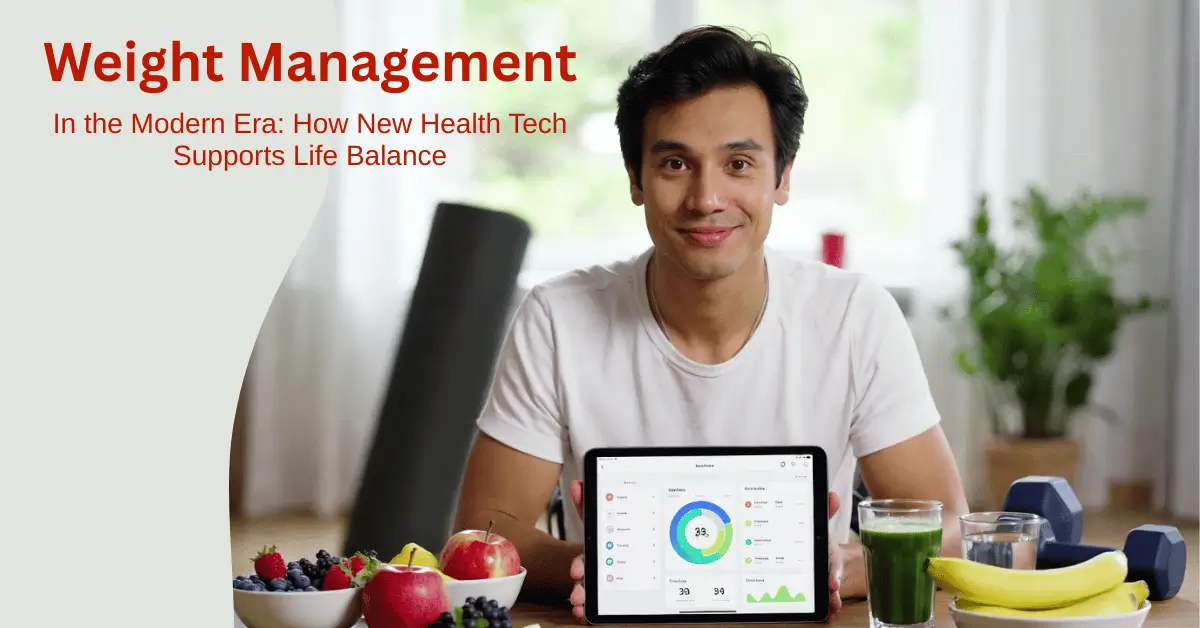
Learn how modern health technology, like wearable devices and AI tools, is transforming weight management by offering motivation and tailored solutions.
Weight management is a common challenge, with countless diets and fitness trends offering mixed results.
Now, technology is revolutionizing the process through personalized, adaptive tools that blend seamlessly into daily life.
Imagine having a personalized coach in your pocket. Today’s AI-driven apps and wearables not only track your progress but also guide you toward success.
Challenges of Weight Management
Achieving a healthy weight has never been more complicated. With our fast-paced lifestyles, mounting stress, and a constant stream of conflicting information, it’s easy to feel overwhelmed by the process.
Despite these challenges, the stakes have never been higher, making effective solutions more important than ever.
Overcoming Behavioral Barriers
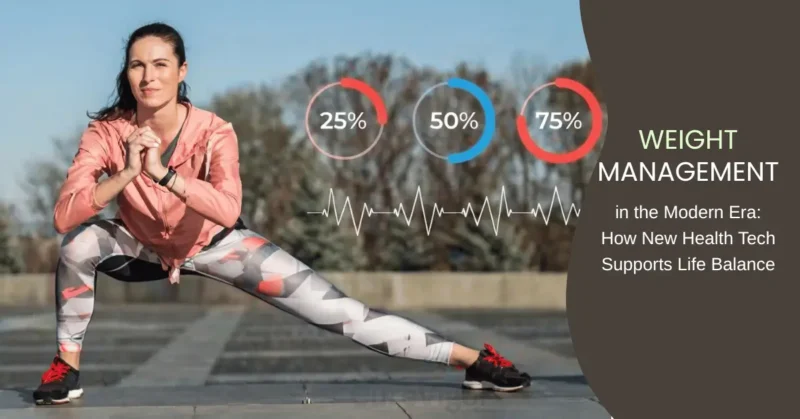
The biggest obstacle to weight management is often psychological. Emotional eating, lack of motivation, and the tendency to fall back into old habits can derail even the most committed individuals.
These behavioral barriers are especially hard to overcome when our surroundings encourage unhealthy choices. Previously, weight loss depended largely on willpower.
Now, with advanced tech tools, meaningful behavioral changes can be supported in real time.
Apps that offer personalized coaching, motivational messages, and reminders to stay on track are becoming increasingly effective.
These tools leverage AI to predict when a user might be tempted to skip a workout or indulge, and to offer gentle nudges to help them stay on course.
Managing Time and Resources
Time is another significant barrier in the modern world. Between work, family, and personal commitments, finding time for exercise and meal planning can seem impossible.
Traditionally, many people felt weight management was a luxury for those with extra time. Today, health tech is changing this narrative.
With smart meal planners and fitness trackers, you can streamline your health routine, saving time without compromising your goals.
For example, apps can create weekly meal plans based on your preferences, while wearable tech can guide you through efficient workouts, helping you get the most out of limited time.
Innovations in Weight Management
Technology is central to today’s weight management. Explore how these innovations make it easier and more accessible to achieve a healthier weight.
Wearable Tech for Weight Management
These days, wearables like smartwatches and fitness trackers are essential for monitoring and controlling weight. These devices count steps, monitor heart rate, track sleep patterns and calorie burn, and even provide real-time health data.
By delivering daily insights, these gadgets help you make informed decisions for managing your weight.
For example, devices like the Fitbit Charge or Apple Watch can provide a comprehensive picture of your physical activity throughout the day while also tracking food intake and suggesting healthier choices.
This type of ongoing feedback is essential for staying on track with your goals.
AI-Powered Tools for Weight Management
Weight management is changing due to artificial intelligence (AI). Innovations in AI-powered tools and applications leverage data from food logs, wearables, and individual routines to provide personalized guidance.
By tracking everything from daily calorie intake to stress levels and sleep quality, AI can provide recommendations that are far more personalized than generic fitness plans.
Apps like Noom, for instance, go beyond simple calorie counting. They use AI to assess your behavioral patterns, helping to address emotional eating and negative thought patterns and providing support for long-term success.
Benefits of Tech-Driven Weight Management
The marriage of technology and weight management is producing tangible benefits. Embracing these advancements enables individuals to achieve a healthier weight with greater consistency and less frustration, ushering in a new era of effective self-care.
Personalized Plans for Weight Management
One of the key advantages of technology is the ability to create personalized weight management strategies.
Unlike generic diets that don’t account for individual variations, technology enables the creation of unique, adaptive plans tailored to a person’s needs, preferences, and goals.
Whether you need a plan for fat loss, muscle gain, or improved endurance, tech tools can create a roadmap that evolves as your needs change.
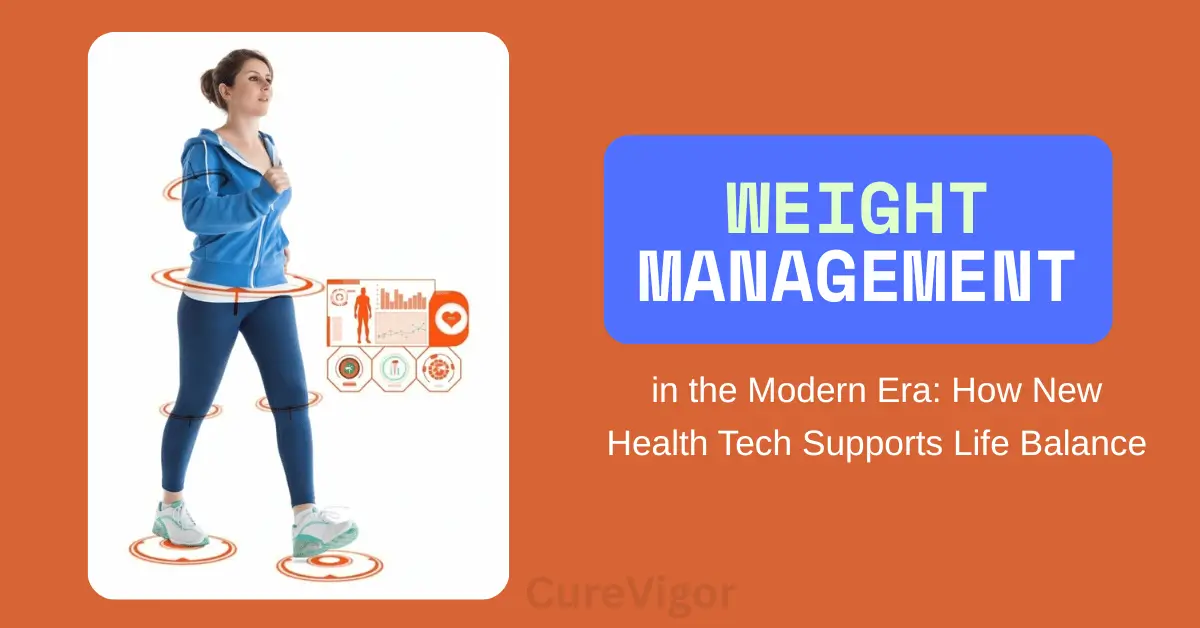
By analyzing your health data, technology can suggest personalized workouts, meals, and even mental health exercises. These insights ensure you stay on track with your weight management goals and help bridge the gap between intention and action.
Stay Motivated with Weight Management Tech
Staying motivated is one of the most difficult parts of any weight management journey. With the help of tech, however, motivation becomes an integral part of the process.
Progress trackers, reminders, challenges, and social support networks built into apps help keep you motivated and engaged.
These days, many apps let you join community organizations or connect with pals to share your accomplishments. This added sense of accountability makes a significant difference in staying on course.

Integrating Tech into Your Weight Management Routine
So, how do you bring all these tools together into your daily life? To answer this, let’s look at how you can seamlessly integrate tech into your weight management routine.
Best Apps for Weight Management
The following are some of the best applications for managing your weight:
- MyFitnessPal: Track food intake, exercise, and progress.
- Fitbit: Syncs with wearable devices to track activity and health data.
- Noom: A behavioral coaching app that helps you build healthier habits.
- Lose It!: A goal-oriented weight loss app focused on calorie tracking.
From meal tracking to fitness tracking and motivational support, each of these applications has special features that address various needs.
Future of Weight Management Tech
The future of weight management tech is exciting. We’re already seeing advancements in metabolic health monitoring, biofeedback devices, and even personalized nutrition plans powered by AI.
In the near future, expect even more sophisticated systems that offer fully integrated health ecosystems, combining exercise, nutrition, and mental health into one seamless experience.
The future promises a more connected experience where your health data will be analyzed to provide the best weight management strategies for your unique lifestyle.

Action Plan for Effective Weight Management with Modern Tech
Objective:
To integrate modern health technology, such as wearables and AI-driven apps, into your routine to support weight management and achieve a balanced life.
Step 1: Assess Your Current Health & Set Goals
- Action:
- Use a fitness app (e.g., MyFitnessPal) to log your current weight, daily food intake, activity levels, and sleep patterns.
- Set specific, measurable goals (e.g., losing 10 pounds in 3 months, reducing body fat by 5%, or improving daily step count by 20%).
- Identify barriers that may hinder progress (e.g., emotional eating, lack of time for workouts).
Step 2: Choose the Right Wearable Tech
- Action:
- Research and select a wearable fitness tracker that suits your needs (e.g., Fitbit, Apple Watch, or Oura Ring).
- Make sure the device tracks heart rate, steps, calories burned, and sleep patterns.
- Ensure it syncs with apps for better data integration.
Step 3: Integrate AI-Powered Apps
- Action:
- Download and integrate AI-powered apps (e.g., Noom, Lose It!) to receive personalized fitness and nutrition plans.
- Input your preferences and goals into the app to start receiving tailored advice on workouts and meals.
- Set reminders for tracking meals and exercise.
Step 4: Create a Balanced Routine
- Action:
- Develop a weekly plan that includes regular physical activities (e.g., 30 minutes of moderate exercise, 3 times a week).
- Incorporate balanced meals using meal-planning apps. Make sure they support your objectives for managing your weight.
- Plan sleep and stress management techniques to optimize recovery.
Step 5: Track Progress & Adjust
- Action:
- Use your wearable device and apps to track your progress against set goals.
- Monitor changes in weight, activity levels, sleep, and stress using integrated data.
- Adjust your routine, goals, or technology choices based on progress and feedback.
Step 6: Engage with Support Communities
- Action:
- Join virtual groups or online forums through your fitness app or wearables to connect with others on similar weight management journeys.
- Share milestones and progress to help stay motivated and accountable.
Checklist for Successful Weight Management with Tech Integration
- Log current health data: Input weight, daily activity, food intake, and sleep patterns into an app.
- Set clear, measurable weight management goals (e.g., lose 10 pounds, increase steps by 2,000/day).
- Choose a wearable fitness tracker that monitors your activity, heart rate, and sleep.
- Install AI-driven weight management apps (e.g., Noom, MyFitnessPal).
- Create a balanced weekly routine that includes meals, exercise, sleep, and stress management.
- Track progress regularly: Use wearable tech and apps to monitor your progress.
- Engage with support groups: Share progress with communities or friends to stay motivated.
- Adjust goals as needed: Fine-tune your routine based on progress and health feedback.
Comparison: Traditional vs. Tech-Driven Weight Management Approaches
| Aspect | Traditional Weight Management | Tech-Driven Weight Management |
| Approach | Rigid diet plans, generic fitness routines, and self-monitoring | Personalized plans using data-driven insights, AI, and wearables |
| Customization | One-size-fits-all diets, fixed exercise routines | AI-powered apps that adapt to personal data (weight, habits) |
| Accountability | Reliant on self-discipline and external support | Continuous monitoring through wearables, app reminders, and virtual groups |
| Data Monitoring | Limited tracking, often done manually | Real-time tracking of steps, calories, heart rate, and sleep |
| Motivation | Self-motivation, occasional progress reports | Gamified apps, social sharing, progress notifications |
| Long-Term Support | Short-term focus, often not sustainable | Long-term tracking, adaptive goals, constant updates, and feedback |
| Cost | May include gym memberships or meal plans | Upfront cost of tech devices, subscription to apps for continuous support |
FAQs
Q. What is the concept of weight management in the modern era?
In the current era, maintaining or achieving a target weight requires combining physical activity, a nutritious diet, and lifestyle modifications.
With the rise of technology, personalized weight management has become more achievable, as wearables and apps help track progress and suggest tailored plans.
It’s no longer about temporary diets but rather integrating consistent, sustainable habits powered by data-driven insights.
Q. How does modern technology help people live healthier lives?
Modern technology empowers individuals to make informed decisions about their health through personalized data and insights.
Wearable devices, fitness apps, and AI-driven tools provide real-time tracking of vital metrics like steps, calories burned, and sleep quality.
These technologies help users set realistic goals, monitor progress, and stay motivated, making it easier to live a healthier, more balanced life.
Q. Why is weight management important in life?
The risk of long-term illnesses, including diabetes, high blood pressure, and heart disease, is reduced by maintaining a healthy weight.
It also improves mental health by boosting confidence and reducing stress. By managing weight effectively, individuals can improve their energy levels, enhance mobility, and enjoy a longer, healthier life.
Q. What lifestyle modifications can help manage weight?
Including fruits, vegetables, and whole grains in a balanced diet, along with reducing processed foods, is key to successful weight management.
Frequent exercise, such as swimming, walking, or strength training, aids in muscle growth and calorie burning.
Hormone balance and maintaining a healthy weight depend on adequate sleep and stress management.
Q. What are the health benefits of weight management?
Sustaining a healthy weight helps lower your risk of stroke and type 2 diabetes, regulate your blood sugar, and strengthen your heart. It also contributes to improved joint health, better respiratory function, and enhanced mental well-being.
Maintaining a healthy weight helps boost energy levels, improve sleep, and support a more active, fulfilling lifestyle.
Q. What is important to balance for weight management?
For successful weight management, it’s crucial to balance calories in and out, ensuring that energy consumption aligns with physical activity.
It is crucial to have a balanced diet with the right proportions of carbohydrates, healthy fats, and protein.
To maintain equilibrium and support long-term health and weight control, it is also important to handle stress, get enough sleep, and engage in regular exercise.
Conclusion
Weight management is no longer a one-size-fits-all approach. Thanks to health tech, we now have personalized, efficient, and supportive tools at our disposal.
From wearable tech to AI-powered apps, the future of weight management is bright, offering solutions that are designed to help you succeed on your terms.
By incorporating these innovative technologies into your routine, you can achieve a balanced, healthier life with less stress and more success.
Read more articles on Health and Wellness Tips.
You might like to read: