

You’ve cut out wine. You’re drinking more water. You’re eating what feels like the healthiest diet of your life. And yet, another migraine.
Another lost afternoon. Another day spent in a dark room, wondering what you did wrong.
That feeling of doing everything right and still suffering is one of the most frustrating parts of living with migraines.
This is where much dietary advice falls short. You’re given a list of foods to avoid, but rarely an explanation for why or consideration for how your triggers differ from others. Without a real system, following advice becomes discouraging.

This guide is different. It won’t tell you to avoid everything enjoyable.
It will help you understand what’s actually happening in your body, which foods matter and why, and how to build a simple, sustainable approach that reduces migraine frequency over time, without turning mealtimes into anxiety.
Quick Summary
Estimated Read Time: 22 minutes
What you’ll learn in this guide:
- Why migraines are a neurological event, not just a bad headache
- The real food triggers most people miss (and why one food is rarely the sole culprit)
- How caffeine can be your best friend or your worst enemy
- Which foods actively support brain health and reduce attack frequency
- How to run a smart elimination diet without losing your mind
- Daily habits that lower your overall migraine burden
Key takeaway: Successful migraine prevention with diet means focusing less on exclusions and more on understanding your own needs.
Identify your personal trigger threshold, reduce your overall exposure, and implement consistent, small dietary changes for long-term results.
Understanding the Migraine Brain: It’s Not Just a Headache
What’s Actually Happening During a Migraine
A migraine is a neurological event. During an attack, waves of electrical activity spread across the brain, triggering changes in blood flow, nerve signaling, and chemical balance.
This is why migraines don’t just cause head pain; they bring nausea, light and sound sensitivity, visual disturbances, and sometimes cognitive fog that lingers for hours after the pain fades.
Understanding this matters because it reframes how you approach prevention. You’re not trying to avoid a headache.
You’re trying to reduce the conditions that make your nervous system vulnerable to these cascading events in the first place.
The Bucket Theory: Why One Food Is Rarely the Whole Story
One of the most useful frameworks for understanding migraines is the bucket analogy. Picture your nervous system as a bucket.
Every day, various stressors fill that bucket: poor sleep, hormonal fluctuations, dehydration, emotional stress, bright lights, and, yes, certain foods.
A migraine doesn’t happen because of any single input. It happens when the bucket overflows.
This is why you can eat aged cheese on Monday and feel fine, then eat it again on Thursday, the week you slept badly and skipped lunch, and end up with a three-day migraine. The cheese didn’t change. Your threshold did.
This also means that migraine management through diet is less about elimination and more about load management. Reduce the number of inputs, keep the bucket from filling too fast, and your brain gets more breathing room.
The Journey from Guessing to Control
Most people with migraines spend years in the guessing phase. Something triggers an attack, and they panic and cut it out.
And then they’re left with an ever-shrinking list of “safe” foods and no real understanding of the pattern. The goal of this guide is to move you through a more logical progression:
Guessing → Tracking → Pattern Recognition → Targeted Adjustment → Control
Control doesn’t mean zero migraines forever. For most people, it means fewer attacks, lower intensity, and a much clearer understanding of what pushes them over the edge.
What Is a Migraine Trigger Threshold?

A migraine trigger threshold is the point at which accumulated stressors, food, sleep deprivation, hormonal changes, emotional stress, and environmental factors exceed what your nervous system can tolerate, resulting in a migraine attack.
No single trigger typically causes this phenomenon on its own. Managing migraines through diet means keeping your overall load consistently below that threshold by reducing multiple inputs simultaneously.
The Real Food Triggers: What to Know and Why
Tyramine: The Aged Food Problem
A naturally occurring substance called tyramine is created when proteins degrade over time. This is why it’s concentrated in aged, fermented, and preserved foods.
For people with migraine sensitivity, tyramine can interfere with blood vessel regulation and neurotransmitter balance, particularly affecting serotonin levels, which play a significant role in migraine pathways.
High-tyramine foods to be mindful of include aged cheeses (Parmesan, blue cheese, aged cheddar), soy sauce, miso, pickled vegetables, cured and smoked meats, and overripe fruits.
Nitrates and Nitrites: The Processed Meat Connection
Nitrates and nitrites are preservatives added to many processed meats to extend shelf life and maintain color. Inside the body, they can cause blood vessels to dilate, a known trigger mechanism for migraines.
Sausages, hot dogs, bacon, deli meats, and some canned meats are common sources.
This doesn’t mean you can never eat these foods. But if you notice migraines clustering around meals that include them, this is worth tracking carefully.
Artificial Sweeteners: The Hidden Problem in “Healthy” Products
Aspartame is the most studied artificial sweetener in relation to migraines, and while research is mixed, some people do report consistent reactions. Sucralose and saccharin can also be triggers.
These sweeteners are found in many products marketed as healthy diet drinks, low-calorie yogurts, protein bars, sugar-free gum, and packaged snacks.
If you’ve shifted toward “cleaner” eating and still see no improvement, checking for these additives is a sensible next step.
MSG: Separating Myth from Reality
MSG (monosodium glutamate) has a complicated reputation. The idea that MSG universally causes headaches is not supported by strong evidence; many large studies have found no consistent link in the general population.
However, sensitivity does exist for some individuals, and MSG is found in many unexpected places: instant noodles, packaged soups, flavored chips, many restaurant sauces, and fast food.
Rather than avoiding MSG universally, treat it as something to test through tracking rather than automatically eliminating.
Histamine: When Healthy Foods Cause Problems
This one surprises people. Foods like kombucha, kimchi, kefir, aged vinegars, and wine are widely celebrated for their gut health benefits.
But all of these are high in histamine, a compound that some people struggle to break down efficiently due to low levels of an enzyme called diamine oxidase (DAO).
When histamine accumulates in the body, it can trigger a cascade of responses, including headaches, flushing, and, in susceptible individuals, full migraines.
If you’ve noticed that fermented foods, even the “healthy” ones, consistently appear before your attacks, histamine sensitivity may be worth discussing with a doctor.
Alcohol: More Nuanced Than You Think
Alcohol is one of the most commonly reported migraine triggers, but the mechanism isn’t simply dehydration.
Red wine in particular contains both tyramine and histamine, as well as tannins and sulfites that may contribute to reactivity.
Some people find they react differently to different types of alcohol, tolerating clear spirits better than wine, for instance. Again, individual tracking yields more useful information than blanket avoidance.
The Caffeine Paradox: Your Most Complicated Dietary Relationship
When Caffeine Helps
Caffeine is genuinely therapeutic for migraines in certain situations. As a vasoconstrictor, it helps reduce blood vessel dilatation, which exacerbates migraine pain.
This is why caffeine is included as an active ingredient in several over-the-counter migraine medications. A cup of coffee or tea at the early onset of a migraine can, for some people, blunt or even abort the attack.
When Caffeine Hurts
The same compound that can stop a migraine can also cause one. The problem arises in two key scenarios.
The first is overconsumption; high daily caffeine intake increases overall nervous system sensitivity and can lower your migraine threshold over time. The second is irregularity.
If you drink three cups of coffee every weekday and then sleep in and skip your morning cup on a Saturday, the resulting drop in caffeine can trigger a withdrawal headache that escalates into a migraine.

The Consistency Principle
The single most important rule around caffeine and migraines is consistency. A moderate, predictable daily intake, the same amount at the same time, is far less problematic than erratic use.
If you want to reduce your caffeine consumption, do it very gradually, no more than about 10% per week, to avoid triggering a withdrawal response.
What to Add: Proactive Nutrition for a Calmer Brain
Most migraine dietary advice focuses on what to remove. The more empowering half of the conversation is what to add, foods and nutrients that actively support brain function, reduce inflammation, and lower your overall vulnerability to attacks.
Magnesium: The Mineral Most Migraine Sufferers Are Low In
Magnesium deficiency is one of the most well-documented nutritional findings in people with frequent migraines.
Magnesium plays a role in regulating nerve transmission, blood vessel tone, and neurotransmitter activity, all systems involved in migraine generation. Many people don’t get enough through diet alone.
Excellent dietary sources include pumpkin seeds, chia seeds, almonds, dark leafy greens like spinach and Swiss chard, black beans, and dark chocolate (in moderation, and noting that chocolate can be a trigger for some).
If you consistently struggle with migraines and eat a diet low in these foods, magnesium supplementation, typically magnesium glycinate or citrate, as these are better absorbed, is worth discussing with a healthcare provider.

Omega-3 Fatty Acids: Anti-Inflammatory Support
Research indicates that over time, omega-3 fatty acids may lessen migraine frequency and intensity by regulating inflammation in the body and brain. Fatty fish like salmon, mackerel, and sardines are the richest sources.
For those who don’t eat fish, flaxseeds, chia seeds, hemp seeds, and walnuts provide ALA, a plant-based omega-3, though conversion to the more active forms is less efficient.
Consistent inclusion of these foods over weeks and months, rather than short bursts, is where the benefit accumulates.
Riboflavin (Vitamin B2): Energy for Brain Cells
Riboflavin has been studied as a migraine preventive in several clinical trials, with some showing meaningful reductions in attack frequency at therapeutic doses.
Dietary sources include eggs, dairy products, lean meats, almonds, and leafy greens.
While the doses used in research (typically 400mg/day) are much higher than what food alone provides, ensuring you’re not deficient is a practical starting point.
Hydration: Beyond Just Drinking Water
Dehydration is a reliable migraine trigger and also one of the most straightforward to address. However, water alone doesn’t always tell the full story.
Electrolyte balance, particularly sodium, potassium, and magnesium, affects how your cells hold and use water.
If you’re drinking plenty of fluids but still experiencing dehydration-type migraines, especially after exercise or in the heat.
Consider adding electrolyte-rich foods like bananas, avocados, and leafy greens, or a low-sugar electrolyte drink to your routine.

The Elimination Diet: Done Properly, Not Obsessively
What the Elimination Diet Actually Is
An elimination diet for migraines involves temporarily removing the most common dietary triggers, allowing your system to stabilize, and then reintroducing foods one at a time to identify which ones affect you. The goal is clarity, not permanent restriction.
Done correctly, this process is genuinely useful. Done obsessively, cutting everything indefinitely, avoiding social meals, and developing anxiety around food, it can create more stress-related triggers than it resolves.
The 3-Week Reset
The first phase involves removing the main suspect foods for two to three weeks. This typically includes processed meats, aged and fermented foods, artificial sweeteners, alcohol, and MSG-heavy packaged foods.
During this phase, focus on simple, fresh whole foods: oats, eggs, rice, fresh vegetables, lean proteins, fresh fruit, nuts, and seeds. Not exciting food, but stable food. The goal is a neurological baseline.
Reintroduction: The Phase Most People Rush
After the reset period, reintroduce one food category every three to four days, keeping everything else the same.
Keep a detailed log that includes not just what you ate, but how you slept, your stress levels, your hydration, and where you are in your hormonal cycle if relevant. This broader picture is what turns scattered data into actual pattern recognition.
Smart Tracking: What to Log
Most food diaries fail because they only track food. A migraine is rarely just about food. Your log should include:
- Food and drink (including timing and portion size)
- Sleep (duration and quality)
- Stress level (even a simple 1–10 scale works)
- Weather changes (barometric pressure shifts are a real trigger)
- Hormonal phase (for those with cycles)
- Physical activity
- Any migraine symptoms (timing, intensity, duration)
After four to six weeks of consistent tracking, patterns almost always emerge. They may not be the patterns you expected.
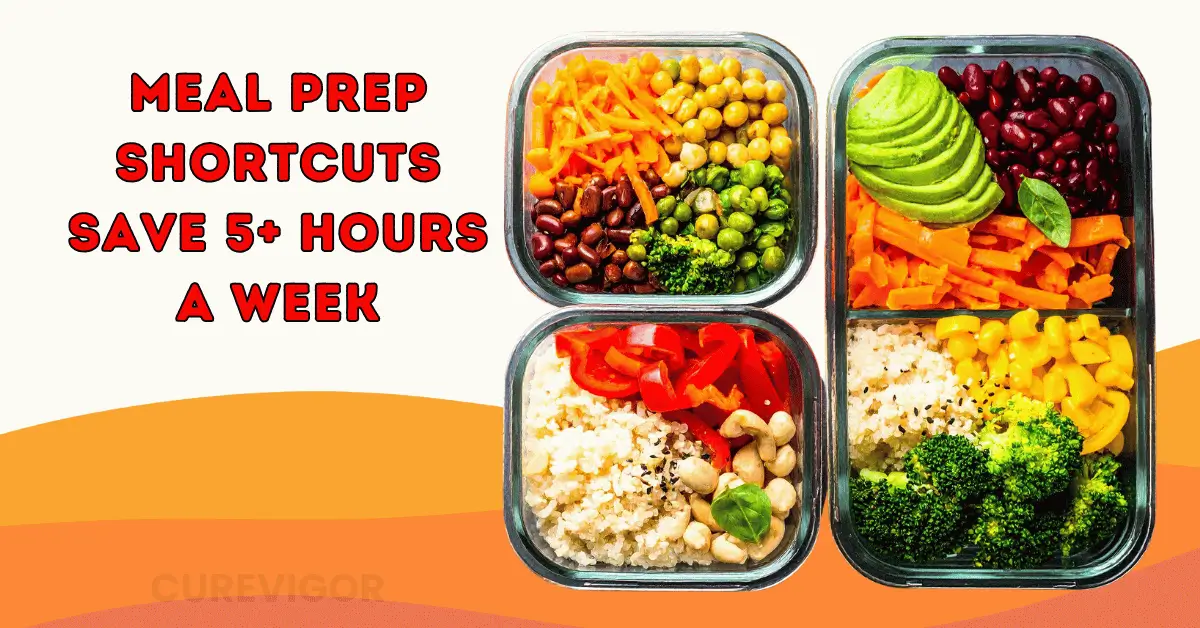
Sample 3-Day Migraine-Friendly Meal Plan
This is a simple, whole-food baseline to give you a concrete starting point during the reset phase. It’s not meant to be your diet forever. It’s a calm, stable foundation.
Day 1
- Breakfast: Oatmeal with blueberries, pumpkin seeds, and a drizzle of honey
- Lunch: Grilled chicken with steamed broccoli and brown rice
- Dinner: Roasted sweet potatoes, spinach, and baked salmon
- Snack: Apple with almond butter
Day 2
- Breakfast: Scrambled eggs with sautéed spinach and wholegrain toast
- Lunch: Lentil soup with fresh bread and a simple green salad
- Dinner: Chicken and vegetable stir-fry over rice noodles (no soy sauce)
- Snack: A banana and a tiny handful of almonds
Day 3
- Breakfast: Greek yogurt (if tolerated) with fresh fruit and chia seeds
- Lunch: Turkey and avocado on wholegrain bread with lettuce and cucumber
- Dinner: Roasted vegetables with grilled fish and quinoa
- Snack: Carrot sticks with hummus
Benefits of Migraine-Focused Nutrition

When people consistently apply the principles in this guide, the changes they typically notice go beyond just migraine reduction.
A nutrition approach built around whole foods, stable blood sugar, adequate hydration, and anti-inflammatory nutrients tends to improve overall health in ways that compound over time.
Documented and commonly reported benefits include:
- Fewer migraine attacks — reduced frequency is the primary goal and is achievable for most people with consistent effort.
- Lower attack intensity — even when migraines do occur, their severity often decreases.
- Faster recovery — the post-migraine “hangover” phase tends to shorten as overall nutritional support improves.
- Better energy and focus — stable blood sugar and adequate magnesium improve baseline cognitive function.
- Improved sleep quality — many migraine-prevention foods also support melatonin production and a calm nervous system.
- Reduced reliance on acute medication — fewer attacks naturally means less need for pain relief, which also reduces the risk of medication overuse headache.
Common Mistakes That Undermine Your Progress
Eliminating Too Many Foods at Once
The instinct when you’re suffering is to cut everything that could possibly be a trigger.
This creates an overly restrictive diet, increases stress around food, and, crucially, makes it impossible to identify which specific foods are actually problematic. Systematic, one-at-a-time reintroduction is slower but far more informative.
Treating Diet as the Only Variable
Food matters, but it’s one layer. People who focus exclusively on diet while continuing to sleep poorly, work high-stress jobs without any stress management, and skip meals regularly will see limited results. The bucket fills from many sources.
Inconsistent Caffeine Use
As discussed, this is one of the most common self-sabotage patterns. Weekend lie-ins that shift your caffeine timing, switching between coffee and no coffee depending on the day, or using energy drinks sporadically all increase your caffeine-related migraine risk more than simply having a moderate daily habit.
Ignoring Meal Timing
Dropping blood sugar is a genuine physiological trigger for migraines. Skipping meals, especially breakfast, or going long stretches without eating, creates the exact neurological vulnerability that makes other triggers more likely to tip you into an attack.
Relying Exclusively on Medication
Acute migraine medication is genuinely helpful and sometimes necessary.
But using it as the only strategy, without addressing triggers, nutrition, sleep, or stress, often leads to medication overuse headache, where the medication itself starts causing more frequent headaches.
Dietary management works alongside medication, not instead of it.
Practical Tips for Daily Life
- Eat on a schedule. Three balanced meals a day with regular snack times stabilize blood sugar and reduce neurological vulnerability. Your brain runs on glucose, and it does not handle scarcity gracefully.
- Prep simple meals in advance. Decision fatigue and hunger together are a bad combination. Having simple, safe food ready removes the temptation of processed options when you’re hungry and rushed.
- Read labels on “healthy” products. Protein bars, low-calorie drinks, flavored waters, and packaged health foods often contain artificial sweeteners and MSG variants. The ingredient to watch is “hydrolyzed protein,” a common hidden source of MSG.
- Treat hydration as a habit, not a reaction. Don’t wait until you’re thirsty. Sip consistently throughout the day, and include electrolyte-rich foods or a low-sugar electrolyte drink if you’re active or in a hot climate.
- Don’t let the desire for perfection get in the way of doing something well. You will eat trigger foods occasionally. You will have disorganized weeks. A single imperfect day doesn’t undo a month of consistent effort. Long-term patterns matter far more than individual meals.
Migraine Prevention Checklist
Use this guide as a weekly reference while building your habits:
- Eating three regular meals at consistent times
- Staying hydrated throughout the day, not just when thirsty
- Consuming magnesium-rich foods at least once daily
- Keeping caffeine consistent in timing and amount
- Avoiding processed meats and heavily aged foods during high-stress periods
- Logging food, sleep, stress, and symptoms in one place
- Consistently getting seven to nine hours of sleep
- Managing at least one stress-reduction practice (walking, breathing, time outdoors)
- Reintroducing eliminated foods one at a time, with patience
- Following up with a healthcare provider if attacks remain frequent
Myths About Migraines and Diet
- “One food is causing all your migraines.” This is rarely true. Migraines are typically the result of multiple factors converging at once. Blaming a single food and eliminating it usually produces disappointing results because it ignores the cumulative load model.
- “Healthy foods can’t be triggers. “Completely false. Fermented vegetables, aged vinegars, kombucha, wine, and even some nuts can trigger migraines in sensitive individuals. “Healthy” and “safe for migraines” are not synonymous.
- “You have to quit caffeine entirely.” Not necessarily. For many people, moderate and consistent caffeine use is perfectly compatible with migraine management and may even be protective during attacks. The problem is irregular use, not caffeine itself.
- “An elimination diet cures migraines.” Dietary changes can significantly reduce frequency and severity, but migraines have genetic and neurological components that diet alone cannot address. Think of nutrition as one powerful tool in a broader toolkit.
- “If a food isn’t on the standard trigger list, it’s safe.” Trigger lists are averages across populations. Your personal triggers may include foods that don’t appear on any standard list, which is precisely why individual tracking matters more than any published list.
When to Get Expert Help
Dietary changes are a valuable part of migraine management, but they are not a substitute for medical care. Speak to a doctor or neurologist if:
- You’re experiencing migraines more than four times per month.
- Your migraines last more than 72 hours
- You have new symptoms alongside a headache, such as vision changes, numbness, or confusion.
- Migraine attacks are significantly affecting your work, relationships, or mental health.
- Over-the-counter medication is no longer effective.
- You suspect hormonal factors are playing a significant role.
A specialist can offer preventive prescription medications, investigate underlying causes, and help you build a comprehensive management plan that includes dietary strategy as one component.
Frequently Asked Questions
Q. Can a keto or low-carb diet help with migraines?
There is emerging evidence that ketogenic diets may reduce migraine frequency in some people, likely because ketones provide a more stable fuel source for brain cells and may reduce neurological excitability.
Several modest clinical trials have shown promising outcomes. However, the keto diet is restrictive, difficult to sustain, and not appropriate for everyone, particularly those with certain metabolic conditions.
If you’re curious about this approach, it’s worth discussing with a doctor before committing to it, rather than attempting it unsupported.
Q. Is ginger effective for migraine relief?
Ginger has demonstrated genuine anti-nausea and mild anti-inflammatory properties, and some research suggests it may help reduce migraine pain and nausea when taken at the onset of an attack.
It can be a helpful supplemental tool, especially for controlling nausea, which is frequently just as incapacitating as the pain itself, but it shouldn’t be used in place of prescribed migraine medication.
Fresh ginger tea or ginger capsules are common options. If you’re on blood-thinning medications, check with a pharmacist before using ginger regularly.
Q. How do I know if histamine sensitivity is behind my migraines?
Histamine sensitivity can be tricky to identify because many high-histamine foods are generally considered healthy.
Signs that histamine may be involved include migraines that consistently follow fermented foods, wine, aged cheese, or prolonged storage of leftovers, along with other symptoms such as flushing, itching, or digestive discomfort.
A trial elimination of high-histamine foods for three to four weeks, followed by careful reintroduction, is the most practical diagnostic tool. A doctor can also test for DAO enzyme deficiency, which is the underlying mechanism in most cases.
Q. Does skipping meals really trigger migraines?
Yes, consistently and significantly. When blood glucose drops, the brain, which depends almost entirely on glucose for fuel, responds with a stress response that involves changes in blood vessel tone and neurotransmitter activity.
This is a well-established physiological mechanism, not just an anecdote. Breakfast is particularly important because the overnight fasting period already lowers blood sugar by morning.
If you’re prone to migraines and frequently skip meals, addressing this one habit alone can produce a meaningful reduction in attack frequency.
Q. Are there foods that help stop a migraine once it has started?
No food will stop a full migraine the way medication can. However, at the earliest warning signs, before the pain peaks, some people find that caffeine, ginger, and small amounts of magnesium-rich foods (if tolerated) can reduce the severity of the pain.
Staying well-hydrated is also important, as dehydration during an attack worsens symptoms and slows recovery.
The most effective strategy remains catching the prodromal phase early and using whatever acute treatment your doctor has recommended, while using nutrition as a preventive layer rather than as an acute cure.
Q. How long does it take to see results from dietary changes?
Be realistic: meaningful results typically take six to twelve weeks of consistent application, not days.
This is because you’re trying to reduce your overall neurological load and identify personal patterns, both of which require time and repeated data.
Rushing the elimination and reintroduction process yields less useful information. Many people expect to feel dramatically better within two weeks and give up when they don’t.
The people who see the most improvement are those who treat their progress as a long-term project and track it carefully, even when progress feels slow.
Recap: The Key Points at a Glance
- Migraines are neurological events, not just headaches, driven by a combination of accumulated triggers rather than a single cause.
- The bucket model explains why the same food triggers a migraine one day but not another; your threshold shifts based on total load.
- Main dietary triggers include tyramine (aged foods), nitrates (processed meats), artificial sweeteners, histamine (fermented foods), and alcohol.
- Caffeine is nuanced; consistent moderate use is generally fine; irregularity is what causes problems.
- Proactive nutrition, magnesium, omega-3s, riboflavin, and adequate hydration reduce baseline vulnerability.
- A proper elimination diet takes patience: reset for two to three weeks, then reintroduce one category at a time.
- Track more than food: sleep, stress, hormones, and weather all belong in your migraine log.
- Perfection is not the goal. Consistency, awareness, and gradual improvement are key.
Final Thoughts
Migraines are among the conditions that can make you feel like your body is working against you. The unpredictability, the lost days, and the effort of trying to figure out why it wears on people.
But the fact that you’re here, reading this, means you’ve decided to try to understand it rather than just endure it. That shift in orientation matters more than any single dietary change.
Food won’t cure your migraines. However, a thoughtful, sustainable nutritional approach can significantly reduce the frequency of migraines disrupting your life by understanding your personal threshold, supporting your brain with the right nutrients, and tracking patterns rather than reacting to panic.
And fewer, lower-intensity attacks with faster recovery are genuinely life-changing for many people.
Start where you are. Not with a perfect diet, not with an extreme elimination, but with a week of honest tracking and one or two small changes.
The knowledge you gather about your triggers is more valuable than any generic advice. Your body has a logic to it; this guide is just a framework for learning to read it.
Have you tried tracking your food and lifestyle to manage migraines? Did you discover a trigger that surprised you or find a food that actually helped?
Share your experience in the comments below. It’s possible that someone else needs to hear your insight. And if you found this guide useful, share it with someone in your life who’s still stuck in the guessing phase.
You might like: