
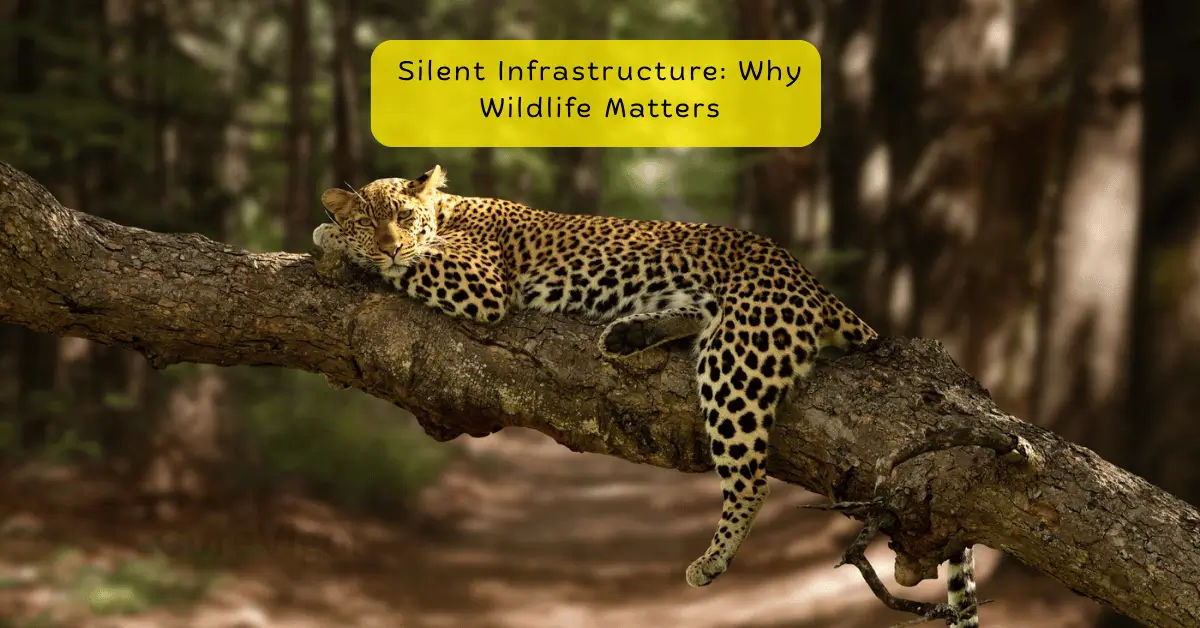
Discover why conservation of wildlife is the ultimate safety net for our planet. Learn how protecting biodiversity secures our food, stabilizes the climate, and preserves life-saving natural medicines.
Explore why saving habitats today is the most important investment we can make for a healthy, resilient future.
We often talk about conservation of wildlife as if it’s a hobby for scientists or a luxury for travellers who love safaris.
We see a headline about a rare rhino or a disappearing butterfly and feel a fleeting pang of sadness, but then we go back to our coffee and our commutes.
But here is the reality we can no longer ignore: Wildlife isn’t just a “nice to have.” It is the invisible safety net that keeps human life possible.
Every species, from the largest whale to the smallest soil microbe, is a vital thread in a tapestry that provides the air we breathe, the water we drink, and the food on our tables.
Today, that tapestry is fraying. Here is why we need to pick up the needle and thread before the damage becomes irreversible.
Protecting biodiversity is now a race against time. We must act to save our ecosystem’s health. Here is why this mission matters to you today.
Nature is Our Silent Infrastructure
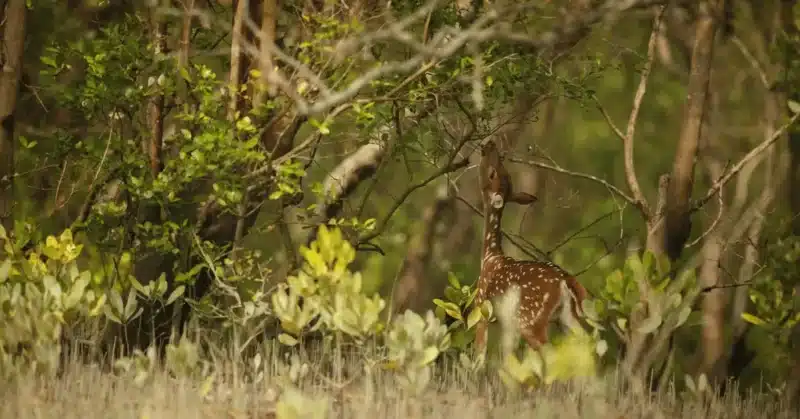
Nature provides the air we breathe. It filters the water we drink. We call these “ecosystem services.” Without conservation of wildlife, these services fail.
Think of a healthy forest. It stores carbon. It stabilizes the climate. It prevents local flooding. Habitat conservation keeps your neighbourhood safe. We aren’t just saving animals; we are saving our own homes.
The Pharmacy of the Wild
Did you know that medicinal plants are the foundation of modern healthcare? Over 50,000 species provide healing compounds. They treat everything from common fevers to complex diseases.
Biodiversity loss threatens these natural cures. When we destroy a habitat, we might lose a life-saving medicine forever. Protecting wildlife preserves our future health.
Why We Must Act Now
Extinction rates are accelerating. Human impact is reaching a tipping point. But we have proof that conservation works.
- Habitat restoration brings species back.
- Protected areas allow nature to heal.
- Sustainable living reduces the pressure on our planet.
How Conservation of Wildlife Protects Biodiversity and Human Health
The health of our planet is written in the wings of birds, the roots of trees, and the movements of wild animals. Without them, the natural systems we rely on would collapse.
Conservation of wildlife is no longer just about saving endangered species—it is directly tied to human survival, biodiversity, and ecosystem resilience. In today’s world of rapid environmental change, the urgency to protect wildlife has never been greater.
The Importance of Wildlife Conservation
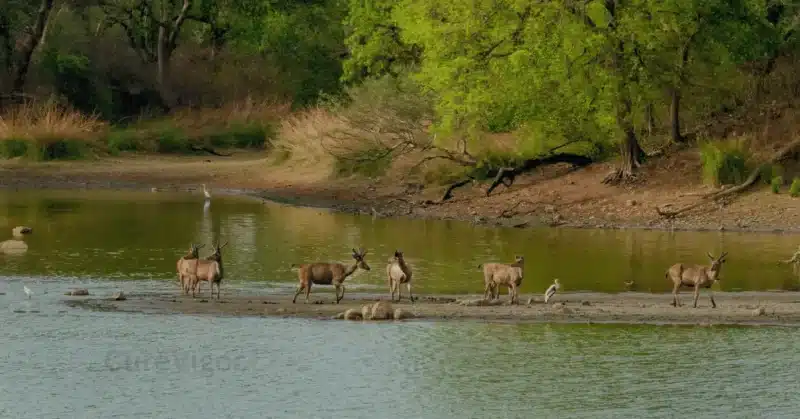
Biodiversity and Ecosystem Health
The conservation of wildlife is more than a moral duty; it’s the foundation of healthy ecosystems. Every creature, from the tiniest soil microbes to top predators, performs a specific task that keeps nature in balance.
Bees and butterflies pollinate crops, ensuring that fruits and vegetables reach our tables. Birds and bats act as natural pest control, reducing the need for chemical pesticides.
Even predators like wolves and big cats help prevent overgrazing by keeping herbivore populations in check, thereby protecting forests and grasslands.
According to the United Nations, nearly three-quarters of the world’s food crops rely on animal pollination. If these pollinators were to vanish, global food security would face an unprecedented crisis.
At the same time, wetlands quietly filter drinking water, mangroves shield coastlines from storms, and forests generate oxygen while absorbing carbon dioxide.
These ecosystem services, powered by biodiversity, would cost trillions to replicate artificially—yet they are freely provided when wildlife thrives.
Conserving wildlife isn’t just about saving rare species—it’s about safeguarding the invisible life-support systems that humanity depends on every single day.
Human Well-being and Health
The conservation of wildlife directly impacts our health and survival. When ecosystems are intact, they form natural barriers against the spread of zoonotic diseases, those that jump from animals to humans, by maintaining balanced species interactions.
In contrast, deforestation and habitat destruction bring humans closer to wildlife, creating conditions where diseases like COVID-19 or Ebola can emerge more easily. Protecting nature is, therefore, also a strategy for preventing future pandemics.
Beyond disease control, nature remains humanity’s most excellent laboratory. Over half of all modern medicines, from painkillers to cancer treatments, originate from compounds found in plants, fungi, and animals.
By conserving wildlife, we are protecting the undiscovered cures of tomorrow that may lie hidden in rainforests, coral reefs, or even in the venom of snakes and insects.
Economically, conservation of wildlife brings prosperity. Ecotourism has become a multibillion-dollar industry, attracting travellers seeking authentic wildlife experiences.
From safaris in Africa to birdwatching in South America, ecotourism provides sustainable income for local communities and creates powerful incentives to protect natural habitats.
In many regions, preserving wildlife has proven to be not only an ethical choice but also a pathway to long-term financial stability and resilience.
Future Generations and Cultural Heritage
Conservation of wildlife is also about the legacy we leave behind. Every species carries stories, traditions, and lessons that connect people to the natural world.
For Indigenous communities, animals are not just part of the environment—they are woven into rituals, folklore, and identity.
Preserving wildlife means safeguarding this cultural heritage and ensuring that future generations can continue to learn from it.
Imagine a world where children grow up never hearing the call of a wild wolf, never seeing a tiger’s majestic stripes, or never watching sea turtles crawl ashore under the moonlight.
The loss of such experiences would not only impoverish biodiversity but also rob humanity of wonder, inspiration, and creativity. Wildlife has always been a teacher. shaping art, music, literature, and even scientific innovation.
On a practical level, teaching younger generations about conservation fosters environmental responsibility and global citizenship.
When children learn to care for wildlife today, they grow into adults who respect and protect the natural world tomorrow.
By conserving wildlife now, we are passing forward a planet that is vibrant, abundant, and full of possibility rather than one defined by scarcity and extinction.
Threats to Conservation of Wildlife
Protecting wildlife is not just about admiration—it’s a battle against some of the greatest challenges of our time. The survival of countless species is at stake as human activity and environmental changes reshape the natural world.
Habitat Loss and Fragmentation
The single greatest driver of species decline is habitat destruction. Deforestation, often driven by agriculture, logging, and infrastructure projects, wipes out more than 10 million hectares of forest each year (FAO).
These forests are not just trees; they are complex ecosystems where birds, mammals, insects, and plants interact in a delicate balance. When they vanish, biodiversity collapses.
Urbanisation worsens the situation by fragmenting natural habitats into smaller, disconnected patches. Picture a tiger trying to find a mate when highways, farms, and cities split its range.
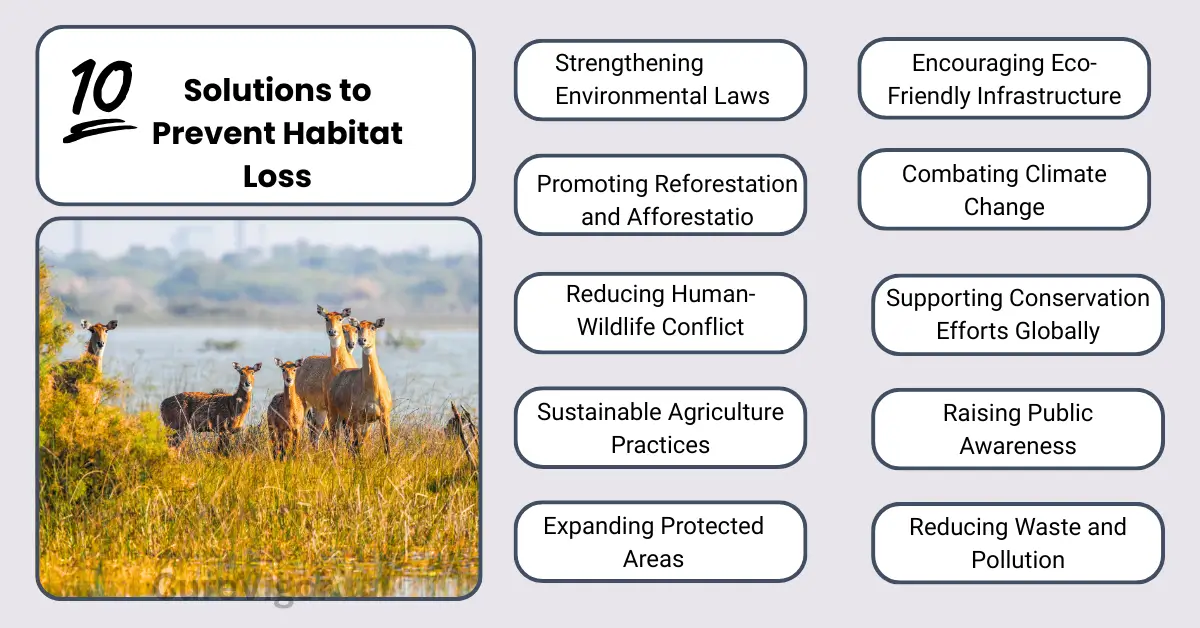
These isolated “islands” of habitat reduce genetic diversity, weaken populations, and increase the risk of extinction. Conservation efforts like wildlife corridors and protected landscapes are crucial to reconnect these fragmented homes.
Climate Change
No threat looms larger or more unpredictable than climate change. As global temperatures rise, wildlife struggles to keep up.
Migratory birds arrive too early or too late for food supplies, coral reefs bleach and die, and polar ice melts, shrinking the habitats of iconic animals like polar bears and penguins.
The challenge is that many species cannot adapt quickly enough. Conservation in the era of climate change is not just about preservation—it’s about building resilience.
Strategies like restoring wetlands, reforesting degraded land, and creating climate-adaptive sanctuaries help species survive in a rapidly shifting environment.
Human-Wildlife Conflict
As human populations expand, encounters with wildlife become more frequent—and more dangerous.
Elephants raid crops, wolves prey on livestock, and predators sometimes cross into villages. For communities already struggling to survive, these conflicts can spark anger, fear, and retaliation, leading to the killing of endangered animals.
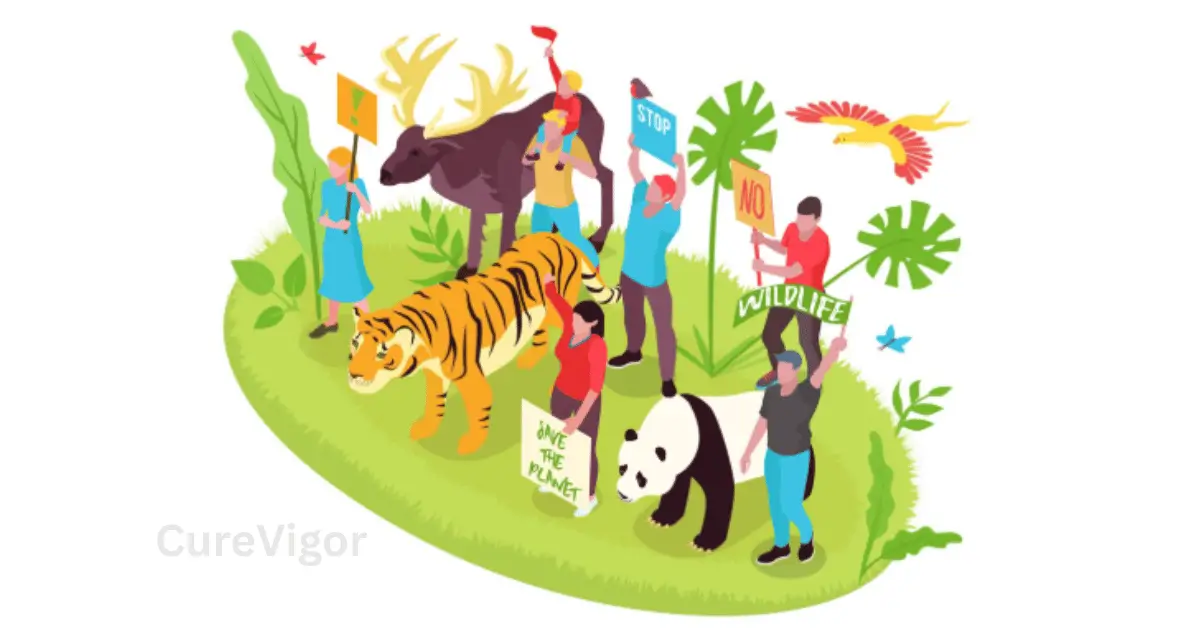
But coexistence is possible. Community-based conservation programs, fair compensation schemes, and innovative tools such as beehive fences to deter elephants demonstrate that harmony between people and wildlife is achievable.
By recognizing the value of wildlife to ecosystems and economies, societies can turn conflict into cooperation.
Why Conservation Efforts Are More Important Now Than Ever
In today’s rapidly changing world, protecting wildlife is no longer optional—it’s essential to the survival of ecosystems and humanity.
Conservation is not just about saving animals; it’s about safeguarding the life-support systems we all depend on.
Accelerating Extinction Rates
The numbers are staggering. According to the Intergovernmental Science-Policy Platform on Biodiversity and Ecosystem Services (IPBES), species are vanishing at rates 100 to 1,000 times faster than the natural background rate.
Scientists estimate that up to one million species are now at risk of extinction in the coming decades.
This isn’t just a tragedy for wildlife—it’s a direct threat to human survival. When bees disappear, pollination collapses. When fish stocks decline, food security suffers. When forests vanish, clean air and water are compromised.
Protecting wildlife means protecting the ecological safety net that sustains all life on Earth.
Increasing Human Impact
Human activity has become the dominant force reshaping the planet. Studies show that we have already altered over 75% of Earth’s land surface through agriculture, urbanization, and industry. Oceans are overfished, rivers are polluted, and soils are depleted.
If we continue at this pace, the cost will be catastrophic—not just for wildlife but for human health, food supply, and climate stability.
The solution lies in sustainability. Small shifts in our daily lives, choosing responsible consumption, supporting renewable energy, and backing habitat restoration projects, create ripple effects that slow the damage and pave the way for a healthier, more resilient planet.
Conservation Success Stories: Proof It Works
The good news? Conservation makes a difference. History offers countless reminders that species can bounce back when humans take action.
Take the bald eagle, a symbol of freedom in the U.S. Once nearly extinct due to habitat loss and pesticides, this majestic bird has soared back thanks to legal protections, captive breeding, and habitat restoration.
Or consider the mountain gorilla of Central Africa. Decades ago, fewer than 300 were left in the wild.
Today, their numbers have risen to over 1,000 individuals—a rare conservation success, thanks to anti-poaching patrols, eco-tourism revenue, and the commitment of local communities who now benefit from protecting these great apes.
These victories prove that urgent action saves lives—not just animal lives, but human ones too. When wildlife thrives, ecosystems heal. And when ecosystems heal, humanity flourishes.
FAQs on Conservation of Wildlife
Q. Why is it important to conserve wild animals?
Wild animals are the “gears” that keep our planet’s engine running. They manage insect populations, pollinate our food crops, and keep forests healthy enough to scrub carbon from our air.
When we lose a species, we lose a specific service that technology cannot easily replace. Conserving them is the only way to ensure our own biological safety net stays intact.
Q. What are the 10 importance of animals?
Animals provide far more than just food; they are essential for ecosystem balance, seed dispersal, and soil fertilization. They drive medical breakthroughs through unique biology and support global economies via eco-tourism.
Beyond utility, they offer pollination services, pest control, and climate regulation. Finally, they hold deep cultural significance and provide the genetic diversity necessary for life to adapt to a changing world.
Q. What is conservation, and its importance?
Conservation is the active, strategic protection of natural resources to prevent their loss forever. It isn’t about “freezing” nature in time; it’s about managing our relationship with the earth so it can regenerate.
This is vital because a degraded planet cannot support a growing human population. Without conservation, we risk losing the very air, water, and food systems we take for granted.
Q. What is the ultimate goal of wildlife conservation?
The finish line for wildlife conservation is “self-sustaining resilience.” The goal is to reach a point where species no longer need human intervention, fences, or legal battles to survive.
We want to restore ecosystems to a state of balance where biodiversity can thrive on its own. Ultimately, it’s about creating a world where humans and nature coexist without one destroying the other.
Q. What is the 3 animal rule?
In a survival or safety context, this rule often refers to the “Rule of Three” regarding animal encounters: Stop, Observe, and Give Space. It suggests you should never approach an animal closer than three large vehicles.
Another variation used in tracking and photography is to never stay in an animal’s “flight zone” for more than three minutes to avoid causing them stress. It is a simple framework for practicing respect and safety in the wild.
Q. What are the 7 basic needs of animals?
To thrive, every animal requires a specific “recipe” for survival: Food for energy, Water for hydration, and Oxygen to breathe.
They also need Shelter from the elements and Space to roam and hunt without constant conflict. Finally, they require a suitable Temperature range for their biology and the ability to Reproduce to ensure their species continues.
When a habitat loses even one of these, the animal begins to decline.
Bottom Line on Conservation of Wildlife
Every action counts, no matter how small. From supporting conservation groups to making sustainable choices at home, we all play a role in shaping the planet’s future.
The accelerating extinction crisis shows the urgency, but the success of species like the bald eagle and mountain gorilla proves that recovery is possible.
Protecting wildlife isn’t just about saving animals—it’s about protecting ourselves, our children, and the living world we depend on.
The time to act is not tomorrow. It’s now.
Read more articles on Health and Wellness Tips.
You might like to read: