

Learn how Grandma’s wisdom for your inner ecosystem can support digestion with fiber-rich foods, fermented foods, mindful eating, and simple daily habits.
What if some of the simplest ways to support your gut were already part of your grandmother’s daily routine?
A bowl of homemade yogurt, a warm cup of ginger tea, seasonal vegetables, and unhurried family meals may seem ordinary. Yet these traditional habits share something important: they can support a healthy digestive system.
Today, scientists are learning more about the gut microbiome, the community of microorganisms living in your digestive tract. Research suggests that what you eat and how you live can influence this inner ecosystem.
Grandma’s wisdom is not a substitute for modern medicine. However, many traditional habits—such as eating fiber-rich foods, enjoying fermented dishes, and taking time to eat—fit well with what researchers know about digestive health.
Let’s explore how to improve gut health naturally, which home remedies may help, and how to build a routine that supports your digestive balance.
Quick Summary
- Eat a variety of fiber-rich plant foods to nourish gut bacteria.
- Include fermented foods if you tolerate them.
- Eat slowly and pay attention to foods that trigger symptoms.
- Use ginger and familiar kitchen spices as foods, not miracle cures.
- Manage stress, stay hydrated, and maintain regular routines.
- Seek medical advice for persistent or severe digestive symptoms.
What Is Grandma’s Wisdom for a Thriving Inner Ecosystem?
Grandma’s wisdom for gut health is a simple practice: supporting digestion through nourishing foods, regular meals, mindful eating, and everyday habits. These traditions can help create a healthier environment for your gut microbiome, although they cannot prevent or treat every digestive condition.
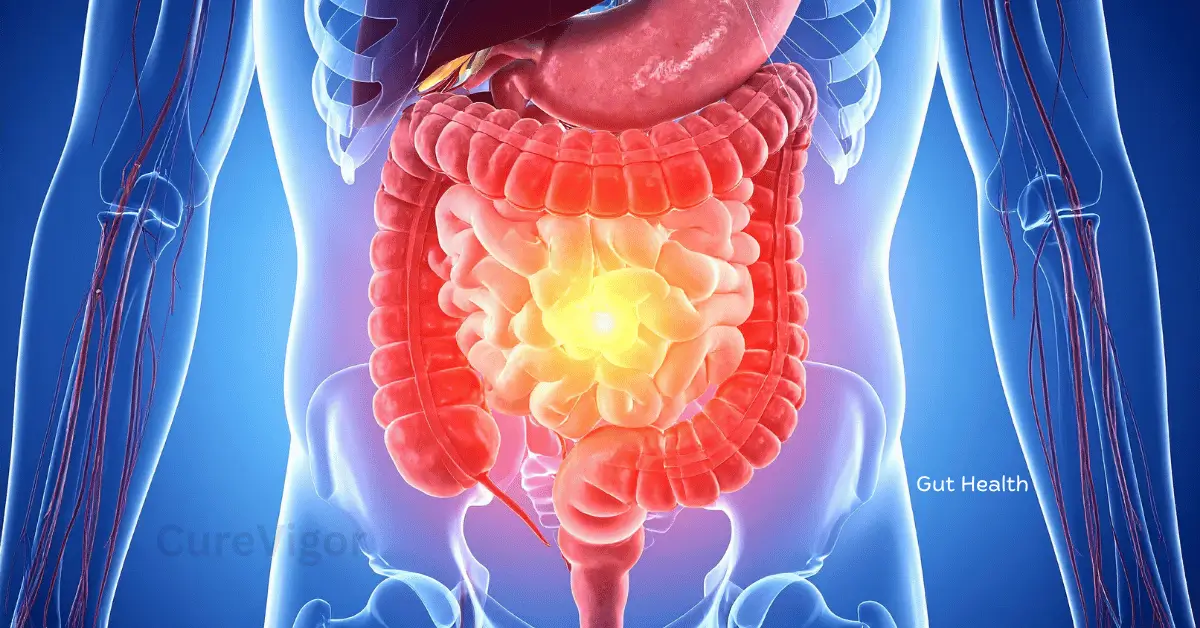
Your inner ecosystem refers to the gut microbiome: the bacteria and other microorganisms that live in your digestive tract. They help break down certain foods, produce useful substances, and interact with your immune system.
Traditional food habits often include whole grains, lentils, vegetables, homemade yogurt, and fermented foods. These foods can provide fiber or live microorganisms that may support gut health.
Not every old remedy has been proven effective, and people respond differently to foods. The goal is to keep the useful traditions while checking them against modern evidence.
Why Is Our Inner Ecosystem Out of Balance Today?

Modern life can make healthy digestive habits harder to maintain. Busy schedules, stress, irregular meals, low-fiber diets, and frequent reliance on highly processed foods may affect digestion and the gut microbiome.
Modern Diet, Stress, and Antibiotics
A diet with little variety and not enough fiber may provide fewer nutrients for beneficial gut microbes. Some highly processed foods and additives are also being studied for their potential effects on gut health. However, research is still developing, and not every processed food affects the gut in the same way.
Antibiotics can be essential for treating bacterial infections, but they can also change the gut microbiome. Use them only when prescribed and follow your healthcare professional’s instructions.
Stress may also influence digestion through communication between the brain and the gut. It can affect how quickly food moves through the digestive tract and how strongly you experience discomfort.
Signs Your Gut Needs Attention
Digestive symptoms can have many causes. Common signs include:
- Bloating or excessive gas
- Constipation or diarrhea
- Abdominal discomfort
- Feeling unusually full after eating
- Changes in bowel habits
These symptoms do not automatically mean your microbiome is unhealthy. They may also occur with food intolerances, irritable bowel syndrome (IBS), infections, or other medical conditions.
The Gut-Brain Connection
Your gut and brain communicate through nerves, hormones, and immune signals. This two-way relationship is known as the gut-brain connection.
Stress can worsen digestive symptoms for some people, while ongoing digestive discomfort can affect mood and daily life. Relaxation, adequate sleep, and regular meals may help support overall well-being, although they are not replacements for medical treatment.
Grandma’s 9 Timeless Wisdoms for Taming Your Tummy Naturally
1. Enjoy Fermented Foods for Natural Probiotics
Homemade yogurt, kefir, and some fermented vegetables can contain live microorganisms. These foods may support gut health, although their effects depend on the specific food, microbes, and person.
A small randomized study published in Cell found that a diet rich in fermented foods increased gut microbial diversity and reduced several inflammatory markers in healthy adults.
The study was relatively small, so its results do not mean fermented foods will have the same effects for everyone.
Try adding a small serving of plain yogurt or another fermented food to a meal. Choose products with live cultures when available. If fermented foods worsen your symptoms, reduce or avoid them.
2. Make Comforting Soups and Broths
A warm bowl of homemade soup can be an easy way to enjoy vegetables, beans, and other nourishing ingredients. It can also help you stay hydrated.
Bone broth is often promoted for collagen and gut-lining benefits. However, strong clinical evidence that drinking bone broth heals the intestinal lining is lacking. Enjoy it as a food if you like it, but don’t rely on it to treat digestive disease.
For a balanced soup, include vegetables, lentils, or another protein source. Adjust ingredients to your tolerance.
3. Feed Your Gut With Fiber-Rich Foods
Fiber is one of the most useful parts of Grandma’s traditional diet. It is found in oats, beans, lentils, fruit, vegetables, nuts, and seeds.
Some types of fiber act as prebiotics, which gut microbes can use as food. As microbes ferment certain fibers, they produce substances such as short-chain fatty acids that support gut health.
Increase fiber gradually. A sudden jump can cause gas or bloating, especially if you are not used to eating much fiber. Drink enough fluids and choose foods that suit your digestive system.
4. Eat Slowly and Chew Your Food
Remember when you were told to sit down and finish your meal instead of rushing? This simple habit has a practical basis.
Eating slowly may reduce how much air you swallow and help you notice when you feel comfortably full. Digestion also begins in the mouth, where chewing breaks food into smaller pieces and mixes it with saliva.
You do not need to count a specific number of chews. Instead, put your utensils down between bites, chew comfortably, and give yourself time to enjoy your meal.
The National Institute of Diabetes and Digestive and Kidney Diseases recommends eating slowly to help reduce gas symptoms.

5. Use Ginger and Kitchen Spices Wisely
Ginger, fennel, cumin, and turmeric have long been used in traditional cooking. Ginger has been studied for nausea, and some evidence suggests it may help with certain types. It is not a proven treatment for every digestive problem.
You can add fresh ginger to warm water or tea, or use cumin and turmeric in soups and everyday meals. These spices can add flavor without requiring complicated recipes.
Be cautious with concentrated herbal supplements. They may cause side effects or interact with medicines. Food amounts are different from high-dose supplements.
6. Eat Seasonal and Varied Foods
Grandma may have cooked with whatever was fresh and available. Eating a variety of seasonal vegetables, fruits, beans, and whole grains can help you get different types of fiber and nutrients.
No single seasonal diet is right for everyone. Choose affordable foods that are available where you live and that you can digest comfortably.
If certain fruits or vegetables trigger symptoms, try smaller portions or cooked versions rather than forcing yourself to eat them.

7. Keep a Regular Meal Routine
Your digestive system works alongside the body’s internal clock. Regular routines may help some people manage appetite and digestive comfort.
Try to eat meals at reasonably consistent times when your schedule allows. Avoid large meals right before lying down if they cause reflux or discomfort.
You do not need to follow a strict eating window. Your routine should fit your work, sleep, health needs, and appetite.
8. Choose Homemade Meals More Often
Home cooking gives you more control over ingredients, portion sizes, and preparation methods. It can also make it easier to include vegetables, legumes, and whole grains.
You do not need to eliminate every packaged food. Instead, build more meals around simple ingredients and limit foods that you notice repeatedly trigger symptoms.
A 2024 review discussed growing evidence linking diets high in ultra-processed foods with several health concerns, including possible effects on gut health. Researchers are still studying the mechanisms and the role of specific additives.
9. Make Time for Rest and Stress Relief
A calm meal and a little time to unwind can be valuable parts of a healthy routine. Stress may worsen symptoms in people with conditions such as IBS, so finding ways to manage it can be useful.
Try a short walk, slow breathing, journaling, or a relaxing activity you enjoy. Aim for enough sleep and a routine that allows your body to recover.
These habits support general well-being, but persistent digestive symptoms deserve proper assessment rather than being blamed on stress alone.
Grandma’s Kitchen: 5 Simple Ideas for Digestive Comfort
Traditional remedies can be comforting, but their benefits vary. Treat these ideas as food-based habits—not cures.
1. Warm water with ginger: Add a few slices of fresh ginger to hot water and let it steep. Sip it warm if you enjoy the taste. Ginger may help some types of nausea, but it can also cause heartburn or abdominal discomfort in some people.
2. Plain yogurt: Enjoy a small serving of plain yogurt with a meal if you tolerate dairy. Look for live cultures. If you are lactose intolerant, choose a suitable lactose-free option or another food you tolerate.
3. Cumin in meals: Add roasted cumin to lentils, vegetables, or yogurt for flavor. It is a traditional kitchen ingredient, but strong evidence that cumin treats bloating or inflammation is limited.
4. Fennel tea: Some people enjoy fennel tea after meals. Evidence for treating digestive symptoms is limited, so consider it an optional comfort drink rather than a proven remedy.
Ask a healthcare professional before using concentrated herbal products, especially during pregnancy or while taking medication.
5. Fenugreek in food: Fenugreek seeds are used in many traditional dishes. However, evidence for treating digestive conditions is limited. Larger amounts may cause diarrhea or other digestive symptoms, and fenugreek supplements can interact with medicines. Avoid medicinal amounts during pregnancy.
Triphala and ghee are also part of some traditional systems. However, evidence for their use in treating gut conditions is limited. Triphala products may cause digestive side effects, and product quality can vary. Speak with a healthcare professional before using them as remedies.
What Modern Science Says About Grandma’s Wisdom
Some traditional habits align with current research, particularly eating fiber-rich foods and including fermented foods.
In a randomized dietary study, researchers found that participants who ate more fermented foods experienced increased gut microbial diversity and reductions in several inflammatory markers. The study offers promising evidence, but it was small and does not prove that fermented foods treat disease.
Fiber also supports gut microbes. A study of a microbiome-focused diet found that dietary changes could alter gut microbial composition and function. The researchers emphasized the complex relationship between diet and the microbiome.
The key lesson is that no single food can create a healthy gut on its own. A varied diet, individual tolerance, and consistent habits matter more than relying on one trendy ingredient or supplement.
What Habits Can Disrupt Your Inner Ecosystem?
Some everyday habits may make digestive symptoms harder to manage:
- Taking antibiotics unnecessarily: Antibiotics can affect gut microbes. Use them only as directed by a qualified healthcare professional.
- Eating too quickly: Rushed meals can lead to swallowing more air and may worsen gas for some people.
- Ignoring food triggers: Certain foods can cause symptoms in people with intolerances or digestive conditions. Track patterns rather than cutting out many foods without guidance.
- Eating large meals before bed: This may worsen reflux or discomfort in some people.
- Neglecting stress and sleep: Poor sleep and stress can affect digestive comfort and daily routines.
You do not need to change everything at once. Start with one or two habits that feel realistic.
A Simple 7-Day Plan for a Healthier Gut Routine
This sample plan offers ideas, not a strict diet. Adjust portions and ingredients to your needs, food availability, and tolerance.
| Day | Simple food or habit |
|---|---|
| Monday | Add oats or another whole grain to breakfast. |
| Tuesday | Include lentils or beans in one meal. |
| Wednesday | Try a small serving of plain yogurt if tolerated. |
| Thursday | Add an extra serving of cooked vegetables. |
| Friday | Eat one meal slowly, without rushing or multitasking. |
| Saturday | Prepare a homemade vegetable or lentil soup. |
| Sunday | Review your food and symptom notes and plan meals for the week. |
Keep drinking water throughout the day. If you are increasing fiber, do so gradually. If a food causes discomfort, pause and note the reaction rather than forcing yourself to continue.
Track Your Digestive Comfort
A simple journal can help you notice patterns. Each day, record:
- What you ate and drank
- Whether you experienced bloating, pain, constipation, or diarrhea
- Your sleep and stress levels
- Any changes in your routine
A food and symptom diary can help you and a healthcare professional identify possible triggers. It is more useful than assuming that every symptom comes from an unhealthy microbiome.
Expert Insights and Traditional Wisdom
Registered dietitians commonly encourage people to focus on a varied, balanced eating pattern rather than searching for a single “superfood.” This approach is consistent with current research on fiber, fermented foods, and the gut microbiome.
Traditional practices can offer useful ideas, but a personal family story or a remedy passed down through generations is not proof that it works for everyone. There is also no need to claim personal experience with a remedy unless you have genuinely used it.
When should you seek medical advice? Speak with a healthcare professional if digestive symptoms persist, change suddenly, or interfere with daily life. Seek prompt care for severe abdominal pain, blood in your stool, repeated vomiting, unexplained weight loss, or signs of dehydration.
FAQs: Taming Your Tummy Naturally
Q. What is the inner ecosystem in gut health?
The inner ecosystem refers to the gut microbiome: the community of microorganisms living in your digestive tract. These microbes help break down some foods and interact with your immune system. Diet and other lifestyle factors can influence the microbiome.
Q. How can I improve gut health naturally at home?
Eat a variety of fiber-rich foods, include fermented foods if you tolerate them, drink enough water, and eat slowly. Make gradual changes and seek medical advice for ongoing symptoms.
Q. What are grandma’s best home remedies for digestion?
Simple habits such as eating slowly, enjoying homemade soups, and including familiar foods like yogurt or ginger tea may support comfort. However, remedies do not work for everyone, and some herbs can interact with medicines or cause side effects.
Q. Are fermented foods good for bloating and the gut microbiome?
Some fermented foods contain live microorganisms and may support gut health. However, they do not relieve bloating for everyone. If yogurt, kefir, or fermented vegetables worsen your symptoms, reduce your intake or avoid them.
Q. How long does it take to improve gut health naturally?
There is no fixed timeline. Digestive comfort may change within days for some people, while other changes take longer. The results depend on your diet, health, symptoms, and underlying conditions. A healthcare professional should assess persistent symptoms.
Final Takeaway: Listen to Grandma, Trust Your Ecosystem
Grandma’s kitchen wisdom offers a gentle starting point for better digestive habits. Fiber-rich foods, fermented dishes, homemade meals, mindful eating, and regular routines can all support gut health.
Modern science helps us understand why some of these habits may work, while also reminding us that traditional remedies are not cures. No single food, tea, or supplement guarantees a thriving inner ecosystem.
Start with small, sustainable changes. Pay attention to how your body responds, and seek medical guidance when symptoms persist. Your gut deserves care built on both practical wisdom and reliable evidence.
Read more articles on Health and Life-Balance.
You might like to read: