
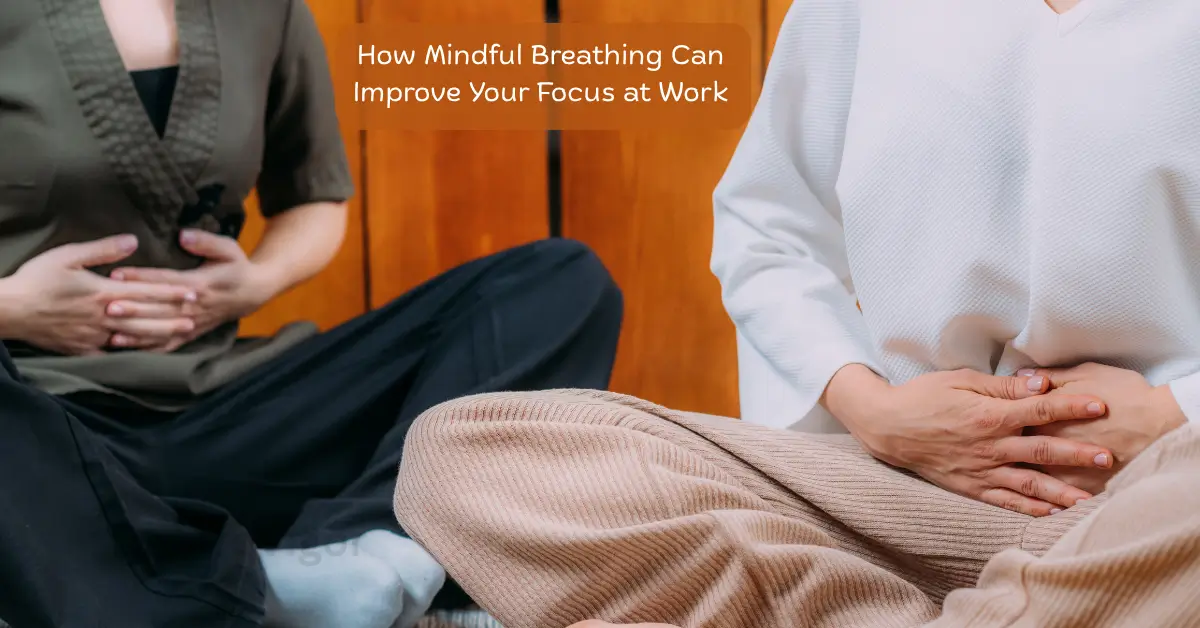
Struggling with mid-day brain fog? Discover how simple mindful breathing techniques can regulate your nervous system, sharpen your focus, and reduce workplace stress in under five minutes.
Learn the science-backed secrets to staying calm and productive throughout your busiest workdays.
How Mindful Breathing Can Improve Your Focus at Work
Modern work often feels like a constant mental tug-of-war. You sit down to finish an important task, open your laptop, and within minutes, your attention is scattered across emails, notifications, deadlines, and unfinished thoughts.
One moment you are writing a report, and the next you are checking messages, scrolling through documents, or trying to remember what you were doing five minutes ago.
If you have ever felt that your brain is running faster than your ability to control it, you are not alone. Many professionals struggle with mental overload, digital distractions, and rising workplace stress.
The result is simple but frustrating: the more we try to focus, the harder it becomes.
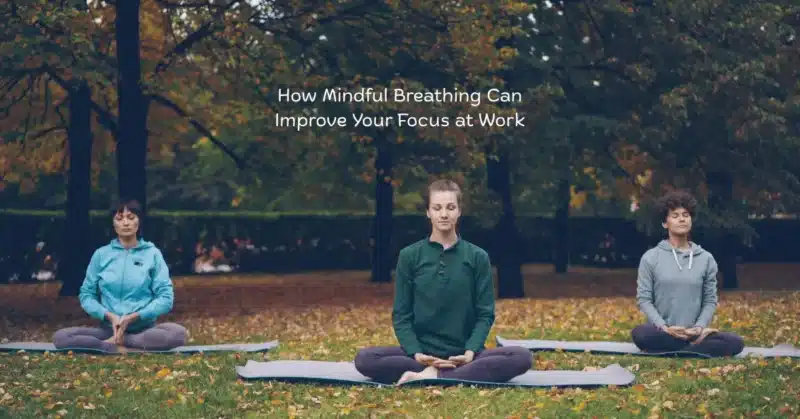
I have experienced this myself countless times. There were days when I stared at the screen, fully aware that I needed to concentrate, yet my mind kept wandering.
What surprised me most was discovering that the solution was not another productivity tool or time-management trick. It was something much simpler, mindful breathing.
One of the simplest methods to quiet the mind and return your focus to the here and now is to practice mindful breathing. It doesn’t require any specialized training, equipment, or additional time in your schedule.
You can boost your focus, reset your nervous system, and clear your mind with just a few minutes of concentrated breathing.
More workplaces are now encouraging mindfulness practices because they help employees stay focused, productive, and emotionally balanced.
When practiced consistently, mindful breathing becomes a powerful tool that supports both mental clarity and overall workplace wellbeing.
Quick Summary
Estimated Reading Time: 12–14 minutes
| What mindful breathing is | A simple mindfulness technique that focuses attention on the breath |
| Main benefit | Improves concentration by calming the nervous system |
| Workplace advantage | Reduces distractions, stress, and mental fatigue |
| Time required | Even 3–5 minutes can improve clarity and focus |
| Best moments to practice | Before meetings, during breaks, or when feeling overwhelmed |
| Long-term impact | Better productivity, emotional regulation, and mental resilience |
Why Focus Is Becoming Harder at Work
Focus used to be easier in slower work environments. Today, however, the modern workplace is filled with constant interruptions.
Emails arrive every few minutes. Messaging apps buzz throughout the day. Multiple tasks compete for attention at the same time. This constant switching between tasks forces the brain to work harder than it should.
Research in workplace productivity shows that frequent task switching can significantly reduce efficiency and increase mental fatigue.
When the brain is forced to shift attention repeatedly, it loses the deep concentration required for meaningful work.
Another factor is information overload. Workers are expected to process large amounts of information daily, including reports, presentations, messages, and data dashboards.
Over time, this leads to cognitive exhaustion, making it hard to stay focused on a single task.
Mindful breathing works as a mental reset. By slowing down the breath and directing attention inward, the brain shifts out of the stress response and enters a calmer state. In this state, concentration becomes easier and more sustainable.
What Is Mindful Breathing?
Mindful breathing is a mindfulness practice that includes paying close attention to your breath without trying to control it too much.
Normally, breathing happens automatically. Most of the time, we barely notice it. Mindful breathing changes this by bringing awareness to each inhale and exhale.
The practice is simple:
You notice the sensation of breathing in.
You notice the sensation of breathing out.
If your mind wanders, you gently return your attention to the breath.
This small shift in awareness creates a powerful effect. It slows racing thoughts, reduces stress signals in the body, and helps your brain regain focus.
Mindful breathing has deep roots in ancient meditation traditions, particularly in Buddhist mindfulness practices.
However, modern psychology and neuroscience now confirm what these traditions have taught for centuries: breathing awareness helps regulate the mind and body.
Today, mindful breathing is widely used in therapy, stress management programs, and workplace wellness initiatives.
Why Focus Matters in the Modern Workplace
Focus is not just about getting more work done. It directly influences the quality of decisions, creativity, and professional growth.
When concentration is weak, small mistakes become more common. Important details are missed. Tasks take longer than expected. Over time, this reduces confidence and increases stress.
Strong focus, on the other hand, supports what psychologists often call deep work: the ability to concentrate intensely on complex tasks without distraction. Deep work leads to higher-quality results and stronger professional performance.
Employees who maintain good focus tend to:
- Complete tasks faster
- Make fewer errors
- Think more creatively
- Manage stress more effectively.
Mindful breathing helps develop this type of focus by training the brain to return attention to the present moment.
The Science Behind Mindful Breathing and Focus
The connection between breathing and concentration is supported by growing research in neuroscience and psychology.
The autonomic nerve system, which regulates the body’s stress response, is directly impacted by breathing.
The parasympathetic nervous system, sometimes called the “rest and restore” system, is activated when breathing becomes steady and slow.
This approach decreases the heart rate, reduces stress hormones, and improves mental clarity.
Research shows that breathing practices affect brain functioning, stress levels, and cognition.
According to a recent scientific experiment, practicing mindfully was found to improve cognitive functioning and decrease stress.
Heart rate variability and attention monitoring were used to assess the effects of breathing practices, which showed positive changes in participants’ emotional states and cognitive functioning.
Furthermore, another study on workplace stress found that merely 5 minutes of mindful, controlled breathing helped lower muscle tension and boost executive functioning in participants.
Executive function was associated with mental skills such as planning, focus, and decision-making important attributes for professional success.
The prefrontal cortex, which is responsible for attention, judgment, and emotion regulation, can become more active when mindfulness is practiced, according to a brain imaging study.
There is one thing that connects these findings: breathing techniques affect the autonomic nervous system and, therefore, impact stress levels.
Specifically, the parasympathetic nerve system, also known as the “rest and digest” response, is stimulated by slow breathing.
In simple terms, mindful breathing helps shift the brain from a reactive state to a focused state.
As soon as parasympathetic activity begins, the brain switches to a resting state rather than staying alert all the time.
Moreover, oxygen supply, heart rate, and cognitive functioning are enhanced as the brain relaxes.
Better oxygen flow also supports cognitive performance. Deep, steady breathing improves oxygen delivery to the brain, helping maintain alertness and mental clarity during long work sessions.
How Mindful Breathing Improves Focus at Work
Reducing brain clutter is one of the most direct advantages of mindful breathing.
During a stressful workday, thoughts often race from one problem to another. You may worry about deadlines, unfinished tasks, or upcoming meetings. These thoughts create internal noise, making it difficult to concentrate.
Mindful breathing gently interrupts this pattern.
By focusing attention on the breath, the mind receives a clear anchor. This anchor prevents thoughts from spiraling and helps restore mental balance.
Over time, regular breathing practice strengthens your attention span. You become better at noticing when your focus drifts and bringing it back to the task at hand.
Many professionals notice improvements such as:
- clearer thinking
- longer attention spans
- improved task completion
- more stable productivity throughout the day
Psychological Benefits of Mindful Breathing
Workplace stress often builds silently. Tight deadlines, performance pressure, and constant communication demands can gradually increase anxiety levels.
Mindful breathing helps regulate emotional responses before stress becomes overwhelming.
When you pause to breathe consciously, the body begins to relax. This relaxation reduces emotional reactivity, allowing you to respond thoughtfully rather than react impulsively.
Over time, this leads to better emotional control in challenging workplace situations.
Mindful breathing also encourages patience. When the mind becomes calmer, interactions with colleagues improve. Conversations feel less rushed, and disagreements become easier to manage.
Another important benefit is burnout prevention. Short breathing breaks throughout the day give the brain time to reset, preventing the mental exhaustion that often develops during long work hours.
Physical Benefits That Support Better Focus
Focus is not only a mental process. Physical tension and fatigue also affect concentration.
Long hours at a desk can lead to shallow breathing, tight shoulders, and reduced oxygen intake. These physical changes make it harder for the brain to stay alert.
Mindful breathing helps reverse these effects.
Deep breathing relaxes muscles, improves circulation, and increases oxygen supply to the brain. As the body relaxes, mental clarity improves.
Many people also notice that breathing exercises increase their energy levels. Instead of reaching for another cup of coffee, a few minutes of mindful breathing can naturally restore alertness.
Simple Mindful Breathing Techniques for Work
Mindful breathing does not require long meditation sessions. Short techniques can easily fit into a busy workday.
Box Breathing
Athletes and professionals who need to focus calmly frequently employ box breathing.
The method follows a simple rhythm:
- Inhale for four seconds
- hold for four seconds
- exhale for four seconds
- hold again for four seconds
Repeating this pattern for a few minutes can quickly calm the mind and improve concentration.
Deep Belly Breathing
Place one hand on your abdomen and inhale slowly, allowing your belly to expand. Then exhale slowly.
This technique activates the body’s relaxation response and helps release tension.
Five-Minute Desk Breathing
Close your eyes for a moment and focus only on your breath. You will notice the sensation of air entering and leaving your body.
If thoughts arise, gently return your attention to your breath.
Even five minutes can significantly refresh your mental state.
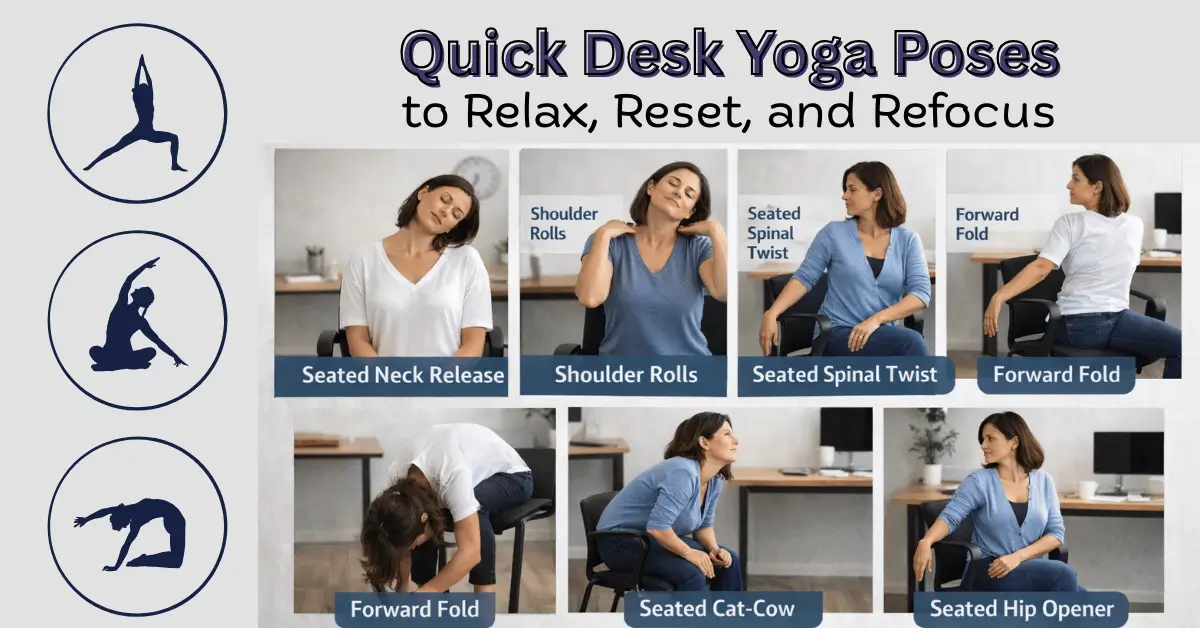
Step-by-Step Guide to Practicing Mindful Breathing at Work
Practicing mindful breathing at work does not require a special environment. You simply need a quiet moment and a willingness to pause.
- Start by sitting comfortably in your chair. Keep your back straight but relaxed. Rest your hands on your lap or desk.
- Close your eyes if possible, or soften your gaze toward the desk.
- Take a slow breath in through your nose. Notice the air filling your lungs.
- Then slowly breathe out.
- Continue this pattern for a few minutes while keeping your attention on the breath.
Your mind will wander. That is completely normal. When it happens, simply bring your focus back to breathing.
This becomes easier and more natural with practice.
Benefits of Mindful Breathing at Work
Mindful breathing provides several meaningful advantages for professionals.
• Improves concentration and mental clarity
• Reduces stress and anxiety levels
• Supports emotional stability
• Enhances productivity and decision-making
• Helps prevent burnout
• Encourages healthier breathing patterns
These benefits accumulate over time, making mindful breathing one of the simplest yet most powerful productivity habits.
Challenges When Practicing Mindful Breathing
While mindful breathing is simple, some people find it difficult at first.
One common challenge is expecting immediate results. The mind may still feel restless during the first few sessions. This is normal because the brain is used to constant stimulation.
Another challenge is inconsistency. Practicing only occasionally makes it harder to develop lasting benefits.
Some people also try too hard to control their breathing. Mindful breathing works best when the breath flows naturally.
Recognizing these challenges helps maintain realistic expectations and encourages steady practice.
Practical Checklist for Daily Mindful Breathing
A simple routine makes mindful breathing easier to maintain.
Daily Mindful Breathing Checklist
- Pause for 3 minutes before starting work.
- Practice breathing before important meetings.
- Take one breathing break during lunch.
- Reset your mind with breathing between tasks.
- Practice again before finishing the workday.
Small pauses like these can significantly improve mental clarity and reduce stress.
Tools That Can Help Practice Mindful Breathing
Technology can support mindfulness when used intentionally.
Many guided meditation apps provide breathing exercises and reminders. Smartwatches also offer breathing notifications that encourage short, mindful breaks during the day.
Simple timers or quiet reminders can also help build a regular breathing habit.
The key is consistency rather than complexity.
Recap
A straightforward but effective technique that promotes concentration, emotional equilibrium, and productivity at work is mindful breathing.
It enhances attention span, lessens mental clutter, and calms the nervous system. The mind can be reset and clarity restored with just a few minutes of breathing awareness.
This tiny practice can eventually have a significant impact on how you work, think, and handle day-to-day difficulties.
FAQs
Q. How does the 4-7-8 breathing trick work?
The 4-7-8 breathing technique calms your nervous system and slows your breathing. You take a quiet 4-second breath via your nose, hold it for 7 seconds, and then gently release it through your mouth for 8 seconds.
This pattern aids in the body’s transition out of a stress response and promotes deeper oxygen exchange.
It is often used to promote mental relaxation, reduce anxiety, and enhance sleep. It can also enhance concentration during demanding workdays with consistent practice.
Q. Can breathing exercises reduce cortisol?
Indeed, consistent use of breathing exercises can help reduce cortisol levels. Cortisol is the hormone your body releases during stress, and slow, controlled breathing signals the brain that it is safe to relax.
This triggers the parasympathetic nervous system, which lowers stress chemicals and calms the body. Breathing can greatly promote emotional equilibrium, but it is not a treatment for long-term stress. Regular breathing exercises may eventually improve your body’s ability to handle pressure.
Q. How to improve mindfulness at work?
Improving mindfulness at work starts with small moments of awareness throughout the day.
Instead of rushing from task to task, pause briefly and notice what you are doing, thinking, or feeling. Simple habits like mindful breathing, focusing on one task at a time, and taking short mental breaks can make a big difference.
I’ve found that even a few minutes of quiet breathing between tasks helps reset my attention. Over time, these small pauses build a stronger habit of presence and focus.
Q. What are the 10 warning signs of high cortisol?
High cortisol often manifests as both physical and emotional symptoms. Some common warning signs include constant fatigue, difficulty sleeping, increased belly fat, headaches, irritability, and frequent anxiety.
People may also notice sugar cravings, weakened immunity, trouble concentrating, and unexplained weight changes.
These symptoms usually appear when the body remains in a prolonged state of stress. If several of these signs persist for a long time, it may be helpful to review lifestyle habits or consult a health professional.
Q. Does 4-7-8 breathing lower cortisol?
The 4-7-8 breathing method can help lower cortisol indirectly by calming the body’s stress response. When you slow down your breathing and extend the exhale, your nervous system begins to relax.
This relaxation reduces the signals that trigger cortisol release. Many people notice they feel calmer and more mentally clear after practicing it. While it works best when practiced consistently, even a few rounds of 4-7-8 breathing can help ease immediate stress.
Q. What is the 3-3-3 rule in mindfulness?
The 3-3-3 rule is a simple grounding exercise used to bring your attention back to the present moment. You start by noticing three things you can see around you. Then you identify three sounds you can hear.
Finally, you move or stretch three parts of your body, such as your fingers or shoulders. This technique helps interrupt anxious thoughts and reconnect your mind with the environment around you. It is especially useful during moments of stress or mental overwhelm.
Q. What are the 5 C’s of mindfulness?
The five C’s of mindfulness describe qualities that help people practice awareness more effectively. These include curiosity, compassion, calmness, clarity, and courage.
Curiosity encourages you to observe your thoughts without judgment, while compassion helps you treat yourself with kindness.
Calmness and clarity support mental balance and a better understanding of your emotions. Courage allows you to face uncomfortable feelings rather than avoid them. Together, these qualities create a healthier and more mindful approach to daily life.
Q. Which seven pillars make up mindfulness?
The seven pillars of mindfulness, drawn from traditional mindfulness teachings, describe attitudes that support mindful living. They include non-judging, patience, beginner’s mind, trust, non-striving, acceptance, and letting go.
These principles encourage people to observe their experiences without rushing to change or criticize them. Practicing these attitudes helps develop deeper awareness and emotional balance.
Over time, they create a more peaceful relationship with thoughts, feelings, and everyday challenges.
Conclusion
In a world filled with distractions and constant pressure, improving focus does not always require complicated solutions. Sometimes the most effective tools are the simplest ones.
Mindful breathing reminds us to pause, reset, and reconnect with the present moment. By slowing down the breath, we slow down the mind, allowing clarity and concentration to return naturally.
Small breathing pauses throughout the day may seem insignificant, yet they can have meaningful effects on mental performance and emotional wellbeing.
When practiced consistently, mindful breathing becomes more than a technique. It becomes a quiet habit that supports a calmer, more focused workday.
What about you?
Have you ever tried mindful breathing at work?
Share your experience or thoughts in the comments, your insights might help someone else discover a better way to stay focused.
Read more Health and Wellness articles.
You might like: