
Unlock personal and professional growth by mastering financial skills. Discover why financial literacy and planning are crucial for success and stability.
Financial skills are more than just numbers and spreadsheets. They are essential tools for navigating life’s financial landscape.
Understanding these skills can transform your personal and professional life. They empower you to make informed financial decisions.
Financial literacy is the foundation of effective financial planning. It helps you set and achieve long-term financial goals.
In today’s fast-paced world, financial skills are crucial. They reduce financial stress and enhance personal growth.

Professionally, these skills open doors to career advancement. Employers value employees who understand financial management.
Budgeting, investing, and saving are key components of financial literacy. Mastering them leads to economic stability and security.
Financial education should start early. It prepares individuals for real-world financial challenges.
Developing financial skills is a lifelong journey. It requires continuous learning and adaptation to economic changes.
Understanding Financial Skills: The Foundation of Growth
Financial skills form the backbone of personal and professional development. They equip you to handle money wisely and make sound decisions.
These skills encompass a range of knowledge areas. From budgeting to understanding credit, each aspect is vital for financial health.
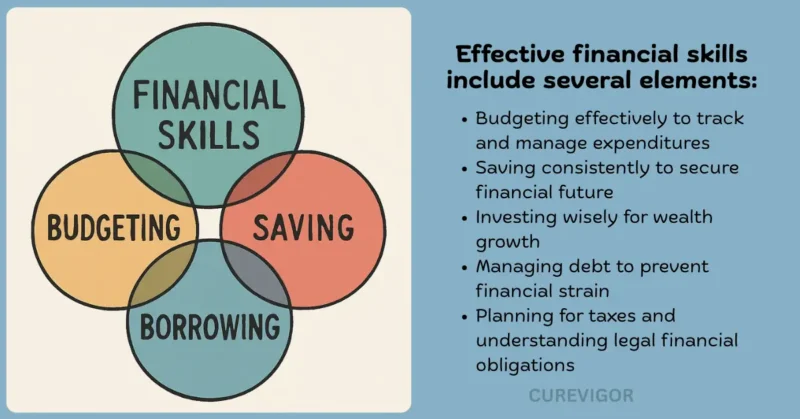
Effective financial skills include several elements:
- Budgeting effectively to track and manage expenditures.
- Saving consistently to secure a financial future
- Investing wisely for wealth growth
- Managing debt to prevent financial strain
- Planning for taxes and understanding legal financial obligations
Budgeting helps you track where your money goes each month. It allows for better planning and highlights areas where you can save.
Understanding investments unlocks opportunities to grow your wealth. These skills help you make informed choices that align with your financial goals.
Managing debt is another crucial component. It involves understanding interest rates and How loans work to avoid unnecessary financial burdens.
Developing these skills lays the groundwork for achieving financial goals. Proper management leads to improved stability and less stress.
In essence, solid financial skills empower you to navigate life’s financial complexities with confidence. They drive both personal and professional growth, creating a foundation for success.
The Role of Financial Literacy in Everyday Life
Financial literacy is a crucial life skill that impacts every aspect of daily life. It is more than just managing money; it’s about making informed choices.
Understanding financial concepts empowers you to take control of your financial future. It involves a broad scope of knowledge critical for day-to-day decisions.
Here are key areas where financial literacy plays a role:
- Making wise purchasing decisions and understanding value
- Evaluating the cost and benefit of credit and loans
- Recognizing the importance of saving and forming a safety net
- Planning expenditures to avoid living paycheck to paycheck
- Understanding financial products and services to avoid fraud
Making informed purchasing decisions reduces unnecessary expenses. It helps distinguish between wants and needs.
Understanding credit enables smarter borrowing. Knowing the ins and outs of loans can prevent long-term financial issues.
Saving is fundamental. It ensures you have a financial cushion for emergencies and future plans.
Financial literacy extends to understanding and choosing the right financial services. This understanding protects you from fraud and helps in making efficient financial transactions.
In summary, financial literacy is an indispensable tool for navigating everyday life. Mastering it leads to better decision-making and improved financial well-being.
Personal Growth Through Financial Planning and Management
Financial planning is a cornerstone of personal growth. It involves setting financial goals and creating strategies to achieve them. Good planning turns vague dreams into actionable objectives.
Managing your finances efficiently can lead to significant personal development. It instils discipline, encourages foresight, and nurtures responsibility.
Consider these benefits of effective financial planning:
- Reduce Stress: Planning helps alleviate financial anxiety and promote peace of mind.
- Goal Achievement: Allows for setting and reaching personal and financial milestones.
- Better Resource Allocation: Ensures funds are spent in line with priorities.
- Debt Management: Helps reduce and avoid unnecessary debt.
- Future Security: Supports building a robust financial foundation for the future.
Financial planning helps you allocate resources effectively. This ensures spending aligns with values and priorities, enhancing fulfilment.
With a clear financial plan, you make better choices, reducing stress. It provides a roadmap that brings clarity, lessening financial uncertainties.
Debt management is another vital aspect of financial planning. Being proactive can help reduce existing debt and avoid accruing new debt.
Planning for the future is integral to financial management. It includes establishing retirement savings and investments that secure your long-term financial security.
In conclusion, personal growth is closely tied to financial management. The skills and habits developed are essential for achieving long-lasting stability and success. Through financial planning, individuals can build a confident, secure future.
Professional Advancement: How Financial Skills Boost Your Career
Financial skills are invaluable assets in the workplace. They enhance your ability to make informed decisions. This capability is essential for career growth and advancement.
In many professions, understanding financial principles is crucial. It allows you to contribute meaningfully to organizational success. Knowledge in budgeting and financial analysis sets you apart.
Employers seek employees who possess strong financial acumen. They value those who can manage budgets, forecast financial outcomes, and contribute to company profits. Mastering financial skills can lead to promotions and greater responsibilities.
Here are ways financial skills impact your career:
- Increased Opportunities: Opens doors to roles requiring financial expertise.
- Enhanced Decision-Making: Improves strategic thinking and evaluation skills.
- Leadership Development: Builds confidence in leading financial discussions.
- Recognition and Rewards: Leads to accolades and salary increases.
- Risk Management: Equips you to identify and mitigate potential financial risks.
Financial planning at work often involves optimizing resources. This skill ensures efficient allocation, maximizing productivity and profitability. It’s a sought-after skill in managerial roles.
Financial literacy also plays a role in salary negotiations. With a sound understanding of financial principles, you can negotiate compensation packages effectively.
In conclusion, enhancing your financial skills boosts career prospects. It makes you an invaluable asset, fostering professional growth and career satisfaction. Investing in financial knowledge is a wise step toward career advancement.
Key Components of Financial Skills Everyone Should Master
Mastering financial skills is essential for personal and professional success. These skills help navigate the complexities of money management. They form the bedrock of financial stability and growth.
Understanding key financial concepts is vital. These include budgeting, saving, and investing. Such knowledge helps make informed financial decisions and avoid debt.
Here are several critical components of financial skills:
- Budgeting: The process of creating a plan to spend your money.
- Saving: Setting aside money for future needs or emergencies.
- Investing: Allocating resources with the expectation of generating profit.
- Debt Management: Strategies to handle borrowing effectively and avoid financial strain.
- Financial Planning: Setting financial goals and creating strategies to achieve them.
Financial planning is an ongoing process. It requires setting objectives and consistently monitoring progress. This foresight helps in preparing for future needs, such as retirement.
Another crucial component is understanding credit. Knowing how credit scores work affects your ability to secure loans. It’s a fundamental aspect of personal finance.
Incorporating these skills leads to financial empowerment. They enhance one’s ability to manage money wisely and make smarter financial decisions.
This knowledge fosters resilience and adaptability in the face of economic changes. Master these components to ensure your financial well-being and security.
The Impact of Financial Skills on Economic Stability and Security
Financial skills play a crucial role in enhancing economic stability. They equip individuals to manage resources effectively. This leads to long-term financial security and peace of mind.
The broader economy also benefits from financially literate individuals. They make informed purchasing decisions.
This drives economic growth by increasing demand for goods and services. Their prudent financial habits, such as saving and investing, contribute to the overall economic health.
Key ways financial skills boost economic stability include:
- Reduced Financial Stress: Better money management reduces anxiety associated with financial uncertainties.
- Improved Financial Decision-Making: Informed choices lead to more secure financial futures.
- Effective Debt Management: Reduces default rates and financial chaos.
- Higher Savings Rates: Strengthens personal and national economic resilience.
Financial literacy is essential for navigating economic downturns. Individuals with sound financial skills are better prepared for unexpected changes. They remain flexible and resilient in volatile markets.
Economic stability depends on individuals mastering financial skills. This not only ensures personal security but also contributes to a stable economy.
By empowering themselves with these skills, individuals can actively support economic growth and security.
Overcoming Common Barriers to Financial Literacy
Despite its importance, financial literacy often faces obstacles. Many people lack access to reliable education sources. This creates a gap in understanding essential financial concepts.
Common barriers to financial literacy include:
- Lack of Education: Many schools do not offer comprehensive financial education programs.
- Complex Terminology: Financial jargon can be intimidating and difficult to comprehend.
- Limited Access to Resources: Not everyone has access to financial advisors or educational tools.
- Cultural Attitudes: Money is sometimes considered a taboo subject, leading to a lack of discussion.
Addressing these barriers requires deliberate efforts. Education systems should incorporate financial literacy programs early on. Simplifying financial information makes it more accessible to everyone.
Online platforms provide a wealth of resources. These include free courses, apps, and webinars aimed at enhancing financial skills. By embracing these tools, individuals can take charge of their financial education.
Breaking down these barriers is essential for widespread financial literacy. It empowers individuals to make informed financial decisions confidently.
Practical Steps to Develop and Strengthen Financial Skills
Improving your financial skills requires dedication and strategic planning. Start by setting clear financial goals. Having specific aims helps guide your learning process and keeps you motivated.
Familiarize yourself with financial terminology. Understanding basic concepts like budgeting, investing, and saving is crucial. This knowledge forms the foundation for more complex financial decisions.
Engage with educational resources. Explore books, online courses, and workshops tailored to different financial topics. Many resources are free or low-cost, making them accessible to all.
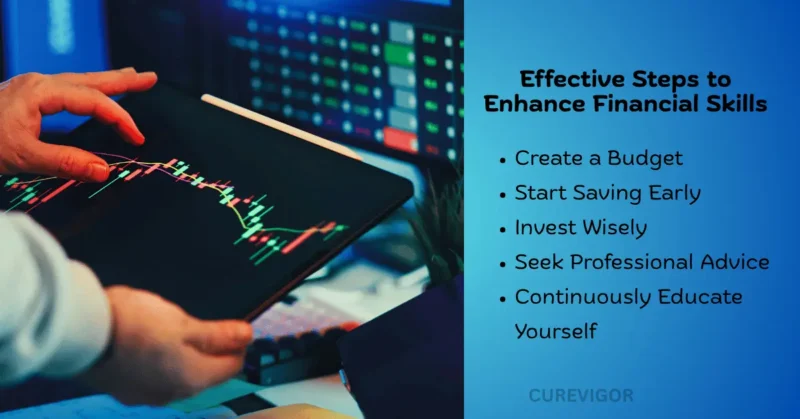
Here are some effective steps to enhance your financial skills:
- Create a Budget: Track your income and expenses to understand your financial habits.
- Start Saving Early: Build an emergency fund to cover unexpected expenses.
- Invest Wisely: Learn about various investment options and their associated risks.
- Seek Professional Advice: Consult a financial advisor if possible.
- Continuously Educate Yourself: Stay up to date on financial news and trends.
Networking with financially savvy individuals can also be beneficial. Engaging in conversations about money management can provide new insights and strategies. Additionally, consider joining online financial literacy groups or forums.
Finally, practice makes perfect. Apply what you learn in real-life situations. This experience will solidify your knowledge and build confidence.
With time and persistence, your financial skills will significantly improve, enabling better personal and professional growth.
The Lifelong Journey: Adapting Financial Skills to Changing Needs
Financial skills are not static; they evolve over time. As life circumstances change, so do financial needs and priorities. Being adaptable is key to maintaining financial health.
Adapting your financial skills means staying informed about economic trends. For instance, understanding inflation or interest rates can affect your personal financial strategy.
Keeping up with these changes ensures your financial plans remain effective.
Lifelong learning in financial literacy is crucial. It involves regularly updating your knowledge and skills to meet new challenges.
Whether it’s planning for retirement or buying a home, different life stages require different financial approaches.
Consider these ways to keep your financial skills sharp:
- Stay Informed: Read financial news and follow reputable sources.
- Continual Learning: Enroll in workshops or online courses regularly.
- Revise Plans: Regularly revisit and adjust your financial plans.
- Seek Feedback: Discuss with peers or mentors to gain new insights.
By embracing this lifelong journey, you ensure that your financial skills grow with you. This adaptability leads to sustained personal and professional growth, helping you achieve your long-term goals.
FAQs
Q. Why are financial skills important?
Because money touches everything. Financial skills turn stress into control, letting you handle emergencies, avoid debt traps, and actually afford the life you want, not just dream about it.
Q. How can financial literacy impact your future personal and professional decisions?
It transforms fear into freedom. Personally, you will sleep better without debt. Professionally, you can take smart career risks, negotiate better, or start a business because you have a safety net underneath you.
Q. What is the significance of personal finance and personal financial planning?
It is the difference between drifting and driving. By giving every dollar a purpose, planning allows you to stop wondering where your money is going and start directing it toward specific goals, transforming careless spending into meaningful living.
Q. What is the role of financial literacy in personal and professional success?
It is the hidden engine behind both. At home, it brings peace of mind. At work, it buys confidence. You stop making decisions out of panic and start making them from a place of power and options.
Q. How does financial literacy help in personal development and growth?
It clears the mental clutter. When you are not constantly worried about bills, your brain frees up energy for creativity, learning, and relationships. Financial peace is the foundation for every other growth habit.
Q. What are the 7 principles of financial literacy?
Earn, save, spend wisely, budget, invest, protect, and borrow smart. Master these seven, and you stop reacting to money and start directing it, which is the difference between getting by and getting ahead.
Conclusion: Empowering Your Future with Financial Skills
Mastering financial skills is a powerful tool for both personal and professional growth. These skills help secure financial stability and reduce stress, contributing to a more balanced life.
By understanding how to manage, plan, and invest your money wisely, you can create pathways to long-term success.
Financial literacy is not just about numbers; it’s about making informed choices. These choices align with your values and goals. This empowerment gives you confidence to navigate the financial aspects of life more effectively.
Strong financial skills can enhance decision-making, allowing you to seize opportunities and avoid pitfalls.
In a rapidly changing world, ongoing education in financial matters is essential. As your skills evolve, so will your capacity to adapt to new challenges.
This journey in financial literacy is lifelong and rewarding, leading to a more secure and prosperous future. Empower yourself with knowledge, and the benefits will follow.
Read more articles on Health and Wellness Tips.
You might like to read: