Learn the 5 health risks of tattoos, including infections, allergies, scarring, and skin reactions, plus simple ways to reduce your risk.
A tattoo may be a beautiful form of self-expression, but it is still a procedure that breaks your skin and introduces pigment into your body. Understanding the health risks of tattoos before you get inked can help you protect your skin and avoid preventable complications.
From infections and allergic reactions to keloid scars and unexpected skin problems, knowing what can go wrong and how to reduce the risk helps you make a safer, more informed choice.
Read time: About 10–12 minutes
Quick Summary
- Tattoos break the skin, so infection is one of the most important risks to understand.
- Tattoo ink can cause allergic reactions, sometimes immediately and sometimes years later.
- People prone to keloids may develop raised scars after skin injury, including tattooing.
- Tattoos can trigger certain inflammatory skin conditions in or around the tattoo.
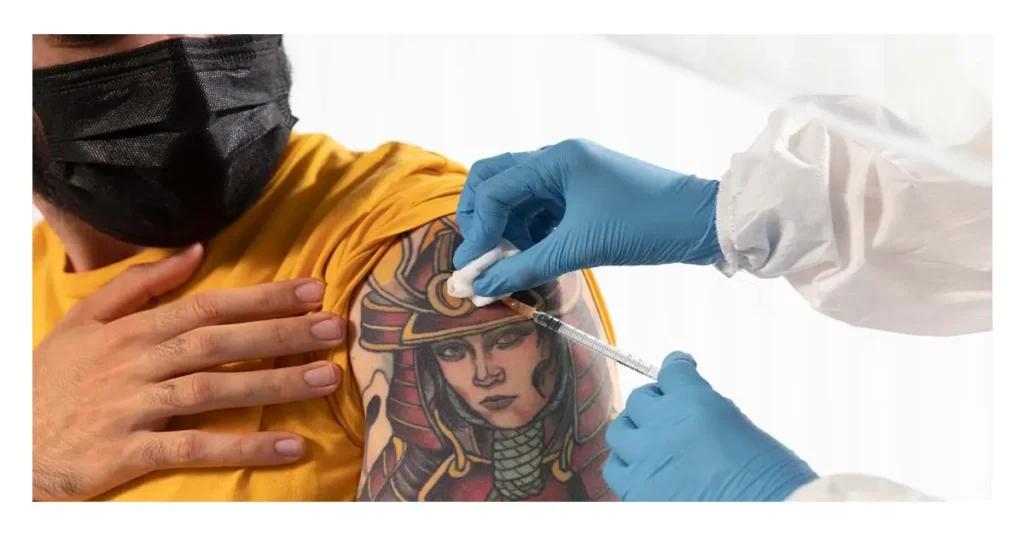
- Rarely, tattooed skin can swell, burn, or become irritated during an MRI.
- Choosing a hygienic studio, asking about ink and equipment, following aftercare instructions, and knowing warning signs can reduce your risk.
- A tattoo that looks mildly red and sore at first can be healing normally, but worsening pain, spreading redness, pus, fever, or chills need medical attention.
Getting a tattoo may feel like a simple beauty or self-expression choice, but the procedure permanently places pigment into the skin using needles. That means the skin barrier is deliberately broken, creating opportunities for infection, allergic reactions, scarring, and other complications.
The good news is that understanding the health risks of tattoos can help you make safer decisions before, during, and after getting inked.
Are Tattoos Safe?
For many people, tattooing does not cause serious health problems. However, no tattoo procedure is completely risk-free.
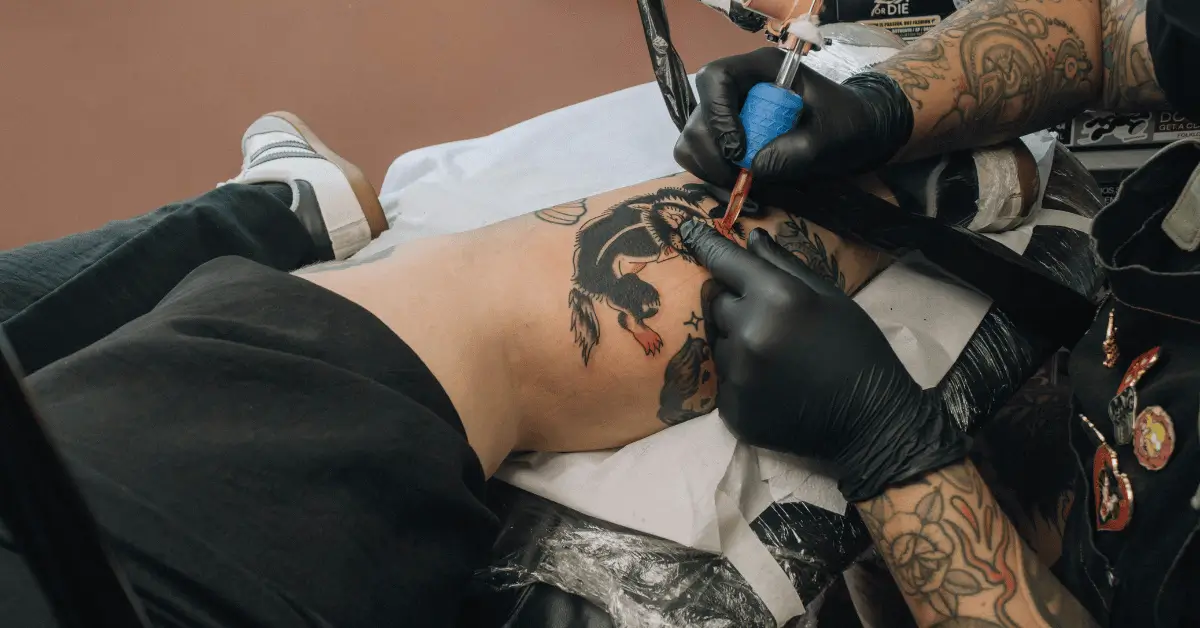
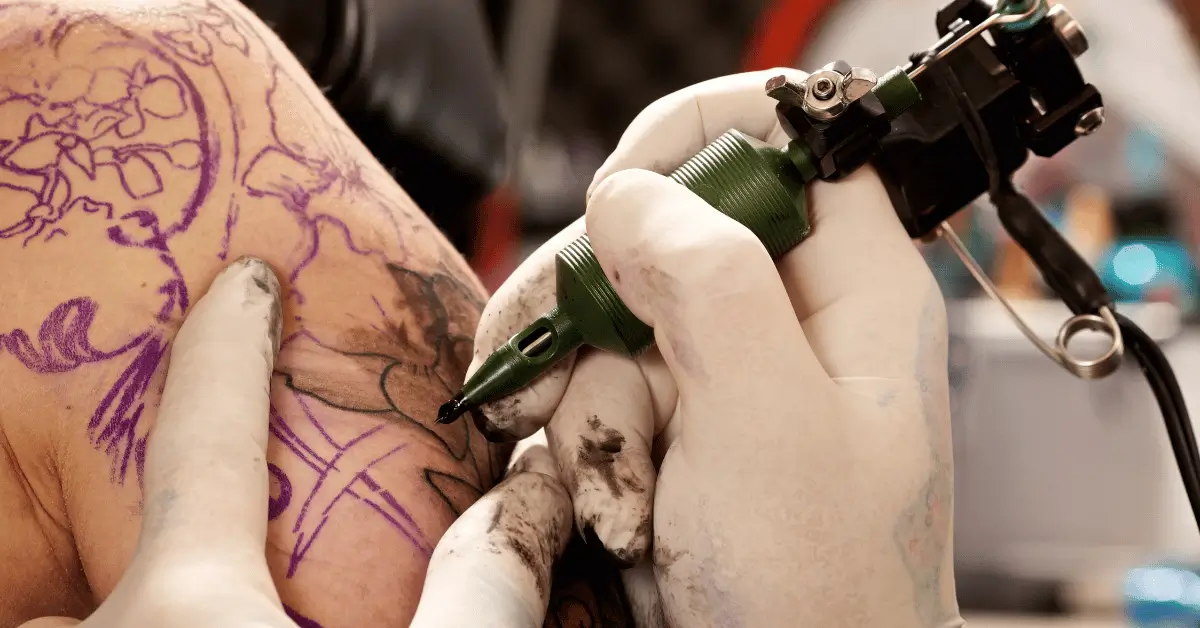
A tattoo involves repeated needle punctures that place pigment into the skin. Because the skin barrier is broken, microorganisms can potentially enter the body. Tattoo inks themselves can also become contaminated, even when a container appears sealed.
The FDA has received reports of infections and allergic reactions associated with tattoos and has also identified contaminated tattoo inks.
This does not mean you need to avoid tattoos altogether.
It means you should approach tattooing like any procedure that breaks the skin: choose carefully, understand the risks, and take aftercare seriously.
5 Health Risks of Tattoos
1. Tattoo Infections
Infection is one of the most important health risks of tattoos because tattooing creates an opening in the skin.
Bacteria can enter through contaminated needles, equipment, surfaces, hands, water, or ink.
Importantly, the problem is not always the tattoo artist’s technique. The FDA notes that tattoo inks themselves can be contaminated with bacteria, mold, or other microorganisms, including contamination found in sealed containers.
Some infections can be serious and may require prolonged medical treatment.
What Does a Tattoo Infection Look Like?
Some redness, swelling, soreness, itching, clear fluid, flaking, and scabbing can occur during normal healing.
The concern is when symptoms worsen instead of improving.
Possible warning signs include:
- Redness that spreads or becomes darker.
- Increasing pain.
- Pus or other concerning discharge.
- Painful or itchy bumps.
- Open sores.
- Fever.
- Chills or shivering.
- Increasing swelling.
The American Academy of Dermatology recommends seeking medical care if you develop signs or symptoms of an infection.
How to Reduce Your Risk
Before getting tattooed:
- Choose a reputable, properly regulated studio where applicable.
- Ask how the artist sterilizes equipment.
- Make sure needles and other single-use items are opened appropriately.
- Ask how tattoo ink is handled.
- Avoid studios that appear dirty or poorly maintained.
- Do not get tattooed using questionable DIY equipment.
- Follow the artist’s aftercare instructions.
The FDA warns that do-it-yourself tattoo inks and kits have been linked to infections and allergic reactions.
2. Allergic Reactions to Tattoo Ink
Your immune system can react to tattoo pigment.
An allergic reaction may appear soon after tattooing, but it can also develop much later. The American Academy of Dermatology notes that tattoo-related allergic reactions can occur immediately or years after the tattoo was created.
This creates a frustrating problem: the tattoo may have looked completely fine for years before the reaction appeared.
Signs of a Tattoo Ink Allergy
Possible symptoms include:
- Itching.
- Redness.
- Swelling.
- Raised or scaly patches.
- Small bumps.
- Blisters.
- Deep lumps.
- Crusting or flaking.
- Watery fluid from the affected area.
The reaction may affect one particular ink color rather than the entire tattoo. Red pigment is often reported in allergic reactions, but any color can potentially cause a reaction.
Why Are Tattoo Allergies Difficult to Treat?
Tattoo pigment is deliberately placed inside the skin.
That means you cannot simply wash it away if your body reacts to it.
The FDA notes that allergic reactions can be particularly troublesome because the pigments are difficult to remove and that reactions can occasionally develop years after tattooing.
How to Reduce Your Risk
Tell your tattoo artist if you have had significant reactions to cosmetics, dyes, or other skin products.
If you have a history of serious allergies or unusual skin reactions, discuss the risks with a healthcare professional before getting tattooed.
Don’t assume a small tattoo means you won’t react.
If you develop a persistent rash after tattooing, speak with a healthcare professional or dermatologist.
3. Keloids, Scarring, and Granulomas
Tattoos intentionally injure the skin.
For most people, the skin heals without excessive scar formation. But some people are prone to keloids, which are raised scars that extend beyond the original area of skin injury.
The American Academy of Dermatology lists tattoos among the types of skin injuries that can trigger keloids in people who are susceptible.
The FDA also identifies keloid formation and granulomas as possible complications of tattooing.
What Is a Granuloma?
A granuloma is a small group or nodule of inflammatory cells that can form when the body reacts to a foreign substance.
With tattoos, granulomas can develop around tattoo pigment.
Who Should Be Especially Careful?
If you have previously developed keloids after cuts, surgery, piercings, burns, or other skin injuries, getting a tattoo may carry a greater risk of unwanted scar formation.
The AAD states that the best way to prevent a keloid is to avoid procedures that can trigger one, including body art procedures.
How to Reduce Your Risk
Before getting a tattoo, think about your personal history.
Ask yourself:
Have I ever had a scar that became much larger, thicker, or raised beyond the original wound?
If yes, talk with a dermatologist before getting tattooed.
The AAD notes that people concerned about keloids may discuss options such as a small test spot with a dermatologist, although avoiding the procedure remains the most reliable prevention strategy.
4. Inflammatory Skin Reactions
A tattoo can sometimes trigger or reveal skin conditions in or around the tattooed area.
The American Academy of Dermatology notes that conditions such as psoriasis, eczema, vitiligo, lichen planus, sarcoidosis, and other skin problems may appear in or around tattoos.
This is one reason not every unusual tattoo reaction should automatically be treated as an infection.
A rash could represent:
- An infection.
- An allergic reaction.
- Irritation.
- An inflammatory skin condition.
- A scar-related reaction.
Because these problems can look similar, self-diagnosing from a photograph may be unreliable.
What Can You Do?
If you have an existing skin condition, tell your healthcare professional before getting tattooed.
Avoid tattooing directly over a skin problem unless a qualified healthcare professional says it is appropriate.
If a tattoo develops persistent bumps, scaling, unusual discoloration, or a rash that doesn’t resolve, schedule a dermatology evaluation.
Do Not Ignore Changes Years Later
A common misconception is that if a tattoo has healed, it can never cause another problem.
That is not necessarily true.
Some tattoo reactions can appear months or years after tattooing.
A new persistent change deserves attention even if the tattoo itself is old.
5. Rare MRI-Related Reactions
This risk surprises many people.
In rare cases, people with tattoos or permanent makeup have experienced swelling, burning, or irritation in tattooed areas during an MRI.
The FDA says these reactions appear to be uncommon and generally do not have lasting effects, but people should tell the MRI team about their tattoos before the scan.
Should You Avoid an MRI If You Have Tattoos?
No.
Having a tattoo does not normally mean you cannot have an MRI.
Instead, tell the MRI technologist or radiologist that you have tattoos or permanent makeup.
If you feel burning or stinging in a tattooed area during the scan, tell the MRI staff immediately.
The FDA specifically advises patients to disclose tattoos before MRI examinations.
How to Reduce the Health Risks of Tattoos
You cannot eliminate every possible complication, but you can make several choices that reduce preventable risks.
Choose the Tattoo Studio Carefully
Before booking an appointment, look around the studio.
It should appear clean and professionally maintained.
Ask questions such as
- Are needles single-use?
- How is reusable equipment sterilized?
- How are inks handled?
- Are disposable gloves changed appropriately?
- How are work surfaces cleaned?
- What aftercare instructions will you provide?
A professional artist should not be offended by reasonable safety questions.
Do Not Choose Based Only on Price
A very cheap tattoo may look like a bargain until you consider the possible cost of treating an infection, allergic reaction, or scar complication.
Safety should be part of your decision, not an afterthought.
Ask About the Ink
Ink safety matters because contamination can occur before the ink even reaches the studio.
The FDA has identified contaminated tattoo inks and continues to monitor reports and safety problems involving tattoo products.
Ask the artist what brand and colors they use.
If you develop a reaction later, having the ink brand, color, and lot or batch information can help a healthcare professional investigate the problem. The FDA recommends consumers keep this information when possible.
Never Assume “Sealed” Means Risk-Free
A sealed container does not guarantee that tattoo ink is free from microorganisms.
The FDA has reported that even unopened and sealed tattoo inks can harbor bacteria and other microorganisms.
That is why studio hygiene, ink handling, and manufacturer quality all matter.
Tattoo Aftercare: Protect the Healing Skin
Once the tattoo is finished, your responsibility does not end.
Your artist should give you aftercare instructions suited to the tattoo and products used.
In general, avoid touching a fresh tattoo with unclean hands, and follow the cleaning and moisturizing instructions your professional provides.
Do not pick at scabs or scratch aggressively.
Avoid activities that could unnecessarily irritate the healing skin.
Also protect healed tattoos from excessive sun exposure. Dermatologists recommend broad-spectrum, water-resistant sunscreen with SPF 30 or higher for exposed tattooed skin, along with shade and protective clothing.
Remember that sunscreen is for healed skin. Follow your tattoo professional’s specific instructions for protecting a fresh tattoo.
Normal Healing vs. Warning Signs
Knowing the difference can prevent unnecessary panic while helping you recognize genuine problems.
| Possible normal healing | Possible warning signs |
|---|---|
| Mild redness | Redness that spreads or worsens |
| Some tenderness | Increasing or severe pain |
| Mild swelling | Increasing swelling |
| Clear fluid | Pus or concerning discharge |
| Itching as skin heals | Painful, worsening rash |
| Flaking or scabbing | Open sores |
| Gradual improvement | Symptoms getting worse |
| Feeling generally well | Fever or chills |
A new tattoo can look irritated because the skin has been injured.
The key question is
Is it gradually improving, or is it getting worse?
If symptoms are worsening or you develop fever, chills, pus, spreading redness, or significant pain, seek medical advice.
Common Tattoo Safety Mistakes
Getting Tattooed in an Unhygienic Setting
A beautiful design cannot compensate for poor hygiene.
If the environment looks dirty or the artist cannot clearly explain their hygiene practices, consider walking away.
Doing a DIY Tattoo
DIY tattoo kits may seem convenient, but the FDA has associated DIY tattoo inks and kits with infections and allergic reactions.
Professional tattooing offers better opportunities for controlled hygiene and proper technique.
Ignoring a Persistent Rash
Do not assume every rash is part of normal healing.
If symptoms persist, worsen, or concern you, get medical advice.
Forgetting to Mention Your Tattoo Before an MRI
Tell the MRI team.
This simple step helps them monitor you appropriately.
Ignoring Your Personal Scarring History
If you know you develop keloids, don’t treat tattooing as an ordinary skin procedure.
Talk to a dermatologist first.
When Should You See a Doctor?
Contact a healthcare professional if your tattoo develops signs that suggest infection or another significant reaction.
Seek medical attention for symptoms such as:
- Spreading redness.
- Increasing pain.
- Pus.
- Significant swelling.
- Fever.
- Chills.
- Persistent or worsening rash.
- Deep lumps.
- Severe skin changes.
- Symptoms that do not improve as expected.
The FDA advises people with concerns about an infection or reaction to contact a healthcare professional and also notify the tattoo artist.
If you experience difficulty breathing, intense swelling, dizziness, widespread hives, or other symptoms suggesting a severe allergic reaction, seek urgent medical care.
Do not try to diagnose a serious reaction solely from internet photos.
FAQs About Tattoo Health Risks
Q. Are tattoos bad for your health?
Tattoos aren’t automatically harmful, but they aren’t risk-free. Tattooing breaks the skin and introduces pigment into the body, creating potential risks including infection, allergic reactions, granulomas, keloids, skin reactions, and rare MRI-related problems.
Q. What is the biggest health risk of getting a tattoo?
Infection is one of the most important risks to take seriously. It can result from contaminated equipment, poor hygiene, or contaminated tattoo ink. Some infections can require significant medical treatment.
Q. How can I prevent a tattoo infection?
Choose a clean, reputable studio, make sure they use appropriate sterile or single-use equipment, ask how they handle ink, avoid DIY tattooing, and follow aftercare instructions carefully. Remember that contamination can also occur in the ink itself.
Q. Can you suddenly become allergic to a tattoo years later?
Yes. Tattoo-related allergic reactions can appear long after the tattoo was created. If a previously healed tattoo develops persistent itching, redness, bumps, scaling, or swelling, speak with a healthcare professional or dermatologist.
Q. Can tattoos cause keloids?
Yes, especially in people who are already prone to keloid scars. A tattoo creates a skin injury, and people with a history of keloids may be at higher risk of developing one.
Q. Can tattoos affect an MRI?
Rarely, tattooed skin can swell, burn, or irritate during an MRI. You should still have medically necessary MRI scans, but tell the MRI team about your tattoos or permanent makeup beforehand.
Q. How long should I watch a new tattoo for signs of infection?
Watch closely throughout the healing process, especially if symptoms worsen rather than improve. Fever, chills, spreading redness, increasing pain, pus, or open sores are reasons to seek medical advice rather than waiting for the tattoo to heal on its own.
The Bottom Line: Think Before You Ink
For many people, a tattoo can be meaningful, beautiful, and completely uneventful. But understanding the health risks of tattoos is part of making an informed decision.
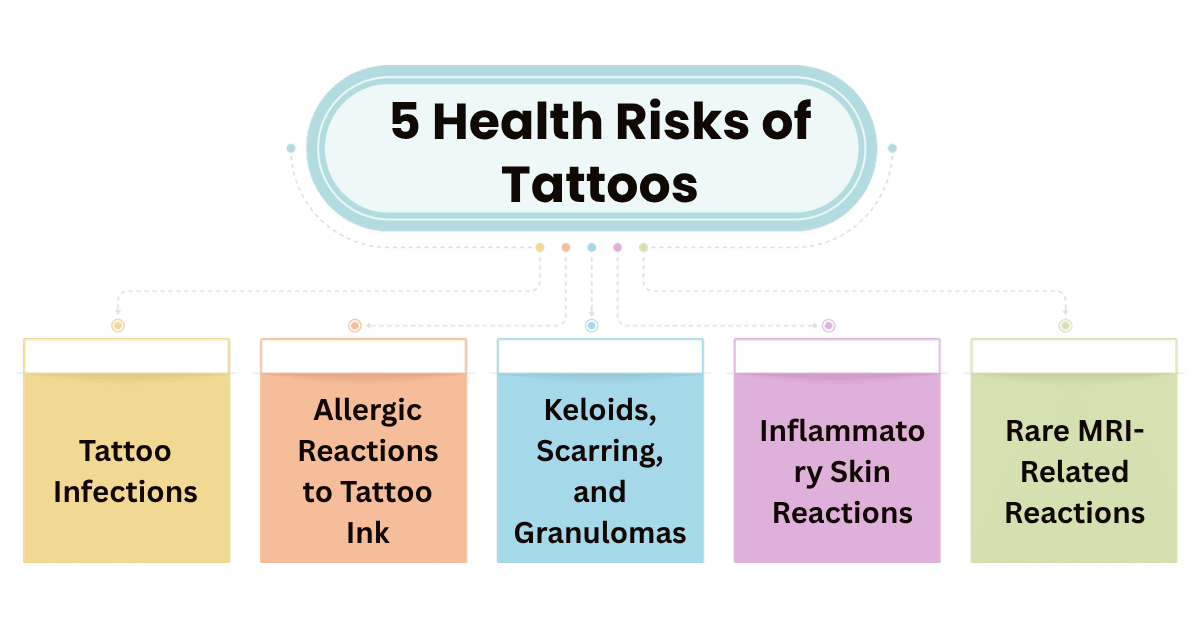
The five risks to remember are
- Infections
- Allergic reactions
- Keloids, scarring, and granulomas
- Inflammatory skin reactions
- Rare MRI-related reactions
You cannot guarantee that a tattoo will never cause a problem.
You can reduce preventable risks.
Choose a reputable and hygienic studio. Ask about needles, equipment, and ink. Consider your history of allergies and abnormal scarring. Follow aftercare instructions. Protect healed tattooed skin from excessive sun exposure. And never ignore symptoms that are getting worse.
A few careful questions before the needle touches your skin can be far more valuable than trying to fix a problem afterward.
Think before you ink, choose safety over convenience, and give your skin the care it needs before and after the tattoo.
Read more articles on Tattoos.
You might like to read: