

Help your child grow strong with 7 healthy eating habits for kids. Fix picky eaters, build routines, and make mealtimes joyful for the whole family.
How to Establish Healthy Eating Habits for Kids
One of your most significant duties as a parent is to help your child develop healthy eating habits. A healthy diet promotes their mental and emotional development in addition to their physical growth.
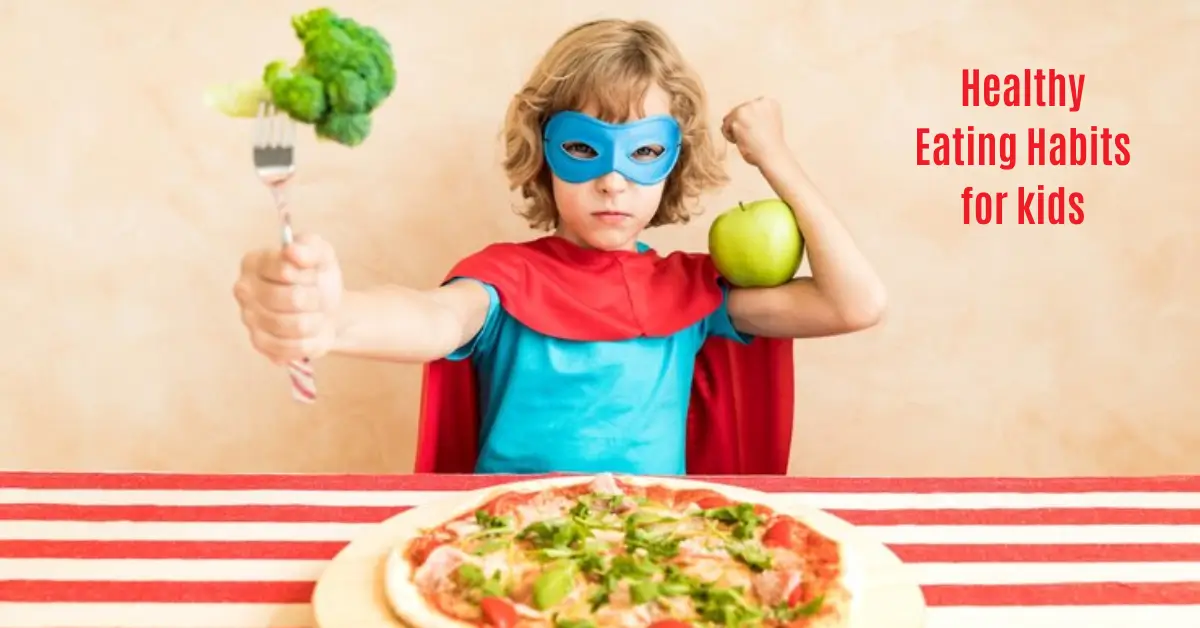
However, if you’ve ever struggled with a picky eater, you know that introducing new foods can feel like climbing a mountain—one bite at a time.
In this comprehensive guide, we’ll explore 7 expert-recommended healthy eating habits for kids, along with practical tips for fixing picky eating behavior.
You’ll have the resources necessary to assist your child in creating a healthy, long-lasting connection with food that supports their physical, mental, and emotional well-being.
The Importance of Healthy Eating Habits in Child Development
1. Physical Growth: Building a Strong Foundation
From toddlers to teens, every stage of childhood involves rapid growth. During this time, proper nutrition ensures that children get the vitamins, minerals, and macronutrients they need.
Foods full of protein, like eggs, beans, and lean meats, help build muscle and repair tissues, while calcium and vitamin D from milk or leafy greens strengthen bones and teeth.
Without balanced meals, kids may experience stunted growth, fatigue, or weakened immunity. Regular exposure to nutrient-dense foods lays the groundwork for a healthy, active future.
2. Cognitive Function: Food for the Brain
Did you know that what your child eats affects how well they think, focus, and learn? Foods high in iron, B vitamins, and omega-3 fatty acids—found in whole grains, nuts, seeds, and fish—are crucial for brain development.
Children who consume balanced meals tend to perform better academically and have improved memory retention.
Conversely, excessive sugar or processed foods can lead to mood swings and reduced concentration. Nutrition truly shapes learning potential.
3. Emotional Well-being: The Mood-Food Connection
Food doesn’t just feed the body—it also feeds emotions. A diet rich in whole grains, quality produce, and other nutrients helps control serotonin levels, improving mood and emotional stability.
Kids who eat regular, nutritious meals often experience fewer emotional outbursts and sleep better. Creating consistent, calm mealtimes teaches them that food is something to enjoy and appreciate—not stress over.
7 Healthy Eating Habits for Kids

Helping children develop healthy eating habits is one of the most valuable gifts a parent can offer. It not only supports their physical and cognitive development but also instills a positive attitude toward food that lasts a lifetime.
Below, we’ll dive deeper into seven expert-approved eating habits and actionable tips to help your kids become confident, healthy eaters.
1. Eat a Variety of Foods
A colorful plate is a healthy plate. Encouraging your child to eat a variety of foods—grains, fruits, vegetables, proteins, and dairy—ensures they get all the essential nutrients needed for growth, immunity, and energy.
Each color represents different vitamins and minerals, making diversity a natural nutrition booster.
Start slow and steady. Introduce one new food every week to avoid overwhelming your child’s taste buds.
Let them explore the new item—describe how it looks, smells, and feels. Sometimes, just touching or smelling unfamiliar food can reduce anxiety about tasting it later.
How to establish this habit:
Create a fun family challenge called “Food Explorer of the Week.” Each week, pick a new fruit or vegetable to try together. When kids feel like they’re part of a fun food adventure, they become more curious and less resistant.
2. Establish a Routine
Children thrive when they know what to expect. Setting consistent mealtimes helps regulate their hunger, digestion, and energy levels throughout the day. A structured eating schedule—three main meals and two healthy snacks—prevents overeating and mindless grazing.
Breakfast, in particular, is non-negotiable. A wholesome morning meal with whole grains, protein, and fresh fruit jumpstarts metabolism, enhances focus, and sets the tone for a productive day. Skipping it can lead to fatigue and irritability later on.
How to establish this habit:
Create a family meal calendar. Serve breakfast, lunch, and dinner around the same times each day. Over time, your child’s body clock will naturally adjust, signaling hunger when it’s time to eat and rest when it’s not.
3. Involve Your Child in Meal Planning
When kids take part in planning and preparing meals, food becomes personal—and that changes everything.
Whether they’re helping to wash vegetables, stir soup, or choose ingredients at the grocery store, they feel empowered and excited to eat what they’ve helped create.
This involvement also provides real-life lessons about nutrition and responsibility. Children learn that balanced meals come from mixing food groups, and they begin to appreciate the effort behind every dish.
How to establish this habit:
Turn grocery shopping into an educational trip. Give your child small tasks like picking the ripest banana or choosing a new veggie to try. Even simple kitchen roles, like stirring or setting the table, boost their sense of pride and ownership over mealtime.
4. Make Mealtime Fun and Engaging
Mealtime should be about connection, not control. In today’s fast-paced world, family meals often happen in front of screens, but turning off the TV and sitting together can transform the experience.
Conversations during meals strengthen family bonds and encourage kids to eat more mindfully.
Avoid the pressure of “cleaning the plate.” Instead, teach children to recognize their body’s hunger and fullness cues. This helps prevent overeating and promotes a lifelong understanding of mindful eating.
How to establish this habit:
Use storytelling at the table—share fun facts about where food comes from or how it’s cooked. Let your child describe what they enjoy about their meal. The more relaxed and interactive mealtimes become, the more likely kids are to enjoy trying new foods.
5. Limit Unhealthy Snacks
Snacks can be nutritious bridges between meals—but they can also sabotage appetite if unhealthy options dominate. Processed snacks high in sugar and sodium may fill kids up quickly but offer little nutritional value.
Instead, opt for natural, whole-food snacks like fruit slices, veggie sticks, yogurt, or whole-grain crackers. Preparing a ready-to-eat “snack box” in the fridge gives children the freedom to choose while keeping the options healthy.
How to establish this habit:
Teach the difference between “everyday foods” and “sometimes foods.” Allow occasional treats but focus on moderation. Involving your kids in making their snacks—like assembling fruit skewers or spreading peanut butter on toast—makes healthy eating interactive and fun.
6. Be a Role Model
Children are natural imitators. If they see you skipping meals, eating on the go, or avoiding vegetables, they’re likely to adopt the same behavior. But when they watch you enjoy balanced, colorful meals, they start to mirror those habits without even realizing it.
Lead by example. Eat together, savor your food, and express appreciation for nutritious meals. Avoid labeling foods as “good” or “bad.” Instead, explain how certain foods help the body grow stronger or boost energy.
How to establish this habit:
Make family meals non-negotiable at least a few times a week. Share your love for trying new foods. When kids see that eating well is something you genuinely enjoy, they’ll naturally follow your lead—without lectures or pressure.
7. Avoid Food Battles
Turning mealtime into a power struggle often backfires. Forcing or bribing kids to eat certain foods can create negative associations that last for years. Instead, offer two or three healthy options and let them choose.
By giving children some control, you reduce resistance and encourage exploration. The goal is to make mealtime a calm, positive experience where kids feel respected and comfortable making healthy choices.
How to establish this habit:
If your child refuses a food, stay calm and simply reintroduce it later in a different way—perhaps cooked differently or served with a dip. Positive reinforcement and patience go much further than punishment or pressure.
Tips for Fixing Picky Eaters
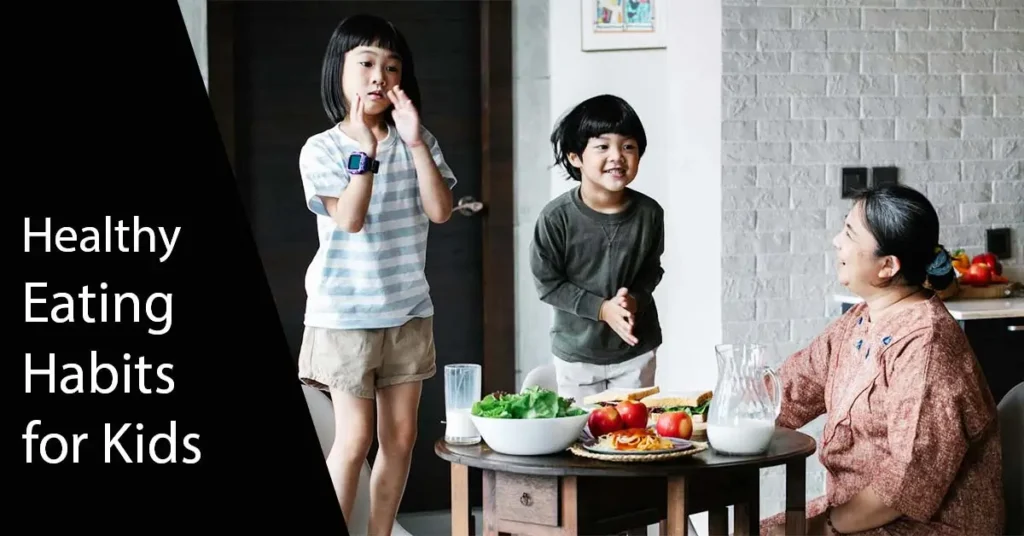
Even with the best intentions, picky eating is common among kids. It’s a normal developmental stage, but with gentle persistence and creativity, you can expand your child’s palate over time.
1. Offer a Variety of Foods
Exposing children repeatedly to different foods helps them accept new flavors. It can take 10–15 tries before they decide they like something new. Consistency is key—don’t give up after one refusal.
How to make this work:
Serve new foods alongside familiar favorites. For instance, add diced veggies into pasta sauce or mix small amounts of quinoa into rice. Familiarity makes new foods less intimidating.
2. Make It Fun
The more visually appealing a meal is, the more likely your child will try it. Bright colors, fun shapes, and creative plating can turn mealtime into playtime rather than pressure time.
How to make this work:
Cut sandwiches into stars, make smiley-face pancakes, or create a “rainbow plate” using different-colored fruits and vegetables. When food looks exciting, kids approach it with curiosity, not resistance.
3. Involve Your Child in Cooking
Cooking together turns food into a shared adventure. When kids participate in preparing meals, they feel proud of their creations and become more willing to try them.
How to make this work:
Give age-appropriate tasks—young kids can wash produce or sprinkle cheese, while older ones can measure ingredients or mix batter. It’s a hands-on way to build both confidence and healthy habits.
4. Be Patient and Stay Consistent
Patience is the secret ingredient in overcoming picky eating. Every child’s taste preferences evolve, and pressure only prolongs the process. Stay calm, positive, and consistent.
How to make this work:
Keep offering healthy foods in different forms—roasted, mashed, or blended. Praise effort over results. Over time, repeated exposure and gentle encouragement will turn “no” foods into “maybe” and eventually “yes” foods.
Building healthy eating habits in kids is about nurturing curiosity, consistency, and confidence. When parents model balance, make meals enjoyable, and avoid power struggles, children naturally develop a love for nutritious food.
It’s not about perfection—it’s about progress. Each meal is an opportunity to teach your child that food is fuel, joy, and family connection all in one.
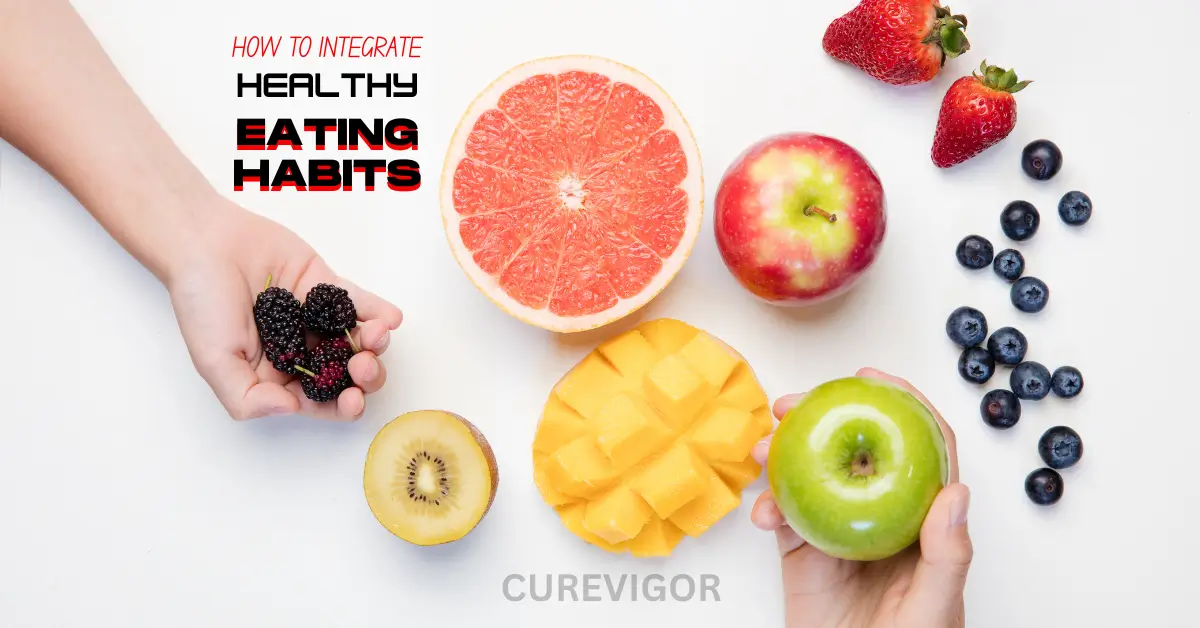
How Parents Can Support Healthy Eating Habits Long-Term
- Create a positive environment: Keep healthy options available and accessible.
- Encourage mindful eating: Teach kids to recognize hunger and fullness cues.
- Reward effort, not outcome: Praise your child for trying new foods, even if they don’t finish them.
- Balance, not perfection: It’s okay if every meal isn’t perfectly healthy. The overall pattern matters more than isolated choices.
FAQs
Q. What are 7 healthy foods for kids?
Seven excellent healthy foods for kids include eggs, yogurt, fruits, vegetables, whole grains, lean meats, and nuts. These provide essential vitamins, minerals, and proteins that support strong bones, muscle development, and brain growth.
For example, eggs are packed with choline for brain health, while yogurt offers probiotics for gut balance. Mixing these foods creatively—like fruit smoothies or veggie wraps—keeps meals fun and nutritious.
Q. What are healthy eating habits for kids?
Healthy eating habits for kids involve balanced meals, regular schedules, and mindful choices. Encourage your child to limit processed snacks, consume a range of colorful foods, and stay hydrated.
Food can be made more interesting and instructive by involving children in the preparation and cooking of meals. Teaching portion control, enjoying family meals together, and avoiding distractions like screens during eating help build a positive relationship with food early on.
Q. What are the 7 healthy eating habits?
The seven healthy eating habits for kids are: eating a variety of foods, establishing a routine, involving kids in meal planning, making mealtime fun, limiting unhealthy snacks, being a role model, and avoiding food battles.
Each habit promotes physical growth, better concentration, and emotional stability. These small yet powerful habits, when practiced daily, create a foundation for lifelong wellness and a love for nutritious, balanced meals.
Q. What are 10 healthy habits for kids?
Eating balanced meals, drinking enough water, exercising frequently, getting enough sleep, practicing excellent hygiene, limiting screen time, brushing teeth twice a day, washing hands frequently, remaining upbeat, and spending time with family are ten healthy habits for kids.
These habits go beyond nutrition—they nurture a child’s body, mind, and spirit. When practiced consistently, they help children grow stronger, happier, and more confident in everyday life.
Conclusion
Establishing healthy eating habits in children is a journey, not a destination. By following these seven expert-backed habits—encouraging variety, creating routines, involving your child, and fostering positivity—you can nurture a love for food that supports lifelong health and happiness.
Remember, it’s not just about what’s on the plate—it’s about creating joyful experiences around food. Every small step counts toward helping your child grow strong, confident, and healthy.
Start building healthy eating habits today—turn mealtime into a moment of growth, joy, and family connection!
Get more about Health & Wellness Tips.
You might like to read:

Pingback: How To Dedicate To Fitness For Long-Term Health: Lessons From Abandoning Routine - CureVigor