
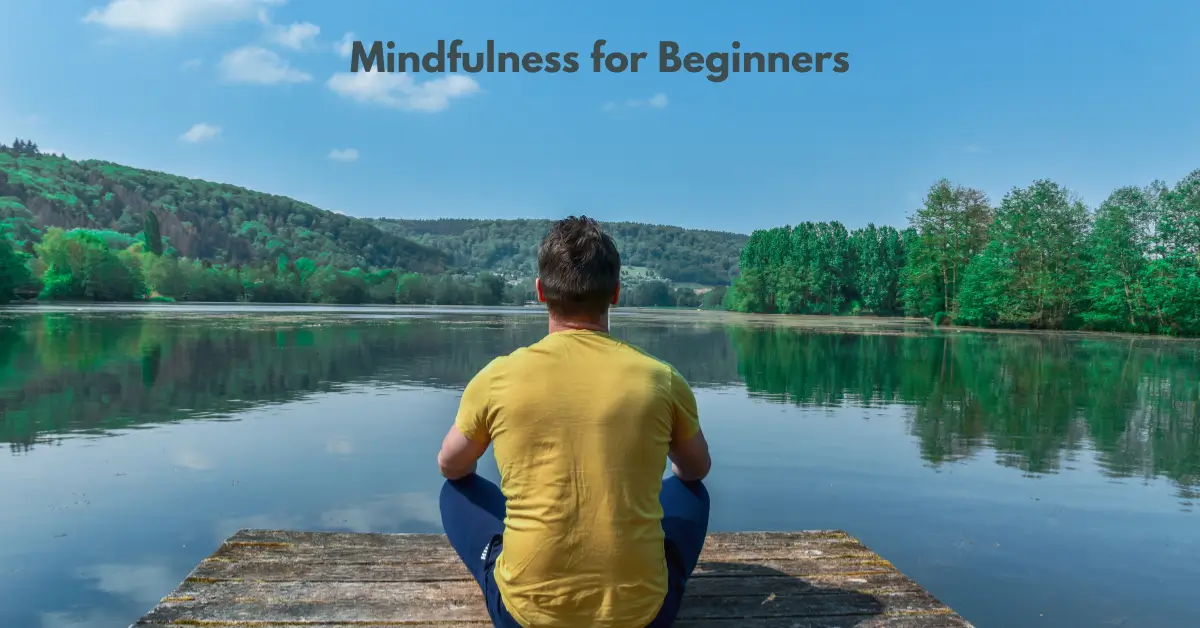
Mindfulness for Beginners, your simple path to inner peace. Learn easy, daily techniques to calm your mind and find clarity. Start your practice today.
Most of us live on autopilot. We drive the same route while planning dinner. We listen to a friend while checking our phone. Mindfulness is the gentle act of waking up from this automatic state. Mindfulness for beginners act smoothly.
It shifts you from reacting to life to actually experiencing it. You might think it requires sitting in silence for hours. That is a common myth. While formal meditation is one tool, mindfulness is truly a way of being.
Mindfulness for beginners is really a state of being present, being aware, and being the part of a present one.
How Mindfulness for Beginners Unlock Your Path to Inner Peace
Modern life moves fast. Between endless notifications, packed schedules, and the constant hum of worries, it’s easy to feel like your mind is always running.
That mental noise—stress, overthinking, digital burnout—can leave you feeling drained and disconnected. But what if there was a way to step out of that chaos, even for just a few minutes?
Mindfulness for beginners is the practice of being fully present in the moment, on purpose, without judging your thoughts or feelings. It’s not about emptying your mind or forcing yourself to feel a certain way.
Instead, it’s about noticing what’s happening right now—whether it’s the taste of your coffee, the sound of rain, or the tightness in your shoulders—and meeting it with kindness.
The best part? You don’t need to be a meditation expert to start. Anyone can learn to be mindful, and the benefits increase with practice. If you’ve ever felt overwhelmed by your thoughts or just wished for a little more calm in your day, this is your invitation to begin.
Understanding the Power of Mindfulness for Beginners
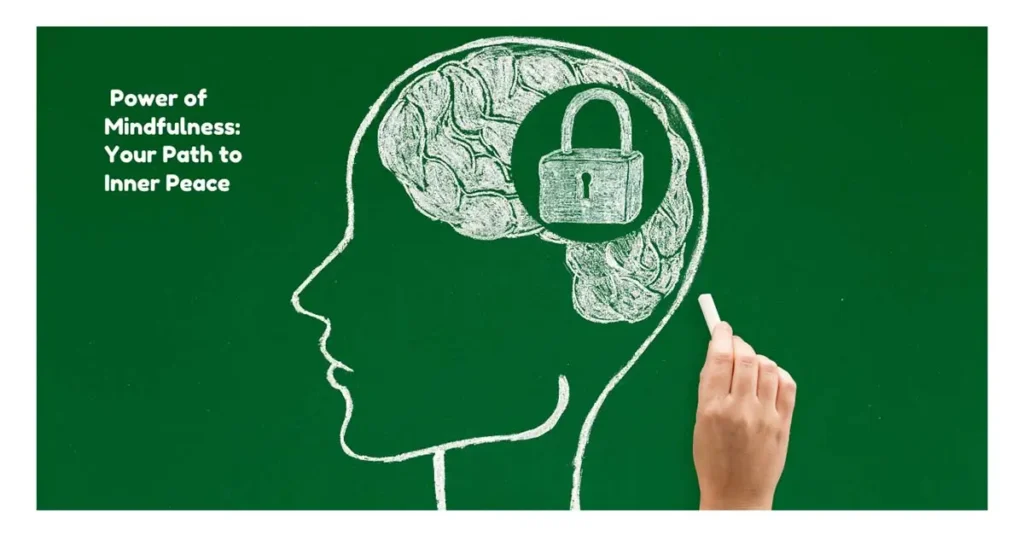
Most of us spend our days on autopilot—rushing through tasks, replaying past conversations, or worrying about the future.
Mindfulness shifts that. It’s about waking up to the present instead of being pulled in a dozen directions at once. Think of it as mental training, like lifting weights for your attention span.
Some people assume mindfulness means sitting cross-legged for hours or chanting in a quiet room. But in reality, it’s much simpler.
You can practice it while washing dishes, walking the dog, or even waiting in line. The key is awareness—noticing where your mind is and gently guiding it back to the now.
Science backs this up. Studies show that mindfulness reduces stress by calming the nervous system, lowering cortisol (the stress hormone), and even rewiring the brain over time.
It’s not magic—it’s a natural way to help your body and mind work better together. And the best part? You don’t need any special equipment, just a willingness to try.
How to Start Your Journey (The First Steps)
Mindfulness for Beginners is not so hard as you think.
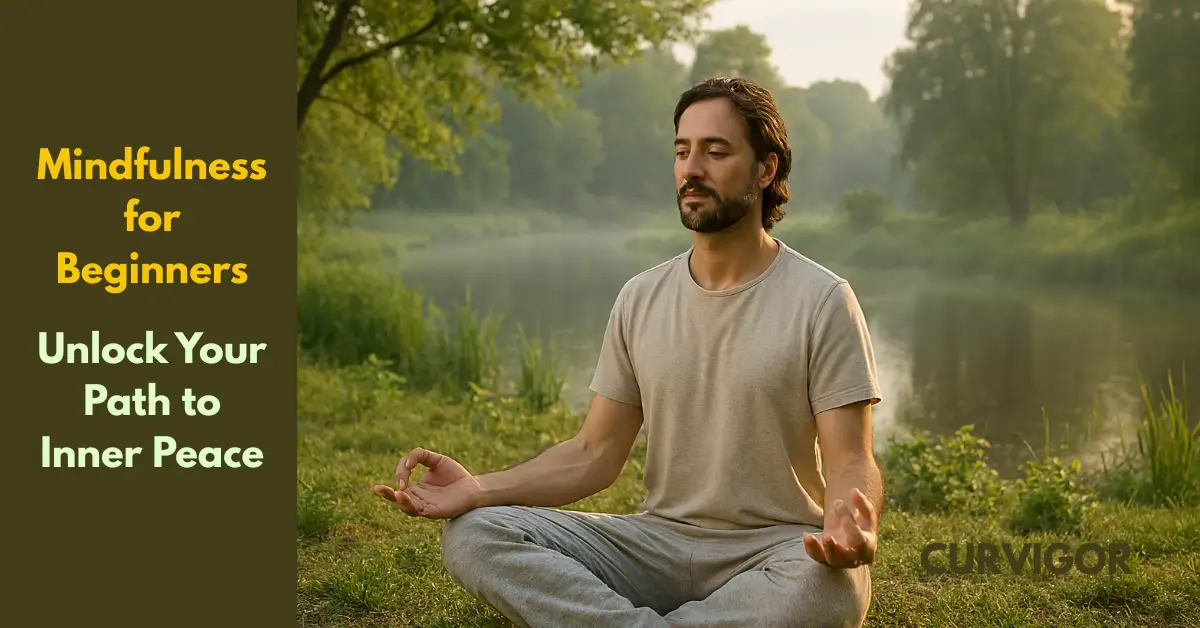
Before diving in, ask yourself: Why do I want to practice mindfulness? Maybe you want to sleep better, feel less reactive in arguments, or just enjoy life more. Having a clear intention keeps you motivated when the practice feels challenging.
Next, find a quiet corner—even if it’s just for five minutes. This doesn’t have to be a fancy meditation space; a chair in your bedroom or a park bench works just as well. The goal is to create a small pocket of time where you won’t be interrupted.
The easiest way to start is to pay attention to your breathing. Close your eyes and notice the air moving in and out of your nose or the rise and fall of your chest.
Your mind will wander—that’s normal. When it does, gently refocus your attention on your breath. This act of returning is where the real practice happens.
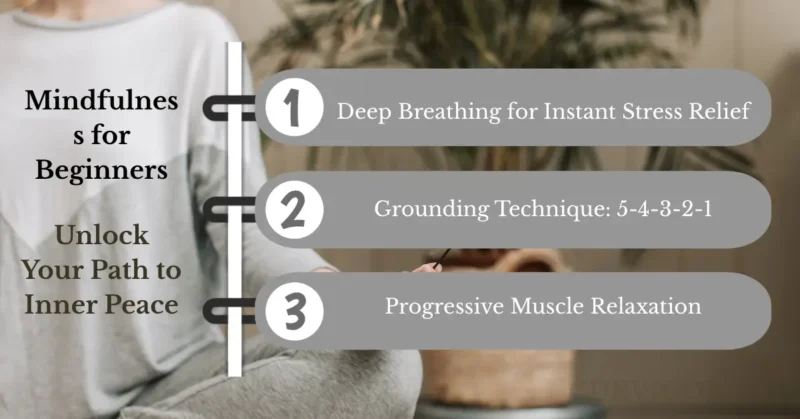
3 Simple Mindfulness Techniques for Instant Calm
1. Deep Breathing for Instant Stress Relief
This is The 4-4-6 Breath: Your Brain’s Emergency Calm Button. Stress isn’t just in your head—it’s in your nervous system.
When anxiety hits, your body shifts into “fight or flight” mode, flooding you with cortisol. The 4-4-6 breathing technique resets the body to “rest and digest” in under a minute.
Here’s how to do it:
- For four seconds, take a deep breath through your nose, filling your lungs from the diaphragm to the collarbone. (Imagine breathing into your belly first, then your chest.)
- Hold your breath for 4 seconds—this pause signals your brain to slow down.
- Exhale through pursed lips (like blowing out a candle) for 6 seconds, longer than the inhale. This activates the vagus nerve, your body’s natural tranquillizer.
Why it works: The extended exhale lowers your heart rate, reduces blood pressure, and tells your brain, “We’re safe now.” Do this 3 times in a row, and you’ll feel your shoulders drop, your jaw unclench, and your racing thoughts quiet.
Pro tip: Pair it with a mental cue, such as “I am here now,” to anchor yourself more quickly.
2. Grounding Technique: 5-4-3-2-1
The classic 5-4-3-2-1 grounding method is great—but most people do it wrong. They rush through it like a checklist, keeping their minds in “doing” mode rather than “being” mode.
Here’s how to do it for deeper calm:
- 5 Things You See → Don’t just name them. Study one object (e.g., a pen) and notice its color, texture, and shadows. This forces your brain to focus deeply, not just scan.
- 4 Things You Feel → Press your feet into the floor. Rub your fingers together. Feel the weight of your body in the chair. Physical sensations pull you out of mental loops.
- 3 Things You Hear → Listen for the farthest sound you can detect (a distant car, a humming fridge). This expands your awareness beyond your racing thoughts.
- 2 Things You Smell → If nothing’s obvious, inhale deeply—you’ll pick up subtle scents (paper, fabric softener, fresh air).
- 1 Thing You Taste → Take a slow sip of water. Let it sit on your tongue. Notice if it’s cool, warm, or neutral.
The upgrade: After each step, pause and breathe. This turns a mechanical exercise into a full-body reset. Research shows this method reduces amygdala activity (the brain’s fear centre) within 60 seconds.
3. Progressive Muscle Relaxation
Stress doesn’t just live in your mind—it lives in your muscles. Ever notice your jaw clenched after a stressful call? Or your shoulders hunched like you’re bracing for impact?
Progressive muscle relaxation (PMR) isn’t just about tensing and releasing—it’s about retraining your body to recognize tension before it takes over.
Here’s the fastest way to do it:
- Start with your face: The classic 5-4-3-2-1 grounding method is great—but most people do it wrong. They rush through it like a checklist, keeping their minds in “doing” mode rather than “being” mode. Here’s how to supercharge it for deeper calm:
- 5 Things You See → Don’t just name them. Study one object (e.g., a pen) and notice its color, texture, and shadows. This forces your brain to focus deeply, not just scan.
- 4 Things You Feel → Press your feet into the floor. Rub your fingers together. Feel the weight of your body in the chair. Physical sensations pull you out of mental loops.
- 3 Things You Hear → Listen for the farthest sound you can detect (a distant car, a humming fridge). This expands your awareness beyond your racing thoughts.
- 2 Things You Smell → If nothing’s obvious, inhale deeply—you’ll pick up subtle scents (paper, fabric softener, fresh air).
- 1 Thing You Taste → Take a slow sip of water. Let it sit on your tongue. Notice if it’s cool, warm, or neutral.
- The upgrade: After each step, pause and breathe. This turns a mechanical exercise into a full-body reset. Research shows this method reduces amygdala activity (the brain’s fear centre) within 60 seconds.
Crunch your eyes shut, clench your jaw, and wrinkle your forehead for 5 seconds. Then exhale and release—imagine warmth spreading across your cheeks. - Move to your hands. Make tight fists, hold, then shake them out like you’re flicking off water. (This trick resets your nervous system by disrupting stress signals.)
- Finish with your core. Suck in your stomach, hold, then let your belly soften completely. Most people carry tension here without realizing it.
Why this beats generic PMR:
- You’re not just relaxing—you’re mapping where you hold stress so you can catch it earlier next time.
- The shake-out step (like a dog after a bath) triggers a parasympathetic response, the opposite of the stress response.
- It works even if you’re sitting in a meeting—no one will notice.
The Real Secret? Stack Them Together
For maximum impact, combine all three in a 60-second sequence:
- 4-4-6 Breath (20 sec) → Calms the nervous system.
- Sensory Reset (20 sec) → Anchors you in the present.
- Tension Meltdown (20 sec) → Releases physical stress.
Science shows that just one minute of this trio can lower cortisol by up to 20% (Harvard Medical School studies). The key is consistency—do it 3x a day (morning, midday, and evening), and your brain will start to default to calm rather than chaos.
Finally, You don’t need more time—you just need better moments. These aren’t just “tricks”; they’re neurological rewiring tools. The more you use them, the more automatic peace becomes. Which one will you try first?
Unlocking the Benefits (The “Why”)
One of the biggest gifts of mindfulness for beginners is emotional intelligence—the ability to pause before reacting.
Instead of snapping at a coworker or spiralling into worry, you learn to observe your emotions like clouds passing in the sky. You still feel them, but they don’t control you.
Your focus sharpens, too. Ever read a page and realize you didn’t absorb a word? Mindfulness trains your brain to stay with the task at hand, whether it’s work, a conversation, or even enjoying a meal.
Over time, this leads to deeper concentration and less mental clutter.
Relationships improve when you’re truly present. How often do you listen while already planning your response?
Mindfulness helps you hear what others are actually saying, making conversations richer and connections stronger. Partners, friends, and even strangers notice when you give them your full attention.
And let’s not forget the body. Chronic stress takes a toll—tight muscles, headaches, fatigue.

When you practice mindfulness, your body relaxes, your digestion improves, and even your immune system benefits. A calm mind really does lead to a healthier body.
Common Beginner Hurdles (And How to Clear Them)
“If my mind won’t stop wandering, I must be bad at this.” Actually, that’s the whole point.
The moment you notice your mind has drifted is a success—it means you’re becoming more aware. Each time you gently return to your breath, you’re strengthening your mindfulness muscle.

“I don’t have time for this.” You don’t need hours. Even one minute of mindful breathing while waiting for your coffee counts. The key is consistency, not duration. Five minutes daily is far more powerful than an hour once a month.
“I feel bored or restless when I try.” That’s okay—observe the boredom itself. Where do you feel it in your body?
What thoughts come with it? Instead of fighting it, treat it like a curious visitor. Often, the resistance fades when you stop judging it.
Creating a Sustainable Daily Habit
Mindfulness doesn’t have to be a separate activity. Micro-mindfulness means weaving it into your existing routines. Notice the warmth of your shower, the crunch of leaves under your feet, or the first sip of tea. These tiny moments add up.
Consistency matters more than perfection. Missing a day? No problem. Just begin again. Think of it like brushing your teeth—some days you might forget, but you wouldn’t give up entirely. The same goes for mindfulness.
Set reminders if you need to. A phone alarm labeled “Breathe” or a sticky note that says “Where are you right now?” can snap you out of autopilot. Over time, these cues help build a habit that feels natural rather than forced.
FAQs on Mindfulness for Beginners
Q. Is mindfulness the key to inner peace?
Mindfulness is a powerful tool for inner peace, but it’s not the only key. Think of it like a flashlight in a dark room—it helps you see your thoughts, emotions, and reactions more clearly, but you still need to walk the path yourself.
Inner peace comes from a combination of self-awareness, self-compassion, and intentional living. Over time, mindfulness reduces suffering by teaching you to respond rather than react.
However, true peace also requires addressing external factors like relationships, lifestyle, and unresolved emotions. It’s a practice, not a quick fix—but with consistency, it can profoundly shift how you experience life.
Q. How do I unlock my inner peace?
Unlocking inner peace starts with small, daily choices that train your mind and nervous system to stay grounded. Here’s how to begin:
- Slow down – Rush less, notice more. Even pausing for three deep breaths before reacting can shift your state.
- Accept imperfection – Peace isn’t about having a “perfect” life; it’s about meeting life as it is, with kindness.
- Release resistance – Struggling against emotions (like anxiety or frustration) often makes them stronger. Instead, observe them without judgment.
- Create boundaries – Say no to what drains you. Protect your energy like you would your physical health.
- Practice gratitude – Write down one thing you’re grateful for each day. This rewires your brain to notice positivity.
Inner peace isn’t a destination—it’s a way of moving through life. The more you practice presence, the more natural it becomes.
Q. How to unlock mindfulness?
Mindfulness isn’t something you “unlock” like an achievement—it’s a skill you cultivate through repetition and curiosity. Here’s how to access it:
- Start with the breath – it’s always with you. Notice it for just 10 seconds at a time, several times a day.
- Use anchors – Pick a daily activity (like drinking tea or washing your hands) and do it fully present, engaging all your senses.
- Observe without fixing: Visualize thoughts and feelings as clouds moving through the sky. You don’t have to change them—just observe.
- Begin small – Even one mindful minute counts. Over time, your brain will begin to default to awareness more easily.
- Be patient – Mindfulness isn’t about “getting it right.” It’s about showing up, again and again, with an open mind.
The “unlocking” happens when you realize mindfulness was always available—you just needed to pay attention.
Q. What are the 5 R’s of mindfulness?
The 5 R’s are a simple framework to help you recognize and work with difficult thoughts or emotions mindfully:
- Recognize – Notice what’s happening in your mind and body. “I’m feeling anxious right now.”
- Allow – Give yourself permission to feel it without fighting it. “It’s okay that this is here.”
- Investigate – Get curious. “Where do I feel this in my body? What’s the story behind it?”
- Non-identification – Remind yourself: “This is a feeling, not who I am.” You’re not your anxiety, anger, or sadness—you’re the one observing it.
- Return – Gently refocus on the present, often using your breath as an anchor.
This process helps you break free from reactive patterns and respond with clarity instead.
Q. What are the 7 pillars of mindfulness?
The creator of Mindfulness-Based Stress Reduction (MBSR), Jon Kabat-Zinn, listed seven essential mindsets that underpin a robust mindfulness practice:
- Non-judging – Observing your thoughts and feelings without labeling them as good or bad.
- Patience – Trusting that things unfold in their own time, including your progress.
- Beginner’s Mind – Approaching each moment with curiosity, as if it’s the first time.
- Trust – Believing in your own wisdom and intuition, even when things feel uncertain.
- Non-striving – Letting go of the need to “achieve” peace. Mindfulness is about being, not doing.
- Acceptance – Meeting reality as it is, not as you wish it to be.
- Letting Go – Releasing attachments to thoughts, outcomes, or identities that no longer serve you.
These pillars aren’t rules—they’re guideposts to help deepen your practice.
Q. What is the 3-3-3 rule in mindfulness?
The 3-3-3 rule is a quick, grounding technique to stop anxiety or overwhelm in its tracks. Here’s how it works for mindfulness for beginners:
- Name 3 things you see – Look around and identify three objects (e.g., a lamp, a tree, your hands).
- Name 3 sounds you hear – Tune into your environment (e.g., birds, traffic, your breath).
- Stretch your legs, roll your shoulders, or wiggle your fingers to move three different body parts.
This method forces your brain out of spiraling thoughts and back into the present moment. It’s especially helpful during panic attacks or when you feel disconnected from your body. It is a precious rule for mindfulness for beginners.
The simplicity makes it easy to use anywhere—at work, in a crowded place, or before sleep.
Q. Is mindfulness for beginners hard to learn?
Not at all! Mindfulness for beginners is designed to be simple and accessible—no prior experience needed. The key is starting small, like focusing on your breath for just 30 seconds or noticing the sensations in your hands.
Many beginners worry about “doing it wrong,” but mindfulness isn’t about perfection—it’s about showing up with curiosity. Even if your mind wanders (which it will!), gently bringing your attention back is the practice.
Think of it like learning to ride a bike: wobbling is part of the process.
Q. How can mindfulness for beginners help with daily stress?
Mindfulness for beginners acts like a mental “pause button” for stress. When you’re overwhelmed, your brain gets stuck in a loop of worries about the past or future.
Mindfulness trains you to anchor in the present moment, which breaks that cycle. For example, taking three deep breaths before reacting to a frustrating email can shift your response from anger to clarity.
Over time, this practice rewires your brain to handle stress more calmly—almost like upgrading your internal operating system. Start with just 1-2 minutes a day, and you’ll notice a difference in how you react to challenges.
Mindfulness for Beginners: Your Path Starts Here
Mindfulness isn’t about achieving some perfect state of zen. It’s about showing up, again and again, with curiosity and kindness—toward yourself and the world around you. Some days will feel easy; others will feel like a struggle. That’s all part of the process.
Remember, inner peace isn’t a destination you reach once and for all. It’s a skill you build, one breath, one moment at a time. The fact that you’re here, reading this, means you’ve already taken the first step.
So, which benefit speaks to you most? Is it less stress, better focus, or deeper connections? Whatever it is, start small. Your future self will thank you.
Which part of mindfulness are you most excited to try? Share in the comments—I’d love to hear from you!
Read more articles on Life Balance.
You might like to read: