

Learn how to treat stress hair loss with our 4-step guide. Discover the science of Telogen Effluvium, nutritional tips, and proven regrowth treatments to restore your hair.
Thank you for reading this post, don't forget to subscribe!Have you ever looked down at your hairbrush and felt a sudden, sharp pang of worry? That moment when you realize the strands tangled in the bristles seem more numerous than they were last month?
If you’ve been navigating a particularly “loud” season of life—juggling deadlines, family needs, or personal transitions—you aren’t just imagining things. Your hair is often the first to reveal your internal stress levels.
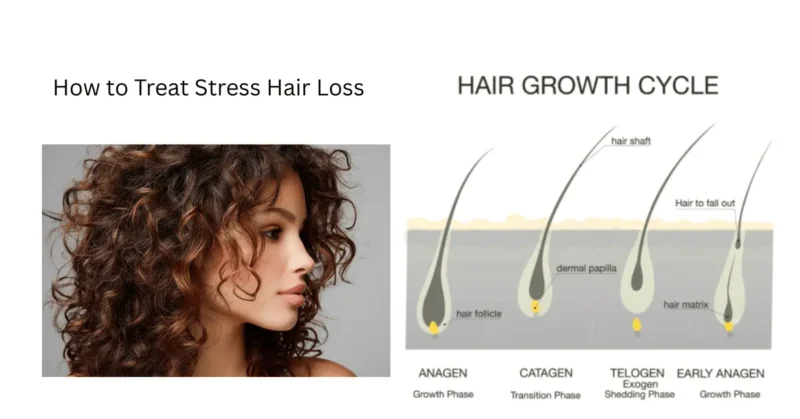
The good news is that, unlike genetic thinning, stress-related hair loss is usually a temporary “pause” in your hair’s life cycle.
By understanding the biology of your scalp and the psychology of your nervous system, you can flip the switch from shedding back to growth.
Quick Summary: How to Treat Stress Hair Loss
| At a Glance: The Regrowth Roadmap |
| Reading Time: 12–15 minutes |
| Core Concept: Addressing Telogen Effluvium through cortisol regulation, nutrient density, and scalp stimulation. |
| The 4 Steps: 1. Nervous System Regulation, 2. Nutritional Loading, 3. Clinical Interventions, 4. Protective Scalp Care. |
| Outcome: Stabilized shedding within 3–6 months with visible new growth. |
Understanding the “Why”: The Science of Telogen Effluvium
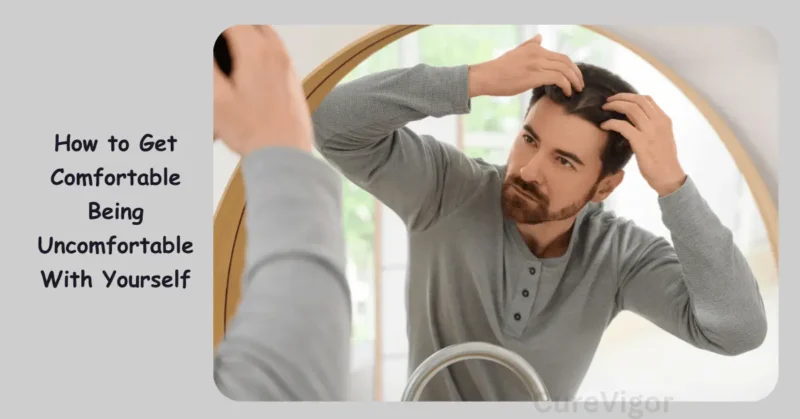
Before we treat the hair, we have to understand the heart. In my years of coaching and teaching, I’ve observed that the body is a master of prioritization. When you are under chronic stress, your body enters “survival mode.”
It directs its limited resources—oxygen, minerals, and energy—to your vital organs, such as your heart and brain.
Unfortunately, your hair follicles are considered non-essential “luxury” items.
The Hair Cycle Disrupted
Under normal conditions, about 90% of your hair is in the Anagen (growth) phase. However, significant physical or emotional stress can shock those follicles, prematurely pushing them into the Telogen (resting) phase.
About three months after the stressful event, those resting hairs fall out all at once. This is why you might notice thinning long after the actual crisis has passed.
The Emotional Mirror
As a mother and a teacher, I know that hair is often tied to our identity and confidence. Seeing it thin can create a secondary “stress loop”—you stress about the hair loss, which, in turn, keeps your cortisol high, further delaying regrowth.
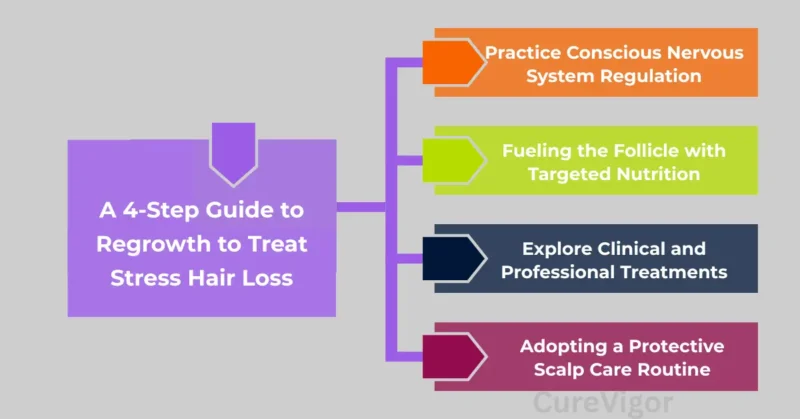
The 4-Step Guide to Regrowth: How to Treat Stress Hair Loss
To address this, we must approach the treatment with grace and patience.
Step 1: Practice Conscious Nervous System Regulation
You cannot “supplement” your way out of a high-cortisol environment if the root cause isn’t addressed. So, how to treat stress hair loss begins internally.
The Role of Cortisol
Cortisol is the primary stress hormone. When it remains elevated, it breaks down skin proteins, such as collagen, and can inhibit the production of hair-supporting hormones. To lower cortisol, we must move from a state of “High Alert” to “Rest and Digest.”

Practical Management Techniques
- Vagus Nerve Stimulation: Simple acts like humming, splashing cold water on your face, or deep diaphragmatic breathing signal to your brain that you are safe.
- The “Slow-Down” Audit: I often suggest to those I coach that they look at their weekly calendar. Where can you remove “micro-stressors”? Sometimes, the best hair treatment is saying “no” to an extra commitment.
- Psychological Reframing: In literature and psychology, we learn that the story we tell ourselves matters. Instead of saying, “My hair is falling out,” try “My body is currently resetting, and I am supporting its healing.”
Step 2: Fueling the Follicle with Targeted Nutrition
If the nervous system serves as the “on” switch, then the “fuel” that keeps the engine going is nutrition. When I look at nutrition through the lens of physical education, I see hair as a byproduct of metabolic efficiency.
Protein: The Building Block
Your hair is normally made of a protein called keratin. If your diet is low in high-quality protein, your body won’t have the “bricks” it needs to build new strands.
Aim for a mix of collagen-rich bone broths, lean meats, and high-quality plant proteins such as lentils and quinoa.
Essential Micronutrients for Regrowth
- Ferritin (Iron): Low iron is one of the most common “hidden” causes of hair thinning in women.
- Zinc and Selenium: These minerals help the oil glands around the follicles work properly.
- Vitamin D: Think of Vitamin D as the “sunshine” for your scalp; it helps create new follicles.
- Biotin (B7): While often overhyped, it is essential for the keratin infrastructure.
The Anti-Inflammatory Diet
Stress causes systemic inflammation. Transitioning to a “Mediterranean-style” diet—rich in leafy greens, berries, and omega-3 fatty acids (like walnuts or wild-caught fish)—acts as a soothing balm for your follicles.
Step 3: Explore Clinical and Professional Treatments
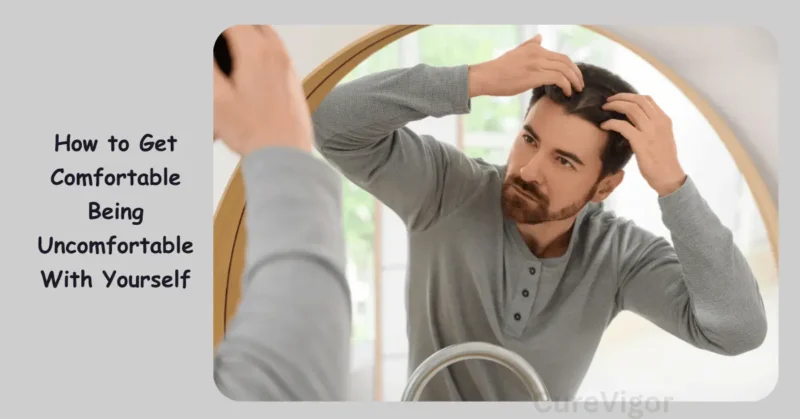
Sometimes, the biological “pause” is so deep that the scalp needs a professional nudge to wake back up.
Topical Solutions: Minoxidil
Minoxidil (Rogaine) is one of the few FDA-approved over-the-counter treatments. It works by shortening the resting phase and re-entering the growth phase.
Additionally, it ensures that nutrients reach the root by increasing blood flow to the scalp. The Role of Finasteride
While primarily used for male pattern baldness, Finasteride can sometimes be prescribed off-label if stress has unmasked an underlying hormonal thinning.
Note: As a wellness advocate, I always recommend a full blood panel before starting hormonal blockers to ensure you are treating the right issue.
Corticosteroid Injections and Scalp Therapy
For localized, intense shedding, dermatologists can inject anti-inflammatory steroids directly into the scalp.
Additionally, Platelet-Rich Plasma (PRP) therapy—where your own blood is processed and re-injected into the scalp—has shown remarkable results in accelerating regrowth after Telogen Effluvium.
Step 4: Adopting a Protective Scalp Care Routine
How you handle your hair during this fragile time determines how much remains on your head while the new growth matures.
Scalp Stimulation (The Massage)
I plan my evening routine to include a 5-minute scalp massage. Use your fingertips to gently move the scalp skin in circular motions.
This mechanical stimulation increases microcirculation, bringing oxygen to the follicle. You can use a light rosemary oil, which studies suggest may be as effective as low-strength Minoxidil over time.
Gentle Handling
- Avoid Heat: Put the curling iron away for a season. High heat weakens the protein bonds in existing hair.
- Loose Styles: Avoid tight ponytails or braids (Traction Alopecia), which put unnecessary physical stress on already weakened roots.
Sulfate-Free Cleansing: Use a pH-balanced shampoo to keep the scalp “microbiome” healthy. A healthy scalp is like fertile soil; you can’t grow a garden in parched, chemical-laden earth.
The Benefits of This Holistic Approach
- Sustainable Results: You aren’t just masking the problem; you’re fixing the biological environment.
- Improved Overall Wellness: The steps that fix your hair will also improve your sleep, skin, and mood.
- Empowerment: You move from being a “victim” of hair loss to an active participant in your recovery.
The Challenges to Prepare For
- The Time Lag: Hair grows about half an inch per month. You won’t see the “fruits” of your labor for at least 90 days.
- Initial Shedding: Some treatments (such as Minoxidil) can cause a brief “dread shed,” where old, resting hairs are shed to make room for new ones. Don’t panic; this is a sign it’s working.
Your 30-Day Regrowth Checklist
- Week 1: Book a blood test (check Ferritin and Vit D) and start a 5-minute daily meditation.
- Week 2: Switch to a sulfate-free shampoo and integrate two servings of protein into every meal.
- Week 3: Begin daily scalp massages with rosemary or jojoba oil.
- Week 4: Evaluate your “stress triggers” and set one firm boundary in your personal or professional life.
How to Treat Stress Hair Loss Naturally and Manage Stress
The journey to reclaiming your hair density isn’t just about what you put on your scalp; it’s about how you soothe your soul.
When we talk about “natural” treatment, we are looking at a symbiotic relationship between your lifestyle and your biology. As a teacher and a coach, I’ve found that the body doesn’t respond well to force—it responds to nurturing.
If we want to stop shedding, we have to signal to the body that the “famine” or “danger” (stress) is over. This requires a dual-action approach: calming the nervous system while providing the physical scalp with the environment it needs to thrive.
Reclaiming Your Inner Calm (Internal Management)
The first step in stopping stress-related loss is a psychological audit. We often carry stress in our bodies like an invisible weight.
Being a mother, I’ve felt that heavy “mental load” where your brain never truly turns off. This chronic “High Alert” state keeps your hair follicles in suspended animation.
- Mindful Boundaries: Learning to say “no” is a clinical hair treatment. By reducing your cognitive load, you lower your baseline cortisol production.
- The Power of Breath: Deep, diaphragmatic breathing isn’t just “yoga talk”—it is a biological hack. It triggers the vagus nerve, which instructs your adrenal glands to cease releasing stress chemicals that interfere with the cycle of hair growth.
- Positive Reframing: In my psychology studies, I’ve learned that how we view a crisis affects our physiological response. Viewing your hair loss as a “signal to slow down” rather than a “disaster” reduces the secondary stress that often perpetuates the shedding cycle.
Natural Topicals and Scalp Stimulation
While we work on the inside, we can give the outside a natural boost. You don’t always need harsh chemicals to see results; sometimes, the best ingredients are found in nature’s own pharmacy.
- Rosemary Oil: The “gold standard” of natural hair growth. According to some research, it can boost microcirculation to the follicle and be just as effective as 2.5% minoxidil. I plan my week to include at least two rosemary oil treatments.
- Mechanical Stimulation: A simple, gentle scalp massage for five minutes a day can work wonders. It physically stretches the hair follicle cells, encouraging them to produce thicker hair.
- Temperature Control: Use cool or lukewarm water when washing your hair to naturally protect it. In addition to causing inflammation at the root, hot water can deplete the scalp of its natural protective oils.
The Role of Nutrition and Hydration
Think of your hair as a delicate plant. If the soil (your body) is parched or lacks nutrients, the plant will wither.
- Anti-Inflammatory Foods: Focus on blueberries, walnuts, and fatty fish. These help dampen the internal “fire” caused by chronic stress.
- Hydration: Hair is one of the first areas to show signs of dehydration. Water is essential for transporting vitamins to the scalp. If you aren’t hydrated, your “follicle fuel” never reaches its destination.
FAQs on How to Treat Stress Hair Loss
Q. How can I tell the difference between stress hair loss and genetic thinning?
Stress-induced hair loss (Telogen Effluvium) typically presents as sudden, diffuse thinning across the entire scalp, often noticed when a handful of hair comes out in the shower.
Genetic thinning (Androgenetic Alopecia) typically follows a specific pattern, such as a widening part or a receding hairline, and occurs gradually over several years. If the loss is sudden and follows a major life event, stress is likely the cause.
Q. Can hair lost from stress actually grow back completely?
Yes, in most cases, stress-related hair loss is fully reversible. Once the “triggering event” is resolved and your body feels safe again, the follicles return to their normal growth cycle.
It requires patience, as regrowth follows the natural hair growth cycle, but your density should return to its original level within 6 to 12 months.
Q. Does “stress shedding” happen immediately after a traumatic event?
Actually, no—there is a physiological delay. Hair usually falls out about 3 to 4 months after the period of intense stress. This is because it takes that long for the hair to move through the resting phase and finally detach from the follicle.
If you are experiencing hair loss now, look back at what was happening in your life three months ago to identify the root cause.
Q. Are there specific vitamins that stop hair loss instantly?
No vitamin can stop shedding “instantly,” as the hair currently falling out was already “destined” to shed months ago. However, Vitamin D, Biotin, and Iron are essential for ensuring the new hair growing in is strong and healthy.
Consistency is key; you must take supplements for at least three months to see a measurable difference in hair quality and scalp coverage.
Q. Can I use natural oils instead of medical treatments like Minoxidil?
Natural oils, particularly Rosemary oil, have shown promising results in clinical studies for stimulating blood flow and supporting growth.
While medical treatments like Minoxidil are often faster-acting, many people find success with a holistic approach using essential oils and scalp massage.
The “best” choice depends on your preference for natural vs. pharmaceutical interventions and the severity of your thinning.
Q. Should I stop washing my hair if I see it falling out in the shower?
This is a common myth! Not washing your hair won’t stop shedding; it only allows the hairs that have already detached to remain on your scalp. When you finally do wash it, it will look like even more hair is falling out at once.
Regular, gentle cleansing is vital to keep the scalp healthy and free of inflammation, which supports new growth.
Summary: How to Treat Stress Hair Loss
The Biological “Pause”: Discover why stress acts as a “shock” to your system, forcing up to 30% of your hair into a premature resting phase (Telogen Effluvium).
Step 1: The Cortisol Reset: Why you can’t supplement your way out of a high-stress environment and how to signal “safety” to your follicles.
Step 2: Nutrient Loading: The specific “Big Three” minerals and proteins that act as the architectural building blocks for new hair strands.
Step 3: Clinical & Natural Boosters: A comparison of Rosemary Oil versus Minoxidil and why scalp microcirculation is the secret to waking up dormant roots.
Step 4: The Protection Phase: How to handle your hair during its “fragile season” to prevent breakage while waiting for new growth to surface.
The 3-Month Rule: Why you won’t see results tomorrow, and how to track the microscopic signs that your plan is actually working.
Final Thoughts on How to Treat Stress Hair Loss
Regrowing your hair is as much an exercise in self-love as it is a medical endeavor. Being a mother and a coach has taught me that we often give so much to the world that we leave our own “follicles”—our own inner selves—parched.
Use this journey as a signal to slow down, nourish yourself, and listen to what your body is trying to tell you. You are more than your hair, but you deserve to feel confident and vibrant in your own skin.
I’d love to hear from you—have you ever noticed a connection between a stressful life event and your hair health? What was the one thing that helped you feel like “you” again?
In the comments section below, please share your views and advice; your story might be just what someone else needs to hear today!
Read more articles on Life Balance.
You might like to read: