

Embark on a delicious journey with innovative vegan recipes! Explore creative plant-based dishes, tips, and tricks to tantalize your taste buds and impress even the pickiest eaters.
Vegan food has moved far beyond a plate of plain vegetables.
Today, plant-based cooking can be colorful, comforting, spicy, creamy, crunchy, filling, and surprisingly creative. The secret is not finding expensive ingredients. It is learning how to combine familiar foods in fresh ways.
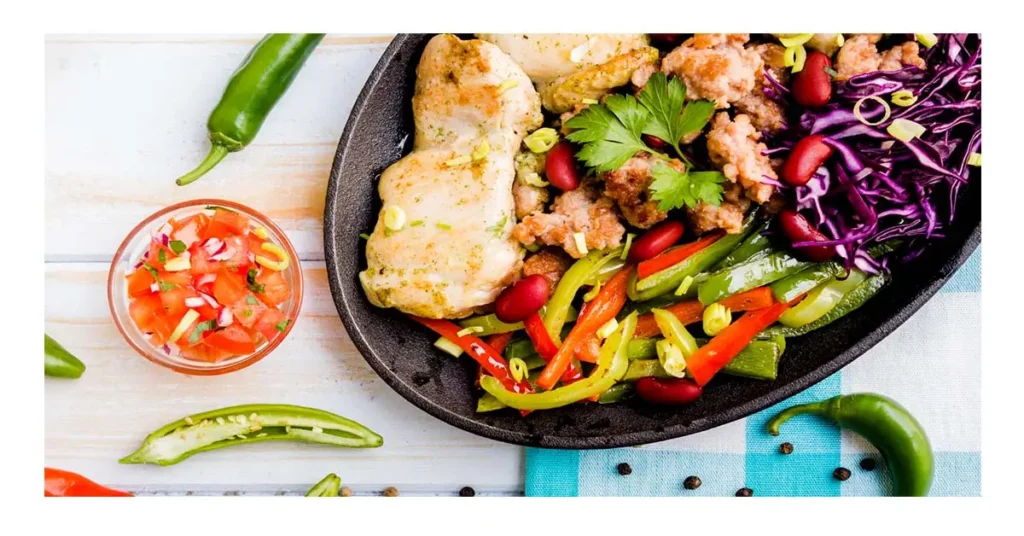
Beans can become rich burgers or hearty bowls. Cauliflower can take on bold spices and crisp textures. Tofu can become silky, crispy, smoky, or deeply savory depending on how you prepare it.
If you are looking for innovative vegan recipes that feel exciting rather than repetitive, this guide will help you think differently about plant-based cooking.
Quick summary: Build vegan meals around flavor, texture, plant-based protein, seasonal produce, and simple cooking techniques. You do not need unusual ingredients to make memorable food.
How to Create Innovative Vegan Recipes at Home
Innovative cooking does not mean making every meal complicated.
Sometimes, the easiest way to create something new is to take an ingredient you already know and change the cooking method, seasoning, texture, or presentation.
A basic bowl of chickpeas can become a spicy curry, roasted snack, taco filling, or crispy salad topping. Tofu can move from a simple stir-fry into noodles, wraps, bowls, or a creamy dessert.
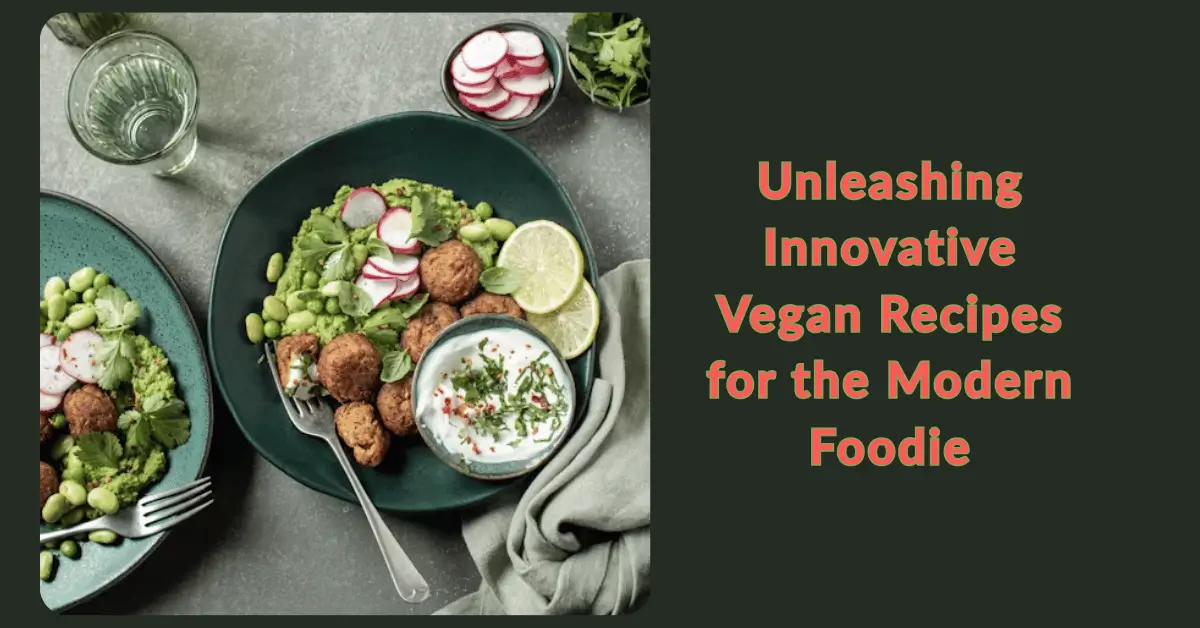
The possibilities become much wider when you stop thinking about vegan food as a collection of meat substitutes and start treating vegetables, grains, legumes, nuts, seeds, and soy foods as ingredients with their own personalities.
1. Start With Bold Plant-Based Ingredients
A memorable vegan meal usually begins with ingredients that bring something distinctive to the plate.
Think roasted mushrooms, sweet potatoes, eggplant, chickpeas, lentils, tofu, tempeh, beans, fresh herbs, citrus, chilies, or toasted nuts.
You can also experiment with ingredients such as miso, tahini, nutritional yeast, coconut milk, smoked paprika, harissa, or fermented vegetables.
You do not need all of them at once.
Choose one ingredient as the star and build the rest of the meal around it.
2. Explore Global Flavors and Fusion Cooking
One of the easiest ways to make vegan recipes more exciting is to borrow ideas from different cuisines.
Try combining Mexican-style black beans with roasted vegetables and lime. Give tofu a Korean-inspired spicy glaze. Turn chickpeas into a Mediterranean bowl with herbs, lemon, and tahini.
Fusion works best when the flavors complement each other instead of simply being thrown together.
Start with one familiar cuisine, then introduce one new flavor or technique.
3. Build Contrast With Texture
Texture can completely change how a meal feels.
A creamy sauce becomes more interesting when paired with something crispy. A soft grain bowl can benefit from roasted chickpeas, toasted seeds, fresh vegetables, or crunchy pickles.
Think about combining:
- Creamy and crunchy
- Soft and crispy
- Fresh and roasted
- Chewy and juicy
- Warm and cool
This simple approach can make everyday ingredients feel much more interesting.
4. Reinvent Your Favorite Comfort Foods
You do not have to abandon your favorite meals just because you are cooking vegan.
Try plant-based versions of tacos, burgers, pasta, pizza, curry, noodles, sandwiches, soups, or baked dishes.
For example, lentils can create a hearty filling for tacos. Beans can add substance to pasta sauces. Cashews or blended vegetables can create creamy textures in sauces.
The goal is not to make every dish taste exactly like its traditional version.
It is to create a version that is satisfying in its own right.
5. Make Vegetables the Main Event
Vegetables do not have to sit quietly on the side of the plate.
Roast a whole cauliflower with spices. Turn eggplant into a smoky dip. Char corn and add it to a black bean bowl. Roast carrots until their natural sweetness becomes more pronounced.
The cooking method matters.
Roasting, grilling, steaming, sautéing, braising, air-frying, and fermenting can give the same vegetable completely different personalities.
6. Master Simple Vegan Cooking Techniques
You do not need professional kitchen equipment to cook impressive vegan meals.
A few basic techniques can take you a long way.
Roast for Deep Flavor
High-heat roasting can develop browning and caramelized edges in vegetables and legumes.
Sauté for Quick Meals
A hot pan, aromatics, vegetables, and a good sauce can become dinner in minutes.
Blend for Creaminess
Blended beans, nuts, seeds, vegetables, or tofu can create creamy textures without relying on dairy.
Marinate for More Flavor
Tofu, tempeh, mushrooms, and vegetables can absorb much more flavor when seasoned before cooking.
Toast for Extra Depth
Toasting nuts, seeds, spices, or grains can bring out deeper aromas and add another layer of texture.
7. Create Balanced, Satisfying Vegan Meals
A vegan meal can be light without leaving you hungry an hour later.
Try building your plate around several elements:
Plant-based protein + vegetables + whole grains or another carbohydrate + healthy fat + flavorful sauce or garnish.
For example, a satisfying bowl might include roasted chickpeas, quinoa, colorful vegetables, avocado, and a lemon-tahini dressing.
This structure also gives you plenty of room to change ingredients without starting from scratch.
8. Add Plant-Based Protein to Every Meal
Protein deserves attention when planning filling vegan meals.
Beans, lentils, chickpeas, tofu, tempeh, edamame, seitan, nuts, seeds, quinoa, and some fortified plant foods can contribute protein. Current recipe guidance also frequently uses these foods as the main protein anchors in vegan meals.
You do not need to make every meal a high-protein challenge.
Instead, make protein a visible part of the meal rather than an afterthought.
For example:
- Tofu scramble with vegetables
- Lentil soup with whole-grain bread
- Chickpea and quinoa salad
- Tempeh stir-fry
- Black bean tacos
- Edamame noodle bowls
9. Use Seasonal Ingredients for Better Flavor
Seasonal produce can make vegan cooking easier because you can build meals around what looks fresh and appealing.
Instead of deciding on a complicated recipe first, visit your local market and choose one or two vegetables you want to use.
Then ask:
What protein would work with this?
What sauce would bring it together?
What texture is missing?
This turns cooking into a creative process rather than a strict set of instructions.
10. Turn Vegan Desserts Into Something Special
Vegan desserts can be much more creative than fruit salad.
Try experimenting with ingredients such as bananas, dates, oats, nut butters, cocoa, coconut, plant-based yogurt, silken tofu, or aquafaba.
Silken tofu, for example, can provide a creamy base for certain plant-based desserts as well as savory dishes.
You can also reinvent familiar desserts:
- Chocolate mousse
- Fruit crumble
- Chia pudding
- Coconut rice pudding
- Oat cookies
- Frozen banana bites
- Date-and-nut energy balls
11. Make Vegan Meals Fun and Interactive
Food becomes more enjoyable when everyone can participate.
Set up a taco bar with beans, roasted vegetables, salsa, avocado, herbs, and different sauces.
Create a build-your-own grain bowl night.
Let family members choose toppings for homemade pizzas or wraps.
Interactive meals are also useful when people have different tastes because everyone can create a plate they actually want to eat.
Innovative Vegan Recipe Ideas to Try
You do not need to follow complicated recipes to start experimenting.
Here are some ideas to put the principles above into practice.
Crispy Cauliflower Tacos
Roast cauliflower with smoked paprika, cumin, garlic, and a little chili.
Serve it in tortillas with cabbage, avocado, lime, and a creamy plant-based sauce.
The contrast between crispy cauliflower and fresh toppings makes this simple meal feel much more exciting.
Creamy Coconut Chickpea Curry
Cook chickpeas with onion, garlic, ginger, tomatoes, spices, and coconut milk.
Add spinach near the end and serve with rice or flatbread.
It is comforting, flexible, and easy to adapt to with different vegetables.
Miso Mushroom Noodles
Sauté mushrooms until browned, then add a savory miso-based sauce.
Toss with noodles and finish with spring onions, sesame seeds, or chili.
This is a good example of how umami-rich ingredients can give a plant-based dish depth.
Loaded Sweet Potato With Black Beans
Bake a sweet potato until soft.
Top it with seasoned black beans, corn, avocado, salsa, fresh herbs, and lime.
It requires little preparation but creates a colorful and satisfying meal.
Mediterranean Quinoa Bowl
Combine quinoa with chickpeas, cucumber, tomato, olives, herbs, and a lemon-tahini dressing.
Add roasted vegetables when you want a warmer version.
Spicy Peanut Tofu Wrap
Crisp tofu in a pan or air fryer.
Add shredded vegetables and a spicy peanut sauce before wrapping everything in a flatbread.
The combination of creamy sauce, crunchy vegetables, and crisp tofu gives the meal plenty of texture.
Creamy Cashew Pasta
Soak cashews and blend them with water, garlic, nutritional yeast, lemon, and seasonings.
Toss the sauce with pasta and roasted vegetables.
Adjust the consistency with pasta water until the sauce becomes smooth and creamy.
Chocolate Avocado Mousse
Blend ripe avocado with cocoa powder, dates or another sweetener, and a splash of plant milk.
Chill before serving.
The result is a rich dessert with a surprisingly simple ingredient list.
How to Make Vegan Food Taste More Flavorful
The biggest complaint about plant-based cooking is often not nutrition.
It is flavor.
A plate can contain plenty of vegetables and still taste boring.
The solution is usually better seasoning and better cooking rather than adding more ingredients.
Use Umami-Rich Ingredients
Umami creates a savory depth that can make plant-based meals taste fuller.
Useful ingredients include:
- Miso
- Mushrooms
- Soy sauce or tamari
- Nutritional yeast
- Tomato paste
- Fermented foods
- Roasted vegetables
Use them according to your recipe rather than adding everything together.
Balance Sweet, Sour, Salty, Bitter, and Spicy
If a dish tastes flat, it may simply need better balance.
A squeeze of lemon can brighten a rich sauce.
A small amount of sweetness can soften intense acidity or spice.
Chili can wake up mild ingredients.
Salt can bring other flavors forward.
Taste as you cook rather than waiting until the end.
Don’t Forget Herbs and Fresh Garnishes
Fresh cilantro, parsley, basil, mint, green onions, lemon zest, toasted seeds, and fresh chili can make a finished dish feel completely different.
Add delicate herbs near the end so their flavor remains noticeable.
Use Roasting and Charring for Deeper Flavor
Roasting can transform vegetables.
Cauliflower becomes nutty. Carrots become sweeter. Mushrooms become richer. Sweet potatoes develop caramelized edges.
This is one of the easiest techniques for making vegetables feel like the main attraction.
How to Make Vegan Meals More Nutritious
Creative cooking should not mean forgetting nutrition.
A varied plant-based diet can include legumes, whole grains, vegetables, fruits, nuts, seeds, and plant-based protein foods.
Include Plant-Based Protein
Choose a protein source that fits the meal.
Beans work well in tacos and bowls.
Lentils are excellent in soups, curries, and sauces.
Tofu and tempeh work well in stir-fries and wraps.
Edamame can add protein and texture to salads and noodle bowls.
Add Fiber-Rich Foods
Beans, lentils, vegetables, fruits, whole grains, nuts, and seeds can contribute dietary fiber.
Instead of trying to add fiber as a separate task, build meals around whole plant foods.
Choose Healthy Fats
Avocado, nuts, seeds, tahini, nut butters, and plant oils can add richness and help make meals more satisfying.
Portion still matters because calorie density varies considerably between foods.
Build Color and Variety Into Your Plate
Different fruits and vegetables provide different nutrients and flavors.
Try not to rely on the same three vegetables every week.
A colorful plate is not automatically healthier, but variety is a useful way to keep meals interesting and broaden the range of foods you eat.
Easy Tips for Cooking Vegan Food at Home
You can make vegan cooking easier without turning Sunday into a full-day kitchen project.
Keep a few staples available.
Beans, lentils, chickpeas, grains, pasta, canned tomatoes, spices, frozen vegetables, and sauces can rescue a busy evening.
Prepare one protein ahead.
Cook a batch of lentils, beans, tofu, or another preferred protein source and use it in different meals.
Make one versatile sauce.
A lemon-tahini dressing, peanut sauce, tomato sauce, or herb dressing can change the personality of several meals.
Use frozen vegetables.
Frozen produce can be practical, affordable, and convenient.
Cook extra portions.
Leftovers can become tomorrow’s lunch or the base of another meal.
Don’t chase perfection.
A simple bean bowl that you actually make is more useful than an elaborate recipe you never have time to cook.
Common Mistakes That Can Make Vegan Food Bland
Even good ingredients can produce disappointing meals when the basics are overlooked.
Not seasoning enough
Vegetables and grains need seasoning too.
Boiling everything
Boiling is useful, but roasting, sautéing, grilling, and air-frying can create very different flavors.
Forgetting acidity
Lemon juice, lime juice, vinegar, and other acidic ingredients can brighten heavy or flat dishes.
Using only one texture
A soft meal can feel dull. Add crunch with seeds, nuts, roasted chickpeas, vegetables, or fresh toppings.
Treating protein as an afterthought
A bowl of vegetables alone may not feel like a complete meal. Add beans, lentils, tofu, tempeh, chickpeas, or another suitable protein source.
Adding too many ingredients
More ingredients do not automatically mean more flavor.
Sometimes three well-prepared ingredients are better than ten ingredients competing for attention.
FAQs About Innovative Vegan Recipes
Q. What are some creative vegan meals for beginners?
Start with meals that are easy to customize, such as grain bowls, tacos, curries, pasta, stir-fries, soups, and wraps. Add one plant-based protein, several vegetables, and a flavorful sauce.
Q. How can I make vegan food taste better?
Focus on seasoning, browning, acidity, herbs, spices, and umami-rich ingredients. Roasting vegetables and properly seasoning beans, tofu, and grains can make a major difference.
Q. What are the best plant-based protein sources?
Beans, lentils, chickpeas, tofu, tempeh, edamame, seitan, nuts, seeds, and quinoa are useful options. Variety is more helpful than relying on a single food.
Q. How do you make vegan meals filling?
Include a clear protein source, fiber-rich plant foods, and some healthy fat. A combination such as lentils, vegetables, whole grains, and tahini is generally more satisfying than a plate built mostly from low-protein vegetables.
Q. What can I use instead of meat in vegan recipes?
You can use beans, lentils, chickpeas, tofu, tempeh, mushrooms, seitan, or commercially prepared plant-based products depending on the recipe.
You do not always need a direct meat replacement. Sometimes the best approach is to create a meal where the plant ingredients are the main attraction.
Q. Can vegan food be both healthy and satisfying?
Yes, vegan meals can be both satisfying and nutritious when they include a good variety of plant foods and enough protein and energy for your individual needs. A vegan label alone does not automatically make a food nutritious, so the overall ingredients and portions still matter.
Final Thoughts: Make Plant-Based Cooking Your Own
Innovative vegan cooking is not about making food complicated.
It is about looking at familiar ingredients differently.
A can of chickpeas can become crispy taco filling. A block of tofu can become a spicy noodle topping. A sweet potato can become a complete meal. A handful of herbs and a squeeze of lemon can completely change a simple bowl.
Once you understand flavor, texture, seasoning, and meal structure, you no longer need to depend on the same handful of recipes.
You can improvise.
You can swap ingredients.
You can borrow flavors from different cuisines.
And most importantly, you can create vegan meals that you genuinely look forward to eating.
The future of plant-based cooking does not have to be complicated. Sometimes, it starts with opening the pantry, choosing one ingredient you love, and asking:
“What can I make with this today?”
Read more about health and wellness tips.
You might like to read: