
Feeling busy but stuck? Learn how to practice honest self-reflection with this real-world guide to gaining clarity, breaking habits, and fueling personal growth.
Thank you for reading this post, don't forget to subscribe!Have you ever reached the end of an exhausting, productive day only to realize you haven’t actually moved an inch closer to the life you want?
How to Practice Honest Self-Reflection for Personal Growth
We’ve all been there—running on a hamster wheel of “to-do” lists, caffeine, and digital distractions, wondering why our goals still feel like they’re miles away.
The truth is, most of us aren’t suffering from a lack of effort; we’re suffering from a lack of clarity.
In our “real-world” lives, it’s easy to move on autopilot. We react to stress, repeat old habits, and avoid the quiet moments because they feel uncomfortable.
But your “better self” isn’t found in a new planner or a busier schedule—it begins with honest self-reflection.
This isn’t about judging your past or overthinking your mistakes. It’s about holding up a mirror to your thoughts and actions so you can finally stop guessing and start growing.
Let’s look at how to turn reflection from a vague concept into a simple, daily habit that actually changes your life.
There are times when you feel busy all day but still unsure about your life. You try to improve, but nothing really changes.
You set goals, but they stay the same for months. This can feel confusing and even frustrating.
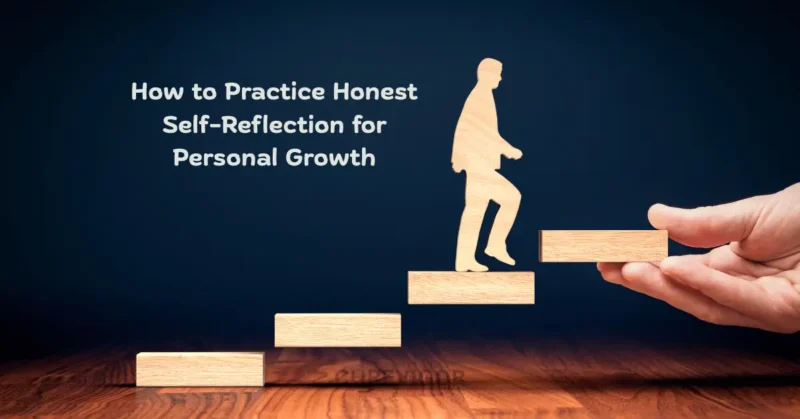
The problem is not effort. The problem is a lack of clarity. When you do not understand your own thoughts and actions, it becomes hard to move forward in the right direction.
This is where honest self-reflection becomes important. It is a simple but powerful way to understand yourself better. When you start seeing your patterns clearly, real change becomes possible.
Quick Summary
Honest self-reflection helps you understand your thoughts, habits, and decisions. It improves clarity, supports better choices, and helps you grow over time. The best way to practice it is through simple daily thinking, writing, and quiet time.
Estimated Read Time: 10–12 minutes
What Is Honest Self-Reflection
Honest self-reflection means looking at your thoughts and actions without hiding the truth. It is not about judging yourself. It is about understanding yourself in a calm and clear way.
Honest reflection helps us see if we are eating because we are hungry or because we are stressed.
Many people think they reflect, but they are actually just overthinking. Overthinking creates stress, while reflection creates clarity. The goal is not to feel bad, but to learn something useful.
When you reflect honestly, you begin to see why you act in certain ways. You understand your reactions, your habits, and your decisions. This awareness is the first step toward improvement.
Why People Avoid Self-Reflection
Most people avoid self-reflection because it feels uncomfortable. It can show things we do not want to accept.
For example, you may realize you keep repeating the same mistakes or avoid taking responsibility.
To avoid this discomfort, people stay distracted. They scroll on their phones, stay busy, or ignore their thoughts. This may feel easier in the moment, but it does not solve anything.
When you avoid reflection, you also avoid growth. The same patterns continue, and the same results appear again and again. Facing the truth may feel difficult, but it helps you move forward.
When we reflect and reduce mental stress, it shows in our posture and our skin. Beauty begins with an honest internal state.
Why Honest Self-Reflection Matters for Personal Growth
If you want to improve your life, you need to understand it first. Without reflection, you are simply reacting to situations without thinking deeply.
Self-reflection for personal growth helps you notice what is working and what is not. It allows you to connect your daily actions with your long-term goals. This creates direction in your life.
When you reflect regularly, you stop guessing. You start making decisions based on awareness. This makes your growth steadier and more meaningful over time.
Key Benefits of Honest Self-Reflection
One major benefit is improved self-awareness. You start to recognize your advantages and disadvantages. You also notice your emotional triggers and how you respond to them.
Another benefit is better decision-making. When you learn from your past, you make smarter choices in the future. You avoid repeating mistakes because you recognize patterns early.
Self-reflection also builds accountability. Instead of blaming others, you start taking responsibility for your actions. This gives you more control over your life.
It also supports emotional clarity. You understand your feelings better and respond more calmly. Over time, this leads to more stable and balanced thinking.
How to Practice Honest Self-Reflection
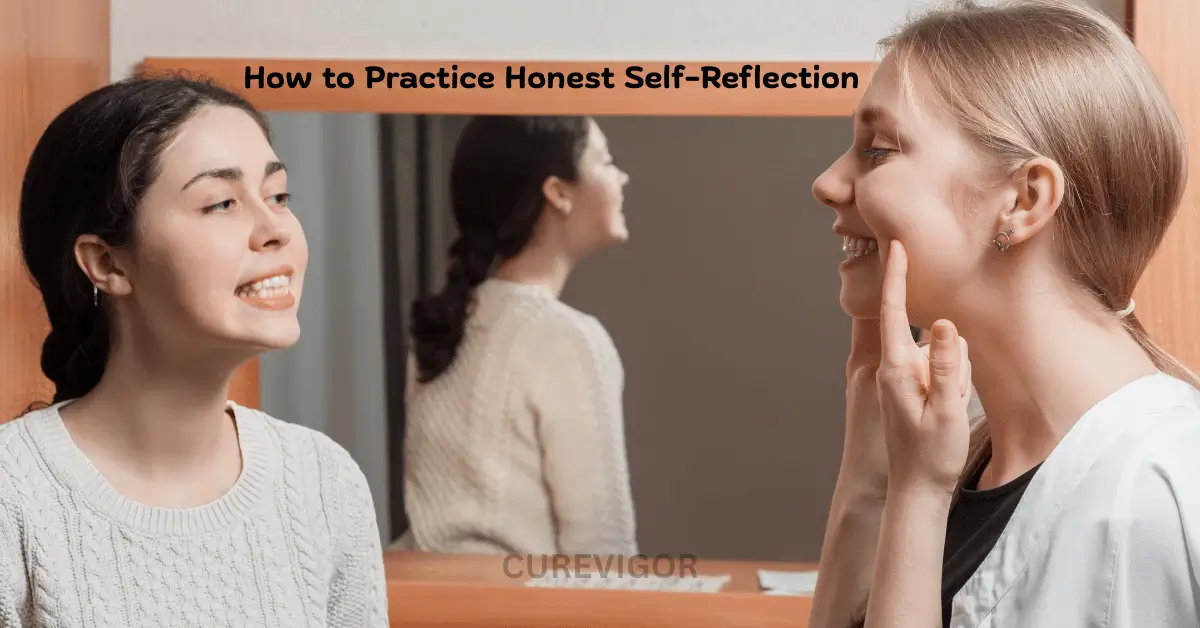
You do not need a complex system to reflect. Simple methods work best when done regularly. The key is to stay consistent and honest with yourself.
Start by asking simple questions. Reflect on your day and ask what went well and what could be improved. Also, think about why you reacted in certain situations.
Writing your thoughts can help a lot. When you write, your thinking becomes clearer. You can see patterns that are not easy to notice in your mind.
Spending a few minutes in silence also helps. Sit quietly and think about your actions and feelings. This small habit can bring a lot of clarity over time.
You can also review your week. Look at your progress and notice any repeated behavior. The result keeps you conscious and concentrated on becoming better.
Common Challenges in Self-Reflection
One common challenge is being too critical of yourself. Reflection should not feel like punishment. It should feel like learning and understanding.
Another challenge is overthinking. When thoughts go in circles without a solution, it becomes unhelpful. The goal is to learn, not to get stuck.
Many people also struggle with consistency. They reflect once or twice and then stop. Without regular practice, results do not appear.
Some people avoid difficult truths. They skip the uncomfortable parts and only focus on easy things. This limits real growth and keeps patterns unchanged.
Important Areas to Reflect On
Your goals are an important area to reflect on. You should ask if your actions are helping you move forward. Sometimes goals are clear, but actions do not match them.
Your habits also need attention. Daily habits shape your future. Understanding which habits help and which ones harm is very important.
Relationships are another key area. The people around you affect your thinking and energy. Reflecting on this helps you make better choices.
Your thoughts and emotions also matter. When you understand your emotional reactions, you gain more control over them. This leads to better responses in daily life.
Making Self-Reflection a Daily Habit
Building a habit of reflection does not require much time. Even a few minutes each day can make a difference. What matters most is consistency.
Choose a fixed time for reflection. It can be in the morning or before sleep. When you link it with a routine, it becomes easier to maintain.
As you continue, you will start noticing small changes. Your thinking becomes clearer, and your reactions become calmer. These small improvements lead to long-term growth.
How Self-Reflection Supports Different Areas of Your Life
Mindful Well-Being
Daily self-reflection helps you step out of autopilot mode. Many people go through their day without noticing their thoughts or emotions, which can lead to stress and burnout.
Reflection gives you a pause to understand what is happening within you. This awareness supports calm thinking and better mental balance.
Weight Balance & Healthy Living
Reflection also helps you understand your relationship with food and your body. You begin to notice whether you are eating because of hunger, stress, or habit.
This awareness supports mindful eating and healthier choices without forcing strict control.
Holistic Beauty
Your internal state often reflects on your external appearance. When your mind is clear and less stressed, it can influence your posture, expressions, and overall presence.
Reflection helps reduce mental pressure, which supports a more natural and balanced sense of well-being.
Work-Life Balance
Self-reflection helps you see how you are managing your time, energy, and responsibilities. It allows you to notice where you feel overwhelmed and where you need adjustment.
You can also use structured methods, such as your T.E.M.P.E.R. framework, to organize these insights and achieve a better balance in your daily routine.
Quick Recap
In this article, we explored how honest self-reflection helps you understand your thoughts, actions, and habits more clearly.
It showed why many people feel stuck and how simple reflection can bring clarity, better decisions, and steady personal growth over time.
- Honest self-reflection means understanding yourself without excuses or denial.
- It helps you become more aware of your thoughts, habits, and emotional patterns.
- Reflection improves decision-making by helping you learn from past actions.
- It builds accountability and reduces the tendency to blame others.
- Regular reflection supports emotional balance and calm thinking.
- Simple methods like journaling, quiet time, and daily review make it easier.
- Consistency matters more than perfection in building this habit.
- Facing uncomfortable truths is important for real growth.
- Reflecting on goals, habits, relationships, and emotions gives better clarity.
- Small daily reflection leads to long-term improvement and meaningful change.
FAQs
Q. What is the importance of self-reflection and understanding one’s true self?
Self-reflection helps you understand your thoughts, actions, and emotions more clearly. It allows you to see your strengths, weaknesses, and behavior patterns.
When you understand your true self, you make better decisions and live with more clarity. It also helps you align your actions with your values. This leads to more meaningful personal growth.
Q. The importance of honesty and self-reflection in personal growth?
Honesty in self-reflection allows you to see the reality of your actions without excuses. It helps you identify mistakes and areas that need improvement.
When you are honest with yourself, you take responsibility and make better choices.
This builds self-awareness and supports steady personal growth. Without honesty, reflection loses its real value.
Q. What is honest self-reflection?
Honest self-reflection means looking at your thoughts, actions, and decisions truthfully. It involves understanding your behavior without blaming others or avoiding facts.
The goal is not to judge yourself but to learn and improve. It helps you recognize patterns and make better decisions. This process supports long-term growth and clarity.
Q. How do you write a self-reflection about yourself?
Start by thinking about a recent experience or situation. Write what happened, how you felt, and how you responded. Then analyze what you learned and what you could improve.
Keep your writing simple and honest without trying to sound perfect. Focus on clarity and personal understanding.
Q. What is a good quote for self-reflection?
A simple and meaningful quote is “Knowing yourself is the beginning of all wisdom.” This quotation emphasizes the importance of understanding your ideas and behaviors.
It reminds you that growth starts with awareness. Self-reflection helps you gain that awareness over time.
Q. How to begin self-reflection?
Start with a few quiet minutes each day, free from distractions. Ask simple questions about your actions and feelings.
Think about what went well and what could improve. You can also write your thoughts to make them clearer. The key is to keep it simple and consistent.
Q. What are 5 examples of reflection?
Reflection can include thinking about your daily decisions, reviewing your mistakes, analyzing your emotional reactions, evaluating your habits, and understanding your relationships.
These examples help you see patterns in your behavior. Over time, they improve awareness and decision-making.
Q. What are the 5 steps for self-reflection?
First, pause and think about a situation. Second, describe what happened clearly. Third, understand your thoughts and emotions.
Fourth, identify what you learned from it. Fifth, decide what you will do differently next time. These steps make reflection simple and practical.
Q: How does self-reflection differ from mindfulness?
Mindfulness is being aware of the present moment as it happens. Honest self-reflection is looking back at those moments to understand why they happened.
Mindfulness is the observation; reflection is the insight. Together, they create lasting personal growth.
Conclusion
Most people try to improve their lives by taking on more tasks, setting more goals, and putting in more effort. But real progress does not come from doing more. It comes from understanding what you are already doing.
Honest self-reflection gives you that understanding. It helps you notice the small patterns that often go ignored, the way you react, the habits you repeat, and the decisions you make without thinking. These small patterns quietly shape your life over time.
When you begin to reflect honestly, you stop moving on autopilot. You start making choices with awareness. You respond more calmly, think more clearly, and act with more intention. Growth becomes steady, not forced.
You do not need to change everything at once. Even a few minutes of honest reflection can shift your direction. The more consistent you are, the more clarity you gain.
In the end, self-reflection is not about being perfect. It is about being aware, learning from yourself, and moving forward with a better understanding each day.
Call to Action
Take a moment today and ask yourself one simple question. What is one thing you need to improve right now?
Write your answer and think about it. If you feel comfortable, share your thoughts. Sometimes, small awareness can lead to meaningful change.
Read more Health and Wellness articles.
You might like: