
Learn the essential dos and don’ts of a weight loss plan to achieve sustainable, healthy results. Create a balanced approach for lasting success. Avoid common mistakes and stay motivated throughout your weight loss journey.
Summary:
For lasting weight loss results, focus on a safe, gradual reduction of 1 to 2 pounds per week through sustainable lifestyle changes, not quick fixes.
The Dos
- Eat whole foods: Prioritize a balanced diet rich in vegetables, fruits, whole grains, lean proteins, and healthy plant-based fats.
- Stay active: Get at least 150 minutes of moderate aerobic activity each week and add strength training twice a week.
- Hydrate wisely: Drink plenty of water and swap sugary sodas or juices for water or unsweetened drinks.
- Prioritize sleep: Try to sleep 7 to 9 hours each night to regulate hunger hormones like ghrelin and leptin.
- Set realistic goals: Track your progress using non-scale victories like energy levels, clothing fit, and waist measurements rather than daily scale fluctuations.
The Don’ts
- Don’t skip meals: Your metabolism may slow if you skip meals, which could lead to strong cravings later in the day.
- Don’t rely on fad diets: Avoid extreme calorie restriction, liquid detoxes, or plans that cut out entire food groups, as they are unsustainable.
- Don’t ignore liquid calories: Hidden sugars in flavored coffees, alcohol, and commercial fruit juices add up quickly and don’t keep you full.
- Don’t completely ban favorite treats: Strict deprivation often leads to binge eating; practice moderation instead.
- Don’t quit after setbacks: Treat occasional slip-ups as part of the journey, and refocus on your routine the next day.
Dos and Don’ts of a Weight Loss Plan
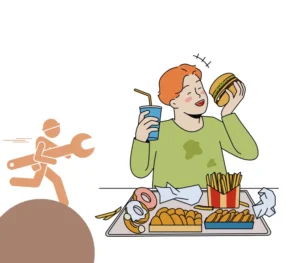
Starting a weight loss journey can feel like navigating a maze of endless options. With so many diets, plans, and tips available, how do you know which will deliver sustainable results?
Successful weight loss isn’t about quick fixes or extreme diets—it’s about creating a plan that fits your lifestyle and promotes lasting, healthy changes.
We’ll break down the dos and don’ts to help you choose the right weight loss plan for your goals. Whether you’re just starting or need a plan refresh, these tips will set you on the path to lasting success!
Choosing the right weight loss plan can be daunting. With so many diets, trends, and programs available, it’s easy to feel overwhelmed. But here’s the good news: the best way to achieve lasting results isn’t to jump on the latest fad diet or make extreme changes.
Instead, it’s about making sustainable, well-informed choices that fit your body and lifestyle. This article explores the essential dos and don’ts of choosing a weight-loss plan that supports success and lasting results.
Do: Set Realistic and Achievable Goals
Setting clear, realistic goals is one of the most essential steps in any weight loss journey. You may want to shed 30 pounds monthly, but is that realistic or healthy? Break down your goals into smaller, achievable milestones to set yourself up for success.
For example, instead of focusing solely on the number on the scale, aim to lose 1-2 pounds a week. This ensures that your weight loss is sustainable and healthy.
Breaking larger goals into smaller, actionable steps also helps you stay motivated as you hit each milestone.

Don’t: Follow Extreme or Fad Diets
While extreme or fad diets might promise rapid results, they often come with serious downsides.
These diets can deprive your body of essential nutrients, leading to fatigue, mood swings, and even muscle loss. Plus, once you stop the diet, the weight often returns, sometimes even more.
Extreme calorie restriction, elimination diets, or “miracle” supplements may seem tempting, but they aren’t sustainable in the long term.
Instead, focus on balanced eating and lifestyle changes. Sustainable weight loss takes time, so be patient and trust the process.
Do: Consult with a Professional (Dietitian/Trainer)
When choosing a weight loss plan, getting advice from professionals who can tailor a plan to your specific needs is crucial.
A nutritionist can help you create a balanced eating plan based on your goals, preferences, and health conditions. A personal trainer can guide you on how to incorporate exercise safely and effectively.
Professionals can also help you avoid common mistakes and ensure your plan is balanced, safe, and optimized for your success.
Don’t: Ignore Mental Health and Emotional Well-being
Losing weight isn’t just about what you eat or how much you exercise—it’s also about how you feel mentally.
Emotional eating, stress, and anxiety can all sabotage your weight loss efforts. Stress releases cortisol, encouraging fat storage, especially around the belly.
Addressing mental health is crucial to your weight loss plan. Incorporate stress management techniques such as mindfulness, meditation, or yoga.
If emotional eating is an issue, consider seeking support from a therapist or counselor to work through the root causes.
Do: Incorporate Regular Physical Activity
While diet plays a significant role in weight loss, exercise matters just as much. It helps burn calories, builds muscle, boosts metabolism, and improves overall health.
Aim to incorporate both cardio and strength training into your routine. Cardio, like walking, running, or cycling, burns fat, while strength training helps preserve muscle mass.

Exercise doesn’t have to be complicated. Find activities you enjoy so you’re more likely to stick with them. Whether dancing, swimming, or weightlifting, any form of physical activity will support your weight-loss efforts and improve your health.
Don’t: Rely on Supplements or Quick Fixes
Countless weight loss supplements are on the market, but most offer empty promises. Many supplements claim to speed up fat loss or suppress hunger, but their effects are often temporary and don’t address the root cause of weight gain.
Instead of relying on supplements or quick fixes, focus on making long-term lifestyle changes. Actual weight loss comes from healthy eating, regular exercise, and patience. No pill or powder can replace a balanced approach.
Do: Focus on a Balanced Diet
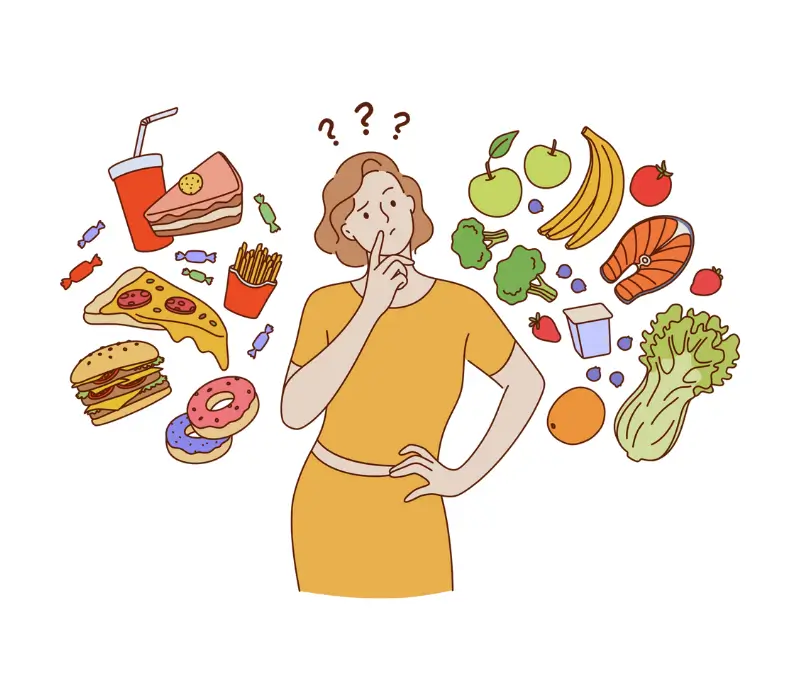
A healthy, balanced diet is the cornerstone of any effective weight loss plan.
Aim to include a variety of nutrient-dense foods: lean proteins, healthy fats, fiber-rich vegetables, and whole grains. Each macronutrient (protein, fat, and carbs) is essential in weight loss.
Protein helps build and maintain muscle, fat supports hormone regulation, and carbohydrates fuel your body’s energy needs. Avoid overly processed foods, which are high in sugar and unhealthy fats and hinder your progress.
Don’t: Skip Meals or Starve Yourself
Skipping meals or drastically cutting calories can backfire. Skipping meals can slow your metabolism and trigger binge eating later in the day. Starving yourself also depletes your energy, making it harder to stay active and focused.
Instead, eat regular, balanced meals and snacks throughout the day to keep your metabolism running efficiently. Healthy snacks like nuts, fruits, or yogurt can help curb hunger between meals.
Do: Practice Consistency Over Perfection
It’s easy to get caught up in trying to be perfect, but consistency matters more. Don’t beat yourself up if you slip up or indulge in a treat. The key to long-term success is getting back on track and staying consistent with your healthy habits.
Focus on steady progress, and your efforts will pay off over time. A sustainable weight loss plan involves making small, permanent changes you can maintain for life.
Don’t: Compare Yourself to Others
Weight loss is a personal journey, and everyone’s path is different. While it’s natural to want to compare yourself to others, it can lead to frustration and self-doubt. Instead, focus on your progress and celebrate your achievements.
Remember, someone else’s success doesn’t diminish your own. Stay focused on your goals, and trust that your hard work will eventually pay off.
Do: Track Your Progress Regularly
Tracking your progress can keep you motivated and help you identify areas for improvement. Whether you take weekly measurements, track your weight, or note how your clothes fit, monitoring your progress gives you tangible evidence of your hard work.
Use apps or journals to track your meals, exercise, and mood. This will help you spot patterns and make adjustments as needed.
Don’t: Get Discouraged by Setbacks
Everyone faces setbacks in their weight loss journey. Whether it’s hitting a plateau or experiencing a period of indulgence, setbacks don’t mean failure. They’re simply part of the process.
When you face challenges, remember that weight loss is a marathon, not a sprint. Keep pushing forward and stay positive. Persistence is the key to overcoming obstacles and continuing your progress.
Do: Stay Hydrated
Water is crucial to weight loss. It keeps you hydrated and supports digestion, metabolism, and fat-burning. Sometimes, thirst is mistaken for hunger, which can lead to overeating.
Aim to drink at least eight glasses of water daily, and more if you’re physically active. You can also hydrate with herbal teas or fruit-infused water for added flavor.
Effective Weight Loss Plan for a Healthier You
An effective weight loss plan is more than cutting calories or following a trend; it’s about creating a sustainable approach that fits your body and lifestyle. Balance is key to success.
A healthy weight loss strategy includes proper nutrition, regular exercise, and mental well-being. Start with a nutrient-dense diet rich in whole foods like lean proteins, fresh vegetables, healthy fats, and whole grains.
Avoid overly processed foods high in sugar and unhealthy fats, as they can hinder progress and trigger cravings.
Incorporating regular exercise—such as a mix of cardio and strength training—helps burn fat, build muscle, and boost metabolism.
Consistency is vital; set small, achievable goals to maintain motivation and track your progress.
Beyond diet and exercise, mental health is crucial to long-term weight-loss success. Stress, lack of sleep, and emotional eating can sabotage your efforts, so finding ways to manage these challenges is essential.
Mindfulness practices like meditation or yoga can reduce stress, while setting realistic, non-restrictive goals helps keep you from feeling overwhelmed.

A proper weight-loss plan encourages hydration, good sleep, and self-care, which can significantly affect metabolism and overall health.
Remember, the goal isn’t just to lose weight quickly, but to adopt habits that lead to a healthier, happier, and more balanced life in the long run.
A General Weight Loss Plan That Works for Most People
Losing weight doesn’t require a complicated diet or hours in the gym. What matters most is a plan you can actually stick to, one built on simple, repeatable habits rather than drastic short-term fixes. Here’s a general framework that works for most healthy adults.
The Core Principles
- Eat in a mild calorie deficit – Aim for 300–500 calories below your daily maintenance level. This supports steady loss of about 0.5–1 kg (1–2 lbs) per week without triggering extreme hunger.
- Prioritize protein – Target 1.2–1.6 grams per kilogram of body weight daily. Protein preserves muscle, keeps you full, and burns more calories during digestion.
- Fill up on fiber – Vegetables, fruits, beans, and whole grains add volume and satisfaction with fewer calories.
- Drink mostly water – Swap sugary drinks and excess alcohol for water, herbal tea, or black coffee.
- Move daily – Combine strength training 2–3 times a week with 150+ minutes of moderate cardio, plus everyday movement like walking.
- Sleep 7–9 hours – Poor sleep raises hunger hormones and makes cravings harder to resist.
- Track loosely – Logging meals or steps for a few weeks builds awareness without obsessing.
A Sample Day
| Breakfast | Greek yogurt with berries, chia seeds, and a handful of nuts |
| Lunch | Grilled chicken or tofu, quinoa, and a large mixed salad with olive oil |
| Snack | Apple with peanut butter or a boiled egg |
| Dinner | Baked fish or lentils, roasted vegetables, and a small portion of brown rice |
| Treat | A square of dark chocolate or a small bowl of fruit |
Weekly Structure
- 3–4 days: Strength training (squats, push-ups, rows, lunges)
- 3–5 days: 30–45 minutes of brisk walking, cycling, or swimming
- 1–2 days: Rest or gentle activity like stretching or yoga
- Daily: 7,000–10,000 steps if possible
Habits That Make It Stick
Plan meals before grocery shopping, prep ingredients on weekends, keep healthy snacks visible, and allow flexibility for meals you enjoy. Progress isn’t linear; expect plateaus and adjust gradually rather than overhauling everything at once.
Who Should Not Follow This Plan
This general plan is not suitable for everyone. Speak with a doctor or registered dietitian before starting if you:
- Are pregnant or breastfeeding
- Have type 1 diabetes, type 2 diabetes on insulin, or reactive hypoglycemia
- Have a history of an eating disorder or disordered eating
- Have kidney disease, liver disease, or heart failure
- Take medications that affect blood sugar, blood pressure, or fluid balance
- Have thyroid disorders or other hormonal conditions
- Are under 18 or over 65 with chronic health issues
- Have recently had surgery or are recovering from illness
- Are severely obese and need medically supervised weight loss
- Take blood thinners or have conditions requiring careful dietary control
Children, adolescents, and anyone with a medical condition should follow their healthcare provider’s guidance rather than a general plan.
FAQs
Q. What is the best weight loss plan for beginners?
The best weight loss plan for beginners focuses on simple, sustainable changes rather than drastic restrictions. Start by cutting out processed foods, reducing sugar intake, and focusing on whole, nutrient-rich foods like vegetables, fruits, lean proteins, and whole grains.
Regular exercise, like walking, cycling, or light strength training, is key. Aim for consistency rather than perfection, and gradually build healthy habits.
Keeping a food diary or using an app to track meals and workouts can also help you stay on track. Most importantly, focus on small, achievable goals to avoid feeling overwhelmed.
Q. How long should it take to see results from a weight loss plan?
The time it takes to see noticeable results depends on several factors, including your starting weight, diet, and exercise routine.
Typically, with consistent effort, most people start seeing changes in 4 to 6 weeks, such as improved energy levels, body measurements, or weight loss of 1-2 pounds per week. However, significant weight loss may take longer.
Focus on gradual, healthy changes rather than expecting quick fixes. Remember, sustainable weight loss is a marathon, not a sprint, and patience is key to long-term success.
Q. Is it possible to lose weight without exercising?
While exercise can significantly speed weight loss and improve overall health, you can lose weight through dietary changes alone. You can lose weight by creating a calorie deficit (burning more calories than you consume).
Focus on a balanced diet rich in whole foods, portion control, and reducing processed and high-calorie foods. However, combining diet changes with light physical activity, like walking or stretching, can help preserve muscle mass and improve metabolic health.
Ideally, adding exercise strengthens your weight-loss efforts and helps maintain long-term results.
Q. How can I manage cravings while on a weight loss plan?
Managing cravings during a weight loss plan involves staying hydrated, eating balanced meals, and finding healthy substitutes for your favorite indulgences.
Drinking water can curb hunger, as thirst is often mistaken for hunger. Include fiber-rich foods, like vegetables and whole grains, to keep you fuller longer.
If you experience sugar cravings, choose fruit or healthier snacks like nuts. Mindful eating, paying attention to your hunger cues and eating slowly, can also help prevent overeating.
Lastly, managing stress through relaxation techniques like meditation can help reduce emotional eating triggers.
Q. Should I take weight loss supplements while following a diet plan?
While weight loss supplements may promise quick results, they are not a substitute for a healthy diet and exercise routine.
Many supplements have temporary effects and can cause side effects. Focus on sustainable lifestyle changes, like eating a balanced diet, staying active, and getting enough sleep.
If you’re considering supplements, consult a healthcare professional or a registered dietitian before using them to ensure they are safe and effective. Real weight loss usually comes from consistent, long-term changes rather than relying on pills or shakes.
Conclusion
Sustainable weight loss isn’t about perfection; it’s about consistency. A mild calorie deficit, enough protein, regular movement, and good sleep will outperform any crash diet over time.
Use this plan as a flexible starting point, adjust it to your preferences, and check with a professional if you fall into any of the groups above. Slow, steady progress is the goal, and it’s the kind that lasts.
Read more articles on Health Tips.