Learn the key signs of paranoia, what causes them, and how to treat this complex mental health condition. Discover practical strategies for coping and healing today.
Paranoia can make everyday life feel unsafe, confusing, and exhausting. A person experiencing it may believe others are watching, judging, or trying to harm them, even when there is little or no evidence.
Although mild suspiciousness can happen to anyone at times, persistent paranoia may point to an underlying mental health or medical issue. Understanding the signs, causes, and treatment options can make it easier to recognize when help is needed.
What Is Paranoia?
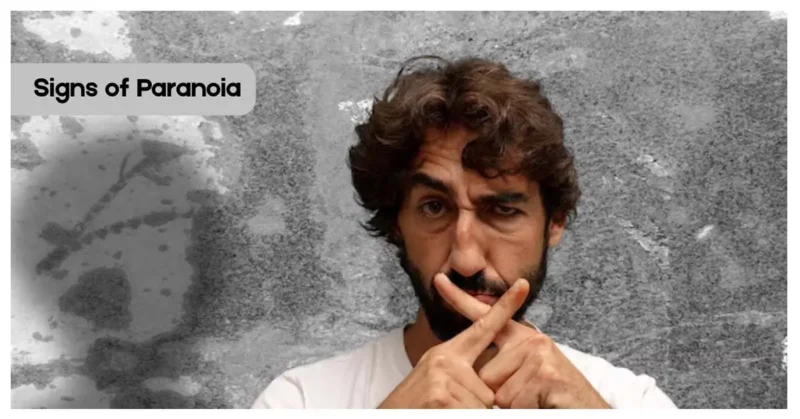
Paranoia is a pattern of intense mistrust or suspicion that is often disproportionate to the situation. It can affect the way a person interprets conversations, actions, and events.
Someone with paranoia may think others have hidden motives or are trying to deceive, embarrass, or harm them. These thoughts can feel very real to the person experiencing them, even if others see no reason for concern.
Common Signs of Paranoia
Paranoia can show up in different ways, depending on the person and the cause. Some signs are mild, while others can interfere with daily life.
Common signs include:
- Constantly questioning other people’s intentions.
- Believing others are lying, gossiping, or plotting.
- Feeling targeted or watched without clear evidence.
- Reading threats into ordinary comments or situations.
- Avoiding friends, family, or social settings because of fear.
- Becoming defensive, guarded, or easily offended.
- Struggling to trust coworkers, partners, or healthcare providers.
- Holding onto grudges because of suspected betrayal.
In some cases, paranoia may also lead to irritability, anxiety, sleep problems, or trouble concentrating.
What Causes Paranoia?

There is no single cause of paranoia. It often develops because of a combination of biological, psychological, and environmental factors.
Possible causes include the following:
- Chronic stress or severe anxiety.
- Trauma or abuse, especially in childhood.
- Sleep deprivation.
- Substance use, including alcohol or drugs.
- Certain mental health conditions.
- Neurological conditions or brain changes.
- Social isolation or long-term fear-based experiences.
Paranoia can also be part of disorders such as paranoid personality disorder, delusional disorder, schizophrenia, bipolar disorder, or depression with psychotic features. In some cases, medical problems or medication side effects may also contribute.
Paranoia vs Normal Suspicion
Not every suspicious thought is paranoia. It is normal to feel cautious in unsafe situations or to question people when something genuinely seems wrong.
The difference is that paranoia is usually stronger, more persistent, and less connected to real evidence. It may continue even when reassurance is offered or when facts suggest there is no threat.
How Paranoia Affects Daily Life
When paranoia becomes frequent, it can affect relationships, work, and overall well-being. A person may withdraw from others, misinterpret harmless actions, or feel constantly on edge.
Over time, this can create more stress and isolation, which may make the paranoia worse. That is why early support can be important.
Treatment Options
Treatment depends on what is causing the paranoia. Many people improve with the right combination of therapy, medication, and support.
Treatment options may include:
- Psychotherapy: Cognitive behavioral therapy can help a person challenge suspicious thoughts and develop healthier thinking patterns.
- Medication: Antipsychotic or anti-anxiety medications may be prescribed by doctors in certain situations.
- Treating underlying conditions: If paranoia is linked to depression, bipolar disorder, substance use, or another condition, treating that issue can reduce symptoms.
- Lifestyle support: Better sleep, less alcohol or drug use, and lower stress can also help.
Support from trusted family members or friends can be useful too, especially when it encourages the person to seek professional care.
How Paranoia Affects Relationships and Daily Life
Paranoia doesn’t only live in the mind; it reshapes how a person shows up in relationships and everyday situations. Constant doubt about others’ intentions can turn simple conversations into tense exchanges because the paranoid person may hear criticism, sarcasm, or hidden attacks where none are meant.
Over time, loved ones may feel unfairly accused or shut out, leading to arguments, emotional distance, and broken trust. At work or school, paranoia can cause someone to misinterpret feedback, avoid teamwork, and see colleagues as rivals or threats, which harms performance and career growth.
Daily life can become a tight, exhausting routine of checking, rechecking, and mentally preparing for imagined danger, leaving little space for joy, spontaneity, or genuine connections.
Effective Natural Paranoid Treatments / Remedies
While medical and psychological treatment are central, many natural strategies can support recovery and ease paranoid thinking. Grounding practices like deep breathing, mindfulness meditation, or gentle yoga help calm the nervous system so thoughts feel less intense and overwhelming.
A consistent routine with regular sleep, balanced meals, and physical activity supports brain health and can reduce stress‑driven suspicion. Limiting substances such as alcohol, cannabis, and stimulants is also important because they can trigger or worsen paranoid thoughts in vulnerable people.
Finally, connecting with trusted peers through support groups, community spaces, or faith and cultural networks can reduce loneliness, challenge fearful assumptions, and remind the person that safe, reliable relationships are still possible.
Living With Paranoia: Practical Coping Tips
Living with paranoia means learning daily skills that help you question fearful thoughts without denying how real they feel in the moment. Keeping a thought journal where you jot down suspicious ideas alongside evidence for and against them can gradually weaken automatic paranoid interpretations.
Simple grounding techniques, such as naming five things you can see, four you can touch, three you can hear, and so on, bring attention back to the present when your mind races with “what if” scenarios.
Building a small circle of people you trust and being honest about your struggles allows them to offer reassurance, reality checks, and support when symptoms flare.
Most importantly, combining these self-help tools with professional care gives you a realistic path to managing paranoia instead of letting it silently rule your decisions and relationships.
When to Seek Help
It is a good idea to seek help if suspicious thoughts occur often, grow stronger, or cause problems in daily life. You should also get support if paranoia is affecting relationships, work, sleep, or safety.
Immediate help is important if paranoia comes with hallucinations, confusion, substance use, or thoughts of self-harm. A physician or mental health expert can assist in determining the cause and suggesting the best course of action.
FAQs on paranoia treatment
Q. Is paranoia a mental illness?
Paranoia itself is a pattern of thinking characterized by intense distrust and suspicion, often without solid evidence, rather than a single, standalone diagnosis.
It may be a sign of mental illnesses such as schizophrenia, delusional disorder, paranoid personality disorder, or mood disorders with psychotic characteristics.
That is why a professional assessment looks at the full picture, not just the suspicious thoughts. Understanding whether paranoia is part of a wider condition helps guide the most effective treatment plan.
Q. Can stress cause paranoia?
Severe or long-term stress can keep the brain in a constant “danger alert” mode, which makes people more likely to misinterpret neutral events as threats.
When someone is exhausted, worried, and overloaded, harmless comments or everyday situations can start to feel like they are targeted or hostile. Over time, this can feed patterns of suspicion that look like paranoia, especially if there is past trauma or little social support.
Reducing stress and improving coping skills are often a key part of treatment when paranoid thoughts appear in high‑stress lives.
Q. Does paranoia go away on its own?
Mild suspiciousness linked to temporary stress may ease once the situation improves, sleep returns, and the person feels safer again.
However, persistent or intense paranoid thoughts are less likely to disappear without help, especially when they are part of a diagnosable mental health or medical condition.
Without treatment, paranoia can strain relationships, work, and overall functioning and may gradually worsen. Early professional support gives the best chance of reducing symptoms and preventing long‑term complications.
Q. What is the best treatment for paranoia?
There is no single “best” treatment because the right approach depends on what is causing the paranoia and how severe it is.
Psychotherapies such as cognitive behavioral therapy are widely used to help people question suspicious thoughts, rebuild trust, and develop healthier coping strategies.
When paranoia is part of conditions like schizophrenia or delusional disorder, doctors may also recommend antipsychotic or other medications to manage symptoms.
Many people benefit most from a combined plan that addresses mental and physical health, lifestyle, and social support.
Q. Why am I getting paranoid about everything?
Feeling paranoid about everything may result from chronic anxiety, high stress, past trauma, or isolation. Your brain might be overstimulated by fear or uncertainty, causing you to misinterpret situations as threatening.
Sleep deprivation, excessive pondering, and exposure to upsetting material can all exacerbate it. It may occasionally be an indication of a more serious mental health condition, such as a mood illness or delusional thinking.
If these thoughts still bother you or get in the way of your daily activities, speaking with a therapist may provide clarity and comfort. You are not alone, and there is support available.
Q. How do I stop my paranoia?
To stop paranoia, begin by recognizing your thoughts without judgment and grounding yourself in the present. To find trends and triggers, keep a notebook. Every day, engage in deep breathing, mindfulness, and relaxation techniques.
To get perspective, discuss your anxieties with a therapist or close friend. Steer clear of drugs and alcohol, as these might exacerbate paranoid thoughts.
You may require therapy and medication if your symptoms are bothersome or frequent. It takes time to recover, but every little step helps you feel more balanced and safe.
Q. Can you self-treat paranoia?
Self-help techniques, including journaling, reducing stressful triggers, and practicing mindfulness, can frequently aid people with mild paranoia.
Reducing anxious thoughts can be achieved by establishing a healthy routine, obtaining enough sleep, and partaking in relaxing activities. Professional assistance is necessary, nevertheless, if your paranoia worsens, persists, or gets in the way of your day-to-day activities.
In moderate to severe cases, self-treatment is a useful first step but should not be used in place of therapy. The finest results are frequently obtained by combining the two methods. Do not be afraid to ask for help.
Final Thoughts on What is Paranoia
Paranoia is more than occasional worry. When suspicious thoughts become intense or persistent, they can seriously affect a person’s quality of life.
The good news is that paranoia is treatable, especially when the cause is identified early. With proper care, many people can reduce their symptoms and feel more secure again.
If you recognize these signs of paranoia in yourself or someone you care about, you do not have to face them alone. Speak with a licensed mental health practitioner to talk about your symptoms and determine what’s causing them.
Early support can prevent paranoia from taking over your relationships, work, and well-being and make recovery smoother and more sustainable. Taking the first step to ask for help is a powerful move toward clarity, safety, and a more peaceful mind.
Read more about Health and Wellness tips.
You might like to read: