
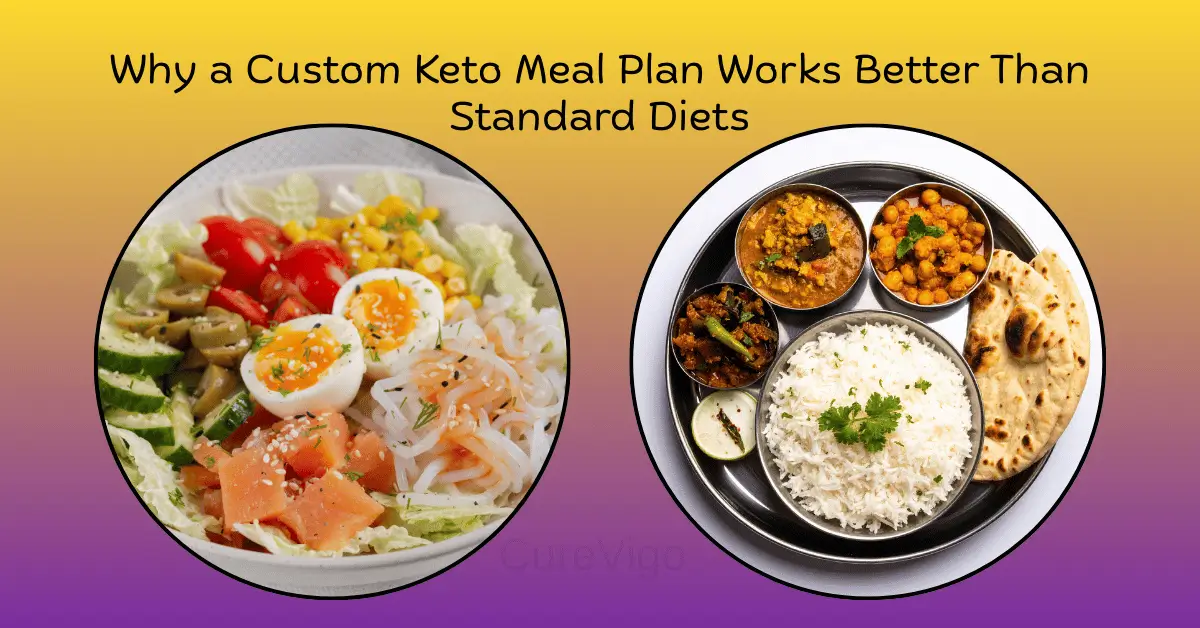
Many people follow popular diet programs in hopes of losing weight quickly. These programs often promise impressive results but rely on generic rules.
Thank you for reading this post, don't forget to subscribe!When a diet ignores individual differences, it becomes difficult to maintain for long. This is why many people abandon standard diets after only a few weeks.
A custom keto meal plan focuses on the individual rather than a general audience. It adjusts food choices, portion sizes, and daily macros based on personal needs.
Instead of forcing the body into a strict template, the plan works with natural metabolism and daily habits.
Because it alters how the body generates energy, the ketogenic diet has become more and more popular.
When carbohydrates are limited, the body shifts to burning fat instead of glucose. This process creates ketones, which become the body’s new energy source.

A personalized ketogenic diet plan improves this process by selecting foods that support long-term sustainability.
Instead of following random internet advice, the plan helps individuals understand their nutritional needs and build a consistent lifestyle.
Understanding the Ketogenic Diet
What is a Ketogenic Diet?
A ketogenic diet is a nutritional strategy that prioritizes consuming more fat and relatively little carbohydrate.
This combination encourages the body to enter a metabolic state called ketosis. In ketosis, fat becomes the primary fuel instead of carbohydrates.
The goal of the diet is not simply to remove carbs but to encourage metabolic efficiency.
When the body produces ketones, it can use stored fat as a steady energy source. Many people notice improved appetite control and more stable energy levels.
Some individuals confuse ketosis with a medical issue sometimes referred to as ketosis disease.
In reality, nutritional ketosis is a controlled and natural process. It is different from diabetic ketoacidosis, which is a serious medical condition.

Understanding this difference helps people approach the ketogenic diet with confidence.
With proper planning and balanced nutrition, ketosis can be maintained safely as part of a healthy lifestyle.
Limitations of Standard Diets
Standard diets often assume everyone should follow the same plan. These programs usually recommend identical calorie limits and meal patterns.
While simple to understand, this approach ignores the complex nature of human metabolism.
One person may lose weight easily with a certain calorie level, while another may struggle on the same plan.
Hormones, activity levels, and body composition all influence how the body responds to food. This is why many people regain weight after leaving traditional diet programs.
Standard diets also limit food choices without offering practical alternatives. For example, eating outside the home becomes difficult.
A custom keto plan solves this problem by identifying low-carb options in many popular restaurants.
Someone following a keto lifestyle can enjoy meals such as a Chipotle keto diet bowl with lettuce and grilled protein.
Others may choose a low-carb Panera salad or a protein-focused meal at a café. Even beverages like a carefully chosen keto Starbucks drink can fit into the plan when selected wisely.
Benefits of a Custom Keto Meal Plan
Personalized Nutrition
A custom keto meal plan recognizes that each body functions differently. Factors such as age, genetics, physical activity, and health conditions influence how nutrients are processed.
A personalized approach adjusts food choices to match these factors.
For example, someone who exercises frequently may require additional protein for muscle recovery.
Another individual with a slower metabolism may benefit from slightly lower calorie intake while maintaining healthy fats.
Personalized plans also take into account cultural food preferences and lifestyle habits.
A person who enjoys Asian cuisine may include meals similar to keto-friendly Chinese food, adapted with low-carb sauces and vegetables.
Similarly, someone who enjoys cooking at home might prepare dishes like keto beef stir-fry or a flavorful low-carb stir-fry with garlic, ginger, and healthy oils.
These meals provide satisfaction while keeping carbohydrate levels low.
Flexibility and Sustainability
The greatest advantage of a custom keto plan is sustainability. Diets fail when they feel restrictive or unrealistic.
By including foods that people enjoy, a customized plan becomes easier to maintain for months or even years.
Flexibility allows individuals to experiment with new recipes. A keto lifestyle may include desserts such as a keto cream cheese dessert made with natural sweeteners.
Some people also prepare bread alternatives like a Wonder Bread chaffle, which uses eggs and cheese instead of flour.
International dishes can also be adapted for keto lifestyles. A traditional South Indian dish can be made into a keto dosa by using low-carb flour alternatives.
These adaptations make the diet more enjoyable and culturally inclusive.
Eating out can also remain part of the lifestyle. Some people explore keto at Olive Garden by selecting grilled meats and vegetables instead of pasta.
With the right strategy, restaurant dining need not break ketosis.
Foods That Require Caution on Keto
While many foods work well within a keto diet, some ingredients contain hidden carbohydrates. Recognizing these foods helps maintain ketosis and avoid unexpected blood sugar spikes.
One common example is corn on keto diets. Corn contains a relatively high amount of carbohydrates, which can quickly exceed daily carb limits.
Even small portions may disrupt ketosis for some individuals.
Bread products are another source of hidden carbohydrates. The typical hamburger bun’s carbs can reach twenty grams or more per serving.
This amount may exceed the total daily carbohydrate allowance for strict keto diets.
Some people also question beverages such as Diet Coke on keto. While technically low in carbohydrates, artificial sweeteners may increase cravings for sugary foods.
Moderation and individual tolerance should guide these decisions.
Innovative Keto Recipes for Everyday Meals
A custom keto meal plan often includes creative recipes that replace high-carb ingredients with healthier alternatives. These recipes help maintain variety and reduce diet fatigue.
Many people enjoy preparing homemade versions of classic comfort foods. For example, a keto hamburger helper can be made using low-carb noodles or vegetable substitutes.
This approach preserves familiar flavors while maintaining nutritional goals.
Dessert lovers can also find keto-friendly options. Recipes using keto fresh cream, cocoa powder, and natural sweeteners create satisfying treats without excessive sugar.
Some individuals experiment with packaged keto products such as keto katz snacks, which are designed specifically for low-carb diets.
However, many nutrition experts recommend prioritizing whole foods whenever possible.
Well-known keto educators, including Kasey Trenum, often emphasize the importance of balanced nutrition.
Their guidance highlights the value of combining healthy fats, moderate protein, and nutrient-rich vegetables.
How to Create a Custom Keto Meal Plan
Assessing Individual Needs
The first step in creating a personalized keto plan is evaluating personal health goals. While some people want to lose weight, others want to control their blood sugar better or have more energy.
Understanding daily routines also plays an important role. Work schedules, exercise habits, and sleep patterns all influence nutritional requirements.

A thoughtful assessment ensures the diet supports real life rather than disrupting it.
Tracking food intake for a few days before starting keto can provide useful insights. This practice helps identify carbohydrate sources that may prevent ketosis.
It also reveals patterns that can be improved with small adjustments.
Meal Planning and Preparation
Meal planning makes the ketogenic diet easier to follow. Preparing ingredients in advance reduces stress during busy days and prevents impulsive food choices.
A balanced keto meal often includes healthy fats such as olive oil or avocado.
Moderate protein sources may include chicken, fish, or beef. Low-carbohydrate vegetables provide important vitamins and fiber.
Preparation also helps avoid foods that disrupt ketosis. Ingredients like corn, sugary sauces, or refined bread products can quickly increase carbohydrate intake.
Replacing them with keto alternatives keeps the body in fat-burning mode.
FAQs
Q. Why does keto work better than other diets?
Many people find keto effective because it changes the body’s main fuel source. When carbohydrate intake drops, the body begins burning stored fat for energy rather than glucose.
This often helps reduce hunger and maintain steady energy levels throughout the day.
Compared with many calorie-restricted diets, people may find keto easier to stick with because it focuses more on food quality and metabolic balance.
Q. Can a keto diet cause high AST and ALT?
AST and ALT are enzymes that doctors use to check liver health. Some people notice small changes in these levels when they first switch to a keto diet, especially if the diet suddenly increases fat intake.
In most healthy individuals, these values usually stabilize as the body adapts to the new eating pattern.
If someone already has liver concerns, it is always safer to discuss dietary changes with a healthcare professional.
Q. What is the 3-3-3 rule for weight loss?
The 3-3-3 rule is a simple habit-based approach some people use to stay consistent with weight management.
It generally means eating three balanced meals a day, drinking enough water throughout the day, and adding daily physical activity.
The rule is not a medical guideline but more of a reminder to maintain routine and structure. For many people, consistent habits like these make dieting easier to maintain.
Q. Does keto lower A1C?
For some people, cutting back on carbohydrates can help regulate blood sugar levels. Because the keto diet limits foods that rapidly raise glucose levels, the body may experience fewer blood sugar spikes.
Over time, this can contribute to lower A1C levels for some people, especially those with insulin resistance.
However, anyone managing diabetes should consult a doctor before making major dietary changes.
Q. How did Alia Bhatt lose 16 kg?
Alia Bhatt’s weight loss journey involved a combination of disciplined eating and structured fitness training.
Reports suggest she followed a clean diet with controlled portions and worked with professional trainers.
Her routine included strength exercises, cardio workouts, and activities like yoga. Consistency, professional guidance, and a balanced lifestyle were key factors behind her transformation.
Q. Can I lose 12 kg in 3 months?
Losing twelve kilograms in three months can happen for some people, particularly if they start with a higher body weight.
Achieving this safely usually requires a balanced diet, controlled calorie intake, and regular physical activity.
Some individuals use low-carb approaches or structured meal plans to help maintain consistency. However, results differ for everyone, and gradual progress is generally healthier and easier to maintain.
Q. Why are so many doctors against the keto diet?
Some doctors raise concerns about keto because the diet is sometimes misunderstood or followed incorrectly.
When people rely heavily on processed high-fat foods, the diet may lack important nutrients.
There are also questions about long-term sustainability for certain individuals.
Many healthcare professionals recommend approaching keto carefully and focusing on whole foods rather than extreme restrictions.
Q. What are the 9 rules of keto?
The keto lifestyle typically follows several basic principles, including carbohydrate restriction and balanced nutrition.
These include consuming appropriate amounts of protein, selecting healthy fats, and limiting daily carbohydrate intake.
Hydration and electrolyte balance are also important because the body loses more water in the early stages of ketosis.
Many people also monitor their macronutrient intake to stay within keto limits.
Q. What’s the worst carb for belly fat?
Highly refined carbohydrates tend to contribute the most to belly fat accumulation. Foods like sugary drinks, white bread, pastries, and processed snacks are quickly digested, leading to rapid blood sugar spikes.
When these spikes occur frequently, the body may store more fat around the abdomen. Choosing whole foods rich in fiber and with a slower digestion rate can help reduce this effect over time.
Summary
1. A custom keto meal plan focuses on the individual.
Unlike standard diets, a personalized ketogenic diet plan adapts to your body type, lifestyle, and health goals. This makes the diet easier to follow and more practical for long-term results.
2. The keto diet changes how the body produces energy.
The body enters ketosis and begins burning stored fat for energy when carbohydrate intake decreases. This change in metabolism can help maintain stable energy levels and control weight.
3. Standard diets often fail because they use a one-size-fits-all approach.
Many traditional diets rely on strict calorie limits without considering individual metabolism. This can lead to frustration, hunger, and difficulty maintaining results.
4. Personalization improves success with keto.
A custom plan adjusts the balance of fats, protein, and carbohydrates based on daily activity, metabolism, and nutritional needs.
5. Flexibility makes the diet easier to maintain.
A well-planned keto lifestyle can include restaurant options and creative recipes. People may choose keto-friendly meals at places like Chipotle, Panera, or coffee shops when selecting low-carb options.
6. Keto allows a variety of satisfying foods.
Meals such as keto beef stir fry, low-carb stir fry, or desserts made with cream cheese alternatives help maintain variety and enjoyment while staying within keto guidelines.
7. Understanding hidden carbohydrates is important.
Foods such as corn, bread, and traditional hamburger buns are high in carbohydrates and can interrupt ketosis if eaten frequently.
8. Meal planning improves consistency.
Preparing meals ahead of time helps people avoid high-carb foods during busy days and supports long-term adherence to the diet.
9. Keto may support better blood sugar control.
Reducing carbohydrates can help stabilize blood sugar levels and may improve A1C for some individuals.
10. Long-term success depends on sustainable habits.
The most effective keto plans focus on balanced nutrition, realistic food choices, and lifestyle habits rather than extreme restrictions.
11. A customized approach supports lasting results.
Instead of a short-term diet, a personalized keto meal plan can become a long-term, healthful way of eating by matching food choices to individual preferences and health needs.
Conclusion: Why a Personalized Keto Plan Makes the Difference
Diet success rarely comes from rigid formulas. Every person has unique nutritional requirements, habits, and goals.
A custom keto meal plan acknowledges these differences and builds a strategy that supports the individual rather than forcing them into a generic framework.
By focusing on personalization, flexibility, and sustainable food choices, a customized ketogenic diet can create a healthier relationship with nutrition.
Whether someone enjoys home-cooked meals, international recipes, or carefully selected restaurant options, the plan adapts to real life.
In the long term, this personalized approach fosters consistency, the most important factor in achieving lasting results.
A thoughtful keto strategy is not simply about reducing carbohydrates.
It is about understanding the body, making informed food choices, and building habits that support long-term health.
Get practical Health and Wellness Tips.
You might like: