

Explore simple home remedies to ease knee pain, support mobility, and make everyday movement more comfortable.
Fast home remedies for knee pain can provide immediate, safe, temporary relief for minor injuries, muscle stiffness, or arthritis flare-ups without a doctor’s visit.
Top Fast Home Remedies
- RICE Protocol: To reduce swelling, rest the joint, apply a towel-wrapped ice pack for 15 to 20 minutes, apply a compression bandage, and raise your leg above your heart.
- Cold vs. Heat Therapy: Use cold packs immediately after a fresh injury or acute flare-up to numb pain and limit inflammation. Switch to a warm bath, heating pad, or warm compress for chronic stiffness and tense muscles.
- Gentle Stretches & Massage: Perform a 30-second quadriceps stretch or light knee extensions to ease tight surrounding muscles. Gently massage the area using warm sesame or mustard oil to loosen joint stiffness.
- Anti-Inflammatory Spices: Drink turmeric and ginger tea or use natural extracts, as curcumin and ginger have proven anti-inflammatory and pain-relieving qualities.
Understanding Knee Pain: Causes and Symptoms

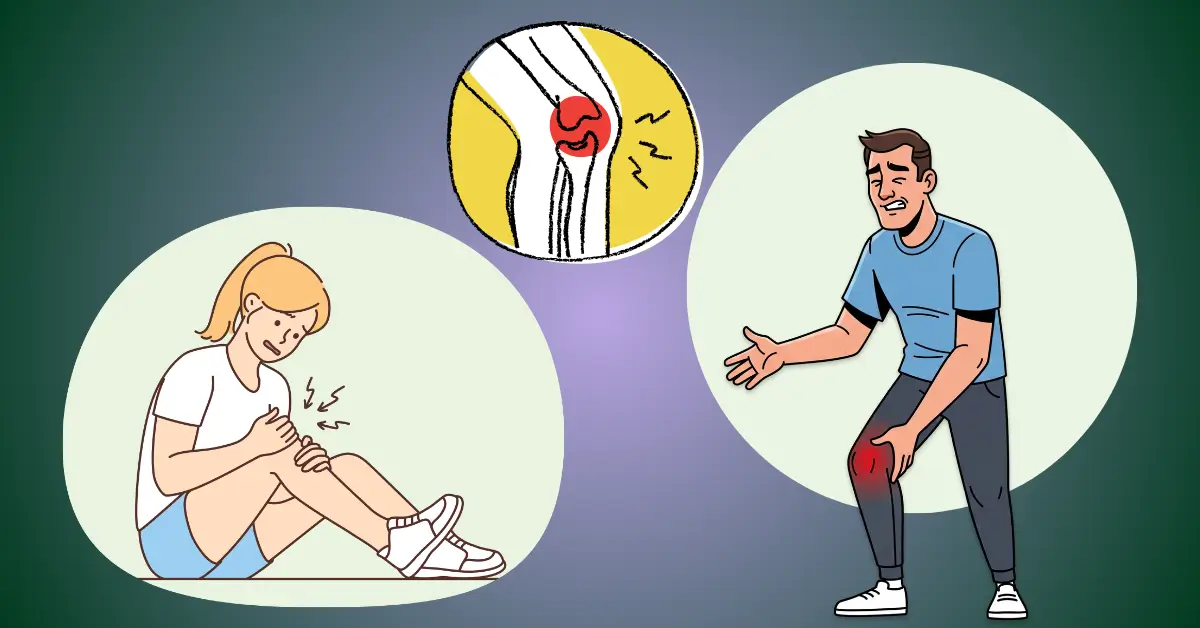
Knee pain is a common problem. It affects people of all ages. Injuries can cause it.
These include a ruptured ligament or torn cartilage. Medical conditions can also cause it. Examples are arthritis, gout, and infections.
Knowing the causes is important. Understanding the symptoms is also key. This helps in treating knee pain effectively.
Common Causes of Knee Pain
- Injuries: Sprains, strains, and fractures.
- Arthritis: Osteoarthritis, rheumatoid arthritis, and gout.
- Overuse: Repetitive motions that can lead to conditions like tendinitis.
- Bursitis: Inflammation of the bursae, the tiny sacs of fluid that cushion the outside of your knee joint.
Symptoms to Watch For
- Swelling and stiffness
- Redness and warmth to the touch
- Weakness or instability
- Popping or crunching noises
- Inability to fully straighten the knee
Home Remedies for Knee Pain Relief
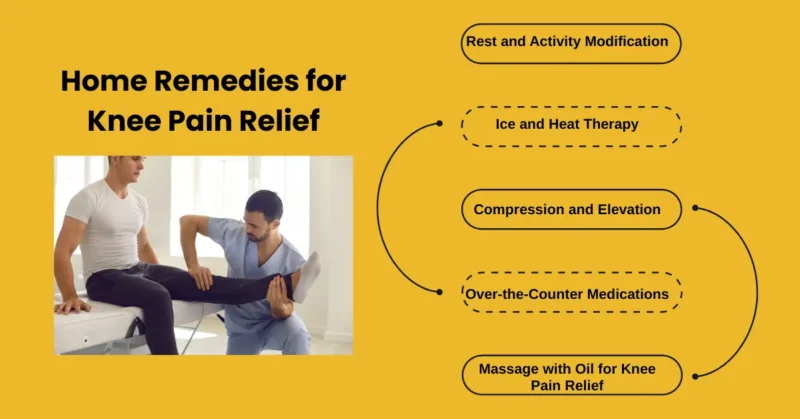
1. Rest and Activity Modification
Knee discomfort, typically from overuse or injury, responds well to rest. Avoid activities that worsen the pain and let the knee heal.
High-impact exercises like running or jumping can worsen the condition. Instead, incorporate low-impact exercises such as swimming or cycling to maintain fitness without straining the knee.
These activities help keep the muscles around the knee strong and flexible, supporting the joint and overall knee health.
2. Ice and Heat Therapy
Applying ice packs to the knee can significantly reduce inflammation and numb the area, relieving acute pain.
Use ice packs for 15-20 minutes every few hours during the first 48 hours after pain begins. This initial period is crucial for minimizing swelling and controlling pain.
After that, heat therapy can help. Applying a warm compress or heating pad to the knee helps relax and loosen tissues and stimulates blood flow to the area, supporting healing and reducing stiffness.
3. Compression and Elevation
A compression bandage helps reduce swelling and support the knee, which can be especially beneficial during activities that might strain it. Ensure the bandage is snug but not so tight that it impedes circulation.
Elevating the knee above heart level also reduces swelling by allowing fluids to drain away from the area. Lying down and propping your leg up on cushions is an easy way to do this.
4. Over-the-Counter Medications
These medications work by blocking substances in the body that cause inflammation. Always follow the recommended dosage instructions and consult a healthcare provider if you have concerns or are taking other medications to avoid potential interactions.
5. Massage with Oil for Knee Pain Relief
Massaging the knee with oil can provide several benefits for knee pain relief. Oils like olive and coconut, and essential oils like eucalyptus or peppermint, have anti-inflammatory and analgesic properties that can help reduce pain and inflammation.

Benefits of Oil Massage
- Improved Blood Circulation: Massaging with oil stimulates blood flow to the affected area, speeding healing.
- Reduced Muscle Tension: Regular massage helps to relax tense muscles around the knee, reducing pain and improving flexibility.
- Increased Joint Lubrication: Oils can help lubricate the knee joint, reducing stiffness and enhancing mobility.
How to Perform Oil Massage:
- Warm the Oil: Slightly warm the oil you choose to enhance its soothing effects.
- Apply Gently: Gently rub the warm oil onto the knee area in a circular motion.
- Massage Duration: Continue massaging for 10–15 minutes to allow the oil to penetrate the skin.
- Repeat Regularly: For best results, perform this massage 1-2 times daily.
Precautions
- Skin Sensitivity: Do a patch test before regular use to ensure you’re not allergic to the oil.
- Proper Technique: Avoid applying too much pressure, which could aggravate the pain.
Incorporating oil massage into your knee pain management routine can complement treatments like rest, ice, and compression, providing holistic relief and promoting overall joint health.
In a nutshell, you can easily understand all the above with the following diagram:
Physical Therapy and Exercises for Knee Pain Relief

Strengthening Exercises
Strengthening the muscles around the knee, particularly the quadriceps, hamstrings, and calves, can provide better support to the knee joint.
Quadriceps Strengthening:
- Straight Leg Raises: Lie on your back with one leg bent and the other straight. Slowly lift the straight leg to about the height of the bent knee.
Hold for a few seconds, then lower it back down. Repeat 10-15 times.
Hamstring Strengthening:
- Hamstring Curls: Stand behind a chair and hold onto it for support. Slowly bend one knee, bringing your heel toward your buttocks. Hold for a few seconds, then lower it back down. Repeat 10–15 times on each leg.
Flexibility and Stretching
Keeping the knee flexible can prevent stiffness and improve the range of motion. Include gentle stretching exercises in your daily routine.
Calf Stretch:
- Stand facing a wall with your hands on the wall at eye level. Step one leg back, keep it straight, and bend the front knee. Press the back heel into the floor and hold for 20–30 seconds. Switch legs and repeat.
Alternative Treatments
Acupuncture
Acupuncture involves inserting thin needles into specific points on the body to relieve pain. Some studies suggest that acupuncture can help reduce knee pain and improve function, particularly in individuals with osteoarthritis.
Herbal Remedies for Knee Pain Relief

Certain herbs have anti-inflammatory properties that can help alleviate knee pain.
Turmeric:
- Turmeric Tea: Boil a cup of water with a teaspoon of turmeric powder. Add honey and lemon for taste. Drink this twice daily for its anti-inflammatory benefits.
Ginger:
- Ginger Compress: Grate fresh ginger and apply it to the affected area for 20-30 minutes. You can also drink ginger tea or take it as a supplement.

When to See a Doctor
While home remedies can help, seek medical attention if you have severe pain, significant swelling, or can’t bear weight on your knee. Persistent symptoms may indicate a more severe condition that requires professional treatment.
Summary
Fast home remedies for knee pain depend on whether your discomfort is a sudden injury (acute) or a long-term ache (chronic, like arthritis).
Immediate (Acute) Relief: The RICE Method
- Rest: Take weight off the knee and avoid activities that trigger pain.
- Ice Therapy: Apply an ice pack for 15 to 20 minutes, covered with a small cloth, to reduce swelling and numb severe discomfort.
- Compression: Wear a soft elastic bandage or a basic compression sleeve to stabilize the joint and control fluid buildup.
- Elevation: To help fluid drain away, raise your leg on cushions so your knee is above your heart.
Chronic or Stiffness Relief: Heat and Massage
- Heat Therapy: To alleviate stiff joints and calm tense muscles, use a heating pad, compress, or warm bath for 15 to 20 minutes.
- Therapeutic Oils: To improve local circulation, gently massage the area around the knee (avoiding direct pressure on the kneecap) with warm mustard oil, sesame oil, or a few droplets of olive oil mixed with a carrier oil.
- Anti-Inflammatory Drinks: Sip warm turmeric (haldi) milk or ginger tea, as curcumin and ginger contain natural compounds that help calm joint inflammation.
Gentle Movement & Support
- Pillow Support: If you rest or sleep on your back, place a small rolled pillow or towel under your knee to ease strain on the joint.
- Low-Impact Stretches: Perform seated quadriceps sets (tightening your thigh muscle while pushing the back of the knee flat against a rolled towel for 5 seconds) to activate surrounding muscles without overloading the joint.
FAQs on Knee Pain Relief
Q. How to stop knee pain fast?
Avoid activities that exacerbate the knee pain and rest it. To lessen swelling, apply a cloth-wrapped ice pack for 15 to 20 minutes multiple times a day. When sitting or lying down, raise the leg above heart level.
Over-the-counter anti-inflammatory medicines like ibuprofen can ease pain and inflammation. If pain is severe or persists beyond a few days, see a doctor.
Q. Which oil works best to relieve knee pain?
You can achieve warming or cooling effects by diluting essential oils in a carrier oil. Pain is diverted by the cooling effect of peppermint oil. Eucalyptus oil has anti-inflammatory properties and improves circulation.
Lavender oil helps relax muscles and reduce stress. Always dilute essential oils with coconut or olive oil before applying, and test on a small area of skin first.
Q. How can I repair my knees naturally?
Strengthen the muscles around the knee with low-impact exercises like swimming, cycling, or straight-leg raises. To lessen joint tension, maintain a healthy weight.
Eat anti-inflammatory foods rich in omega-3s, like salmon, walnuts, and flaxseed. Include collagen-rich foods such as bone broth.
Gentle stretching and yoga improve flexibility. Rest and ice help during flare-ups.
Q. What can I drink to stop knee pain?
Turmeric tea with black pepper is a popular anti-inflammatory drink. Ginger tea offers similar pain-relieving benefits. Green tea contains antioxidants that may reduce joint damage.
Several studies show that tart cherry juice can reduce inflammation and ease joint pain. Bone broth provides collagen and minerals that support joint health. Staying well hydrated also keeps joints lubricated.
Q. What is the quickest way to treat knee pain at home?
The RICE approach- rest, ice, compression, and elevation- is the quickest treatment. To minimize swelling and numb discomfort, apply ice for 15 to 20 minutes.
For mild compression, cover the knee with an elastic bandage. Elevate the leg to drain excess fluid. Pair this with an over-the-counter anti-inflammatory medicine for quicker relief.
Q. Can I rub castor oil on my knees?
Yes, castor oil is safe to rub on knees for many people. It has natural anti-inflammatory properties that may ease stiffness and discomfort.
After warming it, massage the oil into the knee in circular motions for several minutes.
Some people cover the knee with a warm cloth afterward to help absorption. Avoid use if you have sensitive skin or open wounds.
Conclusion
Effectively managing knee pain involves a delicate blend of rest, targeted physical therapy, natural home remedies, and, when needed, professional medical intervention.
By embracing a holistic approach, individuals can begin a healing journey that includes thoughtful lifestyle adjustments.
This comprehensive strategy not only eases knee pain but also supports overall well-being, helping individuals reclaim the joys of movement and improve their quality of life.
Read more articles on Health and Wellness Tips.