
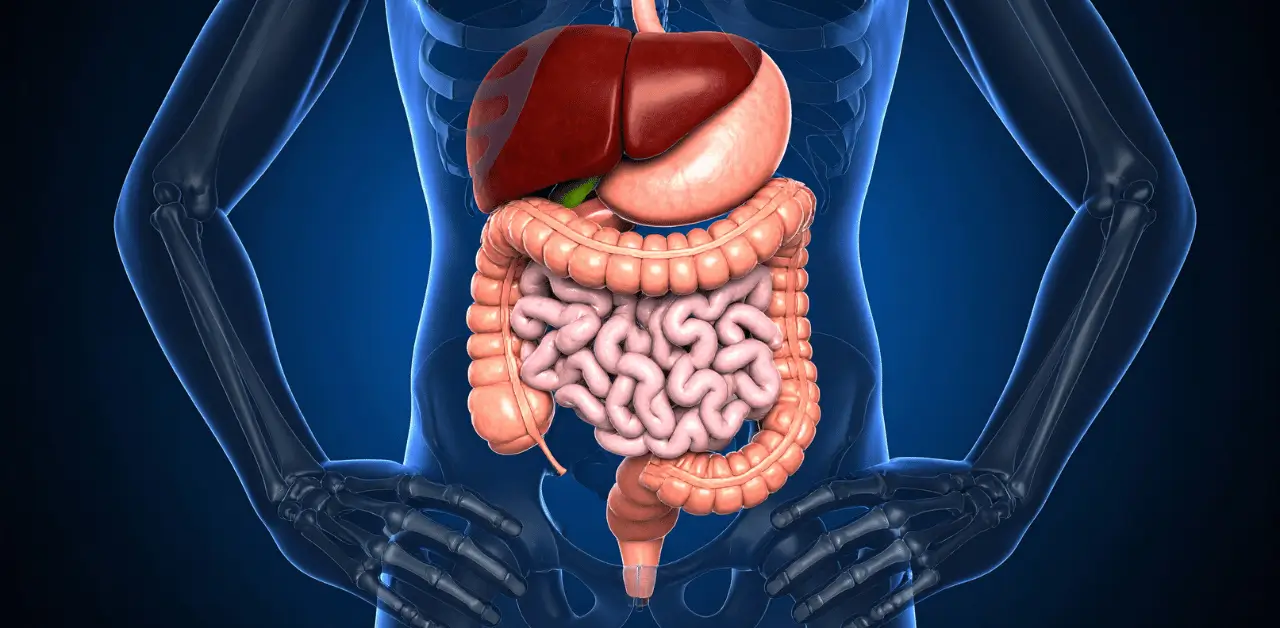
Struggling with night shift digestive problems? Learn practical ways to manage stomach discomfort, improve digestion, support gut health, and prevent digestive issues while working overnight.
Working the night shift can be challenging. It disrupts your body’s natural rhythm. This disruption often leads to digestive problems.
How to Manage Night Shift Digestive Problems and Prevent Stomach Discomfort Naturally
Night shift workers frequently experience gastrointestinal issues. These include acid reflux, bloating, and constipation. Diarrhoea is also a common complaint.
Irregular meal times can worsen these digestive issues. An important part of controlling discomfort is eating habits. Frequent, little meals can be beneficial.

High-fat and spicy foods should be avoided. They can trigger acid reflux. For digestive health, staying hydrated is similarly crucial.
Probiotics and fibre-rich foods support digestion. They help prevent constipation and improve gut health. Stress management is also key.
Techniques like meditation can reduce digestive discomfort. Adequate sleep is essential for maintaining digestive health. Aim for 7-9 hours of quality sleep.
Employers can support night shift workers. Providing healthy meal options is beneficial. Flexible break times can also help.
This guide will explore strategies for managing and preventing digestive problems during the night shift.
Understanding Night Shift Digestive Problems
Night shift workers face unique challenges affecting their health. Digestive problems are common due to disrupted schedules. The body’s natural processes can become misaligned.
Our bodies follow a circadian rhythm. This natural cycle influences digestion. Night shifts clash with this rhythm, causing digestive issues.
Gastrointestinal problems, such as acid reflux, are prevalent. Bloating and constipation are also frequent complaints. These issues stem from irregular eating habits and stress.
It’s important to recognize the role of meal timing. Eating late at night often leads to discomfort. Digestive health can suffer as a result.
Many workers consume quick, unhealthy snacks during shifts. These foods can exacerbate digestive discomfort. Opting for healthier choices is beneficial.
A list of common night shift digestive issues includes the following:
- Acid reflux
- Bloating
- Constipation
- Diarrhea
Understanding these problems is the first step. Recognizing symptoms enables proactive management.
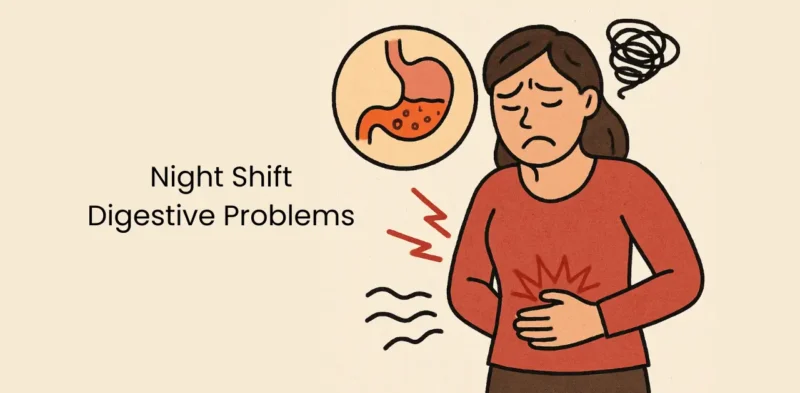
With this knowledge, night shift workers can focus on prevention strategies. Practical approaches make it achievable to manage these problems. Healthy habits and dietary changes can significantly improve digestive wellness.
Through awareness and lifestyle adjustments, night workers can mitigate discomfort. It’s crucial to prioritize gastrointestinal health despite demanding schedules.
How Night Shifts Disrupt Digestive Health
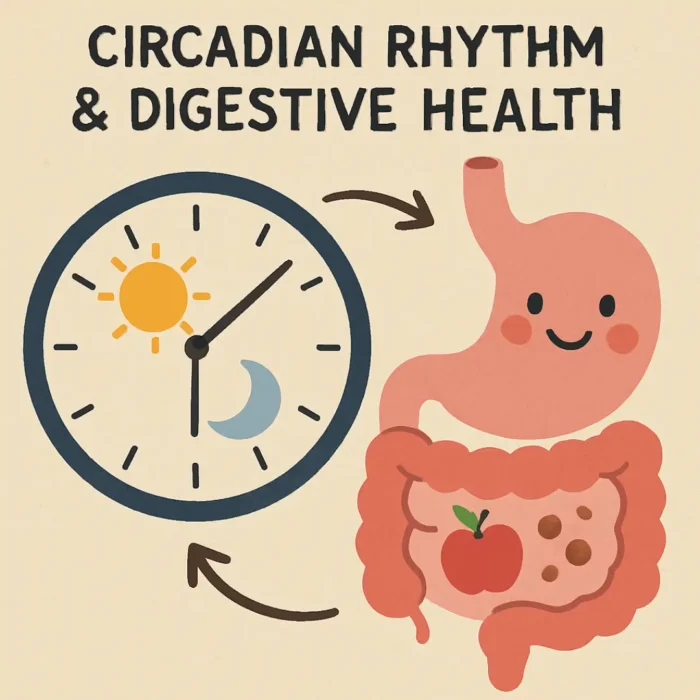
The night shift disturbs more than sleep; it also affects digestion. Digestion is controlled by the circadian rhythm, the body’s internal clock. Alterations to this rhythm often lead to gastrointestinal problems.
When you work at night, your body works against its natural instincts. It expects activity during daylight, aligning digestive processes accordingly. Working at night delays these processes, causing discomfort.
Eating during late hours disrupts the timing of digestion. The digestive system may operate more slowly at night. This sluggish pace often leads to conditions such as bloating or acid reflux.
Transitioning from a day-to-night schedule can confuse the gut. Meals taken at odd hours can strain digestive enzymes. This strain leads to inefficient digestion and nutrient absorption issues.
Digestive disruptions associated with night shifts include the following:
- Altered hunger cues
- Reduced enzyme production
- Slower digestive motility
Through awareness and lifestyle adjustments, night workers can mitigate discomfort.
Understanding how night shifts disturb digestive health empowers workers. By recognizing these patterns, adjustments can be made. Controlled meal times and healthy food choices can help maintain digestive equilibrium.
A healthier digestive system is crucial for overall well-being. Night shift workers should incorporate dietary and lifestyle adaptations. These changes contribute to reduced digestive discomfort and improved health outcomes.
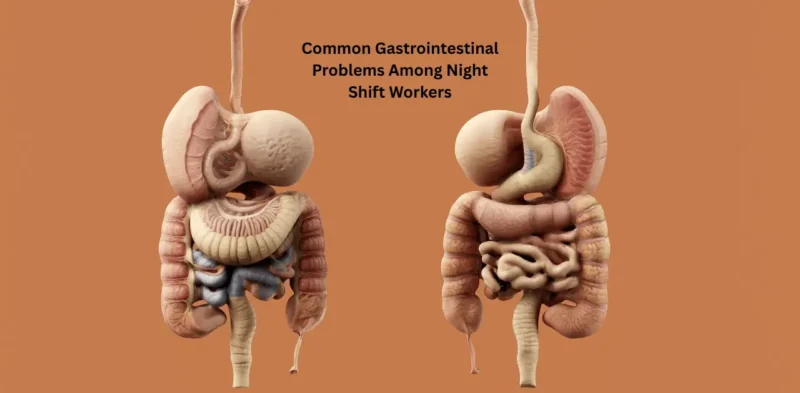
Common Gastrointestinal Problems Among Night Shift Workers
Night shift workers often report a variety of digestive issues. These problems not only affect well-being but also impact job performance. Addressing these concerns is crucial for maintaining health.
Common gastrointestinal problems include acid reflux, bloating, and irregular bowel movements.
These conditions arise from disrupted meal times and inadequate sleep. Digestive discomfort can also result from stress and fatigue.
Acid reflux is a common complaint among night shift workers. This condition occurs when stomach acid flows back into the oesophagus. Eating close to bedtime or consuming trigger foods can aggravate it.
Bloating is another troublesome issue. It is often caused by changes in meal timing and choices. Consuming high-fat or carbonated foods can exacerbate this problem.
Moreover, irregular bowel movements, such as constipation and diarrhoea, are prevalent. Factors like dehydration, stress, and poor dietary habits contribute to these issues.
Night shift digestive problems most commonly include the following:
- Acid reflux
- Bloating
- Constipation
- Diarrhea
Recognizing these problems early on is essential. Once identified, addressing dietary and lifestyle habits can mitigate them. Proper management ensures better digestion and improved health.
In summary, night shift work presents unique challenges for digestive health. Awareness is the first step in tackling these problems. Employ strategies to prevent or lessen discomfort for a healthier work-life balance.
The Role of Circadian Rhythm in Digestion
The circadian rhythm significantly influences digestive health. This internal clock regulates various body functions, including digestion. Disruption of this rhythm can lead to digestive issues.
During night shifts, the natural circadian rhythm is often disrupted. This disruption affects the body’s digestive processes. For instance, the stomach’s acid production is typically higher at night, even without food intake.
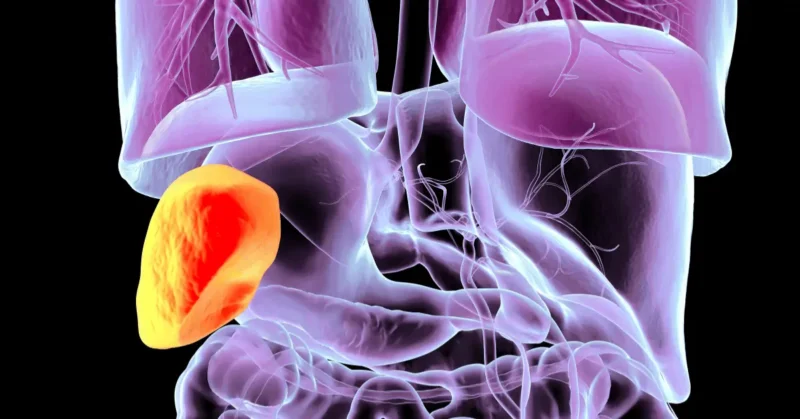
A misaligned circadian rhythm can alter appetite and nutrient absorption. It might lead to overeating or poor nutrient absorption. These changes can exacerbate digestive problems during the night shift.
Understanding the linkage between circadian rhythm and digestion is crucial. Implementing consistent meal times may help realign this internal clock. Small adjustments can significantly improve digestive function.
Key factors influenced by the circadian rhythm:
- Appetite control
- Digestive enzyme production
- Gastrointestinal motility
Optimal digestion depends on maintaining a stable circadian rhythm. Night shift workers should focus on synchronizing their eating habits with their new schedule. This approach can help lessen digestive discomfort and enhance health.
Overall, stabilizing the circadian rhythm is vital for digestive wellness. Addressing this aspect can help combat gastrointestinal problems linked to night shifts.
Recognizing Symptoms of Digestive Issues
Understanding the symptoms of digestive issues is key. Early identification can prevent severe problems from developing. Many night shift workers may overlook these subtle signs.
Common symptoms include heartburn, bloating, and constipation. Some might experience frequent diarrhoea or nausea. These problems can be easily mistaken for stress or fatigue.
Digestive discomfort can impact daily activities. It might lead to difficulty concentrating or decreased job performance. Persistent symptoms require immediate attention to avoid complications.
Here are some symptoms that might signal digestive issues:
- Frequent heartburn or acid reflux
- Unexplained bloating or gas
- Persistent constipation or diarrhea
- Occasional nausea after meals
- Stomach pain or cramps
Identifying these symptoms early can aid in management. It allows for timely dietary and lifestyle adjustments. Taking action at the first sign of discomfort can enhance overall well-being.
Ignoring these signs may worsen the issues over time. Night shift workers should regularly monitor their digestive health. Consultation with a healthcare professional can guide the development of tailored care to individual needs.
Dietary Strategies for Managing Night Shift Digestive Problems
Managing digestive problems during night shifts involves careful dietary planning. A balanced diet can mitigate many discomforts. Small, regular meals are often more effective than large, infrequent ones.
Pay attention to foods that are simple to digest. Lean proteins, fruits, and vegetables are good choices. These options can minimize digestive strain during work hours.
Avoid high-fat foods and spicy dishes. Such foods can exacerbate symptoms like acid reflux. They might also cause bloating or gas, which can worsen discomfort.
Here are some key dietary strategies to consider:
- Opt for smaller, more frequent meals to improve digestion and reduce discomfort.
- Choose lean proteins: Chicken, turkey, and fish are excellent options.
- Include plenty of fruits and vegetables: They offer fibre and vital minerals.
Hydration is crucial, too. Drinking water consistently keeps the digestive system running smoothly. Aim for at least 8 cups of water daily, adjusting as needed.
Probiotics can support gut health. Yogurt or kefir contains beneficial bacteria. These can help balance digestive flora, reducing issues like bloating or irregularity.
Here are additional foods to include in your diet:
- Probiotic-rich foods: Yogurt, kefir, and fermented vegetables.
- Fiber-rich options: Whole grains, beans, and leafy greens.
- Complex carbohydrates: Brown rice, quinoa, and sweet potatoes provide sustained energy.
Maintaining dietary discipline requires planning. Prepare meals in advance to ensure healthier choices. Meal prep can prevent reliance on unhealthy snacks or fast food.
Employers can assist by providing healthy options. Workplace cafeterias should offer nutritious meals. Flexible break times also allow for mindful eating.
By adhering to these dietary strategies, night shift workers can significantly improve their digestive health. Consistent application of these principles fosters long-term well-being.

Meal Timing and Planning for Night Shift Workers
Meal timing is critical for maintaining digestion during night shifts. Irregular eating can upset the digestive system. Establishing a consistent schedule helps synchronize your body to a non-traditional routine.
Aligning meal times with your work schedule can reduce discomfort. Aim to eat every 3-4 hours. This frequency helps maintain energy levels and digestive health.
Before your shift, consume a balanced meal. Focus on foods that provide slow-releasing energy. Complex carbohydrates and proteins are ideal choices.
Here’s a sample meal timing plan:
- Pre-shift meal: 1-2 hours before work, include proteins and whole grains.
- Mid-shift snack: Choose fruits or nuts to sustain energy.
- Post-shift meal: Have a light dinner, focusing on easily digestible foods.
Your post-shift meal should be light. This helps prevent sleep issues, which are often caused by heavy meals. Stick to simple, nourishing options like soups or salads.
Meal preparation can streamline planning. Prepare and portion meals in advance. This practice ensures healthy options are readily available during work hours.
Hydration and Its Impact on Digestive Health
Maintaining a healthy digestive system requires staying hydrated. Water aids in the breakdown of food, thereby improving nutrient absorption. Because of their hectic schedules, night shift workers frequently fail to drink enough.
Proper hydration can prevent common digestive issues like constipation. Make it a habit to drink water throughout your shift. Start by sipping water regularly instead of gulping large amounts at once.
To stay hydrated, consider the following tips:
- Keep a reusable water bottle with you and refill it frequently.
- Set reminders: Use your phone to prompt yourself to take water breaks.
- Drink a glass of water before meals to enhance digestion.
By incorporating these small adjustments, you support your digestive health. Drink wisely, and your body will thank you. Remember, consistent water intake is essential to regulate digestion, especially during irregular work hours.
The Importance of Probiotics and Fibre
Fibre and probiotics are crucial for preserving gut health. They help create a balanced digestive environment, promoting smooth digestion.
Including them in your diet can be especially beneficial for night shift workers facing digestive issues.
Probiotics are live bacteria found in foods such as yogurt and kefir. They improve overall gut function by helping preserve the organisms’ natural equilibrium in the intestines.
Regular consumption of probiotic-rich foods can reduce bloating and improve overall digestion.
Another essential element of a balanced diet is fibre. It facilitates the passage of food through the digestive system and helps prevent constipation.
Fruits, vegetables, and whole grains are examples of high-fibre foods that are crucial for maintaining digestive regularity.
Think about including these things in your meals:
- Yogurt or kefir: Rich in probiotics.
- Whole-grain bread: High in dietary fibre.
- Fresh fruits like apples and berries: Provide natural fiber.
By prioritizing probiotics and fiber, night shift workers can effectively support their digestive health. A balanced diet can mitigate many discomforts associated with irregular schedules.
Stress Management Techniques to Reduce Digestive Discomfort
Stress can significantly impact your digestive health, especially for night shift workers. High stress levels may lead to increased digestive issues, such as bloating and acid reflux. Hence, it’s vital to incorporate stress management techniques into your daily routine.
Regular meditation is one useful tactic. You can improve your digestion by calming your thoughts and lowering your stress levels through meditation. Even for a short while, deep breathing techniques can reduce stress and relieve digestive issues.

Other stress management techniques include regular physical activity and yoga. These activities can reduce tension and promote relaxation, thereby improving digestion. Additionally, maintaining a supportive social network can further reduce stress.
Consider these stress-relieving activities:
- Meditation: Practice daily for mental calmness.
- Yoga: Incorporate gentle stretches to relax the body.
- Deep breathing: Use anytime for quick stress relief.
Implementing these techniques can lead to fewer digestive issues, contributing to overall health on the night shift.
Sleep Hygiene and Its Effect on Digestion
Good sleep hygiene is crucial for digestive health, especially for those working night shifts. Numerous gastrointestinal issues might result from little sleep. Your digestive system might not operate at its best without enough sleep, which could be uncomfortable.
Maintaining proper sleep hygiene requires establishing a regular sleep schedule. By keeping your body’s internal clock in check, consistency facilitates easier digestion. Even if it happens during the day, try to get seven to nine hours of good sleep.

Creating a sleep-friendly environment is equally important. Keep your bedroom dark, quiet, and cool to promote restful sleep. Avoid electronic devices before bed, as blue light can disrupt your circadian rhythm.
Consider these sleep hygiene practices:
- Routine: Set a regular sleep schedule.
- Environment: Create a dark, quiet space.
- Relaxation: Engage in relaxing activities to wind down before bed.
Improving sleep hygiene can support better digestion, making your night shifts less taxing on your body. Prioritizing rest helps maintain both physical and gastrointestinal health.
Physical Activity and Digestive Wellness
For those who work nights, physical activity is crucial for maintaining intestinal health. Frequent exercise improves intestinal motility, which facilitates effective digestion. Additionally, it can reduce stress, which is known to exacerbate digestive problems.
Even brief bursts of exercise may have an effect. Try to get in at least 30 minutes of moderate exercise most days. Your digestive system and overall health can be greatly enhanced by walking, running, and cycling.
Take into consideration the following advice if you want to include exercise in your routine:
- Schedule: Find time in your day for exercise.
- Variety: Choose activities you enjoy to stay motivated.
- Consistency: Make it a regular part of your routine.
Improving your physical fitness can reduce the frequency and severity of digestive problems associated with night shifts. An active lifestyle contributes to a healthier gut, enhancing your well-being and work performance.
Practical Tips for Night Shift Workers
For night shift workers, maintaining digestive health requires a few strategic changes. A combination of diet, routine, and mindfulness can make a significant impact.

Begin by planning meals in advance to ensure access to healthy options during shifts. You can avoid impulsive, harmful food decisions by meal planning.
It’s vital to listen to your body’s hunger cues and eat mindfully to prevent overeating.
Consider these practical tips for managing digestive health:
- Eat Smaller Meals: Opt for smaller, more frequent meals.
- Avoid High-Fat Foods: Limit fatty and spicy foods to prevent discomfort.
- Hydrate: Drink plenty of water throughout your shift.
In addition to dietary adjustments, prioritize a consistent sleep schedule. Quality sleep helps regulate your body’s internal processes. Use stress-reduction strategies like deep breathing or meditation.
Employers can also contribute by supporting healthy eating with accessible options and allowing flexible break times. This supportive environment can greatly enhance digestive comfort for night shift workers.

Practical Tips for Night Shift Workers
- Eat Smaller Meals: Opt for smaller, more frequent meals.
- Avoid High-Fat Foods: Limit fatty and spicy foods to prevent discomfort.
- Hydrate: Drink plenty of water throughout your shift.
These tips aim to enhance your well-being and productivity by keeping your digestive system in top condition.
When to Seek Medical Advice
While most digestive issues can be managed with lifestyle changes, some symptoms require professional attention. Persistent or severe discomfort shouldn’t be ignored.
Consult a healthcare professional if you experience any of the following:
- Prolonged Pain: Any persistent abdominal pain should be evaluated.
- Unexplained Weight Loss: Sudden weight changes can indicate a deeper issue.
- Blood in Stool: This is a critical sign that needs immediate attention.
Don’t hesitate to seek medical advice if you’re concerned. Early intervention can prevent more serious problems and offer peace of mind.
FAQs on Night Shift Digestive Problems
Q. Why do night shifts cause digestive problems?
Night shifts disrupt your body’s circadian rhythm, affecting digestion, metabolism, and gut function.
Eating at irregular times and lack of quality sleep can slow digestion, increase acid production, and lead to bloating, indigestion, or constipation.
Q. What foods are best for night shift workers with digestive issues?
Light, nutrient-dense foods such as fruits, vegetables, whole grains, yogurt, lean proteins, and soups are often easier to digest.
Avoid heavy, greasy, spicy, and highly processed foods during overnight shifts to reduce digestive discomfort.
Q. Can sleep affect digestive health in night shift workers?
Yes. Poor sleep can negatively impact gut bacteria, digestion, and hormone balance.
Consistent sleep schedules and creating a dark, quiet sleeping environment can help improve both digestive function and overall health.
Q. How can I prevent gastric problems during night shift?
Preventing gastric problems starts with eating smaller meals at regular intervals rather than large, heavy ones. Stay hydrated, avoid excessive caffeine, and limit spicy or greasy foods during your shift.
Reducing stomach discomfort and promoting healthy digestion are two additional benefits of maintaining a regular sleep pattern.
Q. How to stop stomach discomfort at night?
Choose light, easily digestible foods before and during your shift. Avoid eating large meals immediately before bed and drink plenty of water during the night.
Gentle walking after meals and reducing stress may also help ease stomach discomfort and bloating.
Q. How to control digestion problems?
Emphasize eating a well-balanced diet rich in fruits, vegetables, fiber, and lean meats.
Avoid missing meals and try to eat at regular intervals. Maintaining a healthy digestive system can be supported by regular exercise, adequate water intake, and sufficient sleep.
Q. How to reduce gut sensitivity?
Reducing gut sensitivity often involves identifying and limiting foods that trigger symptoms. Keeping a food diary, managing stress, eating slowly, and including fiber-rich foods can help.
Supporting overall gut health through healthy lifestyle habits may also improve digestive comfort over time.
Q. Which vitamin helps digestion?
Several vitamins contribute to digestive health, including the B vitamins, which help the body process nutrients and produce energy.
Vitamin D may also support gut health and immune function. A balanced diet is usually the best way to obtain these essential nutrients.
Conclusion on Night Shift Digestive Problems
Maintaining digestive health while working night shifts requires focused effort. Adopting healthy habits can mitigate the effects of disrupted circadian rhythms. Regular meal planning and mindful eating are vital components.
Furthermore, incorporating stress management and sleep hygiene practices can greatly improve digestive wellness. A well-balanced routine safeguards both your gastrointestinal health and overall well-being.
Staying informed and proactive empowers you to tackle the unique challenges of night shift work. Prioritize these strategies and listen to your body’s needs for optimal digestive comfort.
Working night shifts doesn’t have to mean living with constant digestive discomfort. Start making small changes today, eat balanced meals, stay hydrated, prioritize sleep, and listen to your body’s signals.
By building healthier habits, you can support better digestion, improve your energy levels, and feel your best during every shift.
Take control of your gut health now and make your overnight routine work for you, not against you.
Read more about shift workers’ health.
You might like: