Learn the best foods to reduce diabetes risk for shift workers, plus when to eat, what to avoid, and a sample night-shift meal plan.
Your night shift doesn’t have to cost you your metabolic health. Irregular hours disrupt your body clock, sleep, and insulin sensitivity, which raises type 2 diabetes risk.
This guide covers the best foods for shift workers, smart meal timing, what to avoid, and a sample night shift meal plan you can start using today.
Why Shift Workers Face Higher Risk
Because their schedules conflict with the body’s biological clock, shift workers, particularly those who work night and rotational shifts, are more likely to develop type 2 diabetes.
Eating, sleeping, and being active at biologically “wrong” times impair glucose metabolism. Add fatigue-driven food choices and limited access to healthy options at night, and blood sugar control gets harder.
Circadian rhythm disruption, night eating, and insulin resistance
Your body runs on a roughly 24-hour clock that regulates hormones, body temperature, and metabolism. Insulin sensitivity is typically better earlier in the day and worse at night.
When you eat a large meal at 3:00 AM, your body processes glucose when it is naturally less prepared, and blood sugar rises higher and stays elevated longer than it does with the same meal at noon.
Best foods to reduce diabetes risk for shift workers
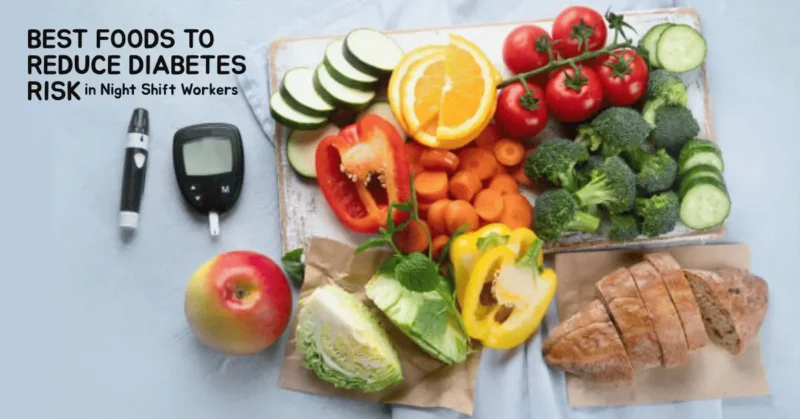
Shift workers can lower diabetes risk by building meals around high-fiber vegetables, whole grains, lean proteins, healthy fats, berries, and fermented foods while drinking water or unsweetened tea instead of sugary drinks. Eat a balanced meal before your shift, keep night snacks small and protein-rich, and avoid refined carbs and energy drinks.
How Shift Work Affects Blood Sugar and Insulin
Large observational studies and meta-analyses have consistently linked long-term shift work, particularly rotating night shifts, with a higher risk of type 2 diabetes.
The risk appears to rise with years of service and the number of night shifts worked. Researchers believe several overlapping mechanisms drive this risk.

Cortisol spikes, sleep deprivation, and impaired glucose tolerance
- Sleep loss reduces insulin sensitivity. Even a few nights of short or fragmented sleep can make cells respond less effectively to insulin in controlled experiments.
- Stress hormones shift. Irregular sleep disrupts the normal daily cortisol pattern, which raises blood glucose.
- Appetite hormones change. Sleep restriction tends to raise ghrelin (hunger) and lower leptin (fullness), increasing cravings for sugary and fatty foods.
- Circadian misalignment. Experiments that deliberately shift people’s eating and sleeping times show worse glucose tolerance and, in some cases, prediabetes-range readings within days.
Late-night eating habits that trigger inflammation and high blood sugar
Night shifts often mean vending machines, fast food, and constant grazing. Large, carb-heavy meals overnight lead to bigger glucose swings, and frequent snacking keeps insulin elevated.
Ultra-processed foods and extra calories can cause low-grade inflammation and weight gain, especially around the abdomen, both linked to insulin resistance.
7 Best Foods to Reduce Diabetes Risk for Shift Workers
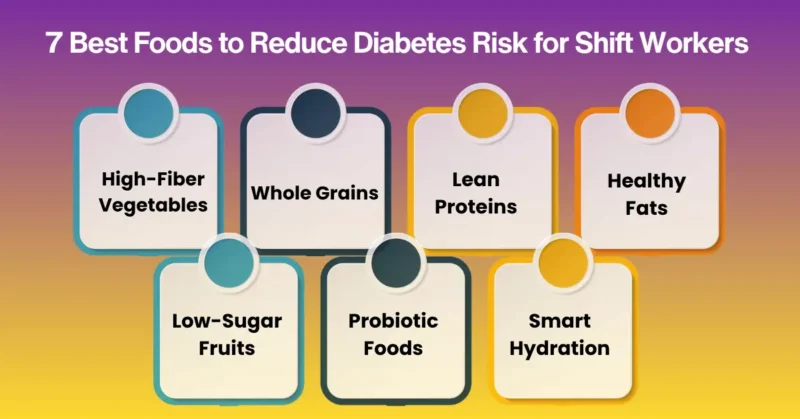
1. High-Fiber Vegetables: Leafy greens and cruciferous veggies for blood sugar stability
Spinach, kale, broccoli, cauliflower, Brussels sprouts, and cabbage are low in digestible carbohydrates and high in fiber, which slows glucose absorption. Non-starchy vegetables are also filling and low in calories.
Shift-friendly tip: pre-cut vegetables, bagged salad kits, or roasted vegetables in a container travel well and need no heating.
2. Low-Glycemic Whole Grains: Oats, quinoa, and brown rice for sustained energy
Intact whole grains digest more slowly than refined grains and cause a gentler rise in blood sugar. Steel-cut or rolled oats, quinoa, barley, brown rice, and whole-grain bread are good staples.
Pair them with protein and vegetables rather than eating them alone—shift-friendly tip: Portion overnight oats or a batch of cooked quinoa for the week.
3. Lean Proteins: Fish, chicken, tofu, and legumes for metabolic health and satiety
Protein slows stomach emptying, blunts post-meal glucose spikes, and keeps you full through long stretches. Salmon and sardines also provide omega-3 fats.
Lentils, chickpeas, and beans deliver protein plus fiber, a particularly good combination for blood sugar. Choose grilled, baked, or poached options over fried or heavily processed meats such as sausage, bacon, and deli meats.
4. Healthy Fats: Nuts, seeds, avocados, and olive oil to reduce inflammation
Unsaturated fats support heart health and help slow digestion. Almonds, walnuts, and pistachios (about 30 g each), flaxseed, half an avocado, and olive oil on salads are useful.
These foods are calorie-dense, so portion size matters. Nuts are one of the easiest night-shift snacks to carry.
5. Low-Sugar Fruits: Berries and apples for fiber and antioxidant protection
Whole fruit, with its fiber intact, behaves very differently from juice. Berries, apples, pears, citrus, and cherries tend to have a moderate effect on blood sugar.
Fat or protein in fruit, such as berries or peanut butter, can reduce the glycemic response. Limit fruit juice and dried fruit in large amounts.
6. Probiotic Foods: Yogurt and fermented foods for gut health and insulin sensitivity
Plain unsweetened yogurt, kefir, kimchi, sauerkraut, and miso provide live cultures. Studies link regular yogurt consumption with a lower risk of type 2 diabetes.
However, evidence is still developing, and these foods are not a cure. Choose plain varieties, as flavored yogurts often contain as much added sugar as a dessert.
7. Hydration Heroes: Water, green tea, and herbal infusions vs. sugary energy drinks
Sugar-sweetened beverages are consistently associated with higher diabetes risk. Water should be your default. Unsweetened green tea, black tea, coffee (in moderation), and herbal infusions are good alternatives.
Sparkling water with citrus can replace soda. Dehydration and fatigue often feel like hunger, so keep a bottle with you.
Shift Work Meal Timing: When to Eat to Lower Diabetes Risk
Research on meal timing for shift workers is still evolving. Still, a few practical principles are widely recommended: eat your largest and most balanced meal when you are awake and active, keep overnight eating light, and keep the pattern as consistent as your schedule allows.
Pre-shift meal: Balanced macronutrients for sustained stamina
Eat a proper meal 1 to 2 hours before your shift starts, using the plate method: half the plate non-starchy vegetables, a quarter lean protein, a quarter whole grains or starchy vegetables, plus a little healthy fat.
Example: grilled chicken, quinoa, and roasted broccoli with olive oil. This lowers the temptation to rely on vending machines later.
Mid-shift eating: Eat light meals and follow time-restricted feeding to prevent insulin spikes.
Choose small, protein-forward snacks or a light meal instead of a second full dinner. Examples include Greek yogurt with berries, hummus with vegetables, a boiled egg with nuts, or a small lentil soup.
Some studies suggest that limiting eating to a consistent 10- to 12-hour window may help, and a trial in firefighters on rotating shifts reported benefits for some health markers.
However, results among shift workers are mixed, and this approach isn’t suitable for everyone, so talk to a clinician first, especially if you take glucose-lowering medication.
Post-shift recovery: What to eat (and avoid) before daytime sleep
A light, balanced meal or snack helps you sleep without waking up hungry, but a heavy, high-sugar or high-fat meal right before bed can disrupt rest.
Good options are eggs with whole-grain toast, plain yogurt with oats and berries, or a small bowl of oatmeal with nuts. Avoid caffeine in the 6 hours before you plan to sleep, and skip sugary pastries and large fast-food breakfasts.
Foods and Drinks Shift Workers Should Avoid
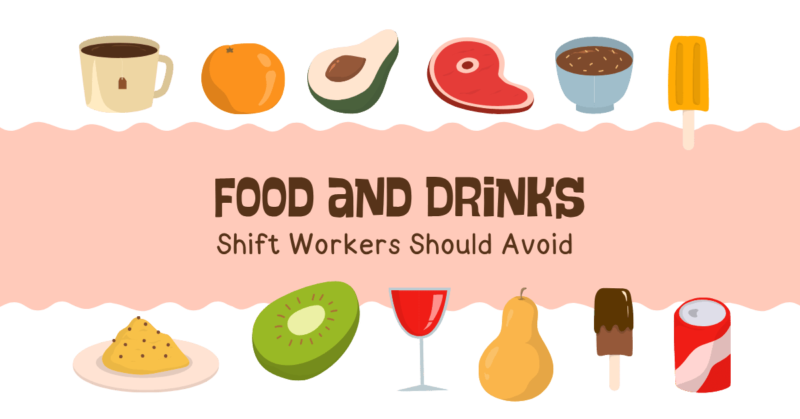
High-glycemic carbs, refined sugars, and ultra-processed night snacks
- White bread, white rice, and pastries eaten on their own
- Candy, cookies, doughnuts, and sweetened cereals
- Chips and other salty ultra-processed snacks
- Fried fast food and large late-night takeaway meals
- Sodium- and saturated-fat-rich processed meats
These are quick to grab and give a short burst of energy, followed by a crash that fuels the next craving.
The energy drink and sugary coffee trap: How caffeine impacts blood sugar
Energy drinks typically contain a lot of sugar, and many sweetened coffee drinks are as sugary as dessert.
Caffeine can acutely reduce insulin sensitivity in some people and, if taken late, can delay and shorten sleep, worsening glucose control the following day.

If you drink coffee, keep it black or lightly sweetened, limit it to the first half of your shift, and consider switching to decaf or herbal tea later on.
Sample Night Shift Meal Plan for Metabolic Health
Night shift example plate: Balanced meal breakdown for 12-hour shifts
This sample is for a 7:00 PM to 7:00 AM shift. Adjust portions to your own energy needs and medical advice.
| Time | Meal | Example |
| 5:30 PM | Pre-shift main meal | Baked salmon, quinoa, roasted vegetables, olive oil |
| 9:30 PM | Light snack | Apple slices with almond butter |
| 12:30 AM | Small meal | Lentil soup or chicken and vegetable salad with chickpeas |
| 3:30 AM | Optional protein snack | Plain Greek yogurt with berries, or a boiled egg and a handful of nuts |
| 7:30 AM | Post-shift light meal | Oatmeal with walnuts and cinnamon, or vegetable omelet |
| All shift | Fluids | Avoid water, unsweetened tea, and caffeine at least 6 hours before sleep. |
Prep-ahead strategies for rotating schedules and busy workloads
- Batch cook twice a week. Make a pot of grains, a tray of roasted vegetables, and a protein, then mix and match.
- Build a grab-and-go kit. Single-serve nuts, hummus cups, string cheese, hard-boiled eggs, fruit.
- Use insulated bags and reusable containers so you don’t have to rely on the cafeteria.
- Plan for rotation days. On the days you switch between day and night shifts, keep meals simple and on a predictable routine.
- Have a backup plan. Know the healthier options at the nearest convenience store or hospital canteen: salads, yogurt, fruit, nuts, plain sandwiches.

Lifestyle Habits That Enhance Insulin Sensitivity
Sleep hygiene, light therapy, and movement strategies
- Protect your sleep. Use blackout curtains, an eye mask, earplugs, or white noise, and keep the room cool. Try to keep a consistent sleep window even on days off.
- Manage light. Bright light during the first half of a night shift can help alertness, while sunglasses on the way home and a dark bedroom help you wind down. Discuss structured light therapy with a sleep specialist.
- Move regularly. Regular physical activity improves insulin sensitivity. Aim for at least 150 minutes of moderate activity per week, and take short walks or stretching breaks during your shift. Walking after a meal can reduce glucose rise
- Manage weight and stress. People who lose weight modestly when overweight reduce their diabetes risk substantially.
Educational information only, not medical advice. See the disclaimer near the end.
Screening and monitoring: When to test for prediabetes and HbA1c
Common diagnostic thresholds used by the American Diabetes Association are:
- Normal: HbA1c below 5.7%, fasting glucose below 100 mg/dL
- Prediabetes: HbA1c 5.7% to 6.4%, fasting glucose 100 to 125 mg/dL
- Diabetes: HbA1c 6.5% or higher, fasting glucose 126 mg/dL or higher (confirmed by repeat testing)
Most adults should start getting screened around 35 years old, and earlier if they have risk factors such as obesity, a family history of diabetes, high blood pressure, or gestational diabetes.
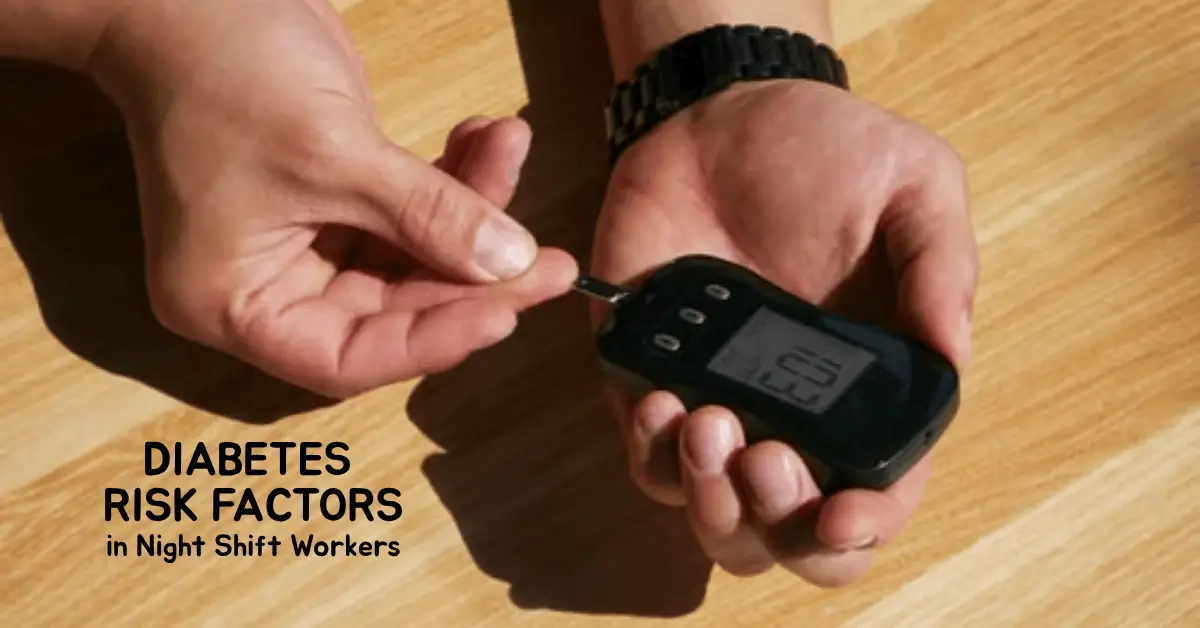
Because shift work adds risk, it is reasonable to ask your doctor whether you should be screened earlier or more often. Fasting tests can be tricky on a night schedule, so ask your clinician how to time them.
Expert Perspectives & Health Disclaimers
Dietitian insights on glycemic load and shift worker nutrition
The term “glycemic load” refers to how quickly a meal raises blood sugar, as well as how much carbohydrate you eat
Practical advice that comes up repeatedly: pair carbohydrates with protein, fiber, and fat; keep portions of starchy foods moderate; keep a regular eating pattern; and plan so that choices are not made when you are exhausted.
A registered dietitian can build a plan around your specific schedule, culture, budget, and health conditions.
ADA & WHO guidelines on occupational health + medical disclaimer
The American Diabetes Association recommends healthy eating patterns rich in non-starchy vegetables, whole grains, and minimally processed foods, and limiting sugar-sweetened beverages, along with regular physical activity and screening.
The World Health Organization recommends holding free sugars below 10% of total energy intake (with further benefits below 5%). It promotes physical activity and healthy diets as core strategies for preventing type 2 diabetes.
Neither organization provides a dedicated shift-worker diet, so the guidance here applies their general recommendations to shift schedules. Check their websites for the most up-to-date guidance.
Medical disclaimer: This article summarizes observational research and general health guidance. It does not claim that natural remedies prevent or treat. Before altering your diet, fasting schedule, or supplement regimen, see your physician or a qualified dietitian if you have diabetes or prediabetes, use insulin or glucose-lowering medications, are pregnant, or have any other medical condition.
FAQs on Best Foods to Reduce Diabetes Risk
Q. Why are night shift workers more prone to developing type 2 diabetes?
Circadian misalignment, sleep loss, irregular meal timing, and stress hormones reduce insulin sensitivity. Lifestyle factors, including greater reliance on convenience food and less physical activity, worsen the effect. Longer exposure to rotating night shifts increases risk.
Q. What is the single best diet pattern for preventing diabetes on shift work?
There is no single proven shift-work diet. The strongest evidence supports Mediterranean-style and other whole-food, high-fiber, low-added-sugar diets. The best one is the one you can stick to with your schedule.
Q. Can intermittent fasting reduce diabetes risk for night shift workers?
Possibly, but the evidence in shift workers is limited and mixed. Consistent time-restricted eating may help some people, but extended fasting can cause blood sugar problems, interact with medication, and worsen fatigue and mood. Speak to your doctor before trying it, particularly if you have diabetes or take medication.
Q. What should I eat at 2:00 AM to keep my blood sugar stable?
Keep it small and protein-forward with some fiber: Greek yogurt with berries, hummus with vegetables, a boiled egg with a few nuts, or a small bowl of lentil soup. Avoid sugary snacks, white bread, and large heavy meals.
Q. Are there specific supplements that help support glucose metabolism?
No supplement has been shown to prevent diabetes reliably. Evidence for cinnamon, chromium, and berberine is inconsistent, and some interact with medications. Vitamin D or magnesium may help if you are deficient, but get tested first. Always check with a clinician or pharmacist.
Q. What foods reduce diabetes risk?
Sugary drinks, refined grains, and processed meats are linked to increased risk, while vegetables, whole grains, legumes, nuts, seafood, berries, and plain yogurt are linked to decreased risk. The overall pattern matters more than any single food.
Final Takeaway on Best Foods to Reduce Diabetes Risk
You may not be able to change your schedule, but you can change what and when you eat. Start with three habits: eat a balanced meal before your shift, keep overnight eating small and protein-rich, and swap sugary drinks for water or unsweetened tea.
Pair that with protected sleep, regular movement, and periodic screening, and you can meaningfully lower your risk of type 2 diabetes. Small, consistent changes beat perfect ones that you cannot sustain.
Read the full guide and build a shift-friendly meal plan that protects your blood sugar.
Read more about night shift workers.