

How to use fenugreek for weight loss and better digestion with practical tips, simple ways to add it to meals, safety advice, and guidance for night shift workers.
If you are trying to manage your weight while also dealing with bloating, irregular digestion, or frequent cravings, simple food choices can make a meaningful difference.
Fenugreek is one traditional ingredient that continues to attract interest because its seeds contain fiber and other plant compounds.
But fenugreek is not a fat-burning shortcut. Evidence for direct weight loss remains limited, while research has shown more consistent interest in its effects on blood sugar and metabolic health.

So, how should you actually use it?
This guide looks at practical ways to add fenugreek to your diet, what it may do for digestion and appetite, how night shift workers can use it, possible side effects, and the habits that matter most for sustainable weight management.
Quick Summary
- Fenugreek seeds contain fiber and other plant compounds.
- Fiber may help make meals more satisfying.
- Research on fenugreek and direct weight loss remains mixed.
- Fenugreek may have a role in blood sugar and metabolic health.
- Seeds, powder, tea, and fenugreek water are common preparations.
- Too much may cause gas, bloating, or diarrhea.
- Fenugreek can interact with some medicines, particularly those affecting blood sugar.
- It works best as part of a balanced eating pattern rather than as a standalone weight-loss remedy.
Read time: 9–11 minutes
How Fenugreek May Support Weight Management and Digestion
Fenugreek has been used as both a culinary spice and a traditional herbal ingredient for generations.
Its seeds contain soluble fiber, including galactomannan, along with protein and various plant compounds. Fiber matters for appetite and digestion because it can promote fullness and support normal bowel function.
That does not mean fenugreek automatically causes weight loss.
Your overall eating pattern, activity, sleep, stress, and energy intake still play much larger roles in weight management.
What Is Fenugreek?
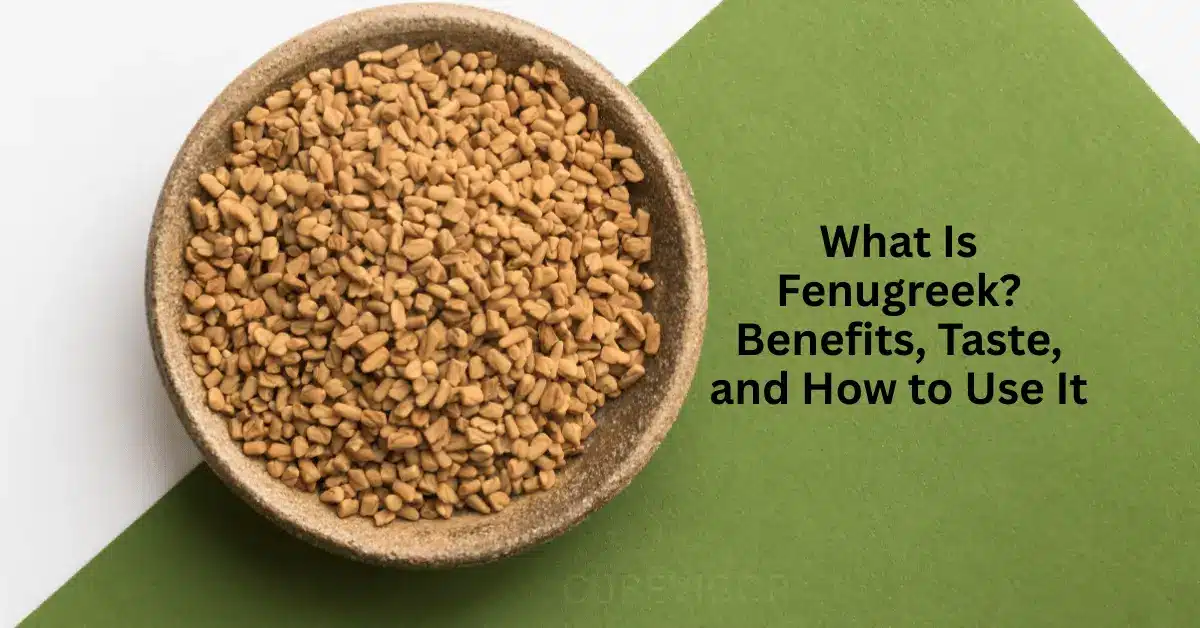
Fenugreek (Trigonella foenum-graecum) is a plant belonging to the legume family.
Its small golden-brown seeds have a distinctive bitter, nutty flavor. People use them widely in South Asian, Middle Eastern, and Mediterranean cooking.
You may know fenugreek by its common names, methi or methi seeds, particularly in South Asian cuisine.
You can use the seeds whole, ground into a powder, soaked in water, brewed as tea, or added to meals.
What Makes Fenugreek Interesting for Weight Management?
Fenugreek is not interesting because it magically burns body fat.
Its potential value comes from the nutrients and plant compounds it provides, particularly its fiber content.
Fiber and Fullness
Soluble fiber can absorb water and contribute to fullness.
Adding fiber-rich foods to meals may make it easier to feel satisfied between meals and may support a more balanced eating pattern.
Fenugreek provides some fiber, but you should still get most of your daily fiber from a variety of foods such as vegetables, fruits, legumes, whole grains, nuts, and seeds.
Digestion and Meal Satisfaction
Fiber also supports normal digestive function.
When you add fenugreek to a meal with vegetables, legumes, whole grains, or other fiber-rich foods, it becomes part of a broader eating pattern that supports digestion.
Blood Sugar and Metabolic Health
Fenugreek has also been studied for its potential effects on blood glucose and other metabolic measures.
Research in this area is more encouraging than the evidence for direct weight loss, although fenugreek should never replace prescribed diabetes treatment.
Can Fenugreek Actually Help With Weight Loss?
Possibly as a supporting dietary ingredient, but the evidence does not justify calling fenugreek a proven weight-loss treatment.
Research has produced mixed results for body weight and BMI. Some studies report favorable changes, while others find little or no meaningful effect.
This difference is important.
A person may feel fuller after adding a fiber-containing food to a meal, but that does not necessarily translate into significant long-term fat loss.
If you use fenugreek, think of it as a small part of your overall strategy, not the strategy itself.
Fenugreek for Better Digestion
Fenugreek’s fiber content makes it particularly interesting for digestion.
However, more is not always better.
Supporting Regularity With Fiber
Fiber helps support normal bowel function.
If your diet is low in fiber, gradually adding fiber-rich foods can be useful. Fenugreek can contribute to that intake, but vegetables, fruits, legumes, whole grains, nuts, and seeds should remain the foundation.
Increase fiber gradually and drink enough fluid to reduce the chance of digestive discomfort.
Fenugreek and Digestive Comfort
Some people traditionally use fenugreek preparations after meals or as a warm infusion.
However, individual responses vary.
For some people, fenugreek may feel comfortable. For others, larger amounts can produce gas or bloating.
What to Know About Bloating and Gas
Don’t assume digestive discomfort means fenugreek is “detoxing” your body.
Gas, bloating, or diarrhea may simply mean your digestive system isn’t tolerating the amount you consumed.
If symptoms appear, reduce the amount or stop using it.
Weight loss with Fenugreek Seeds
No preparation is universally proven to guarantee weight loss.
Choose the method that fits your eating habits and start conservatively.
Fenugreek Seeds
Add whole seeds to curries, lentils, vegetables, soups, and spice mixtures.
Cooking softens their strong flavor and makes them easier to incorporate into regular meals.
Ground Fenugreek
Add ground seeds in small quantities to savory dishes.
Because the flavor is intense and slightly bitter, a little can go a long way.
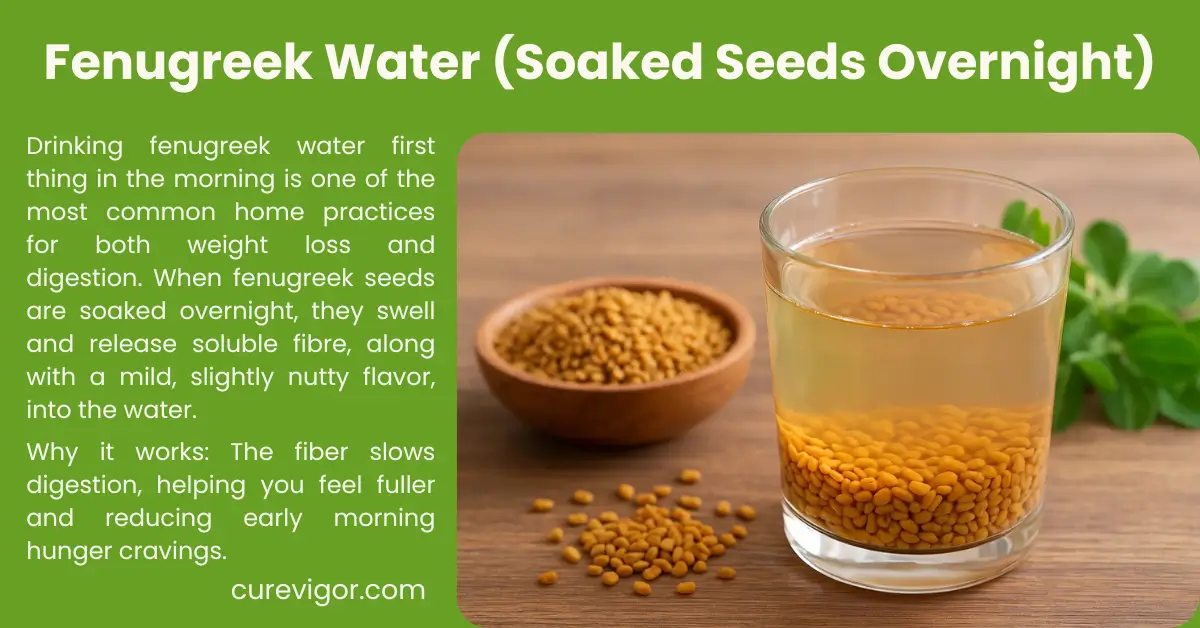
Fenugreek Water
A popular traditional preparation involves soaking fenugreek seeds in water and drinking the infused liquid.
There is currently no strong evidence that fenugreek water itself produces greater weight loss than other forms of fenugreek.
If you enjoy it, keep the preparation simple and avoid adding too much sugar.
Fenugreek Tea
You can steep fenugreek seeds in hot water to make a mild herbal infusion.
Remember that drinking the strained liquid may provide less fiber than eating the seeds themselves.
Fenugreek in Everyday Cooking
This may be the simplest approach.
Add a small amount of fenugreek to meals you already enjoy rather than creating a complicated daily ritual around it.
That makes it easier to view fenugreek as food instead of a quick-fix supplement.
Benefits of Fenugreek for Night Shift Workers

Night shifts can make healthy eating surprisingly difficult.
Long working hours, fatigue, irregular meal timing, vending-machine snacks, and cravings for quick energy can all affect food choices.
Fenugreek may fit into a night worker’s routine as one small ingredient in a balanced meal.
Support More Satisfying Meals During Long Shifts
Add a small amount of fenugreek to lentils, vegetables, soups, eggs, or other savory foods.
Combining fenugreek with protein and fiber-rich foods can create a more satisfying meal than relying on sugary snacks alone.
Choose Better Nighttime Snacks
If you regularly become hungry during a shift, prepare snacks before leaving home.
Greek yogurt, fruit with nuts, boiled eggs, roasted chickpeas, or other nutritious choices can be easier than highly processed convenience foods.
Fenugreek can complement this approach, but it should not be treated as an appetite suppressant.
Fit Fenugreek Around Your Work Schedule
Night workers do not need to force themselves into a traditional breakfast-lunch-dinner routine.
Instead, organize meals around your work and sleep schedule.
A balanced meal before or during your shift may work better than constantly grazing on snacks throughout the night.
And if fenugreek causes digestive discomfort, it may not be the right choice during working hours.
When Is the Best Time to Take Fenugreek?
Science has not established a universal “best time” for fenugreek.
Some people prefer it with or before meals, particularly when using it as part of an appetite- or blood-sugar-focused routine.
If you are new to fenugreek, start with a small culinary amount with food to see how your body responds.
For night shift workers, time it around your actual meals and sleep schedule, not the clock time traditionally associated with breakfast or dinner.
How Much Fenugreek Should You Use?
No universally established fenugreek dose exists specifically for weight loss.
Studies have used different preparations, including whole seeds, powders, and extracts, at different amounts.
That makes it difficult to turn research doses into a one-size-fits-all recommendation.
For ordinary cooking, use fenugreek as a spice or food ingredient.
If you are considering a concentrated supplement, speak with a healthcare professional first, particularly if you take prescription medicines.
Simple Fenugreek Meal Ideas for Weight Management
Fenugreek works best when it becomes part of nutritious meals.
Try adding a small amount to:
- Lentil soup with vegetables
- Chickpea or bean dishes
- Vegetable curry
- Egg and vegetable dishes
- Homemade savory yogurt preparations
- Whole-grain or vegetable-based meals
- Soups and stews
Build the rest of the meal around protein, vegetables, fiber-rich carbohydrates, and healthy fats.
That combination matters more for weight management than fenugreek itself.
What Fenugreek Cannot Do for Weight Loss
It is worth being clear about what this ingredient cannot promise.
Fenugreek cannot:
- Specifically burn belly fat
- Replace a balanced diet
- Cancel out excess calorie intake
- Replace exercise
- Guarantee appetite suppression
- Replace prescribed medication
- Produce rapid, effortless weight loss
If an online claim makes fenugreek sound like a fat-burning miracle, take it with a grain of salt.
Sustainable weight management is usually much less dramatic—and much more achievable.
Fenugreek Safety and Possible Side Effects
Fenugreek is commonly used as a food, but concentrated amounts deserve more caution.
Digestive Side Effects
Larger amounts may cause:
- Gas
- Bloating
- Diarrhea
- Stomach discomfort
Start small and watch how your body responds.
Blood Sugar Considerations
Fenugreek has been studied for its potential blood-sugar-lowering effects.
If you take diabetes medication or insulin, combining them with concentrated fenugreek products could potentially affect your blood glucose.
Do not use fenugreek as a substitute for prescribed diabetes treatment.
Medication Interactions
Fenugreek may interact with certain medicines, including medications that affect blood sugar or blood clotting.
If you take regular medication, ask your healthcare professional before using concentrated fenugreek supplements.
Pregnancy and Breastfeeding
Food amounts are different from medicinal or concentrated amounts.
If you are pregnant or breastfeeding, discuss medicinal-dose fenugreek with a qualified healthcare professional before using it.
How to Support Your Results Beyond Fenugreek
If your goal is healthy weight management, the most important habits have little to do with one particular herb.
Build Balanced Meals
Include a source of protein, vegetables or fruit, fiber-rich carbohydrates, and healthy fats where appropriate.
Meals built this way are generally more satisfying than meals dominated by refined carbohydrates and added sugars.
Increase Daily Movement
You do not need to spend hours at the gym.
Walking, cycling, household activity, strength training, and other forms of regular movement all count.
Prioritize Sleep
Poor sleep can make healthy eating more difficult for many people.
This is particularly important for night shift workers, whose schedules can make consistent sleep challenging.
Protect your main sleep period as much as possible.
Drink Enough Water
Thirst can sometimes be mistaken for hunger.
Keep water available throughout your day or shift, and drink as needed.
Fenugreek vs. Other Natural Weight-Management Foods
Fenugreek does not need to compete with other nutritious foods.
| Food | Key Nutrients | Digestive Benefits | Weight Loss Benefits | Unique Advantage |
|---|---|---|---|---|
| Fenugreek | Fiber, protein, iron, antioxidants | Supports gut health, reduces bloating, eases constipation | Helps reduce cravings, improves satiety | Traditional detox water & tea, unique bitter-nutty taste |
| Flaxseeds | Fiber, omega-3 fatty acids, lignans | Improves bowel regularity, may ease mild constipation | Adds healthy fats, supports metabolism | Best plant-based source of omega-3 |
| Chia Seeds | Fiber, calcium, omega-3, antioxidants | Forms a gel that soothes digestion | Expands in the stomach, promotes fullness | Very versatile for smoothies, puddings |
| Psyllium Husk | Pure soluble fiber | Excellent for constipation, bulking stool | Controls appetite via high fiber | Works well in gluten-free baking |
| Ginger | Antioxidants, bioactive compounds | Reduces nausea, supports stomach comfort | May boost metabolism slightly | Warming spice with anti-inflammatory properties |
Chia seeds, flaxseed, oats, beans, lentils, vegetables, fruits, nuts, and whole grains also provide fiber and other nutrients that can support a healthy eating pattern.
Instead of searching for the one “best” food for weight loss, create meals using a variety of nutritious ingredients.
That approach gives you a much broader range of nutrients—and a diet you are more likely to maintain.
Lifestyle Tips to Enhance Results
- Pair fenugreek with fiber-rich vegetables like cucumber, spinach, and carrots.
- Drink enough water throughout the day so fenugreek’s fiber can expand and work.
- Pair fenugreek with light exercise, such as yoga, walking, or cycling, to support digestion and calorie control.
- Keep a wellness journal and track how fenugreek water, tea, or sprouts affect your energy, appetite, and digestion.
FAQs About Fenugreek for Weight Loss and Digestion
Q. What is the best way to take fenugreek for weight loss?
There is no proven best method. You can incorporate fenugreek seeds into meals, use them as a powder, or prepare them as tea or soaked seed water. Using it as part of a balanced diet is more sensible than relying on it as a standalone weight-loss remedy.
Q. Does fenugreek improve digestion?
Fenugreek contains fiber, which can support normal digestive function. However, some people experience gas or bloating when consuming larger amounts, so individual tolerance matters.
Q. Can I drink fenugreek water every day?
Some people drink soaked fenugreek water regularly, but limited evidence shows this preparation provides specific weight-loss benefits. If you use it, keep the amount moderate and stop if it causes digestive discomfort.
Q. Does fenugreek reduce belly fat?
No reliable evidence shows that fenugreek specifically targets belly fat. Reducing abdominal fat generally requires overall changes in diet, activity, sleep, and body weight, not a single food.
Q. When should I take fenugreek for digestion?
There is no universally established timing. Some people prefer it with meals. If you work nights, time it around your own meals and sleep schedule rather than a traditional morning or evening routine.
Q. Can fenugreek cause gas or bloating?
Yes. Fenugreek can cause digestive symptoms such as gas, bloating, or diarrhea, particularly when consumed in larger amounts. Start with a small amount and see how your body responds.
Final Thoughts
Fenugreek can be a useful food ingredient, but it should not be treated as a shortcut to weight loss.
Its fiber content makes it interesting for fullness and digestive health, while research into its metabolic effects continues. The evidence for direct weight loss, however, remains mixed.
If you enjoy fenugreek, add it to balanced meals, experiment with a simple preparation, and pay attention to how your body responds.
For night shift workers, the same principle applies: use fenugreek as part of a nourishing meal rather than relying on it to control cravings caused by fatigue or an irregular schedule.
The goal is not to find one ingredient that does everything. The goal is to build everyday habits you can actually maintain.
Get more practical night shift workers’ health.
You might love: