

Learn the powerful health benefits of drinking water daily, including better energy and digestion, clearer skin, stress support, and improved overall wellness.
Water looks simple. It has no flashy label, no dramatic advertisement, and no miracle promise. Yet this clear liquid quietly powers nearly every function in your body. Your brain depends on it.
Your skin loves it. Your muscles crave it. Even your mood can shift when your hydration levels drop. Think of water as the oil in a machine.

Without enough of it, everything begins to slow down, overheat, or break down gradually.
Recent health research continues to show that proper hydration supports energy, concentration, digestion, physical performance, temperature control, and kidney health.
Experts from the Mayo Clinic explain that water makes up around 50% to 65% of the human body and helps maintain normal bodily functions every day.
Studies also suggest that even mild dehydration may affect focus, mood, and physical endurance.
Most people know they should drink more water, but many still underestimate how deeply hydration affects daily life. One extra glass may improve your alertness during work.
A well-hydrated body may recover faster after exercise. Drinking enough water may even help curb unnecessary snacking, since thirst often masquerades as hunger. Water is not magic, but it is foundational.
When your body receives consistent hydration, many systems function more smoothly.
Why Water Is Essential for Human Survival
Your body can go weeks without food, but only a few days without water. That fact alone shows how critical hydration truly is. Water serves as an internal transport system, carrying oxygen, nutrients, hormones, and minerals throughout the body.
Without enough water, these processes slow down like traffic stuck on a crowded highway. Your cells struggle to function efficiently, and your body begins sending warning signs such as fatigue, headaches, dry skin, dizziness, and poor concentration.

According to health experts, water helps produce saliva, regulate temperature, cushion joints, remove waste, and support healthy digestion. Every breath you take and every movement you make uses water.
Even while sleeping, your body loses fluids through breathing and sweating. That is why many people wake up feeling thirsty or mentally sluggish. According to
Healthline: While drinking water early in the day can help some people meet their daily hydration needs, there is no evidence that it specifically improves alertness or energy levels.
The Role of Water in Body Functions
Imagine trying to drive a car without coolant in the engine. Heat builds up quickly, and performance drops. Your body behaves similarly when dehydration begins.
Water helps maintain blood circulation, supports brain communication, and keeps organs functioning smoothly. Muscles contain large amounts of water, which means hydration directly affects physical strength and endurance.
Research published by Healthline reports that losing as little as 1% to 3% of body water may affect mood, concentration, memory, and energy.
That means mild dehydration can quietly impact your productivity without you even realizing it. You may think you are tired because of stress or lack of sleep when your body is actually asking for hydration.
What Happens During Dehydration
Dehydration does not always arrive dramatically. Sometimes it creeps in slowly like a fading battery.
You may notice dry lips, dark urine, low energy, irritability, or stronger cravings for sugary foods. When dehydration becomes more serious, symptoms may include dizziness, confusion, muscle cramps, and overheating.

Your kidneys especially depend on proper hydration. They filter waste from your blood and remove toxins through urine. Without enough fluids, this process becomes harder.
Even minor dehydration can lower physical performance and increase fatigue, according to research.
How Much Water Should You Drink Daily
One of the biggest hydration questions is simple: How much water is enough? The answer varies because everybody is different.
Factors such as age, activity level, climate, body size, and health conditions all influence hydration needs.
A construction worker in summer heat naturally needs more water than someone sitting in an air-conditioned office all day.
The old “8 glasses a day” rule is easy to remember, but modern research suggests hydration needs are more personalized. The Mayo Clinic states that healthy men often need about 3.7 liters of fluids daily, while women may need about 2.7 liters from both drinks and food combined.
| Adult Men | Around 3.7 Liters |
| Adult Women | Around 2.7 Liters |
| Athletes | Higher depending on sweat loss |
| Pregnant Women | Increased hydration needed |
| Hot Climate Residents | Often require extra fluids |
Water Intake Recommendations
Instead of obsessing over exact numbers, pay attention to your body’s signals. Thirst matters. Urine color also gives clues. Pale yellow urine usually indicates healthy hydration, while darker urine may suggest dehydration.
Drinking consistently throughout the day works better than suddenly consuming large amounts at once.
Many experts also recommend increasing water intake during exercise, illness, or hot weather. Sweating removes both fluids and electrolytes. Ignoring those losses can reduce physical performance and increase fatigue.
Factors That Change Hydration Needs
Hydration is not one-size-fits-all. Your needs shift depending on your lifestyle. Someone who exercises intensely may require several additional glasses daily.
People living in humid or hot environments also lose more water through sweat. Certain medications, illnesses, and dietary habits can also increase fluid loss.
Foods contribute to hydration, too. Fruits like watermelon, oranges, strawberries, and cucumbers contain high water content. Soups, herbal teas, and milk also support hydration. Many people forget this and focus only on plain water intake.
Physical Benefits of Drinking Water
The physical benefits of hydration stretch across your entire body. Proper water intake supports circulation, muscle function, body temperature, and energy production.
Your body is like a city powered by countless moving systems. Water acts as the roads connecting everything.
One major benefit is improved physical endurance. Athletes and fitness experts consistently emphasize hydration because dehydrated muscles tire more quickly.
Research indicates that even slight dehydration can worsen fatigue and impair physical performance.
Energy and Stamina Support
Have you ever felt unusually tired during the afternoon? Many times, dehydration quietly contributes to that drained feeling. Water helps maintain blood volume and oxygen flow. When hydration drops, your heart works harder, and fatigue appears faster.
People often turn to coffee or sugary drinks for energy when water may be a better option first. Think of hydration as charging your internal battery. A well-hydrated body often feels more alert, balanced, and capable throughout the day.
Better Exercise Performance
Water supports muscle contractions and helps regulate temperature during exercise. Sweating helps cool your body, but it also rapidly removes fluids. If you fail to replace them, workouts may feel harder than usual.
Studies show dehydration may negatively affect endurance, strength, coordination, and reaction time. Before, during, and after physical activity, staying properly hydrated can aid recovery and, in some cases, reduce muscle cramping.
Joint and Muscle Protection
Your joints contain fluid that acts as a lubricant between bones. Without enough hydration, movement may feel stiffer and less comfortable.
Water also helps transport nutrients to muscles and tissues, supporting recovery after physical activity.
According to Healthline, drinking water may help reduce headaches and headache symptoms, though further research is needed to confirm this benefit. Movement becomes smoother and more efficient over time.
Mental and Emotional Benefits of Hydration
Hydration not only affects the body. It strongly influences the mind as well. Your brain contains a large amount of water, so even small changes in hydration can affect thinking and emotional balance. When dehydration occurs, concentration is often the first to suffer.
Research suggests mild dehydration may impair memory, focus, mood, and reaction speed. That means drinking enough water may support productivity at work, learning ability, and daily decision-making.
Focus and Brain Function
Suppose your brain has a high-speed internet connection. Dehydration weakens the signal. Tasks that normally feel simple may suddenly seem mentally exhausting. You may reread sentences repeatedly, lose focus during conversations, or feel mentally foggy.
Drinking water regularly supports clearer thinking and steadier concentration. Many students and professionals report better mental performance when hydration improves consistently.
Mood and Stress Management
Your emotional state can also shift with hydration levels. Dehydration may increase irritability, tension, and fatigue. When the body feels physically stressed, the mind often follows suit. Proper hydration supports overall balance and comfort, especially during busy or stressful days.
People sometimes underestimate small lifestyle habits because they expect dramatic solutions. Yet hydration works more like daily maintenance. Small, consistent improvements often create noticeable long-term benefits.
Beauty and Skin Benefits of Water
The beauty industry sells countless products promising glowing skin and a healthier appearance. Yet one of the simplest beauty habits remains drinking enough water daily. Hydration supports skin elasticity, circulation, and overall skin health.
Water alone cannot erase wrinkles overnight, but dehydration often makes skin appear dull, dry, or tired. Proper hydration helps maintain a fresher appearance and may support smoother-looking skin.
Hydrated Skin Appearance
When your body lacks water, skin can appear less vibrant. Fine lines may become more noticeable because dehydrated skin loses some plumpness. Drinking enough water supports the body’s overall moisture balance.
Although research into whether drinking more water directly improves skin appearance is ongoing, some people report noticing cosmetic benefits when they combine increased water intake with healthy nutrition.
According to the Mayo Clinic, while staying hydrated is important for overall health, more evidence is needed to confirm specific benefits for skin, hair, and nails. Dryness sometimes contributes to brittle nails and dull-looking hair.
Water helps deliver nutrients throughout the body, supporting healthier growth over time.
Think of hydration as watering a plant. A dry plant loses life and color. A properly watered one appears stronger and healthier.
Digestive and Weight Management Benefits
Digestion depends heavily on hydration. Water aids in the digestive system’s waste removal, nutrient absorption, and digestion of meals.
Without enough fluids, constipation becomes more likely because the colon absorbs extra water from waste material.
Many people experience improved digestion simply by drinking water more consistently throughout the day.
According to Healthline, water is beneficial for health, whether it is warm or cold, but drinking it in the morning does not offer any specific additional benefits.
Water and digestive enzymes in saliva help break down food before it reaches the stomach.
According to Healthline, drinking water with meals can help control appetite, prevent overeating, and support weight loss. Staying hydrated also helps fiber do its job properly.
Eating high-fiber foods without enough water can actually worsen constipation. Hydration and nutrition work like teammates, not separate systems.
Appetite and Weight Control
Water may also support weight management habits. Research suggests drinking water before meals may increase fullness and reduce calorie intake in some people. Replacing sugary beverages with water also reduces unnecessary sugar and calorie consumption.
Sometimes thirst disguises itself as hunger. You reach for snacks when your body may simply need fluids.
Drinking water with meals can help you feel full, which may influence your food choices and help you determine whether you are actually hungry, according to Mayo Clinic.
Water and Disease Prevention
According to the Mayo Clinic, water supports many protective functions inside the body. Proper hydration helps regulate temperature, support circulation, and assist the kidneys in efficiently removing waste products.
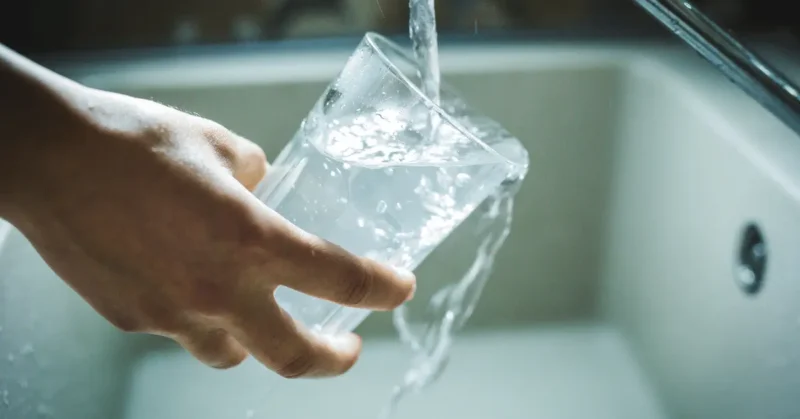
Although water alone cannot prevent every illness, consistent hydration supports the body’s natural systems and may help reduce the risks of dehydration and poor fluid balance.
Kidney and Urinary Health
Kidneys filter toxins from the blood and create urine to remove waste. Drinking enough water helps dilute minerals and supports healthier urinary flow.
Some research links higher water intake to a lower risk of kidney stones, although experts continue to study the topic.
Urinary tract health also benefits from regular hydration because fluids help flush bacteria and waste products from the urinary system.
Body Temperature Regulation
Sweating is one of the body’s natural cooling systems. During hot weather or exercise, hydration becomes even more important because fluid losses increase rapidly.
Without enough water, overheating becomes more likely. It can reduce physical performance and increase the risk of heat exhaustion. Hydration acts like your body’s built-in air conditioning system.
Smart Tips to Drink More Water Every Day
Knowing water is important is one thing. Actually drinking enough consistently is another challenge entirely. Busy schedules, forgetfulness, and boredom often interfere with hydration habits.
Small practical strategies make hydration easier and more sustainable over time.
Simple Hydration Habits
Try these easy hydration habits:
- Keep a reusable water bottle nearby.
- Drink water with every meal.
- Start your morning with one glass of water.
- Add lemon, mint, or cucumber for flavor.
- Set hydration reminders on your phone.
- Eat more water-rich fruits and vegetables.
These habits may sound small, but repeated daily, they create major long-term changes.
Best Times to Drink Water
Certain moments are especially useful for hydration:
| Morning | Rehydrates after sleep |
| Before Meals | May support fullness |
| During Exercise | Replaces sweat loss |
| Hot Weather | Prevents dehydration |
| During Illness | Supports recovery |
Consistency matters more than perfection. Drinking moderate amounts regularly throughout the day often works better than consuming large amounts suddenly at night.
Common Myths About Drinking Water
Hydration advice online can quickly become confusing. Some myths sound convincing but lack strong evidence.
One common myth claims that everyone must drink exactly eight glasses of water daily. In reality, hydration needs vary greatly between individuals.
Another myth suggests coffee completely dehydrates the body. While caffeine has mild diuretic effects, beverages like coffee and tea still contribute to daily fluid intake for most people.
Some people also believe drinking huge amounts of water automatically leads to rapid weight loss or perfect skin. Water supports health, but balance matters.
Excessive water intake can be extremely dangerous in rare cases, as it can dilute sodium levels in the body.
100 Amazing Benefits of Drinking Water Every Day
- Supports healthy digestion
- Helps maintain body temperature
- Keeps your skin hydrated
- May improve energy levels
- Supports kidney function
- Helps remove waste from the body
- Supports healthy circulation
- May improve concentration
- Helps reduce dehydration headaches
- Supports muscle function
- Helps lubricate joints
- May improve workout performance
- Supports healthy metabolism
- Helps transport nutrients
- Keeps the mouth moist
- Supports healthy blood flow
- Helps maintain electrolyte balance
- May reduce feelings of fatigue
- Supports clearer-looking skin
- Helps prevent dry lips
- Supports healthy brain function
- Helps regulate body fluids
- May improve physical endurance
- Supports healthy bowel movements
- Helps the body absorb nutrients
- Supports healthier-looking hair
- Helps keep eyes hydrated
- May reduce overheating during exercise
- Supports healthy oxygen delivery
- Helps maintain healthy organs
- Supports healthy sweating
- Helps reduce thirst naturally
- Supports muscle recovery
- Helps the body stay refreshed
- Supports mental alertness
- Helps balance fluid loss
- Supports healthy cell function
- May improve daily productivity
- Helps maintain healthy urine flow
- Supports temperature control during hot weather
- Helps reduce dry skin appearance
- Supports healthy tissues
- Helps improve hydration after exercise
- Supports smoother digestion
- Helps reduce constipation risk
- Supports healthy saliva production
- Helps the body recover during illness
- Supports healthy skin elasticity
- Helps maintain healthy blood pressure balance
- Supports a refreshed feeling in the morning
- Helps improve hydration during travel
- Supports healthy nutrient circulation
- Helps support active lifestyles
- Supports comfortable movement
- Helps reduce dehydration-related dizziness
- Supports overall wellness
- Helps maintain fluid balance during summer
- Supports healthy breathing passages
- Helps maintain physical performance
- Supports healthy metabolism processes
- Helps reduce dryness in the throat
- Supports comfortable exercise sessions
- Helps the body cool naturally
- Supports healthy hydration during fasting
- Helps maintain healthy body systems
- Supports balanced hydration levels
- Helps improve post-workout recovery
- Supports healthy digestion after meals
- Helps maintain moisture in tissues
- Supports better hydration habits
- Helps support a healthy lifestyle
- Supports healthy body movement
- Helps maintain comfortable energy levels
- Supports healthy circulation during activity
- Helps refresh the body naturally
- Supports healthy fluid transport
- Helps reduce feelings of sluggishness
- Supports balanced hydration during stress
- Helps maintain healthy skin texture
- Supports healthy body regulation
- Helps the body function efficiently
- Supports hydration during illness recovery
- Helps improve comfort during heat exposure
- Supports active muscles
- Helps maintain healthy hydration overnight
- Supports healthy digestive flow
- Helps support balanced physical function
- Supports hydration during long work hours
- Helps maintain healthy daily routines
- Supports healthy fluid replacement
- Helps improve natural body balance
- Supports hydration for mental performance
- Helps maintain freshness throughout the day
- Supports healthy physical stamina
- Helps maintain hydration during exercise
- Supports healthy recovery after sweating
- Helps support healthier lifestyle choices
- Supports healthy body maintenance
- Helps the body stay naturally balanced
- Supports overall daily health and wellness
FAQs on The Benefits of Drinking Water
Q. How much water should you drink during chemo?
Water needs during chemotherapy can vary depending on the treatment type, body weight, side effects, and your doctor’s advice. Many patients are encouraged to drink enough fluids to stay hydrated because chemo may cause vomiting, diarrhea, or fatigue.
In general, sipping water regularly throughout the day often works better than drinking large amounts at once. Always follow your oncology team’s guidance because some patients may need more or less fluid depending on their condition.
Q. Can drinking water reduce cortisol?
Drinking water may help support lower stress levels because dehydration can increase physical strain on the body, which may contribute to higher cortisol levels.
Staying hydrated helps your body maintain balance, improve energy, and support brain function during stressful moments.
Water alone is not a cure for stress hormones, but it works as part of a healthy lifestyle that includes sleep, relaxation, and proper nutrition. Even a small hydration boost can sometimes improve mood and mental clarity.
Q. Can drinking water reduce blood infections?
Water helps your body function properly, supports circulation, and assists organs in removing waste, but it does not directly cure blood infections. Serious infections require medical attention and proper treatment from healthcare professionals.
Staying hydrated may help support recovery because fluids help maintain blood flow and overall body balance. Think of water as supportive care rather than a replacement for medical treatment.
Q. What are the 20 benefits of drinking water?
Drinking enough water daily may support better energy, clearer skin, improved digestion, healthier kidneys, stronger physical performance, better focus, mood balance, body temperature control, and healthier joints.
It may also help reduce headaches, support metabolism, improve circulation, facilitate nutrient transport, and support weight management.
Water can help your body remove waste more efficiently while keeping muscles and tissues hydrated. Simple hydration habits often create noticeable improvements across many areas of daily life.
Q. What is the best time to drink water?
The best time to drink water is throughout the day, but certain times are especially helpful. Drinking water upon waking helps replenish fluids lost during sleep and may improve alertness.
Water before meals can support digestion and fullness, while hydration during exercise helps replace sweat loss. Many people also benefit from drinking water during hot weather or whenever they feel tired or thirsty.
Q. What are the 10 warning signs of high cortisol?
High cortisol levels may sometimes cause fatigue, weight gain around the stomach, trouble sleeping, anxiety, mood swings, headaches, muscle weakness, high blood pressure, brain fog, and increased sugar cravings. Some people also notice acne, low energy, or feeling overwhelmed more easily.
These symptoms can have many possible causes, so they should not be used for self-diagnosis. A medical expert can help determine whether there is a cortisol imbalance.
Q. What is the 3-3-3 rule for anxiety?
The 3-3-3 rule is a calming, grounding technique used during anxious moments. You look at 3 things around you, listen for 3 sounds, and move 3 parts of your body, such as your fingers, shoulders, or feet.
This method helps shift attention away from racing thoughts and back toward the present moment. It is simple, quick, and easy to practice almost anywhere.
Q. What can I drink to reduce my stress?
Water is one of the best simple drinks for stress support, as dehydration can worsen fatigue and irritability. Herbal teas like chamomile, peppermint, lemon balm, or green tea are also popular choices because they create a calming routine.
Warm drinks often provide comfort and relaxation, especially in stressful situations. According to Healthline, cutting back on sugar can improve your mental well-being and help you feel more balanced.
Conclusion on The Benefits of Drinking Water
One of the easiest yet most effective habits you can develop for your health is drinking adequate water each day.
Water supports your brain, muscles, digestion, skin, energy levels, and emotional balance. It helps your body perform the countless invisible tasks that keep you alive and functioning.
The beauty of hydration is its simplicity. You do not need expensive supplements or complicated routines to begin benefiting from it.
One glass at a time, you support your body’s natural systems and create a healthier foundation for daily life.
Think of water as quiet fuel. It may not grab attention like trendy diets or flashy wellness products, but your body notices the difference.
When hydration improves consistently, many areas of life begin working more smoothly, from focus and fitness to digestion and mood.
Start your hydration journey today by drinking more water consistently and giving your body the daily support it truly deserves.
Read more health and wellness tips.
You might like: