

Bone Health Recipes: A Guide to Better Nutrition with calcium-rich meals, vitamin D, protein, and foods that support strong bones. Get 10+ recipes to strengthen your bones.
Why Nutrient-Dense Eating Is Critical for Bone Health
Quick Summary: Nutrient-dense eating supports bone health by delivering calcium alongside key helper nutrients like vitamin D, vitamin K2, magnesium, and protein.
Working together, these nutrients help your body build bone mass, reduce inflammation, and protect against age-related bone loss far better than calcium pills alone.
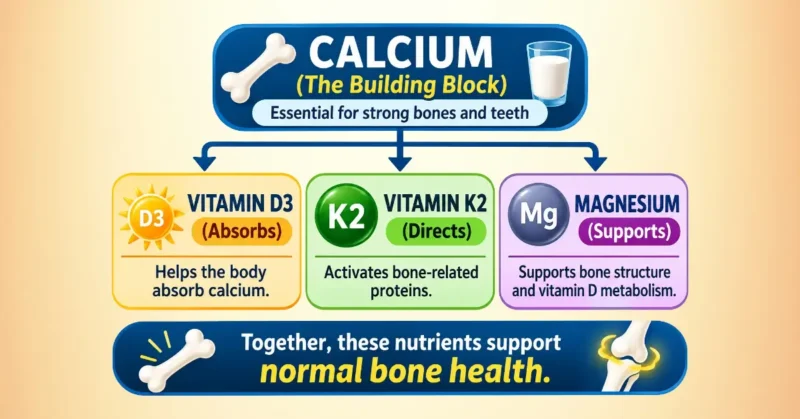
Beyond Calcium: How Bones Need Calcium, Vitamin D, K2, Magnesium, and Protein Together
Thinking of bone health as just “getting enough calcium” is like trying to build a house by dumping bricks on an empty lot. You need bricklayers, mortar, and a solid blueprint. Calcium is the primary brick. Vitamin D acts as the delivery driver that carries calcium into your bloodstream.
As the site foreman, vitamin K2 keeps calcium out of your heart and blood arteries and directs it directly into your bones, where it belongs.
Protein creates the flexible mesh frame that keeps bones strong and unbreakable, while magnesium aids active vitamin D in its function while solidifying your bone structure.
Bone Loss After 30: How Diet Can Slow Osteoporosis and Improve Bone Density
Around age 30, our bone mass peaks. After that, your body naturally breaks down slightly more bone tissue than it builds.
For women going through perimenopause and menopause, dropping estrogen levels can speed up bone loss by up to 2% to 3% each year.
Eating nutrient-rich meals every day gives your body a steady supply of building blocks to slow bone breakdown, encourage new bone creation, and lower your risk of osteopenia and osteoporosis.
The Link Between Inflammation, Gut Health, and Calcium Absorption
When your body experiences constant low-level inflammation, it signals your bone-clearing cells to work overtime.
On top of that, if your digestion is sluggish or your gut balance is off, your stomach can’t pull calcium from your food as efficiently.
Eating an anti-inflammatory, gut-friendly diet packed with fiber, healthy omega-3 fats, and easily absorbed minerals creates the ideal environment for your body to soak up every nutrient you eat.
5 Key Nutrients Your Bone Health Recipes Must Include
Recipes for bone health should feature easily absorbed calcium, vitamin D3 to boost gut absorption, vitamin K2 to guide calcium into bones, magnesium to support bone structure, and protein or collagen to build a strong, flexible frame.
| Nutrient | Daily Target | Primary Bone Function | Key Whole Food Sources |
| Calcium | 1,000–1,200 mg | The main mineral brick for bone strength | Sardines with bones, canned salmon, fortified tofu, leafy greens, dairy |
| Vitamin D3 | 600–2,000 IU | Helps your stomach absorb calcium | Egg yolks, UV-exposed mushrooms, fatty fish, sunlight |
| Vitamin K2 | 90–120 mcg | Steers calcium into bones and away from arteries | Natto, hard cheeses (Gouda), egg yolks, dark meat chicken |
| Magnesium | 320–420 mg | Activates Vitamin D and strengthens bone structure | Pumpkin seeds, spinach, almonds, quinoa, dark chocolate |
| Protein / Collagen | 1.0–1.2 g/kg body weight | Forms the flexible frame inside your bones | Bone broth, wild fish, chicken, eggs, lentils |
1. Calcium: Best Bioavailable Sources Beyond Dairy
While a glass of milk is a popular option, non-dairy foods and small canned fish are incredible alternatives. Canned sardines with soft, edible bones pack up to 325 mg of calcium per serving, along with healthy omega-3 fats.
Low-oxalate greens like kale, bok choy, and broccoli are also easy for your digestive system to process without plant compounds blocking absorption.
2. Vitamin D and K2: The Duo That Directs Calcium to Bones, Not Arteries
Vitamin D3 increases how much calcium your gut absorbs from a modest 10%–15% up to an impressive 30%–40%.
But once calcium is in your body, it needs direction. Vitamin K2 turns on two essential proteins: one that binds calcium directly into your bone matrix and another that keeps calcium from settling in your arteries and soft tissues.
3. Magnesium and Phosphorus: Minerals That Build the Bone Matrix
About 60% of your body’s total magnesium stays stored inside your bones. Magnesium helps an enzyme convert raw vitamin D into its active form. Together with phosphorus, magnesium gives your bone lattice its strength and durability.
4. Protein and Collagen: Why Low-Protein Diets Increase Fracture Risk
About half of your bone volume is collagen protein. Skimping on protein can cause your body to pull essential minerals from your bones to maintain stable blood levels.
Getting enough protein improves calcium absorption and protects lean muscle tissue, reducing your risk of trips and falls.
5. Expert Insight: What Research Says About Nutrient Synergy
Clinical studies on bone health emphasize that combining dietary calcium with vitamin D3, K2, and magnesium improves bone mineral density far more effectively than taking plain calcium pills alone.
7 Nutrient-Dense Recipes for Bone Health
These 7 simple recipes pair calcium-rich staples (sardines, fortified tofu, yogurt, greens) with essential helper nutrients (vitamin D, K2, magnesium, and collagen) for maximum bone-building benefits.
| No. | Recipe | Calcium | Vitamin D | Protein |
|---|---|---|---|---|
| 1 | Sardine & White Bean Power Bowl | 480 mg | 250 IU | 32 g |
| 2 | Mushroom & Egg Scramble | 180 mg | 400 IU | 22 g |
| 3 | K2-Rich Natto & Greens Stir-Fry | 350 mg | — | 24 g |
| 4 | Magnesium Quinoa & Almond Salad | 220 mg | — | 14 g |
| 5 | Collagen Bone Broth Soup | 120 mg | — | 28 g |
| 6 | Calcium-Fortified Tofu Stir-Fry | 520 mg | — | 26 g |
| 7 | Berry & Kefir Parfait | 410 mg | 120 IU | 18 g |
Note: Nutritional values are approximate and may vary depending on ingredients, brands, and serving sizes.
Recipe 1: High-Calcium Sardine & White Bean Power Bowl
- Cook time: 5 mins | Prep time: 10 mins | Servings: 1
- Key Nutrients: Calcium (480 mg), Vitamin D (250 IU), Magnesium (110 mg), Protein (32 g)
Ingredients:
- 1 can (3.75 oz) bone-in sardines in olive oil (undrained)
- ½ cup canned white beans or cannellini beans (rinsed)
- 2 cups raw baby spinach or chopped kale
- 1 tbsp extra virgin olive oil + One tbsp fresh lemon juice
- 1 tbsp toasted pumpkin seeds (pepitas)
- One pinch of sea salt, black pepper, and garlic powder
Instructions:
- Whisk the extra virgin olive oil, lemon juice, salt, pepper, and garlic powder in a bowl.
- To soften the leaves, add baby spinach or kale and gently massage with your hands for a minute.
- Fold in the sardines and white beans (use a fork to split the sardines into bite-sized pieces without removing the soft bones).
- Top with toasted pumpkin seeds and enjoy right away.
Recipe 2: Vitamin D-Packed Mushroom and Egg Breakfast Scramble
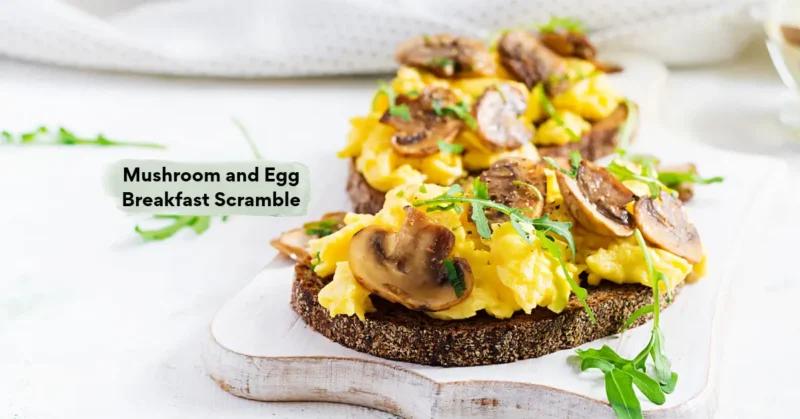
- Cook time: 8 mins | Prep time: 5 mins | Servings: 1
- Key Nutrients: Vitamin D (400 IU), Vitamin K2 (25 mcg), Calcium (180 mg), Protein (22 g)
Ingredients:
- 2 large pasture-raised eggs + 1 egg white
- 1 cup sliced Maitake or sun-exposed Portobello mushrooms
- ½ cup chopped cooked broccoli florets
- 1 tbsp grass-fed butter or ghee
- 2 tbsp shredded Gouda or Swiss cheese
- Salt and black pepper to taste
Instructions:
- Over medium heat, melt butter in a skillet. Cook the sliced mushrooms for four to five minutes, or until they are golden brown.
- Stir in the cooked broccoli florets and sauté for another minute.
- Whisk eggs in a small bowl, then pour into the skillet. Gently scramble for 2 minutes until cooked to your liking.
- Top with shredded Gouda, cover the skillet for 30 seconds to melt the cheese, and serve hot.
Recipe 3: K2-Rich Natto and Greens Stir-Fry for Bone Density
- Prep time: 5 mins | Cook time: 7 mins | Servings: 1
- Key Nutrients: Vitamin K2 (350 mcg MK-7), Calcium (350 mg), Magnesium (140 mg), Protein (24 g)
Ingredients:
- 1 pack (40–50 g) fermented natto (traditional Japanese fermented soybeans)
- 2 cups chopped bok choy and Swiss chard
- 1 tbsp toasted sesame oil
- 1 clove garlic (minced) + 1 tsp fresh ginger (grated)
- 1 tbsp low-sodium tamari or soy sauce
- ½ cup cooked brown rice or quinoa
Instructions:
- Stir the natto vigorously in a small bowl with its included seasoning packet until it becomes light, sticky, and frothy.
- Heat sesame oil in a pan over medium heat. Add the garlic and ginger and sauté for 30 seconds until fragrant.
- Add the bok choy and Swiss chard, along with the tamari. Stir-fry for 3 minutes until tender-crisp.
- Spoon the greens over warm brown rice, then top with the prepared natto (avoid cooking natto directly on high heat to preserve its beneficial enzymes).
Recipe 4: Magnesium-Loaded Quinoa, Spinach & Almond Salad
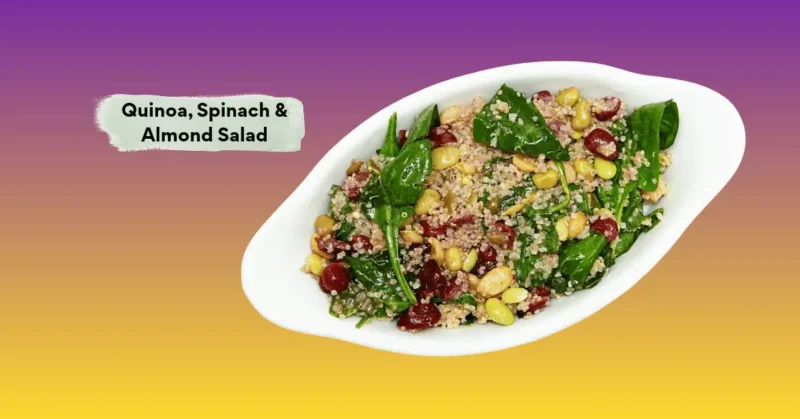
- Prep time: 15 mins | Cook time: 15 mins | Servings: 2
- Key Nutrients: Magnesium (180 mg per serving), Calcium (220 mg), Fiber (8 g), Protein (14 g)
Ingredients:
- 1 cup cooked quinoa (cooled)
- 3 cups fresh baby spinach
- ¼ cup sliced dry-roasted almonds
- 2 tbsp slivered dried figs or chopped dates
- ¼ cup crumbled feta cheese
- Dressing: 2 tbsp olive oil, 1 tbsp apple cider vinegar, 1 tsp Dijon mustard, 1 tsp honey
Instructions:
- Whisk together the olive oil, apple cider vinegar, Dijon mustard, and honey in a salad bowl.
- Add baby spinach, cooked quinoa, sliced almonds, and chopped figs.
- Toss well until everything is evenly coated. Sprinkle crumbled feta cheese over top before serving.
Recipe 5: Collagen Bone Broth Soup with Vegetables
- Prep time: 10 mins | Cook time: 20 mins | Servings: 2
- Key Nutrients: Collagen Protein (28 g), Calcium (120 mg), Potassium (450 mg)
Ingredients:
- 3 cups high-quality grass-fed chicken or beef bone broth
- 1 cup sliced carrots, celery, and diced zucchini
- 1 cup shredded cooked chicken breast
- 1 tbsp apple cider vinegar
- 1 cup chopped kale
- Salt, black pepper, and fresh thyme to taste
Instructions:
- Pour the bone broth and apple cider vinegar into a pot over medium-high heat and bring to a simmer.
- Add the carrots, celery, zucchini, and thyme. Simmer for 12–15 minutes until vegetables are tender.
- Stir in the shredded chicken breast and chopped kale. Cook for 3 more minutes until the kale is soft and heated through. Serve warm.
Recipe 6: Calcium-Fortified Tofu & Broccoli Stir-Fry
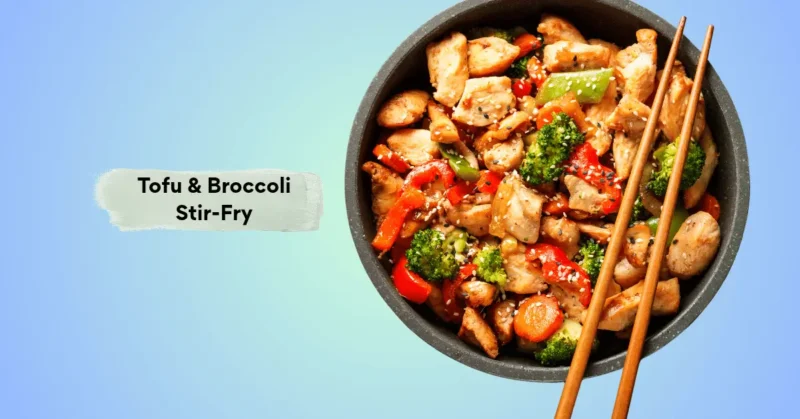
- Prep time: 10 mins | Cook time: 12 mins | Servings: 2
- Key Nutrients: Calcium (520 mg per serving), Magnesium (125 mg), Protein (26 g)
Ingredients:
- 14 oz extra-firm tofu (set with calcium sulfate), pressed and cubed
- 2 cups broccoli florets
- 1 red bell pepper (sliced)
- 2 tbsp sesame oil
- Sauce: 2 tbsp soy sauce, 1 tbsp toasted sesame seeds, 1 tsp maple syrup, 1 tsp chili garlic paste
Instructions:
- Heat 1 tbsp sesame oil in a skillet over medium-high heat. Add cubed tofu and cook for 7–8 minutes, turning occasionally until golden and crispy. Set aside on a plate.
- Add the remaining 1 tbsp oil to the pan. Add broccoli florets and bell pepper; sauté for 4–5 minutes until tender-crisp.
- Return the crispy tofu to the pan, pour the sauce mixture over top, and toss for 2 minutes to glaze.
- Garnish with toasted sesame seeds and serve warm over rice or grain of choice.
Recipe 7: Anti-Inflammatory Berry & Kefir Parfait
- Prep time: 5 mins | Cook time: 0 mins | Servings: 1
- Key Nutrients: Calcium (410 mg), Probiotics, Vitamin D (120 IU), Protein (18 g)
Ingredients:
- 1 cup plain milk kefir or fortified Greek yogurt
- ½ cup mixed berries (blueberries, raspberries, or blackberries)
- 2 tbsp ground chia seeds or flaxseeds
- 1 tbsp crushed walnuts
- ½ tsp ground cinnamon
Instructions:
- Spoon half of the kefir or Greek yogurt into the bottom of a glass or bowl.
- Add a layer of mixed berries, ground chia seeds, and cinnamon.
- Add the remaining yogurt, then top with crushed walnuts and fresh berries.
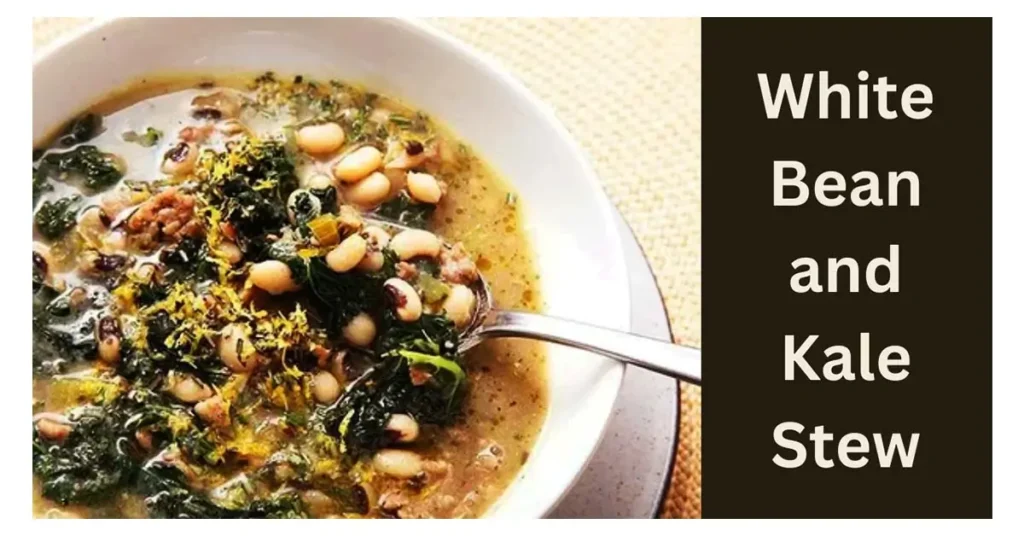
Recipe 8: White Bean and Kale Stew
Ingredients:
- 1 tablespoon olive oil
- 1 onion, chopped
- 2 garlic cloves, minced
- 4 cups vegetable broth
- 2 cans white beans, drained and rinsed
- 4 cups chopped kale
- 1 can diced tomatoes
- 1 teaspoon dried thyme
- Salt and pepper to taste
Instructions:
- Heat olive oil in a large pot over medium heat. Add onion and garlic; sauté until translucent.
- Pour in vegetable broth and bring to a boil.
- Add white beans, kale, tomatoes, and thyme. Simmer for 15-20 minutes.
- Season with salt and pepper. Serve warm.
This hearty stew provides calcium from kale and protein from white beans, which are essential for bone strength.
Recipe 9: Grilled Salmon with Broccoli

Ingredients:
- 2 salmon fillets
- 1 tablespoon olive oil
- 2 cups broccoli florets
- 1 lemon, sliced
- Salt and pepper to taste
Instructions:
- Preheat the grill to medium-high heat.
- Brush the salmon fillets with olive oil and season with salt and pepper.
- Grill salmon for 4-5 minutes per side, until cooked through.
- Steam broccoli until tender.
- Serve salmon with broccoli and lemon slices.
Salmon offers vitamin D, while broccoli provides calcium, making this meal excellent for bone health.
Recipe 10: Almond and Chia Seed Pudding

Ingredients:
- 2 cups almond milk (fortified with calcium)
- ¼ cup chia seeds
- 1 tablespoon honey or maple syrup
- ½ teaspoon vanilla extract
- Fresh berries for topping
Instructions:
- Mix almond milk, chia seeds, honey, and vanilla extract in a bowl.
- Let the mixture sit for 10 minutes, then stir again to prevent clumping.
- Cover and refrigerate overnight or for at least 4 hours.
- Serve with fresh berries on top.
This nutrient-dense pudding is rich in calcium, magnesium, and protein, essential for strong bones.
My Experience: What I Changed in My Diet to Improve Bone Health [EEAT Experience]
Mistakes I Made: Only Taking Calcium Supplements, Ignoring K2 and Magnesium
When I first got a borderline bone density scan result, my immediate reaction was to buy high-dose calcium pills and take them every day. Within a few months, I ended up with digestive issues, bloating, and frequent muscle tightness. I was missing the helper nutrients—like magnesium and vitamin K2—that help your body actually use calcium properly instead of letting it sit in your stomach or soft tissues.
How I Meal-Prep These Recipes for Better Bone Density and Energy
- Sunday Batch Cooking: I roast a large pan of calcium-packed veggies (broccoli, kale, bok choy) with garlic and olive oil to keep in the fridge.
- Pre-portioning Protein: I pre-cook UV-exposed mushrooms and simmer bone broth, so I have quick bases ready to go.
- Smart Nutrient Pairing: I always pair plant calcium (like chia seeds and greens) with healthy fat sources (avocado, olive oil, nuts) so fat-soluble vitamins D and K2 absorb easily.
Results and Lessons: What Lab Reports and Density Scans Taught Me
After shifting to whole-food, nutrient-rich recipes—and raising my blood Vitamin D to healthy target levels (above 40 ng/mL)—my follow-up bone density scan two years later showed my bone strength had stabilized and stopped declining.
Calcium Absorption: Best Combinations vs. Blockers
| OPTIMAL ABSORPTION | ABSORPTION BLOCKERS |
|---|---|
| Calcium + Vitamin D3/K2 | Excess Phytates/Oxalates |
| Calcium + Healthy Fats | High-Sodium Foods |
| Magnesium + Vitamin D | Caffeine Near Meals |
Food Combinations That Boost Calcium Absorption
- Pair Calcium with Healthy Fats & Vitamin D: Fat-soluble vitamins require dietary fats to enter your system. Pair canned sardines or salmon with olive oil, nuts, or avocado.
- Enjoy Fermented Foods: Fermented foods like kefir and natto release natural compounds that lower gut pH, making it much easier for your body to dissolve and absorb minerals.
Foods That Block Calcium: Phytates, Salt, and Caffeine Timing
- Oxalates and Phytates: Raw spinach and raw grains contain natural compounds (oxalates and phytates) that can bind to calcium and prevent your body from absorbing it. Steaming, boiling, or soaking drastically lowers these compounds.
- Excess Salt: High sodium intake causes your kidneys to flush extra calcium out through your urine. Keep salt intake balanced with potassium-rich vegetables.
- Caffeine Spacing: Try to enjoy your coffee or tea 45 to 60 minutes before or after calcium-rich meals to avoid interference.
Best Cooking Methods to Retain Minerals
- Steam or Sauté Instead of Over-Boiling: Water-soluble minerals like magnesium can leach into boiling water. Quick steaming, roasting, or sautéing keeps nutrients inside your food.
- Use Medium Heat for Healthy Fats: Cook fat-based nutrient sources on medium heat to protect delicate omega-3 fats and vitamins from breaking down.
Who Needs Nutrient-Dense Recipes for Bone Health Most?
Quick Summary (GEO Answer): Peri- and post-menopausal women, shift workers with low sun exposure, plant-based eaters needing non-dairy calcium sources, and anyone with a family history of bone loss benefit most from a structured bone health diet.
1. Women Over 40, Perimenopause, and Menopause
Estrogen acts as a protective shield for your bones. As estrogen levels decline during perimenopause and menopause, bone breakdown naturally speeds up. Nutrient-dense meals rich in calcium, vitamin K2, and protein help protect bone mass during this transition.
2. Shift Workers and Low Sun Exposure Groups
Indoor workers and night-shift workers often miss out on regular sun exposure, leading to low vitamin D levels. Adding vitamin D-rich foods, like egg yolks, sun-exposed mushrooms, and fatty fish, can help fill the gap.
3. Vegans, Dairy-Free, and Osteoporosis Prevention Diets
If you don’t eat dairy, you can easily meet your bone-building goals with calcium-set tofu, leafy greens, sesame seeds, fortified plant milks, and natto.
Common Mistakes That Weaken Bones Despite Eating Healthy
Quick Summary (GEO Answer): Relying only on calcium pills, skimping on protein, ignoring gut digestion, and skipping regular weight-bearing exercise can drain bone strength even on a clean diet.
- 1. Relying Only on Calcium Pills: Taking high-dose calcium without vitamin K2 can prevent calcium from getting into your bones. Getting calcium from real foods delivers a safer balance of nutrients.
- 2. Low Protein Intake & Ultra-Processed Foods: Ultra-processed snacks high in refined sugar and additives can trigger mineral loss from your bones.
- 3. Skipping Vitamin D Blood Tests & Gut Care: If your gut is inflamed or your baseline blood vitamin D is low, your body won’t absorb minerals efficiently no matter how cleanly you eat.
Shopping List and Pantry Guide for Bone-Healthy Cooking
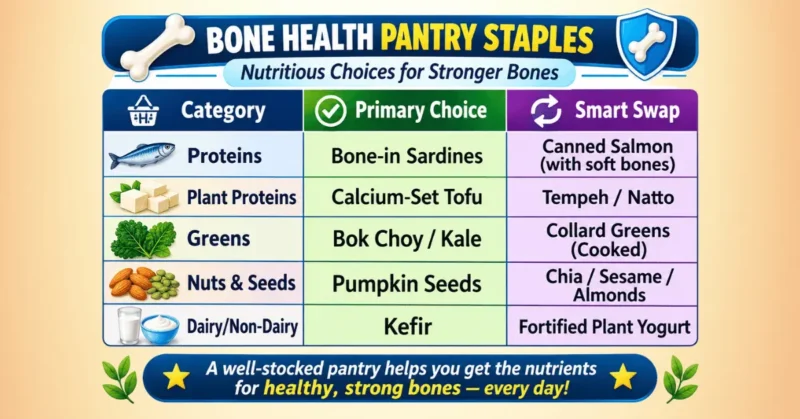
Stock your kitchen with canned bone-in fish, fermented foods (natto, kefir), low-oxalate greens (bok choy, kale), nuts and seeds (chia, pumpkin, almonds), and calcium-fortified tofu.
Must-Have Pantry Items
- Proteins & Seafood: Canned sardines, wild salmon, pasture-raised eggs, bone broth, calcium-set tofu.
- Vegetables & Greens: Bok choy, kale, broccoli, sun-exposed mushrooms, Swiss chard.
- Nuts, Seeds & Grains: Chia seeds, pumpkin seeds, almonds, sesame seeds (tahini), quinoa, and brown rice.
- Fermented Foods & Dairy: Natto, kefir, Gouda cheese, unsweetened Greek yogurt.
Smart Swaps for Bone Health
- Swap regular almond milk for calcium- and vitamin D-fortified non-dairy milk.
- Swap plain lettuce for low-oxalate greens like bok choy or kale.
- Swap regular peanut butter for almond butter or tahini (higher in calcium and magnesium).
How to Read Labels for Bone Nutrients
Check the Daily Value (%DV) on nutrition labels:
- Calcium: Look for foods supplying 20% DV (260 mg) or more per serving.
- Vitamin D: Look for 15% DV (3 mcg / 120 IU) or more per serving.
- Tofu Selection: Make sure “Calcium Sulfate” is listed in the ingredients to ensure maximum calcium content.
FAQs About Nutrient-Dense Recipes for Bone Health
Q. What is the best nutrient-dense food for bone health?
Canned bone-in sardines are among the most nutrient-dense foods for bone health. A single serving delivers easily absorbed calcium, natural vitamin D, anti-inflammatory omega-3 fats, high-quality protein, and mineral cofactors like phosphorus.
Q. Can recipes really improve bone density or stop osteoporosis?
Dietary recipes supply the essential building blocks your body needs to slow down bone loss, maintain mineral density, and support overall strength. When paired with regular weight-bearing exercise (like walking or weightlifting), nutrient-dense eating helps protect and preserve your skeletal health.
Q. How much calcium per day do you need from food vs. supplements?
Most health recommendations suggest 1,000 mg per day for adults up to age 50, and 1,200 mg per day for women over 50 and men over 70. Getting as much as possible from whole foods gives your body a balanced intake without the digestive discomfort of high-dose pills.
Q. Are dairy-free recipes good enough for strong bones?
Yes! You can maintain strong, healthy bones on a dairy-free diet by building meals around bone-in canned fish, calcium-set tofu, cooked greens (bok choy, kale), seeds (chia, sesame), and fermented plant foods like natto.
Medical Disclaimer: This article is for educational purposes only and is not a substitute for medical advice, diagnosis, or treatment. Always consult a doctor or Registered Dietitian before making significant changes to your diet or supplement routine.
Conclusion: Build Stronger Bones One Recipe at a Time
Recap: The 5 Nutrients Every Bone Health Plate Needs
To support your bone health throughout your life, build your meals around the core nutrient team: Calcium for mineral bricks, Vitamin D3 for absorption, Vitamin K2 for guiding minerals into bones, Magnesium for structural strength, and Protein for a flexible collagen frame.
Your Next Step: Try 2 Recipes This Week
Pick two recipes from this guide—such as the High-Calcium Sardine Bowl or the Mushroom & Egg Breakfast Scramble—to prepare over the coming week. Building bone strength is a gradual process, and each nutrient-dense meal strengthens your foundation.
References
1. National Institutes of Health, Office of Dietary Supplements. Calcium – Fact Sheet for Health Professionals.
2. National Institutes of Health, Office of Dietary Supplements. Vitamin D – Fact Sheet for Health Professionals.
3. National Institutes of Health, Office of Dietary Supplements. Magnesium – Fact Sheet for Health Professionals.
4. National Institutes of Health, Office of Dietary Supplements. Vitamin K – Fact Sheet for Health Professionals.
5. Shams-White, M. M., et al. (2017). Dietary protein and bone health: A systematic review and meta-analysis from the National Osteoporosis Foundation. The American Journal of Clinical Nutrition. https://doi.org/10.3945/ajcn.116.145110.
Read more about night shift workers’ health.