
Finding more hair than normal in your brush, on your pillow, or swirling down the shower drain can quickly cause concern.
After that, most people do the same thing: they open a web browser and start exploring “the best shampoo for hair growth and hair fall,” hoping to find a bottle that can instantly repair the damage.
The truth is more nuanced. Hair fall can come from a long list of causes: breakage, scalp buildup, dandruff, hormonal shifts, nutritional gaps, stress, certain medications, genetics, or an underlying medical condition.
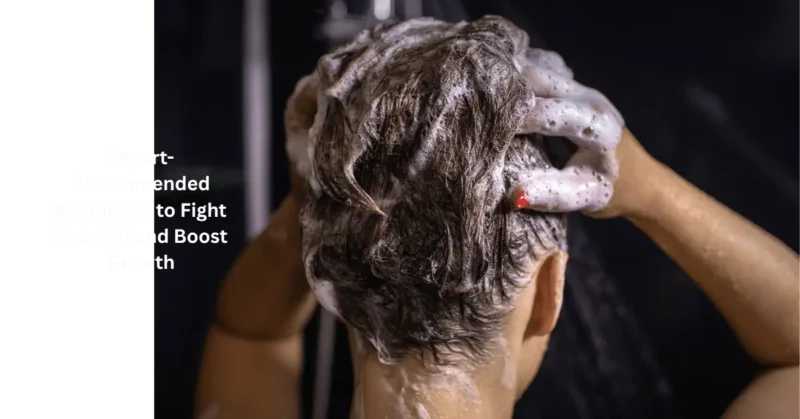
A shampoo can’t fix all of those on its own. What it can do is create a cleaner, calmer, healthier scalp environment and reduce breakage, which can make hair loss look worse than it actually is.
This guide walks through five shampoo categories worth considering, the ingredients that actually matter, and how to match a formula to your hair and scalp type. These mistakes quietly sabotage results, and, just as importantly, when it’s time to stop experimenting with bottles and talk to a dermatologist instead.
Can Shampoo Really Stop Hair Fall and Promote Hair Growth?
What Shampoo Can Actually Do
A well-formulated shampoo works mainly on the surface: your scalp and the hair shaft. Used consistently, the right one can:
- Maintain a clean, oil-free scalp.
- Remove product buildup that clogs follicles and weighs hair down.
- Calm scalp irritation and flaking
- Improve manageability to reduce tugging and snapping during washing and styling.
- Cut down on breakage caused by buildup, tangles, or poor hair-care habits.
- Support an overall healthier scalp environment where existing hair can look and feel fuller.
What Shampoo Cannot Do?
Shampoo has real limits, and it’s worth being upfront about them:
- It generally cannot reverse every type of hair loss.
- It cannot treat genetic (pattern) hair loss on its own
- It cannot correct a nutritional deficiency.
- It cannot resolve hormonal causes of shedding.
- It is not a substitute for medically recommended treatment.
Does shampoo help hair growth? Shampoo can support hair growth indirectly by keeping the scalp clean, reducing irritation, and minimizing breakage, creating better conditions for existing hair to thrive. It cannot treat the underlying causes of hair loss, such as genetics or hormones, on its own.
What to Look for in a Shampoo for Hair Fall
Marketing claims sell bottles; ingredient lists tell you what a shampoo is actually capable of. Here’s what to check before you buy.
Caffeine
Caffeine appears frequently in shampoos marketed for thinning hair. It’s typically included for its potential to support the scalp environment around hair follicles.
It’s worth noting that a quick rinse-off product provides a very different level of exposure than leave-on treatments studied in clinical settings, so expectations should remain realistic.
Ketoconazole
Ketoconazole is an antifungal commonly used in medicated shampoos aimed at dandruff and certain scalp conditions. It’s not a general-purpose “hair growth” ingredient; its main job is managing fungal and inflammatory activity on the scalp, which can indirectly support a healthier environment for hair.
Niacinamide
Niacinamide, also popular as vitamin B3, is commonly used for general skin and scalp support, including reducing irritation and bolstering scalp barrier function.
Salicylic Acid
This chemical works as an exfoliator, helping remove dead skin cells, excess sebum, and product buildup that can accumulate around the follicle opening, making it particularly effective for oilier scalps.
Anti-Dandruff Actives
Formulations vary widely, and not every anti-dandruff shampoo uses the same active ingredient or concentration. Always check the current label rather than assuming a product works the same way it did in a past formulation.
Gentle Cleansing Ingredients
If your hair is dry, fragile, color-treated, or chemically processed, harsh sulfates and aggressive cleansers can strip natural oils and worsen breakage. Milder surfactant systems are often a better fit.
5 Expert-Recommended Shampoos to Fight Hair Fall and Boost Growth
To make these comparable, each category below is evaluated on the same criteria: key ingredients, ideal hair/scalp type, main purpose, potential benefits, limitations, best use case, suggested frequency, possible drawbacks, and what it primarily targets (shedding, breakage, dandruff, or scalp health).
1. Caffeine-Based Shampoo
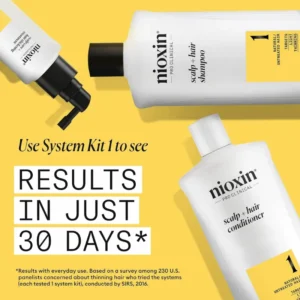
What it is: A shampoo formulated around caffeine as its headline active, often paired with supporting ingredients aimed at the scalp.
Key ingredients to look for: caffeine, panthenol, niacinamide, and conditioning agents.
Potential benefits:
- Fits into a scalp-focused hair-care routine
- May help improve the appearance of thinning areas over time
- Cleanses excess oil and light buildup
Best for: People concerned about thinning or weak-looking hair, or anyone seeking a shampoo focused on scalp support rather than purely cosmetic benefits.
Limitations: Evidence on topical caffeine shampoos is still developing and isn’t equivalent to established medical hair-loss treatments. Think of it as a supportive step, not a standalone fix.
2. Ketoconazole Shampoo
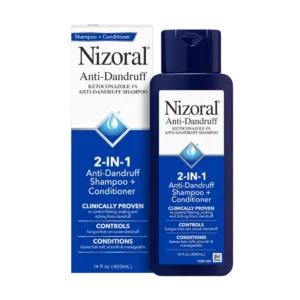
What it is: A medicated shampoo built around ketoconazole, an antifungal ingredient widely used against dandruff and certain fungal scalp conditions.
Why it may matter for hair fall: Scalp inflammation, dandruff, and itching can all contribute to a scalp environment that isn’t ideal for healthy-looking hair. Managing that inflammation may support scalp appearance and reduce irritation-related shedding.
Best for: Dandruff-prone scalps, visible flaking, or certain diagnosed scalp conditions.
Important caution: More frequent use of medicated shampoos isn’t always preferable; instead, they should be used strictly in accordance with the product label or a healthcare provider’s instructions.
3. Ketoconazole + Supportive Scalp-Care Formula
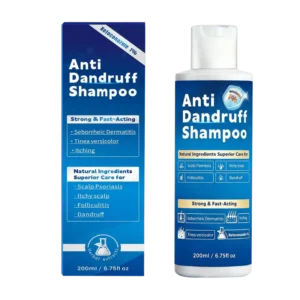
What it is: A second formulation category that combines an anti-dandruff active with conditioning or scalp-support ingredients, aimed at a broader set of scalp concerns rather than dandruff alone.
Key features:
- Anti-flaking support
- General scalp cleansing
- Reduced irritation from uncontrolled dandruff
- Added conditioning support for the hair itself
Best for: Readers whose “hair fall” is really a cluster of symptoms, itching, flaking, excess oil, and general scalp irritation, rather than isolated shedding.
Important distinction: It’s worth separating shedding caused by an underlying scalp condition from ordinary hair breakage caused by styling or handling. They call for different solutions.
4. Biotin- or Protein-Focused Strengthening Shampoo
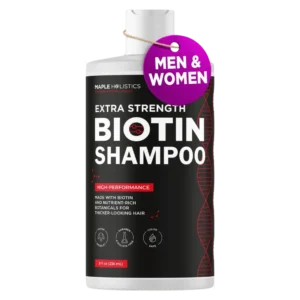
What it is: Shampoos built around biotin, keratin, hydrolyzed proteins, or other strengthening ingredients, usually marketed toward damaged or breakage-prone hair.
Potential benefits:
- Improves the feel and texture of damaged hair
- Can reduce the visible appearance of weak, limp strands
- Supports cosmetic strength and shine
- May help minimize breakage during brushing or styling
Best for: Damaged hair, chemically treated hair, heat-styled hair, and hair that snaps easily.
Important reality check: Applying biotin topically through shampoo does not correct a dietary biotin deficiency, and it doesn’t guarantee new hair growth. Its main strength is cosmetic: hair that looks and feels stronger, not hair that regrows faster.
5. Gentle Shampoo for Sensitive or Dry Scalp
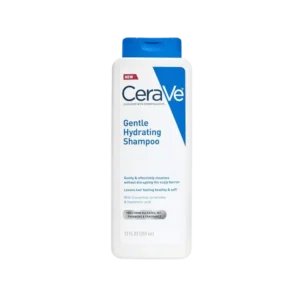
Why it belongs on this list: Not everyone experiencing hair fall needs an aggressive, active-packed formula. For many people, the real problem is irritation, dryness, or over-washing, and a gentler shampoo is the more effective choice.
Key features to look for:
- Mild cleansing agents
- Moisturizing ingredients
- Minimal potential for irritation
- A scalp-appropriate pH
- Conditioning agents built into the formula
Best for: Dry scalp, sensitive scalp, fragile hair, and anyone who shampoos frequently and needs a formula that won’t compound irritation.
Main benefit: Reducing irritation and breakage can make hair look and feel noticeably healthier, even though this type of shampoo isn’t directly stimulating new growth.
Quick Comparison of the 5 Shampoos
| Caffeine shampoo | Scalp/hair growth support | Thinning-looking hair | Caffeine | Evidence still developing |
| Ketoconazole shampoo | Scalp/dandruff | Flaking and certain scalp conditions | Ketoconazole | Not a universal hair-loss treatment |
| Anti-dandruff combination | Scalp health | Irritated/flaky scalp | Anti-dandruff actives | Effectiveness depends on formulation |
| Biotin/protein shampoo | Hair strengthening | Breakage/damaged hair | Biotin, proteins, keratin | Does not guarantee new growth |
| Gentle scalp shampoo | Scalp comfort | Dry/sensitive scalp | Gentle cleansers, conditioners | Primarily supportive, not corrective |
Best Shampoo for Different Types of Hair Fall
Thinning hair: Lean toward caffeine-focused formulas or gentle scalp-care options, depending on whether your scalp also feels irritated.
Dandruff and hair shedding: A medicated or anti-dandruff shampoo is usually the more appropriate starting point, since treating the flaking often reduces the associated shedding.
Hair breakage: Strengthening and conditioning formulas built around proteins or keratin tend to make the biggest visible difference.
Dry hair and hair fall: Prioritize moisture and gentle cleansing over active ingredients that could dry things out further.
Oily scalp and thinning hair: Regular cleansing is important, but avoid formulas that are so stripping they trigger the scalp to overproduce oil in response.
Color-treated hair: Balance scalp hygiene with formulas designed to preserve the hair shaft and protect color from fading.
Hair Fall vs. Hair Breakage: Why the Difference Matters
These two problems look similar on the bathroom floor but call for different solutions.
Signs of Hair Shedding
- Full-length strands, often with a small bulb at the root
- Hair coming out from the root itself.
- Noticeably more hair loss during washing
- A gradual, overall reduction in density
Signs of Hair Breakage
- Short, broken pieces of hair
- Split ends
- Uneven lengths throughout the hair
- Frizz and a brittle texture
Why Shampoo Choice Changes
If breakage is the main issue, a strengthening or protein-based shampoo is usually more useful. If shedding is the concern, especially shedding tied to scalp irritation or dandruff, a scalp-focused or medicated approach tends to be more appropriate.
How to Use Hair-Fall Shampoo Correctly
- Before using any product, fully moisten the hair and scalp to guarantee that it lathers and distributes evenly.
- Apply shampoo mainly to the scalp, not the full length of the hair; the scalp is where cleansing actives need to work.
- Massage gently using fingertips, not fingernails. Aggressive scratching can irritate the scalp and worsen shedding.
- Leave medicated shampoo on for the recommended time listed on the packaging; rinsing too early reduces effectiveness.
- Rinse thoroughly. Leftover residue can contribute to buildup and irritation over time.
- Condition the lengths and ends, not the scalp, to avoid weighing down roots or clogging follicles.
How Often Should You Shampoo If You Have Hair Fall?
There’s no single correct frequency; it depends on scalp oiliness, hair texture, how much product buildup you accumulate, exercise habits, dandruff, styling products, and any underlying scalp conditions.
Daily shampooing vs. washing 2–3 times a week:
Oilier scalps or those using medicated shampoos with specific instructions may need more frequent washing, while drier or more fragile hair often does better with less frequent washing.
There’s no universal schedule; the right frequency is the one that keeps your specific scalp comfortable and clean without over-drying it.
Common Shampoo Mistakes That Can Make Hair Problems Worse
- Scrubbing the scalp too hard, which can cause micro-irritation and even contribute to breakage
- Using very hot water, which can strip natural oils and dry out both scalp and hair
- Applying too much shampoo, which can be harder to rinse out completely and leave residue behind
- Ignoring dandruff, letting a manageable issue turn into ongoing irritation
- Switching products every few days, which makes it impossible to tell what’s actually working
- Expecting shampoo to cure genetic hair loss, when it was never designed to address that cause
- Using multiple medicated products at once without guidance, which can over-treat the scalp or cause new irritation
Natural Ingredients Often Found in Hair-Fall Shampoos
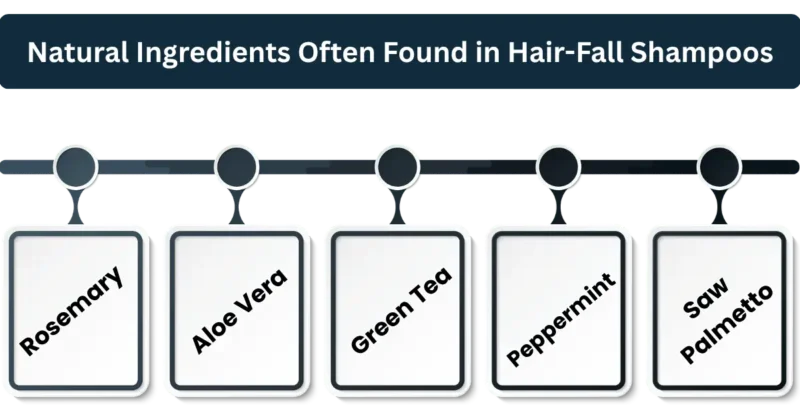
Rosemary:
A popular addition in hair-care formulas, generally included for its scalp-soothing reputation. Early research is interesting, but claims about rosemary rivaling established treatments are often overstated in marketing.
Aloe Vera:
Valued for its soothing, moisturizing properties, which can help calm an irritated or dry scalp.
Green Tea:
Frequently marketed for its antioxidant content. As with many “natural” additions, the marketing often runs ahead of strong clinical evidence, particularly in shampoo form.
Peppermint:
Popular for its cooling sensation and pleasant scent. Preliminary research exists, but it’s important to distinguish early-stage findings from established human clinical evidence.
Saw Palmetto:
Appears in many hair-loss-focused products due to interest in its effects on hormones associated with hair thinning. As with the ingredients above, approach strong marketing claims with some skepticism until you’ve seen the actual formulation and concentration used.
Are Expensive Hair-Growth Shampoos Better?
Not necessarily. Price often reflects branding, packaging, and marketing rather than a meaningfully different concentration of active ingredients. What matters more is whether the ingredient list matches your specific scalp and hair needs.
When comparing drugstore, salon, premium, and medicated shampoos, focus on:
- Whether the active ingredients are actually relevant to your concern
- The concentration of those actives, where listed
- Whether the formula suits your hair type and scalp sensitivity
- Independent reviews or clinical backing, rather than the price tag alone
How Long Does It Take to See Results From a Hair-Fall Shampoo?
First few weeks:
Expect changes in scalp cleanliness, oil control, dandruff, and how your hair feels, not dramatic increases in density yet.
Several weeks to months:
Real changes in shedding patterns and hair density take longer and depend heavily on what’s actually causing the hair fall in the first place.
Why consistency matters:
Constantly switching products resets the clock and makes it hard to judge whether something is working. Following the product’s directions consistently for at least a few weeks, often longer, gives a much clearer picture than jumping between bottles.
When Hair Fall Means You Should See a Dermatologist
Shampoo has a role to play, but some situations call for professional evaluation rather than another trip down the hair-care aisle.
Seek Professional Advice If You Notice
- Sudden or severe hair loss
- Bald patches
- A rapidly widening part
- Significant scalp inflammation
- Persistent itching or scaling that doesn’t improve
- Pain or tenderness on the scalp
- Hair loss alongside other unexplained symptoms
- Hair loss that continues despite consistent, appropriate hair care
Why Identifying the Cause Matters
This chemical works as an exfoliator, helping remove dead skin cells, excess sebum, and product buildup that can accumulate around the follicle opening, making it particularly effective for oilier scalps. Treatment needs to match the actual cause, which is exactly why a dermatologist’s diagnosis matters more than trial and error with shampoo alone.
Can Hair-Growth Shampoo Replace Hair-Loss Treatment?
No. There’s an important distinction between cosmetic hair care and medical hair-loss treatment. Shampoo supports the scalp and hair’s appearance. Still, some forms of hair loss require a professional diagnosis and evidence-based treatment that goes well beyond anything a shampoo bottle can offer.
If you’re unsure which category your situation falls into, that uncertainty itself is a good reason to get it checked out.
Simple Hair-Care Routine to Reduce Breakage and Support Scalp Health
Morning routine:
- Brush gently, working out tangles from the ends upward.
- Avoid excessive heat styling where possible.
- If you have dry or frizzy hair, use a light leave-in conditioner.
Shower routine:
- Wet the scalp thoroughly.
- Apply the appropriate shampoo for your scalp type.
- Massage gently with fingertips.
- Rinse completely
- Condition the lengths and ends.
- Dry hair gently rather than rubbing vigorously with a towel
Weekly routine:
- Check in on your scalp’s condition, any new irritation, flaking, or oiliness.
- Clean hairbrushes and combs to prevent buildup transfer
- Watch for excessive product buildup.
- Notice whether shedding or irritation is trending better or worse over time.
FAQs About Recommended Shampoos for Hair Fall
Q. Which shampoo works best for both hair development and hair loss?
There is not just one ideal choice for everyone. Whether your primary concern is dandruff, breakage, dryness, scalp irritation, or overall thinning will determine the best option.
Q. Can shampoo actually make hair grow faster?
Not directly. Shampoo can support a healthier scalp environment, which may create better conditions for existing hair, but it doesn’t speed up the biological growth cycle on its own.
Q. Is caffeine shampoo effective for hair loss?
It may offer supportive benefits as part of a broader routine, but current evidence doesn’t put it on par with established medical treatments.
Q. Does ketoconazole shampoo help with hair loss?
It can help manage dandruff and certain scalp conditions that contribute to shedding, but it isn’t a universal hair-loss treatment and should be used according to label directions.
Q. How often should you wash hair if it is falling out?
It depends on your scalp type and any underlying conditions; there’s no single frequency that works for everyone.
Q. Can biotin shampoo stop hair fall?
Biotin shampoo mainly improves the look and feel of hair rather than correcting an internal deficiency or stopping shedding outright.
Q. Is sulfate-free shampoo better for hair loss?
It’s often gentler on dry, fragile, or chemically treated hair, which can reduce breakage, but it isn’t inherently a “hair growth” formula.
Q. What shampoo is best for thinning hair?
Caffeine-based or gentle scalp-focused formulas are commonly recommended, depending on whether irritation is also present.
Q. Can dandruff cause hair fall?
Yes, ongoing scalp irritation and inflammation from dandruff can contribute to increased shedding in some people.
Q. How long should you use a hair-growth shampoo before switching to a different one?
Give a product several weeks of consistent use before judging its effectiveness, rather than switching every few days.
Q. Should you use conditioner if your hair is falling out?
Generally, yes, conditioner applied to the lengths and ends can reduce breakage and improve manageability, which supports your hair’s overall appearance.
Final Verdict: Choosing the Right Shampoo for Hair Fall
There is no single best shampoo for every type of hair loss. The right pick depends on what’s actually driving the problem: scalp inflammation, dandruff, breakage, dryness, excess oil, general thinning, or an underlying medical cause that shampoo alone can’t touch.
Choose based on ingredients, your specific scalp and hair condition, and realistic expectations, not advertising claims. And if hair fall is sudden, severe, or accompanied by other symptoms, treat it as your cue to see a dermatologist rather than trying one more bottle off the shelf.
This article should not be used as a replacement for individualized medical advice; it is intended only for informative reasons. See a dermatologist or other healthcare professional if you are suffering from severe or inexplicable hair loss.
Read more about night shift workers’ health.
You might like to read: