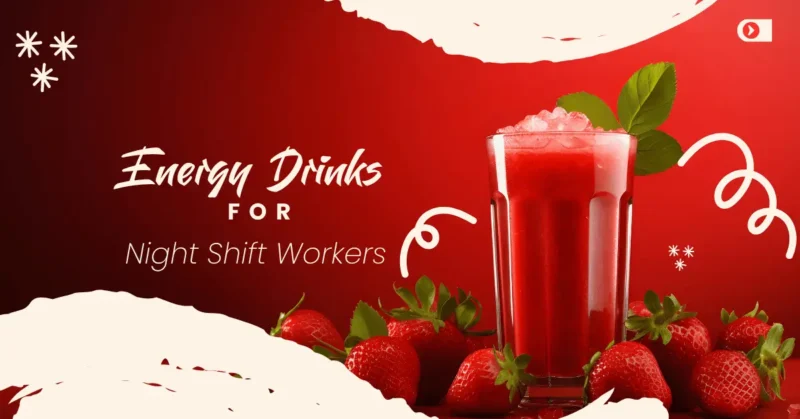
Learn how to choose energy drinks for night shift workers, manage caffeine intake, avoid energy crashes, and stay energized during overnight work.
Working through the night is not easy. Whether you work in a hospital, factory, warehouse, office, security service, or as a professional driver, staying alert for several hours can be challenging.
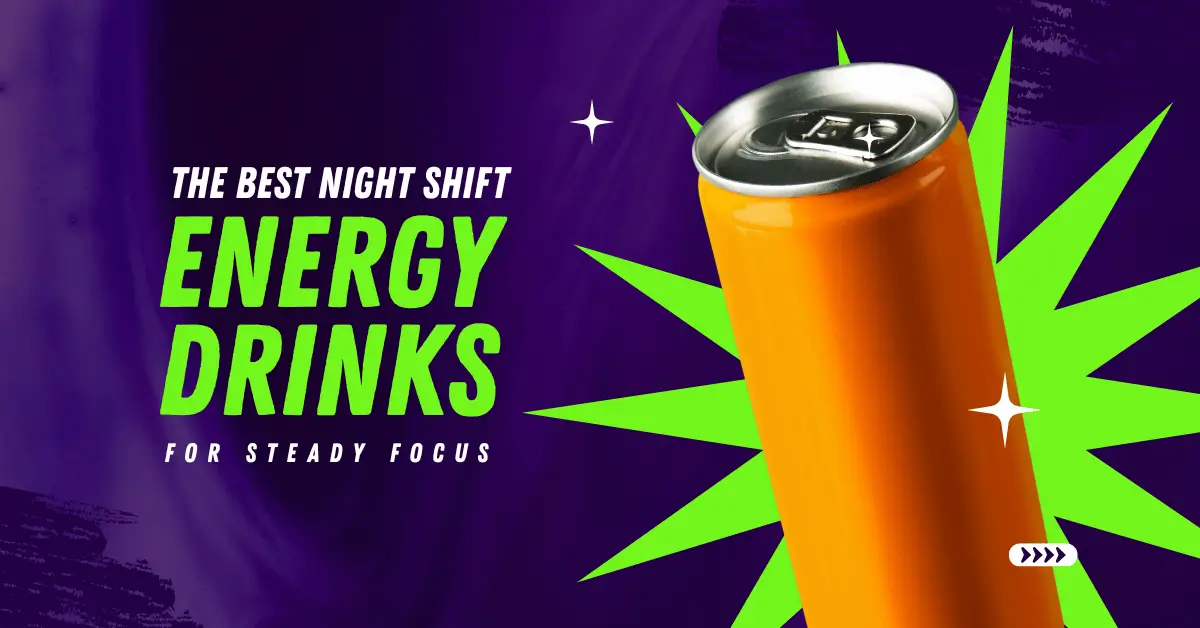
Many night shift workers turn to energy drinks to fight tiredness and stay focused. A cold can of an energy drink may seem like a quick solution when your energy starts dropping around 3 AM.
However, choosing the wrong drink or consuming too much caffeine can leave you feeling uncomfortable, restless, or unable to sleep after work.
Energy drinks are not all the same. They differ in caffeine content, sugar, sweeteners, and other ingredients. Understanding these differences can help you make better choices.
This guide explains what to look for in energy drinks for night shift workers, how they compare with coffee and tea, and how to maintain steady energy without depending on caffeinated drinks throughout your shift.
Why Night Shifts Feel So Tiring
Your body naturally follows a daily pattern of activity and rest. It generally expects you to be awake during daylight and sleep at night.
Working against this natural pattern can make overnight work difficult. Even if you have enough work experience, you may notice that your energy changes during the shift.
Several everyday factors can contribute to nighttime tiredness:
- Less nighttime sleep: Sleeping during the day can be difficult because of sunlight, household noise, family responsibilities, and other interruptions.
- Long working hours: An eight- or twelve-hour shift requires continuous attention and effort.
- Irregular meals: Eating at different times every day can make it harder to maintain a consistent routine.
- Limited movement: Sitting in one position for hours can make you feel sluggish.
- Busy schedules: Managing work, family, and personal responsibilities can leave little time for proper rest.
The challenge becomes more noticeable during the early morning hours. This is one reason many workers reach for coffee or energy drinks to stay awake.
However, caffeine cannot replace proper sleep, regular meals, or healthy daily habits.
Why Energy Drinks Are Popular
Energy drinks are popular because they are convenient and widely available. You can keep a can in your workplace refrigerator, carry it in your bag, or purchase one during a break.
For night shift workers, they offer a quick way to consume caffeine without preparing coffee or tea.
Some common reasons people choose energy drinks include
- They are easy to carry and drink.
- They come in different flavors and sizes.
- Many contain caffeine for a temporary boost in alertness.
- Some are available without added sugar.
- They are convenient during busy or unpredictable shifts.
For example, a factory employee may drink an energy drink during a short break, while a security worker may use one during a quiet overnight period.
However, convenience does not automatically make a drink a healthy choice. Before purchasing one, it is worth checking its ingredients and caffeine content.
What to Look for in Energy Drinks
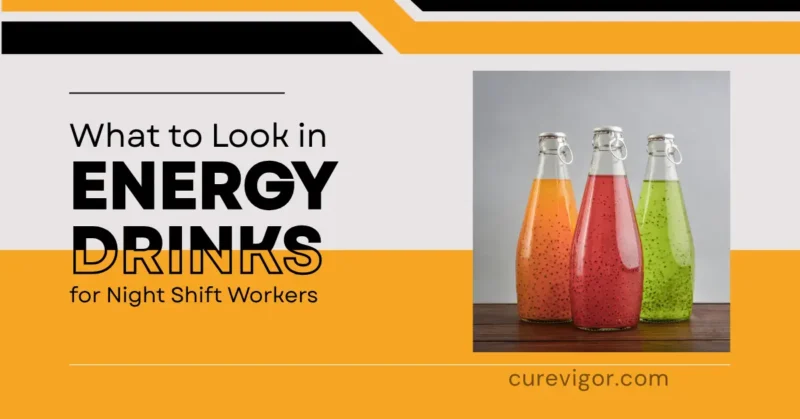
Not every energy drink is suitable for every worker. A product that works for someone else may not fit your routine, caffeine tolerance, or sleep schedule.
Before buying an energy drink, check these important details.
Caffeine Content
Caffeine is one of the main ingredients responsible for the temporary increase in alertness associated with energy drinks.
Different products contain different amounts. Some have relatively small quantities, while others contain considerably more.
Check the caffeine information on the label rather than assuming all cans are similar. Also consider how much caffeine you have already consumed from coffee, tea, chocolate, or other drinks during the day.
Sugar Content
Some energy drinks contain a large amount of added sugar. Others are sugar-free or contain fewer calories.
If you regularly drink energy drinks, checking the sugar content can help you make a more informed choice.
A sugar-free product may reduce your added sugar intake, but that does not automatically make it a suitable everyday drink. Its caffeine content and other ingredients still matter.
Other Ingredients
Energy drinks may contain ingredients such as
- Taurine
- B vitamins
- Guarana
- Ginseng
- L-theanine
- Artificial or natural flavorings
- Different sweeteners
These ingredients are not all the same, and their presence does not guarantee better energy or improved performance.
Read the label carefully. Do not assume that a drink is healthier simply because it contains vitamins or plant-based ingredients.
Serving Size
Pay attention to the serving size as well as the caffeine amount.
Some cans contain more than one serving. If you drink the entire can, you may consume more caffeine than you expected.
Practical tip: Compare the caffeine amount per serving and per container before making your choice.
Caffeine and Sugar Explained
Caffeine and sugar are two ingredients that deserve particular attention when choosing night shift energy drinks.
How Caffeine Works
Caffeine is a stimulant that can temporarily increase alertness and make you feel less sleepy.
This is why people commonly consume coffee, tea, and energy drinks during overnight work.
However, the effect does not last forever. You may feel more alert for a while, but tiredness can return later.
Caffeine can also remain in your system for several hours. Drinking it too close to your planned sleep time may make it harder to fall asleep.
What About Sugar?
Sugar provides energy that the body can use, but sugary drinks can add a considerable amount of extra sugar to your daily intake.
Some people also notice changes in how they feel after consuming sweet drinks. Their experience can depend on the drink, the amount consumed, and what they have eaten.
If you want to reduce added sugar, compare regular and sugar-free options.
Are Natural Ingredients Better?
Some brands advertise natural caffeine sources, organic ingredients, or plant-based formulas.
These descriptions may sound attractive, but “natural” does not always mean “healthier or safer.”
For example, guarana is a plant ingredient that contains caffeine. If a drink includes both caffeine and guarana, check the total caffeine information rather than focusing on the ingredient names alone.
The best approach is to understand what you are drinking instead of relying only on marketing claims.
Energy Drinks vs. Coffee and Tea
Energy drinks are not the only option for staying alert during overnight work. Coffee and tea are also popular choices.
Each option has different advantages and disadvantages.
| Drink | What to consider |
| Energy drinks | Convenient, but caffeine and sugar levels vary by product. |
| Coffee | Provides caffeine and can be prepared without added sugar. |
| Green tea | Usually contains less caffeine than a typical serving of coffee, although amounts vary. |
| Black tea | Provides caffeine and is easy to prepare at work. |
| Water | Supports hydration but does not provide a caffeine boost. |
Coffee and tea can be simpler choices if you want to control what goes into your drink. For example, you can prepare coffee without sugar or choose plain tea.
Energy drinks may be more convenient when you have limited break time, but convenience should not be the only factor.
Think about your caffeine intake, sleep schedule, budget, and personal preferences before choosing a regular drink.
Benefits and Drawbacks of Energy Drinks
Energy drinks can be useful in certain situations, but they also have limitations.
Understanding both sides helps you avoid depending on them too heavily.
Potential Benefits
Convenience: Ready-to-drink cans are easy to carry and consume during short breaks.
Temporary alertness: Caffeine can help you feel more awake for a limited period.
Different choices: You can find products with different flavors, caffeine levels, and sugar content.
Portion information: Packaged drinks usually provide ingredient and serving information, allowing you to compare products.
Possible Drawbacks
Sleep disruption: Drinking caffeine too close to bedtime may affect your ability to fall asleep.
Too much caffeine: Combining several caffeinated drinks can increase your total intake more than you realize.
Added sugar: Some products contain considerable amounts of added sugar.
Unwanted effects: Too much caffeine may cause shakiness, nervousness, a racing heartbeat, or difficulty sleeping in some people.
Regular dependence: Relying on energy drinks every night may become an expensive habit and can distract you from improving your sleep and meal routine.
Energy drinks should be an occasional choice rather than the foundation of your overnight energy plan.
Why Energy Drops Around 3 AM
Many night shift workers notice that their energy decreases between approximately 2 AM and 5 AM.
You may be working normally at midnight, but a few hours later, concentrating on simple tasks can feel difficult.
This experience is sometimes called the graveyard dip.
Several factors can contribute to it:
- Your body naturally expects rest during the night.
- You may already have been awake for many hours.
- Your last proper meal may have been several hours earlier.
- Sitting for a long time can make you feel less active.
- Your workplace may become quieter, reducing stimulation.
An energy drink may temporarily make you feel more alert, but it will not remove the reasons behind nighttime tiredness.
Instead of immediately reaching for another can, try drinking water, taking a short movement break, and having a balanced snack if you are hungry.
A short walk during an approved break may help you feel more refreshed.
When to Drink Energy Drinks
Timing matters when consuming caffeinated drinks during night shifts.
Drinking caffeine near the beginning of your shift may be more practical than consuming it near the end. This gives you more time between caffeine consumption and your planned sleep.
Consider this example:
Imagine you work from 10 PM to 6 AM and usually go to bed around 7:30 AM.
If you drink an energy drink at 5 AM, caffeine may still affect your sleep after you get home.
Instead, consider whether you need caffeine earlier in the shift and whether a non-caffeinated drink would be a better choice later.
A few helpful habits include:
- Check the caffeine content before drinking.
- Avoid combining several caffeinated drinks without calculating the total.
- Consider your planned sleep time.
- Notice how caffeine affects your ability to sleep.
- Avoid using caffeine to compensate for repeated sleep shortages.
There is no single perfect caffeine schedule for every night shift worker. Your work hours, sleep routine, and individual response all matter.

Healthier Energy Drink Alternatives
If you want to reduce your dependence on energy drinks, several everyday alternatives may help you manage your overnight routine.
1. Green Tea or Matcha
Green tea and matcha contain caffeine, although the amount depends on the preparation and serving size.
They can be alternatives to energy drinks if you prefer a simpler drink.
Remember that they still contain caffeine, so consider your total daily intake and sleep schedule.
2. Black Tea
Black tea is easy to prepare and can be enjoyed without added sugar.
It generally contains caffeine, so it is worth including it in your overall caffeine calculation.
3. Water With Electrolytes
Water should remain your main everyday drink.
If you work in a hot environment or sweat heavily, an appropriate electrolyte drink may be useful. However, most people do not need special electrolyte drinks simply because they work overnight.
Check the sugar and ingredient information before purchasing flavored electrolyte products.

4. Protein-Forward Snacks
Sometimes what feels like low energy is also related to hunger or going too long without eating.
A balanced snack containing protein and other nutrients can be a better option than another sugary drink.
Examples include
- Plain yogurt
- Boiled eggs
- A handful of nuts
- Peanut butter on whole-grain toast
- A small portion of chickpeas
Choose snacks that fit your dietary needs and workplace arrangements.
5. Light and Movement
You do not always need another drink to refresh yourself.
If your workplace allows it, try a short walk, gentle stretching, or a few minutes of movement during your break.
Getting some appropriate light exposure in the earlier part of your waking period may also help you feel more alert.
Avoid bright light close to your planned sleep time if it makes it harder for you to relax.
How to Maintain Steady Energy
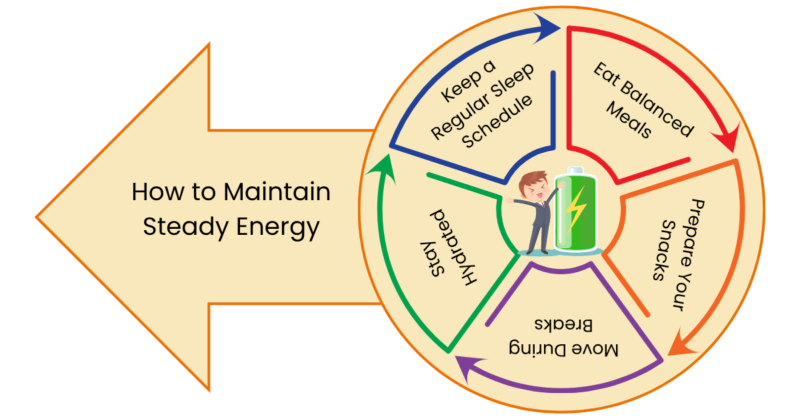
The best way to manage nighttime tiredness is to build a routine that supports your energy throughout the shift.
Energy drinks may provide temporary alertness, but everyday habits matter much more.
Keep a Regular Sleep Schedule
Try to maintain consistent sleeping and waking times, including on days off when possible.
Make your bedroom suitable for daytime sleep. Use blackout curtains, reduce noise, and keep the room comfortable.
Tell family members when you need uninterrupted rest.
Eat Balanced Meals
Avoid depending entirely on snacks, vending machines, or sugary drinks.
Prepare meals that include a combination of protein, vegetables, fruits, and whole grains.
For example, chicken with rice and vegetables or eggs with whole-grain toast can be practical meal choices.
Stay Hydrated
Keep a water bottle with you during work.
Drink water regularly rather than waiting until you feel very thirsty.
If you work in a hot environment, pay additional attention to your fluid intake.
Move During Breaks
Sitting or standing in the same position for long periods can make your shift feel more tiring.
Use suitable breaks for gentle movement, stretching, or walking.
Prepare Your Snacks
Planning snacks before your shift can help you avoid making rushed food and drink choices.
Keep convenient options available, such as fruit, nuts, yogurt, or homemade sandwiches.
Small improvements in your routine can make overnight work easier to manage.
Energy Drinks for Different Night Jobs
Not every night shift worker has the same working conditions. Your drink choices should fit your job and responsibilities.
| Night shift job | Practical considerations |
| Healthcare workers | Choose convenient drinks and snacks that fit short or unpredictable breaks. |
| Factory employees | Keep water available, especially in warm working environments. |
| Security staff | Avoid relying on energy drinks during long, quiet periods. Use approved breaks for movement. |
| Professional drivers | Be careful not to mistake caffeine for adequate rest. Never rely on energy drinks to make driving while dangerously tired safe. |
| Office workers | Reduce unnecessary sugary drinks and take short movement breaks. |
| Warehouse employees | Keep hydrated and plan snacks around physically demanding work. |
Professional drivers need particular caution. Caffeine may temporarily increase alertness, but it cannot replace sleep or make an unsafe level of tiredness disappear.
If you feel too tired to drive safely, stop in a safe place and follow appropriate rest and workplace procedures.
Common Energy Drink Mistakes
Many workers consume energy drinks without paying attention to how much caffeine they are taking.
Avoid these common mistakes:
Drinking several cans in one shift: More caffeine does not necessarily mean better alertness. Check the total amount you consume.
Ignoring the label: Different brands and can sizes contain different amounts of caffeine and sugar.
Drinking caffeine near bedtime: This may interfere with your daytime sleep.
Using energy drinks instead of meals: A caffeinated drink cannot replace a balanced meal or snack.
Combining energy drinks with coffee: You may consume more caffeine than you intended.
Ignoring how you feel: If caffeine makes you feel shaky, anxious, uncomfortable, or unable to sleep, reconsider your consumption.
Assuming “sugar-free” means “healthy”: Sugar-free products can still contain substantial amounts of caffeine and other ingredients.
A little label reading and planning can help you avoid many of these mistakes.
Build a Better Night Shift Routine
You do not need an expensive energy drink or complicated plan to improve your overnight routine.
Start with a few practical steps.
| Time | Suggested habit |
| Before work | Eat a balanced meal and prepare water and snacks. |
| Early shift | Drink water and decide whether you actually need caffeine. |
| Midnight | Have a planned snack if you are hungry. |
| 2–3 AM | Take an approved movement break and refresh yourself. |
| Later shift | Choose water or a non-caffeinated drink if you are approaching bedtime. |
| After work | Follow a relaxing routine and prepare for sleep. |
Adjust this schedule according to your working hours.
For example, someone working from 8 PM to 4 AM will need a different routine from someone working from midnight to 8 AM.
The main goal is to avoid making energy drinks your first response to every tired moment.
What If Energy Drinks Stop Helping?
If you regularly consume energy drinks but still feel exhausted, increasing your caffeine intake may not be the answer.
Think about your overall routine.
Are you getting enough uninterrupted sleep? Are you eating regularly? Do you drink enough water? Are your working hours changing frequently?
These questions may help you identify habits that need attention.
You can also try reducing unnecessary caffeine gradually rather than replacing every tired moment with another drink.
If tiredness is persistent, severe, or affecting your ability to work safely, speak with a qualified healthcare professional. Do not assume that another energy drink will solve the problem.
Remember, energy drinks are designed to provide a temporary boost in alertness. They are not a replacement for rest.
Frequently Asked Questions
Q. Are Energy Drinks Safe for Night Shift Workers?
Energy drinks may be suitable for some healthy adults when consumed in moderation, but they are not risk-free. Their caffeine and sugar content vary by brand.
Drinking too much caffeine may cause shakiness, nervousness, a racing heartbeat, or difficulty sleeping.
Always check the label, consider your total daily caffeine intake, and avoid using energy drinks as a replacement for proper rest.
Q. What Is the Best Way to Stay Alert on Night Shifts?
The best approach is to combine healthy daily habits. Get enough uninterrupted sleep before your shift, eat balanced meals, drink water regularly, and take short movement breaks when possible.
Coffee or tea may provide temporary alertness, but caffeine should not replace sleep or regular meals.
Q. How to Use Energy Drinks for Night Shift Work Safely?
Check the caffeine content and serving size before drinking an energy drink. Avoid combining several caffeinated beverages without calculating your total intake.
Do not exceed the recommended amount on the product label, and avoid caffeine close to your planned sleep time.
If you experience unwanted effects, stop consuming it and seek professional advice when needed.
Q. How to Choose Energy Drinks for Night Shift Workers?
Compare caffeine content, added sugar, serving size, and ingredients before purchasing an energy drink.
Choose an option that fits your caffeine tolerance and personal preferences. Sugar-free options may reduce added sugar, but they can still contain high amounts of caffeine.
Do not assume that natural ingredients automatically make a product healthier.
Q. How to Keep Your Energy Steady During a Night Shift?
Eat balanced meals, prepare nutritious snacks, stay hydrated, and take short movement breaks during your shift.
Avoid relying on sugary drinks or repeated caffeine boosts. Maintaining a regular sleep schedule and creating a comfortable sleeping environment after work can also support your energy levels.
Q. When Should You Drink Energy Drinks on a Night Shift?
If you choose to drink an energy drink, consider having it earlier in your shift rather than near the end. Caffeine can remain in your system for several hours and may affect your daytime sleep.
For example, if your shift ends at 6 AM and you plan to sleep at 7 AM, drinking caffeine at 5 AM may make falling asleep more difficult. Adjust your caffeine timing according to your sleep schedule and personal response.
Final Thoughts
Energy drinks for night shift workers can be convenient, especially during long overnight hours. However, choosing the right product requires more than selecting a popular brand or attractive flavor.
Pay attention to caffeine content, serving size, sugar, and other ingredients. Consider when you drink caffeine and how it affects your sleep after work.
More importantly, build a routine around proper rest, balanced meals, hydration, and regular movement.
Whether you work in healthcare, manufacturing, security, transportation, or an office, your goal should be to maintain steady energy without depending on energy drinks every night.
Your best overnight routine is not about drinking more caffeine. It is about making smarter choices throughout your shift.
Working night shifts already comes with enough challenges. Make your routine easier by planning your caffeine intake, meals, and rest periods.
Explore more practical night shift health and wellness guides at CureVigor to build habits that support you throughout your working hours.
Free Download:
References
1. U.S. Food and Drug Administration (FDA). Spilling the Beans: How Much Caffeine Is Too Much?
Explains caffeine intake, energy drink caffeine levels, and possible effects of consuming too much caffeine.
Read the FDA guidance.
2. Centers for Disease Control and Prevention (CDC) – NIOSH. Improving Your Sleep and Alertness: Prepare for Sleep.
Provides guidance for night shift workers on caffeine timing and preparing for daytime sleep.
Read the CDC guidance.
Read more about night shift workers’ health.