
Living with diabetes can sometimes feel like your blood sugar is making all the decisions for you. But you can do a lot to improve your health, support better glucose control, and reduce your risk of complications.
The encouraging part is that diabetes management is not built around one food, one exercise, or one “secret” remedy. It comes from the everyday choices you make around food, movement, sleep, stress, weight, medication, monitoring, and medical care.
For some people with type 2 diabetes, substantial and sustained weight loss can lead to remission. However, remission is not a permanent cure, and it does not happen for everyone.
This guide explains 13 practical strategies to take control of diabetes naturally while keeping medical care part of the plan.
Quick Summary
- Build meals around nutrient-rich, high-fiber foods.
- Be physically active and reduce long periods of sitting.
- If you have overweight or obesity, gradual weight loss may improve blood sugar.
- Protect your sleep and find practical ways to manage stress.
- Take prescribed medication as directed.
- Monitor your blood glucose as recommended.
- Use diabetes technology when it is appropriate for you.
- Keep regular medical and screening appointments.
- Think about long-term habits rather than quick fixes.
Important: This article is for general education and does not replace personalized medical advice. Diabetes treatment depends on your type of diabetes, medications, age, other health conditions, and individual glucose targets. Do not stop insulin or other diabetes medication without speaking with your healthcare professional.
How to Take Control of Diabetes and Work Towards Reversal?
The phrase “reverse diabetes” is everywhere online, but it needs some context.
If you have type 2 diabetes, improving your blood sugar through healthier eating, physical activity, weight management, and other lifestyle changes can sometimes reduce the need for medication.
Some people can reach blood glucose levels in the nondiabetes range without diabetes medication for a sustained period. Medical professionals generally call this remission, not a cure.
Type 1 diabetes is different. People with type 1 diabetes need insulin because their bodies do not produce enough insulin to regulate blood glucose.
So rather than chasing a promise to “cure” diabetes naturally, a more useful goal is
Improve your blood sugar control, protect your health, and build habits you can maintain.
The 2026 American Diabetes Association Standards of Care emphasize person-centered lifestyle management, nutrition, physical activity, psychological well-being, sleep, weight management, technology, and appropriate medical treatment.
That gives you a much more realistic path forward.
1. Understanding Diabetes
Diabetes is not one single condition.
Type 1, type 2, and gestational diabetes are the three primary forms of the disease. Prediabetes is defined by elevated blood glucose levels and an increased risk of type 2 diabetes, although it is not the same as diabetes.
Briefly, insulin helps your cells take up glucose from your blood and use it as fuel.
Insulin resistance occurs when the body becomes less sensitive to insulin in type 2 diabetes. Eventually, the pancreas may struggle to produce enough insulin to keep blood glucose levels healthy.
Insulin therapy is crucial for people with type 1 diabetes because the immune system targets the pancreatic cells that produce insulin.
Understanding which type of diabetes you have matters because treatment is not interchangeable.
It also helps you avoid one of the biggest problems with online diabetes advice: assuming what worked for one person will work for everyone.
2. Why Managing Blood Sugar Levels Is Crucial
High blood glucose does not always make you feel sick.
That is one reason diabetes can be easy to underestimate.
Uncontrolled diabetes can eventually raise the risk of issues with the kidneys, heart, blood vessels, eyes, nerves, and feet.
Your healthcare team may use several measurements to understand How well your diabetes is being managed. These can include:
- A1C
- Fasting blood glucose
- Post-meal glucose
- Blood pressure
- Cholesterol
- Kidney function
- Other tests based on your health history
Your target numbers may not match someone else’s.
That is why a random number you see online should not become your personal goal without discussing it with your healthcare professional.
The goal is not to check your glucose obsessively. It is to understand your patterns and use that information to make sensible decisions.
3. Nutrition: The Foundation of Diabetes Management
You do not need a strange “diabetes cure diet” to eat better.
You need a way of eating that supports blood glucose control and that you can actually continue.
The ADA’s 2026 guidance emphasizes individualized eating patterns rather than one universal diet. It also recognizes approaches such as Mediterranean-style and lower-carbohydrate eating patterns when appropriate.
Build More Meals Around Whole Foods
Try including more:
- Non-starchy vegetables
- Beans and lentils
- Whole fruits
- Whole grains when appropriate
- Nuts and seeds
- Fish, eggs, poultry, or other protein sources
- Unsweetened dairy or suitable alternatives
- Healthy sources of fat
You do not have to eliminate carbohydrates.
Instead, pay attention to the type, amount, and combination of carbohydrates you eat.
For example, a meal of refined bread and a sugary drink may affect your blood glucose differently from a meal containing vegetables, lentils, protein, and a modest portion of whole-grain food.
Watch Liquid Sugar
Sugary drinks can add a large amount of rapidly absorbed carbohydrate without making you feel particularly full.
Water, unsweetened tea, or another suitable low- or no-sugar drink may be a simpler everyday choice.
Don’t Turn Fruit Into the Enemy
Whole fruit contains carbohydrates, but it also provides fiber, vitamins, minerals, and other nutrients.
The important question is how fruit fits into your overall eating pattern and individual glucose goals.
Make Your Meals Work for You
A simple plate can be a useful starting point:
Half: non-starchy vegetables
Quarter: protein
Quarter: a carbohydrate-rich food, depending on your individual needs
A registered dietitian or diabetes care professional can help you adapt this approach to your culture, budget, medications, and preferences.
4. Exercise: A Natural Insulin Sensitizer
You do not have to become a marathon runner to benefit from movement.
A brisk walk after a meal, climbing stairs, gardening, cycling, dancing, or resistance exercises can all support a more active lifestyle.
Frequent exercise can help the body use glucose more efficiently and increase insulin sensitivity.
The American Diabetes Association (ADA) suggests that most people with type 1 or type 2 diabetes get at least 150 minutes of moderate-to-vigorous aerobic activity per week, spread over at least three days, with no more than two days without exercise in a row. Additionally, resistance training is advised.
But if you currently do very little activity, don’t feel pressured to reach that number immediately.
Start with what you can safely manage.
A Simple Starting Point
Try:
- A 10-minute walk after a meal
- Standing and moving regularly during work
- Two short strength sessions each week
- Taking the stairs when comfortable
- Walking while talking on the phone
The goal is to make movement part of your normal day.
If you use insulin or medications that can cause hypoglycemia, ask your healthcare team. How exercise may affect your glucose and whether you need to adjust food, medication, or monitoring.
5. Weight Management for Reversal
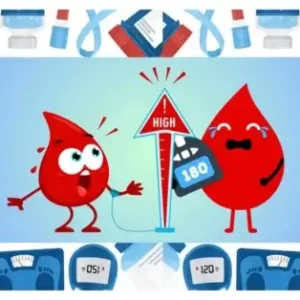
If you have overweight or obesity and type 2 diabetes, weight management may become an important part of your treatment plan.
You do not need to chase an unrealistic body weight.
Many people with type 2 diabetes who are overweight or obese can improve their glycemia and other metabolic risk factors with just 5% or more weight loss. Larger weight losses may bring additional health benefits when they are safe and achievable.
And this is where the idea of diabetes remission becomes relevant.
Significant weight loss has been linked to remission in certain individuals with type 2 diabetes, according to research.
But avoid extreme diets and unsupervised fasting plans.
The ADA specifically recommends individualized nutrition, physical activity, and behavioral strategies for weight management and advises monitoring nutritional adequacy during intentional weight loss.
A sustainable plan might look less dramatic than a viral transformation video.
That is a good thing.
The best plan is one you can maintain after the excitement disappears.
6. The Role of Sleep in Blood Sugar Regulation
Sleep is easy to ignore when you are busy, but it belongs in your diabetes plan.
Poor sleep and sleep disorders are associated with diabetes risk and can make diabetes self-management harder. The ADA recommends assessing sleep health in people with diabetes and encouraging sleep-supportive habits.
Try creating a regular sleep routine:
- Go to bed and wake up at roughly consistent times.
- Keep your bedroom dark and quiet.
- Reduce stimulating screen use before bed.
- Avoid large amounts of caffeine late in the day.
- Stay physically active during the day.
- Keep late-night meals sensible.
- Talk to a healthcare professional about persistent sleep problems.
If you snore heavily, wake up gasping, or feel unusually sleepy during the day, ask about sleep apnea rather than simply assuming you need more willpower to sleep better.
7. Managing Stress Levels
Stress does not mean you are doing something wrong.
Life happens.
Work pressure, family responsibilities, financial concerns, illness, and the daily demands of managing diabetes can all take a mental toll.
In fact, the ADA recognizes diabetes distress as a real burden associated with the ongoing demands of diabetes self-management. It recommends regular screening for diabetes distress and appropriate behavioral-health support when needed.
You don’t need a complicated stress-management routine.
Try something that fits your actual life:
- Take a 10-minute walk.
- Practice slow breathing.
- Spend time outdoors.
- Talk with someone you trust.
- Pray or meditate if meaningful to you.
- Write down what’s worrying you.
- Break a large problem into one small action.
- Give yourself a few minutes without your phone.
Stress management will not replace diabetes treatment, but reducing emotional overload can make healthy habits easier to maintain.
8. Medications and Insulin: Tools for Management
This is one area where “natural diabetes management” can become dangerous if misunderstood.
Medication is not a failure.
Insulin and other diabetes medicines are tools that help you keep blood glucose in a safer range and reduce health risks.
Lifestyle changes may improve your glucose levels, and in some situations your healthcare professional may eventually adjust your medication.
But you should make that decision with your medical team.
Do not suddenly stop insulin because your glucose readings have improved.
Do not replace prescribed medication with cinnamon, herbal mixtures, supplements, or an online “blood sugar detox.”
Some supplements can interact with medications, and a product labeled “natural” is not automatically safe.
Think of lifestyle changes and medical treatment as partners, not competitors.
9. The Potential for Diabetes Reversal
If you have type 2 diabetes, you may have heard stories about people who “reversed” their diabetes.
Some real science supports those stories, but the terminology matters.
Healthcare professionals generally use the word “remission,” not “cure.”
NIDDK describes type 2 diabetes remission as blood glucose returning to the nondiabetes range and remaining there for at least six months without diabetes medication. It also explains why diabetes can return if weight is regained.
Remission is more likely with significant, sustained improvements, particularly substantial weight loss in appropriate individuals.
But there is no guarantee.
Two people can follow similar lifestyle plans and have very different results because diabetes is influenced by genetics, disease duration, body composition, medications, age, other health conditions, and many other factors.
So don’t measure success only by whether you reach remission.
Lowering your A1C, improving your blood pressure, becoming more active, reducing cardiovascular risk, sleeping better, and feeling more confident managing your health are meaningful wins too.
10. Early Intervention Is Key
If you have prediabetes, don’t treat it as a diagnosis to ignore until diabetes appears.
It’s an opportunity to act.
The ADA recommends lifestyle intervention for adults at high risk of type 2 diabetes, including a goal of at least 5–7% weight reduction when appropriate and at least 150 minutes of moderate physical activity per week.
Early action does not mean completely changing your life overnight.
Start with one or two habits.
For example:
Week 1: Replace sugary drinks with unsweetened options.
Week 2: Add a 10-minute walk after one meal.
Week 3: Add vegetables to lunch and dinner.
Week 4: Work on a consistent sleep schedule.
Small changes become much easier when they become ordinary.
11. Building a Support System
Diabetes can be lonely when you feel like you have to manage everything yourself.
Tell the people close to you what would actually help.
Maybe you want your family to eat healthier meals with you.
Maybe you need someone to walk with you.
Maybe you simply want someone to stop offering unsolicited diet advice.
Your support network can include:
- Family members
- Friends
- Your doctor
- Diabetes educators
- Registered dietitians
- Pharmacists
- Mental health professionals
- Exercise professionals
- Diabetes support groups
The ADA emphasizes diabetes self-management education and support as an important part of diabetes care.
Support doesn’t have to mean someone watches everything you eat.
Sometimes, having someone who understands why you’re trying to change is enough.
12. Technology for Diabetes Management
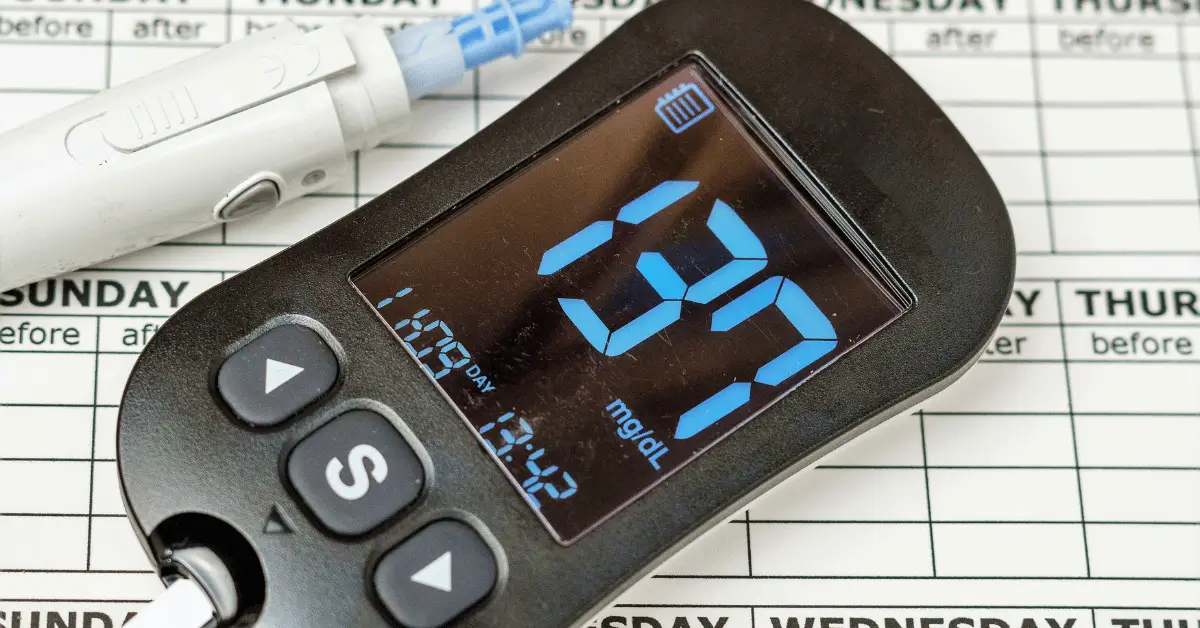
Technology has changed the way many people monitor and manage diabetes.
Depending on your needs, you may use:
- A blood glucose meter
- A continuous glucose monitor (CGM)
- An insulin pump
- Smart insulin pens
- Smartphone apps
- Medication reminders
- Activity trackers
- Telehealth services
A CGM can provide glucose-level information throughout the day and may show patterns that are difficult to see with occasional finger-stick testing.
The ADA’s 2026 Standards of Care also expanded recommendations around diabetes technology, including CGM use for people who could benefit from it.
Still, more data does not automatically mean better decisions.
Learn what your readings mean and discuss unusual patterns with your healthcare team.
Technology should make diabetes management easier, not turn every meal into a mathematics exam.
13. The Importance of Routine Checkups
Feeling well does not mean diabetes has stopped affecting your body.
Routine appointments help your healthcare team look beyond your daily glucose readings.
Depending on your situation, diabetes care may include monitoring:
- A1C and blood glucose
- Blood pressure
- Cholesterol
- Kidney health
- Eye health
- Nerve health
- Foot health
- Weight
- Medication effectiveness and side effects
- Cardiovascular and kidney risk
The ADA’s 2026 comprehensive diabetes-care recommendations include assessing complications and making appropriate referrals, such as eye care, nutrition, diabetes education, and other specialists when needed.
Think of checkups as maintenance, not punishment.
They allow you to catch problems early and adjust your plan before a small issue becomes a bigger one.
Myths About Diabetes
Myth 1: Natural remedies can cure diabetes.
No single herb, spice, tea, or supplement has been proven to cure diabetes.
Some foods can certainly be part of a healthy eating pattern, but they should not replace proven treatment.
Myth 2: If I feel fine, my diabetes must be under control.
Not necessarily.
High blood glucose can cause damage over time without producing obvious symptoms.
That is one reason monitoring and routine medical care matter.
Myth 3: You must completely stop eating carbohydrates.
Not everyone with diabetes needs to eliminate carbohydrates.
The amount and type of carbohydrate that works best can vary from person to person. A personalized eating pattern is more useful than an extreme rule.
Myth 4: Fruit is bad for people with diabetes.
Whole fruit can fit into a diabetes-friendly eating pattern.
Portion size, the type of fruit, your overall diet, and your individual glucose response all matter.
Myth 5: Taking insulin means you have failed.
Absolutely not.
Insulin is an essential treatment for type 1 diabetes and is also used by some people with type 2 diabetes.
Needing medication says nothing about your worth or your effort.
Myth 6: If my blood sugar improves, I can stop my medication.
Not without medical guidance.
Better glucose readings may mean your treatment is working or that lifestyle changes are helping. Your healthcare professional can decide whether to change your medication.
FAQs on How to Take Control of Diabetes
Q. What is the Japanese method to lower blood sugar?
There is no medically recognized single “Japanese method” that can quickly lower or cure diabetes. Online references may use this phrase to describe Japanese-style eating habits, walking, portion control, or other lifestyle practices. Some of these habits can be sensible, but they should not be presented as a special cure.
A healthy eating pattern, regular physical activity, appropriate weight management, monitoring, and prescribed treatment remain the foundation of diabetes care.
Q. How to reduce sugar in 5 days?
You may see changes in blood glucose within days when you change your food intake, activity, medication, or other habits. But that does not mean diabetes can be reversed in five days.
If your blood sugar is consistently high, work with your healthcare team rather than trying a rapid detox, prolonged fast, or extreme diet.
Q. Can I reduce diabetes without medicine?
Some people with type 2 diabetes can improve their blood glucose enough to reduce medication, and some may achieve remission. Significant weight loss can play an important role for certain people.
However, not everyone can safely manage diabetes without medication. People with type 1 diabetes require insulin, and people with type 2 diabetes may also need medication to protect their health.
Never make medication changes without professional guidance.
Q. What lowers diabetes quickly?
There is an important difference between lowering a blood glucose reading and treating diabetes.
Depending on the circumstances, physical activity, food choices, hydration, and prescribed medication can affect blood glucose.
But if your blood sugar is very high or you have symptoms such as vomiting, difficulty breathing, severe weakness, confusion, or other concerning symptoms, seek urgent medical care rather than trying a home remedy.
If you use insulin or certain diabetes medicines, remember that exercise or eating less can also increase the risk of low blood sugar.
Q. How can I lower blood sugar naturally?
Start with the basics:
- Choose mostly nutrient-dense foods.
- Reduce sugary drinks and highly refined foods.
- Include fiber-rich foods.
- Be physically active.
- Work toward a healthy weight if appropriate.
- Get consistent, good-quality sleep.
- Manage stress.
- Monitor glucose as advised.
- Take prescribed medication.
You don’t need to turn diabetes management into a search for one magical ingredient.
Q. Did China reverse type 2 diabetes?
Research from China and other countries has investigated intensive lifestyle changes, weight loss, metabolic health, and diabetes remission. However, saying that “China reversed type 2 diabetes” is too broad.
Individual studies may show remission in selected groups under specific interventions. That does not mean type 2 diabetes has been universally reversed or that everyone can reproduce those results with a particular diet or method.
The more accurate question is whether a specific intervention has been shown to produce type 2 diabetes remission in a defined group of people under specific conditions.
Final Thoughts on How to Take Control of Diabetes
Taking control of diabetes naturally is not about finding a miracle food or following the latest five-day challenge.
It is about building a health routine that works in real life.
Eat in a way that supports your blood sugar. Move your body regularly. Protect your sleep. Find ways to handle stress. If weight loss is appropriate for you, work toward it gradually.
Use medication when it is needed. Monitor your glucose. Use technology when it helps. And keep your medical appointments.
For some people with type 2 diabetes, these changes can contribute to remission. For others, the goal may be better glucose control and a lower risk of complications. Both are worthwhile outcomes.
You do not need to change everything tomorrow.
Choose one habit you can start today, make it manageable, and build from there.
Your diabetes does not have to control every part of your life. With the right combination of daily habits, medical care, knowledge, and support, you can take a more active role in managing your health.
Read more articles on health tips.
You might like to read: