
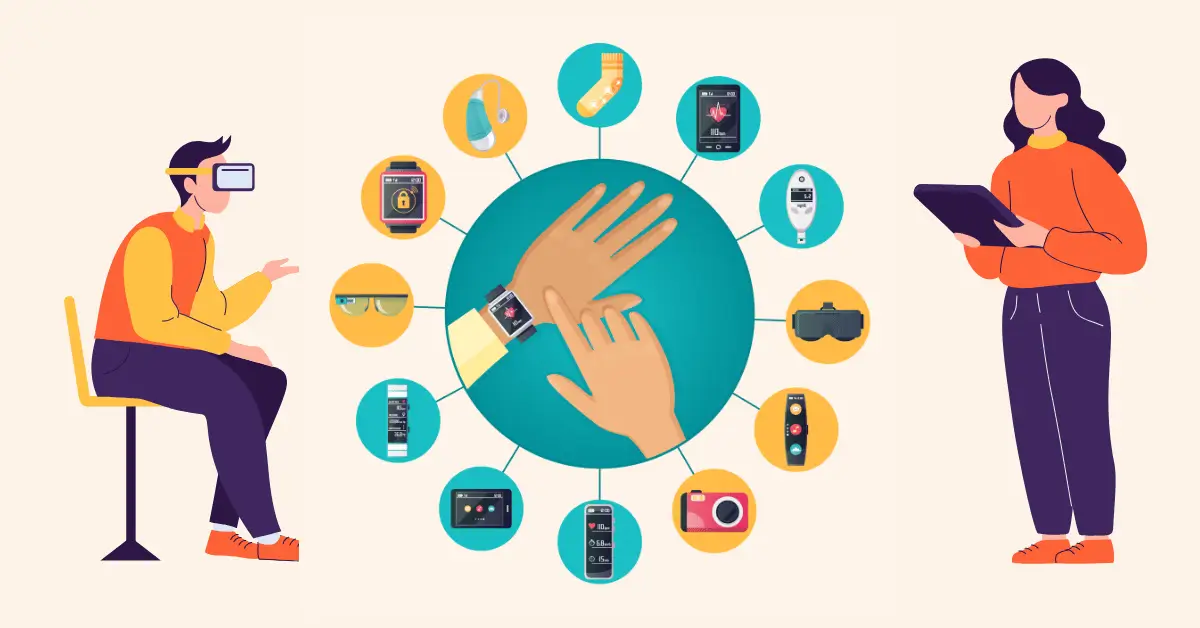
Discover how wearable technology is transforming healthcare, productivity, and daily life.
Learn how smart devices like fitness trackers and smartwatches help monitor health, detect early diseases, and promote healthier lifestyles.
In recent years, wearable technology has evolved from a niche innovation into a powerful tool transforming how people live, work, and manage their health.
How Wearable Technologies are Changing The Way We Live
Devices that once seemed like futuristic gadgets are now everyday companions for millions of individuals around the world.
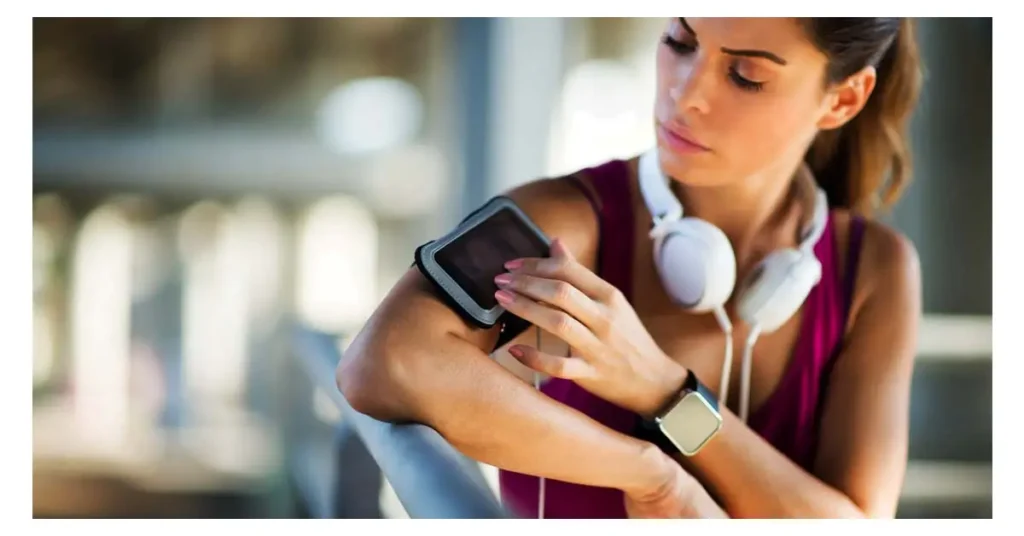
Wearable technology is now an important part of contemporary digital healthcare, from tracking daily steps and heart rate to identifying possible health issues.
Today, wearable devices are widely used not only by fitness enthusiasts but also by individuals seeking to improve their overall well-being.
These devices help users better understand their bodies, develop healthier habits, and monitor important health indicators in real time.
Wearable technology is becoming increasingly powerful as sensor technology, artificial intelligence, and mobile connectivity advance rapidly.
Many people now rely on devices such as the Apple Watch, Fitbit trackers, the Dexcom G6 glucose monitoring system, and the Oura Ring to gain deeper insights into their health and lifestyle.
This article explores how wearable technology is transforming healthcare, improving productivity, and reshaping daily life, while helping people adopt healthier, more balanced lifestyles.
Understanding Wearable Technology
Among the many forms of wearable technology are accessories, clothing, and implants. These devices contain sensors and software that collect data on the user’s physical condition, activity levels, and interactions with the environment.
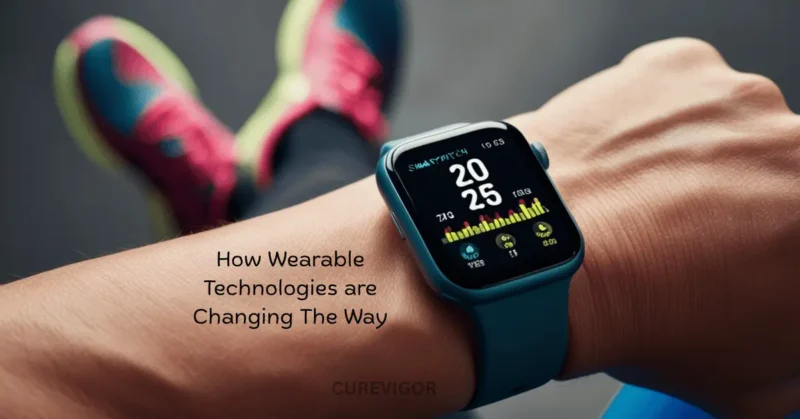
Unlike traditional health monitoring tools that require periodic testing, wearable devices continuously collect data throughout the day. A more complete picture of a person’s health and behaviors is obtained through this ongoing monitoring.
Most wearable devices are connected to smartphones or cloud-based platforms that analyze the collected data and present it in easy-to-understand dashboards or mobile applications.
It allows users to monitor trends, receive health alerts, and make informed decisions about their lifestyle choices.
Common types of wearable devices include:
- Smartwatches
- Fitness trackers
- Smart rings
- Continuous glucose monitors
- Smart clothing with embedded sensors
These devices often track metrics such as heart rate, physical activity, sleep patterns, calories burned, blood oxygen levels, stress levels, and, sometimes, body temperature.
Wearable technology is improving in accuracy, comfort, and integration into daily life.
The Growing Role of Wearables in Preventive Healthcare
One of the most important contributions of wearable technology is its role in preventive healthcare. Instead of waiting for symptoms to appear, individuals can now continuously monitor their health and detect potential issues early.
Preventive healthcare focuses on identifying risks before they develop into serious medical conditions.
Wearable devices support this approach by collecting real-time data that helps users and healthcare professionals detect changes in health patterns.
For example, a wearable device may detect an abnormal heart rhythm, sudden changes in sleep patterns, or unusual stress levels. These signals can prompt users to seek medical advice earlier, potentially helping prevent serious complications.
Continuous monitoring also enables doctors to understand a patient’s health beyond occasional clinic visits.
Instead of relying solely on short medical examinations, physicians can analyze long-term data collected from wearable devices to identify trends and develop more effective treatment plans.
Wearable technology is anticipated to become even more important for early detection and health management as healthcare systems move toward more preventive treatment.
Monitoring Chronic Health Conditions
People with long-term medical issues can now benefit greatly from wearable technology. Conditions including diabetes, heart problems, and respiratory ailments frequently need constant observation and cautious treatment.
Traditional monitoring methods typically involve periodic medical tests or manual measurements. Wearable devices, however, provide continuous tracking, allowing individuals to monitor their condition in real time.
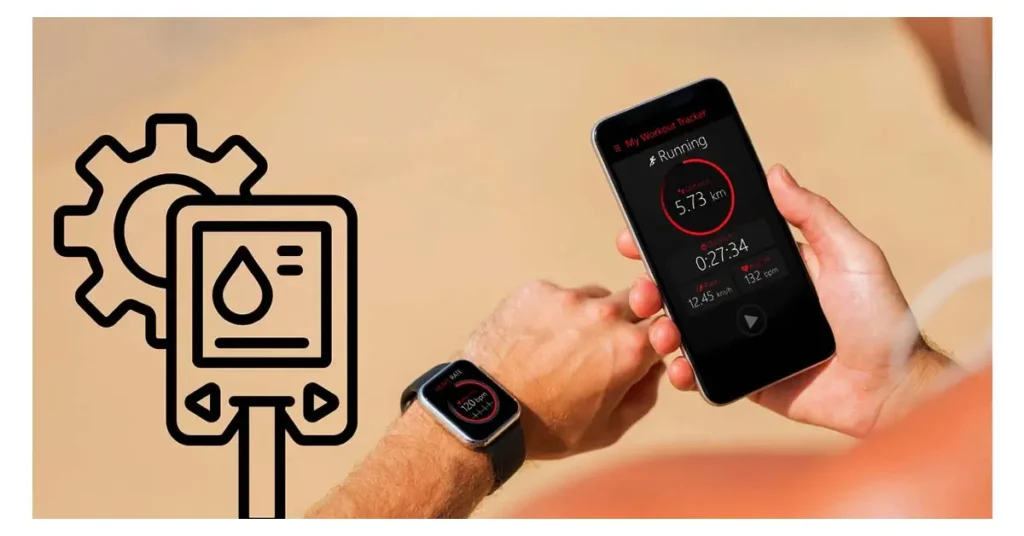
For instance, diabetics can monitor their blood sugar levels throughout the day with the Dexcom G6 continuous glucose monitoring system, eliminating the need for frequent finger-prick tests.
The gadget measures blood sugar levels using a tiny sensor inserted beneath the skin and sends the information to a receiver or smartphone.
This constant stream of information helps users identify how food, exercise, stress, and medication affect their blood sugar levels. It also allows them to take action quickly if levels become too high or too low.
Similarly, smartwatches and fitness trackers can detect irregular heart rhythms that may signal cardiovascular problems. These alerts can encourage individuals to consult healthcare providers before the condition worsens.
Early Detection of Potential Health Issues
The potential of wearable technology to facilitate early disease identification is another significant advantage. In their early stages, many medical disorders may not exhibit clear symptoms and progress gradually.
Wearable devices can detect subtle changes in physiological signals that might indicate underlying health issues. For instance, unusual heart rate patterns, persistent fatigue, or decreased activity levels could signal potential problems.
Some wearable devices can detect irregular heart rhythms associated with atrial fibrillation, a condition that increases the risk of stroke. Early detection allows individuals to seek medical advice before the condition becomes dangerous.
Other devices monitor blood oxygen levels, sleep disturbances, or body temperature fluctuations, which may help identify respiratory issues or sleep disorders.
While wearable devices do not replace professional medical diagnosis, they serve as valuable tools that can alert users to potential concerns and encourage timely medical consultation.
Encouraging Healthier Lifestyle Habits
One of the most visible impacts of wearable technology is its ability to motivate healthier lifestyle habits. Many wearable devices are designed to encourage users to stay active, sleep better, and manage stress more effectively.

Fitness trackers and smartwatches monitor daily activity levels, including steps taken, distance travelled, calories burned, and exercise intensity. Users often receive notifications encouraging them to move if they have been inactive for too long.
This constant feedback helps individuals stay aware of their physical activity and motivates them to reach daily movement goals.
Sleep tracking features also play an important role in improving overall wellness. Many wearable devices analyze sleep patterns, including sleep duration, sleep stages, and nighttime movement. By reviewing this data, users can identify habits that may be affecting their sleep quality.
Some wearable devices use breathing patterns and heart rate variability to detect stress levels and physical health.
These insights allow users to recognize when they are experiencing high stress and adopt relaxation techniques such as deep breathing or meditation.
Through these features, wearable technology encourages users to develop healthier routines that support long-term well-being.
Personalized Healthcare Through Data Insights
Wearable technology is helping to move healthcare toward a more personalized approach. Every individual has unique health characteristics, lifestyle habits, and genetic risks.
Traditional healthcare often relies on general guidelines that may not fully reflect an individual’s specific needs. Wearable devices provide personalized data that can help healthcare professionals develop more customized treatment plans.
For instance, physicians might spot trends in a patient’s heart rate, activity level, and sleep quality by examining long-term data from wearable technology. They can use this information to pinpoint risk factors and suggest specific lifestyle changes.
Customized exercise regimens, dietary plans, or stress-reduction methods based on personal health information are examples of personalized healthcare.
Wearable technology is anticipated to enhance precision medicine, in which therapies are tailored to each patient’s biology and lifestyle as they develop.
Popular Wearable Devices Transforming Healthcare
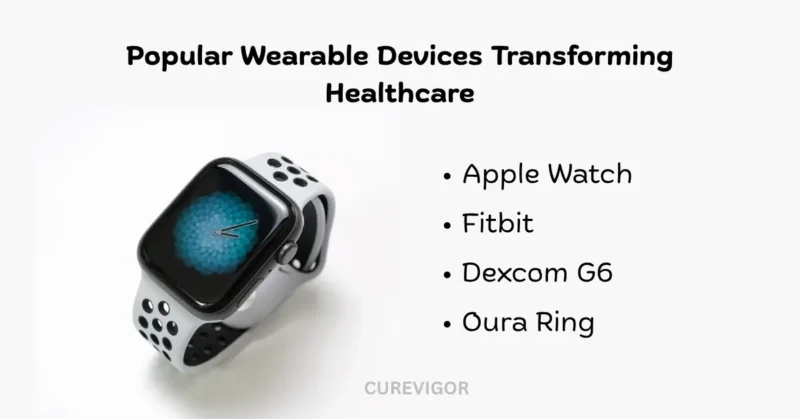
A number of wearable devices have become more well-known for their sophisticated health-monitoring capabilities and intuitive designs.
Apple Watch
One of the most popular wearable gadgets for tracking fitness and health is the Apple Watch.
The gadget has several features intended to promote everyday well-being and preventive healthcare. It continuously monitors heart rate and can notify users if it becomes abnormally high, low, or erratic.
An electrocardiogram (ECG) feature on certain models enables users to record their heart rate and identify potential atrial fibrillation symptoms.
In addition, the Apple Watch tracks everyday activities like walking, running, and other exercise, checks blood oxygen levels, and monitors sleep patterns. These elements give customers a thorough picture of their physical activity and health.
Because of its advanced sensors and seamless integration with smartphones, the Apple Watch has become a powerful tool for personal health monitoring.
Fitbit
Fitbit devices are among the most well-known fitness trackers in the world. These gadgets are designed to help users maintain an active lifestyle and track vital health indicators.
Fitbit trackers measure steps, calories burned, heart rate, and exercise intensity. Many models also include sleep-tracking features that analyze sleep duration and quality.
Some Fitbit devices also measure blood oxygen levels and heart rate variability, which can help estimate stress levels and recovery status.
The Fitbit mobile app provides detailed insights and progress reports that help users understand their health trends and stay motivated to maintain an active lifestyle.
Dexcom G6 Continuous Glucose Monitor
The Dexcom G6 is a wearable medical device specifically designed for individuals with diabetes.
The Dexcom G6 uses a tiny sensor placed beneath the skin to continuously monitor glucose levels, unlike conventional glucose monitoring techniques that require finger-prick testing.
The sensor allows users to track their blood sugar levels day and night by sending real-time glucose measurements to a smartphone or receiver.
By knowing how diet, exercise, and medicine affect blood glucose levels, this device helps people better control their diabetes.
The risk of problems related to unstable blood sugar levels may be significantly reduced with continuous glucose monitoring.
Oura Ring
The Oura Ring is a smart ring designed to monitor sleep, activity, and recovery.
Despite its small size, the Oura Ring contains advanced sensors that track heart rate, body temperature, movement, and heart rate variability.
The device analyzes this data to provide insights into sleep quality, stress levels, and overall readiness for daily activities.
Many users appreciate the Oura Ring for its lightweight, comfortable design while still offering powerful health insights.
By helping users understand how lifestyle habits affect their energy and recovery, the Oura Ring encourages better sleep and healthier daily routines.
Smart Clothing: The Future of Wearable Technology
In addition to watches and fitness trackers, researchers are developing smart clothing that integrates electronic sensors directly into fabrics.
Smart clothing can monitor physiological signals such as heart rate, body temperature, breathing patterns, and muscle activity.
These garments allow continuous health monitoring without requiring users to wear separate devices.
Athletes can use smart clothing to track muscle performance and optimize training. Healthcare providers may use it to monitor patients recovering from injuries or undergoing physical therapy.
Because smart clothing blends seamlessly with everyday garments, it represents an exciting new direction for wearable technology.
Smart clothing may become a widespread tool for health monitoring as sensor technology advances and becomes more accessible.
Wearable Technology and Workplace Productivity
Wearable devices are not only transforming healthcare but also improving workplace productivity.
Many professionals use wearable devices to track daily activity levels, manage stress, and improve focus during work hours. Some devices provide reminders to stand, stretch, or take short breaks, helping reduce fatigue during long work sessions.
Sleep-tracking features also help users understand how rest affects their energy and concentration throughout the day.
In some industries, wearable technology is used to enhance workplace safety. For example, smart helmets and wearable sensors can monitor worker fatigue or exposure to hazardous environments.
By promoting healthier habits and improving safety, wearable technology can contribute to better performance and overall workplace well-being.
Challenges and Concerns of Wearable Technology

Despite its many benefits, wearable technology also raises certain challenges and concerns.
Privacy is one of the most important issues. Wearable devices collect sensitive health data that must be protected from unauthorized access. Companies must ensure strong security measures to protect user information.
Another concern is data accuracy. While wearable devices are improving rapidly, they may not always provide medical-grade measurements. Users should treat wearable data as helpful insights rather than definitive diagnoses.
Battery life and device cost can also limit accessibility for some individuals.
Better sensors, more robust security systems, and more reasonably priced gadgets, however, are progressively addressing these issues as technology advances.
The Future of Wearable Technology
Wearable technology appears to have a very bright future. Researchers and tech firms are continually developing new sensors and features to enhance the capabilities of wearable devices.
Advanced health-monitoring capabilities, such as blood pressure tracking, hydration monitoring, and early detection of infectious illnesses, may be included in future wearable technology.
Analyzing wearable data and providing tailored health advice will likely rely heavily on artificial intelligence.
Additionally, wearable technology may become more integrated with telemedicine platforms, enabling medical professionals to monitor patients remotely and deliver care more effectively.
Wearable technology will become an even more potent instrument for enhancing global health and well-being as these advancements continue.
FAQs
Q. What is wearable technology, and how does it work?
Electronic gadgets worn on the body, such as fitness trackers, smart rings, and smartwatches, are referred to as wearable technology.
These gadgets have sensors that gather data on activity levels, sleep habits, heart rate, and steps.
Users can track their health and lifestyle choices in real time using an app or a smartphone that collects the data.
Q. How does wearable technology improve health?
By tracking daily physical activity, heart rate, sleep quality, and stress levels, wearable technology contributes to better health.
Users may make healthier decisions and have a greater understanding of their bodies thanks to this real-time data.
Additionally, many gadgets encourage a more active, balanced lifestyle by sending reminders to move, work out, or unwind.
Q. What advantages does wearable technology offer?
Wearable technology offers several benefits, including improved fitness tracking, better sleep monitoring, and early detection of potential health issues.
These devices also motivate users to stay active through daily goals and reminders.
Additionally, they provide insights that help people develop healthier habits and maintain long-term wellness.
Q. What are the challenges of wearable technology?
Some challenges of wearable technology include data accuracy, privacy concerns, and battery limitations. Strong security measures are necessary to safeguard user data, as these devices collect sensitive health information.
Additionally, frequent charging and high device costs can sometimes limit their convenience and accessibility for users.
Q. Can wearable devices detect health problems?
Yes, many wearable devices can help detect early signs of potential health issues. For example, some smartwatches monitor heart rhythm and can alert users about irregular patterns.
Others track blood oxygen levels or sleep disturbances. While these devices cannot replace medical diagnosis, they can encourage early medical consultation.
Q. How will wearable technology develop in the future?
As devices become more accurate and sophisticated, wearable technology seems poised for a promising future.
Researchers are developing wearables that track blood pressure, hydration, and even early signs of illness.
By combining telemedicine and artificial intelligence, physicians may be able to monitor patients remotely and provide more personalized care.
Conclusion
Wearable technology is transforming how people monitor their health, improve their lifestyles, and interact with digital technology.
By providing continuous health insights, encouraging healthier habits, and supporting preventive healthcare, wearable devices are reshaping modern wellness.
Devices such as the Apple Watch, Fitbit trackers, the Dexcom G6 glucose monitoring system, and the Oura Ring demonstrate how wearable technology can empower individuals to take control of their health.
While challenges such as privacy and data accuracy remain, the continued advancement of sensor technology, artificial intelligence, and digital health platforms will likely overcome these obstacles.
Wearable technology will continue to be essential in helping people lead healthier, more informed, and more productive lives as it develops and becomes more widely available.
Our understanding of and approach to managing our health is evolving due to wearable technology.
Share this guide with your friends if you found it useful, and visit our blog for other wellness advice.
Maintain your health, stay informed, and start using smart technology to enhance your everyday life right now.
Read more Health and Wellness Tips.
You may like to read: