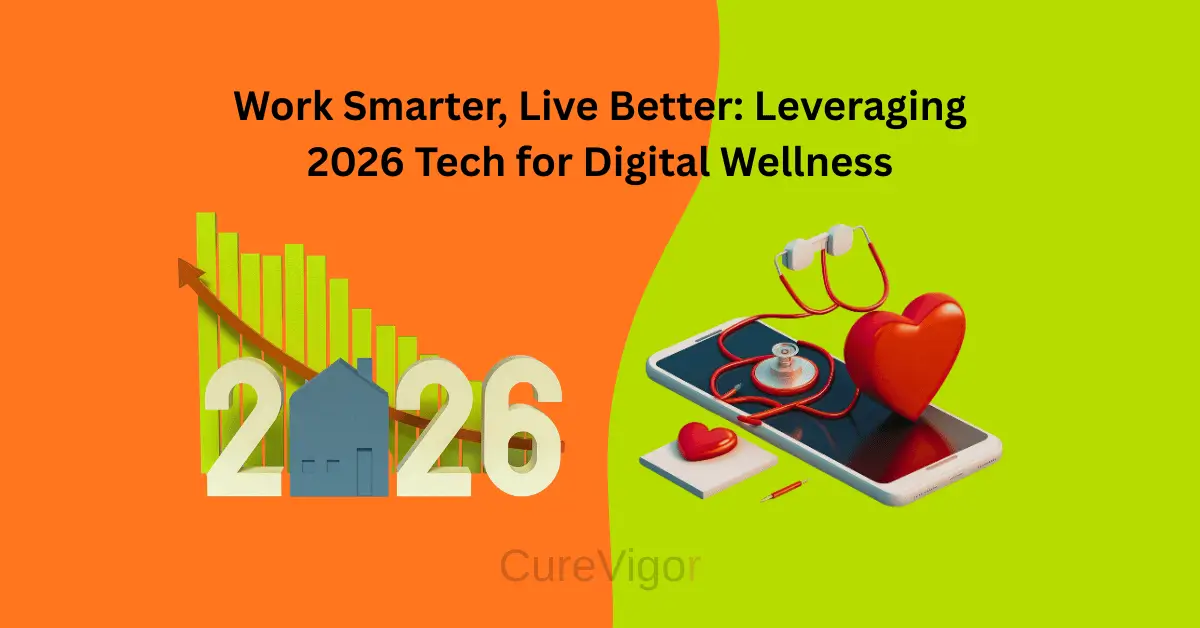
Work smarter and live better with 2026 tech. Explore digital wellness strategies, agentic AI tools, and smarter systems designed to reduce stress and boost focus.
The conversation around productivity is also evolving.
Terms like “agentic AI,” “workslop,” and “neurowellness” are shaping how experts think about digital life in 2026.
We were promised that AI would give us our time back—a four-day workweek, endless freedom, and the ‘end of grind culture.’
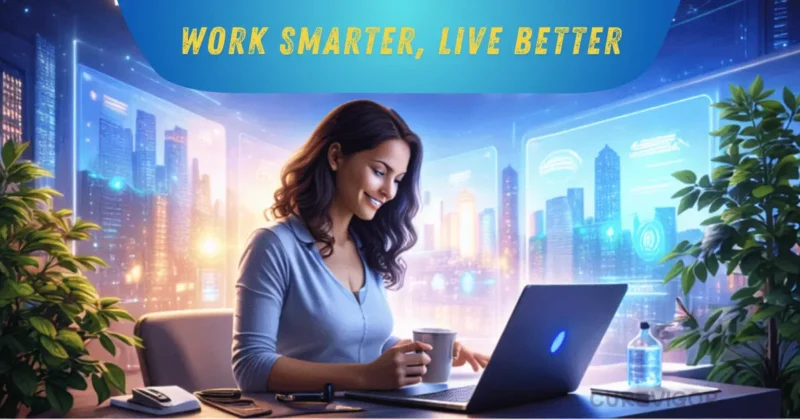
Instead, many of us are drowning in ‘workslop’—the endless cycle of editing AI drafts, managing automated notifications, and feeling more ‘connected’ but less focused than ever.
The promise of the digital age hasn’t failed; our strategy has. Here is how to stop letting technology manage you and start using it to reclaim your life in 2026.
The Digital Wellness Revolution of 2026
The modern workday is faster and more connected than ever before. Messages arrive from email, team chat, project boards, and AI systems all at once.
Each alert pulls the mind in a new direction.
Over time, this constant switching creates what experts now call digital fatigue, a mental state in which focus weakens and tasks feel heavier.
Digital fatigue is not simply about long hours on a screen. The real issue is context switching. When the brain jumps between tasks too often, attention becomes fragmented.
Studies on workplace productivity show that even short interruptions can reduce deep focus and increase the time required to complete meaningful work.
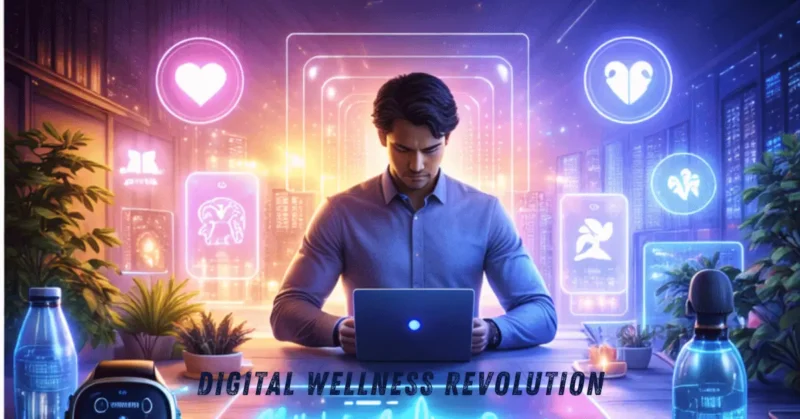
By 2026, a major shift will be happening in how technology fits into daily life. The old model depended on passive technology that waited for users to react to pings, alerts, and messages.
This model made people feel like they were constantly catching up rather than staying in control.
The new model centers on proactive systems that protect human attention. AI tools now filter noise, summarize complex threads, and surface only the information that truly matters.
In this environment, technology becomes a guard of focus rather than a thief of time.
Digital wellness in 2026 means building a healthy relationship between humans and machines. It is not about rejecting technology or escaping digital tools.
Instead, it is about designing systems that help people work clearly, rest fully, and maintain control over their attention.
Leveraging Agentic AI to Buy Back Your Time
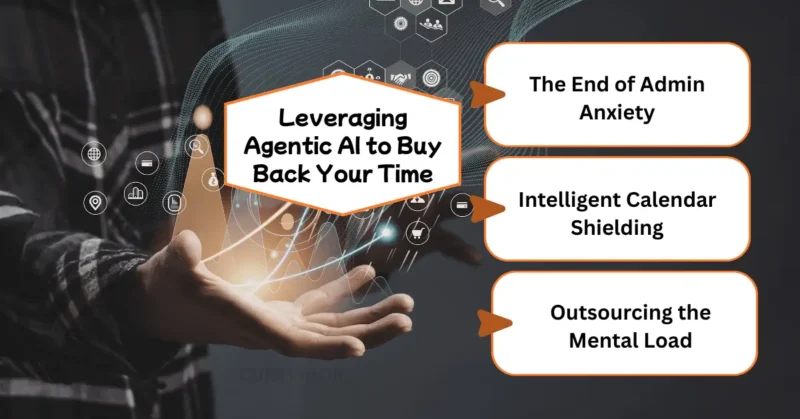
The End of Admin Anxiety
A large portion of modern work is taken up by small administrative tasks. Email threads stretch across dozens of replies. Documents live in scattered folders.
Meeting notes often become buried under new notifications. These small tasks slowly build a quiet but heavy pressure known as admin anxiety.
Agentic AI systems are designed to remove this burden. Instead of acting like passive tools, these AI assistants operate as digital agents that manage information independently.
They read communication threads, extract key points, and present a clear summary so users can quickly understand situations.
This shift reflects a bigger change in how people interact with technology. In the past, productivity meant doing every task manually inside software.
In 2026, productivity means directing intelligent agents that handle repetitive work in the background.
Professionals now act less like operators and more like decision-makers, guiding digital assistants.
However, not every use of AI improves productivity. Many workplaces have begun to notice a problem called “workslop,” which refers to low-quality output produced by automated systems.
When AI generates messy drafts or inaccurate summaries, humans must spend extra time correcting them.
Avoiding work slop requires thoughtful use of AI. High-quality systems focus on tasks where automation clearly adds value, such as summarizing large data sets or organizing information.
When used carefully, agentic AI can remove hours of repetitive work without sacrificing accuracy or clarity.
Intelligent Calendar Shielding
Scheduling tools have evolved far beyond simple time slots and reminders. Modern platforms now include energy-aware scheduling, also known as energy mapping.
These systems analyze a person’s workday and identify when focus levels are highest.
By learning these rhythms, calendars can protect periods of deep concentration. Meetings are automatically shifted to lower-energy times, while high-focus hours remain open for complex tasks.
This approach aligns work schedules with the natural cycles of human attention.
Energy-aware calendars also improve collaboration within teams. When everyone protects deep-work periods, meetings become more intentional and shorter.
Workers spend less time jumping between calls and more time producing meaningful results.
This new scheduling philosophy recognizes a simple truth. Time management alone is not enough for productivity.
What truly matters is attention management, and technology is finally beginning to support that idea.
Outsourcing the Mental Load
Work tasks are not the only demands competing for attention. Daily life includes groceries, bills, appointments, reminders, and small errands that quietly consume mental energy.
Psychologists often describe this invisible pressure as the mental load.
Agentic systems can now manage many of these logistics automatically. Smart assistants monitor household supplies and reorder items when they run low.
They coordinate appointments by checking calendars and travel time. Some systems even track personal routines and suggest healthier daily schedules.
Reducing the mental load allows the brain to rest more effectively. Instead of juggling dozens of tiny responsibilities, people can focus on creative thinking, strategic decisions, and meaningful relationships.
This balance is a central goal of digital wellness.
The most successful professionals in 2026 are not those who work the longest hours. They are the ones who build intelligent systems that quietly handle the routine parts of life.
Smart Hardware for Physical and Mental Recovery
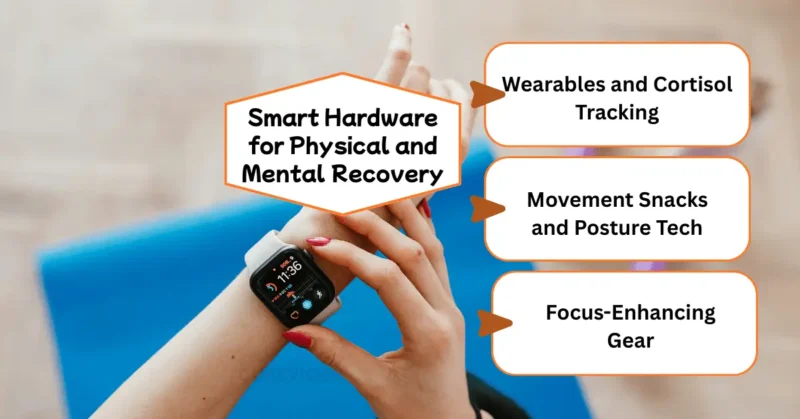
Wearables and Cortisol Tracking
Digital wellness is not limited to software and productivity apps. Hardware innovation now plays an important role in helping people maintain mental balance during demanding workdays.
Modern wearable devices collect detailed biological signals from the body. These signals include heart rate variability, breathing rhythm, and skin temperature.
By analyzing these patterns, wearables can estimate when stress hormones such as cortisol begin to rise.
When early signs of stress appear, the device gently recommends short recovery actions.
A person might be prompted to take a slow breathing break or step away from the screen for a few minutes. Catching stress early helps prevent burnout from building silently over time.
This technology supports a growing concept known as neurowellness. Instead of focusing only on surface-level self-care habits, neurowellness looks at how the nervous system responds to modern work.
The goal is to help the brain move smoothly between high-alert focus and calm recovery states.
Digital wellness tools are increasingly designed to guide this transition. When the nervous system can quickly return to a relaxed state, both productivity and long-term health improve.
Movement Snacks and Posture Tech
Sitting at a desk for long periods saps energy. Poor posture restricts breathing and circulation, reducing mental clarity during demanding tasks.
Smart environments now help correct this problem through subtle reminders and environmental feedback.
Sensors embedded in chairs or desks detect posture changes and suggest adjustments when the body begins to slump forward.
Many workplaces also encourage small physical resets known as movement snacks.
Instead of long workout sessions, these short bursts of activity help restore circulation and attention throughout the day.
Walking, stretching, or standing for a short while can greatly improve mental clarity.
Lighting systems and smart displays also support these habits. Gentle visual changes signal when it is time to hydrate, blink, or stretch.
These micro-adjustments protect physical well-being without interrupting productivity.
Focus-Enhancing Gear
Another emerging category of digital wellness tools focuses on protecting attention itself.
Devices with haptic feedback can deliver subtle signals that help users stay anchored to a task without resorting to disruptive notifications.
Some wearable devices connect directly with productivity software. When a deep-work session begins, these systems automatically filter nonessential notifications.
Only urgent messages reach the user, while everything else waits quietly in the background.
This approach creates a protective boundary around concentration. Instead of fighting distractions all day, people rely on supportive systems that intelligently manage interruptions.
As work becomes increasingly digital, protecting focus may become one of the most valuable forms of self-care.
Designing Your Digital Shutdown Ritual

A healthy workday must also include a clear ending. Without a defined stopping point, many professionals continue checking messages long after their official hours have ended.
Smart home technology now helps create digital shutdown rituals that signal the transition from work to personal life.
At a scheduled time, lighting shifts from bright productivity tones to warmer evening colors. Non-urgent notifications are silenced automatically.
These environmental signals help the brain recognize that work mode has ended. Over time, the body begins to associate these changes with rest and recovery.
Another powerful strategy is the concept of a binary boundary. This means creating a clear and unmistakable line between work systems and personal time.
Some people close work accounts at a specific hour. Others power down dedicated work devices completely.
Psychological detachment from work is essential for recovery. When the brain knows that responsibilities are paused until the next day, it can shift into deeper relaxation and sleep patterns.
Technology can either blur this boundary or reinforce it. When used intentionally, digital tools help protect the time needed for real rest.
Conclusion: Tech as the Servant, Not the Master
The relationship between humans and technology is still evolving. New tools arrive every year, promising faster productivity and smarter automation.
Yet the true value of technology lies not in how much work it can generate, but in how much clarity and freedom it can provide.
The digital wellness movement reflects a growing understanding of this balance. Agentic AI systems remove repetitive tasks and organize complex information.
Wearable devices monitor stress and guide recovery. Smart environments encourage healthy rhythms throughout the day.
When these systems work together, technology becomes a quiet support structure rather than a constant demand for attention.
The goal is not to fill every moment with digital activity. The goal is to automate the routine so people can focus on what truly matters.
In 2026 and beyond, the most powerful use of technology will be the simplest one. Let machines handle the mundane so human energy can be directed toward creativity, relationships, and meaningful work.
Technology should help you work smarter and live better, not make life more stressful. Start by choosing tools that protect your focus, reduce busywork, and support your digital wellness.
If you found this guide helpful, explore more insights into modern productivity and the future of work to build a healthier, more balanced digital life.
What is digital wellness, and why is it important in 2026?
Digital wellness is the use of technology to promote balance, health, and mental clarity. In 2026, people rely on many digital tools for work, communication, and daily tasks.
Without clear boundaries, these tools can create stress and distraction. Digital wellness helps individuals design healthier digital habits so that technology improves life rather than overwhelms it.
How does agentic AI help people work smarter?
Agentic AI works like a digital assistant that can automatically manage tasks. Instead of manually organizing emails, files, or schedules, users can delegate these tasks to intelligent systems.
These AI agents summarize information, prepare drafts, and manage routine workflows. This allows people to focus on decision-making, creativity, and meaningful work rather than repetitive tasks.
What is “workslop” and how can it affect productivity?
Workslop is a term for low-quality output produced by poorly used AI systems. Sometimes automation produces drafts or summaries that require heavy editing. This can waste time rather than save it.
The key to avoiding work slop is using AI for tasks where it clearly adds value, such as data organization, research summaries, and routine communication.
What does neurowellness mean in the context of digital wellness?
Neurowellness focuses on how the nervous system responds to modern digital life. Instead of only talking about self-care, neurowellness looks at how the brain shifts between focus and recovery.
Healthy digital habits help the body move from stress mode into a relaxed state. Tools like wearables, breathing reminders, and digital boundaries help regulate this balance.
Can wearable technology really reduce stress and burnout?
Yes, modern wearable devices can detect early signs of stress by tracking biological signals such as heart rate variability and breathing patterns. When these signals change, the device can suggest small recovery actions.
These short breaks help prevent stress from building into long-term fatigue. Over time, this feedback helps people develop healthier work rhythms.
How can someone create a healthy digital routine at work?
A healthy digital routine begins with clear boundaries around time and attention. People can schedule focused work blocks, silence non-urgent notifications, and use AI tools to automate routine tasks.
Ending the workday with a digital shutdown routine also helps the brain shift into recovery mode. Small habits like these improve productivity and mental clarity over time.
Read more Work Life Balance blogs.
You might like: