
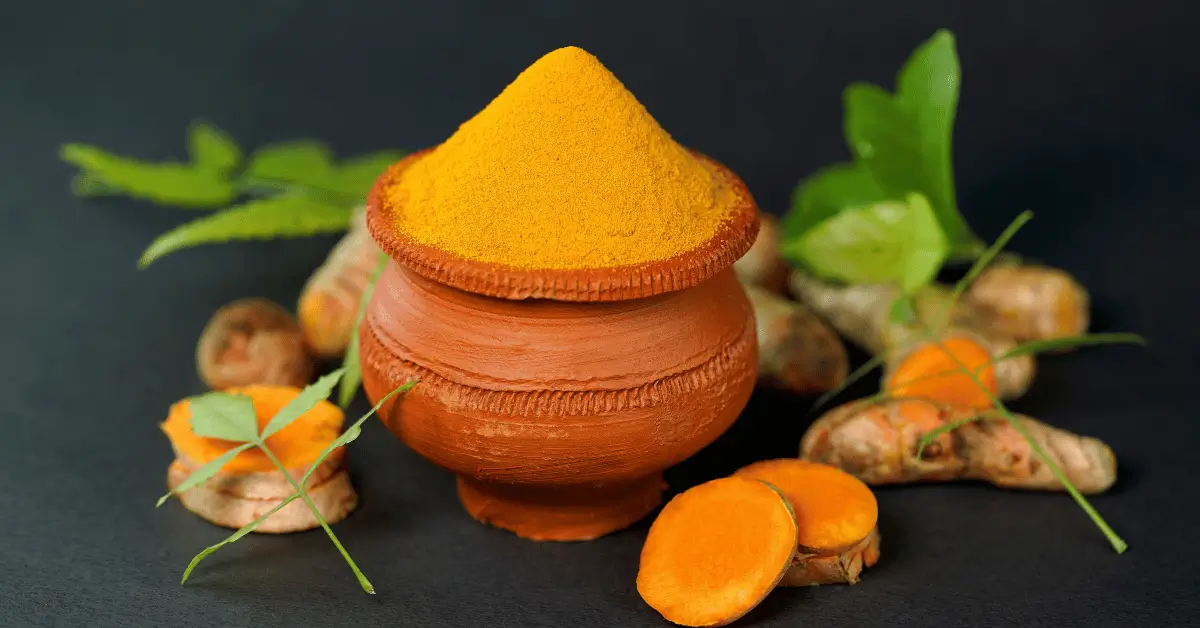
Discover how turmeric for health may support night shift workers by helping manage inflammation, oxidative stress, recovery, sleep, and overall wellness.
Night shift work helps keep hospitals, factories, warehouses, security services, and transportation running around the clock. However, working against your body’s natural sleep-wake cycle can slowly affect your health.
Many shift workers experience fatigue, poor sleep, muscle aches, digestive discomfort, and low energy. Over time, these challenges may increase the risk of chronic inflammation, heart problems, metabolic disorders, and weakened immunity.

Turmeric is a bright yellow spice that has been used in traditional cooking and wellness practices for centuries. Its main active compound, curcumin, has gained attention because of its antioxidant and anti-inflammatory properties
While turmeric is not a cure or a replacement for healthy habits, research suggests it may help support long-term health when combined with good nutrition, quality sleep, regular movement, and stress management.
This guide explains how turmeric may benefit night-shift workers, what the current science says, how to use it safely, and how to incorporate it into a realistic routine that fits even the busiest overnight schedule.
Why Turmeric for Long-Term Health Matters for Night Shift Workers
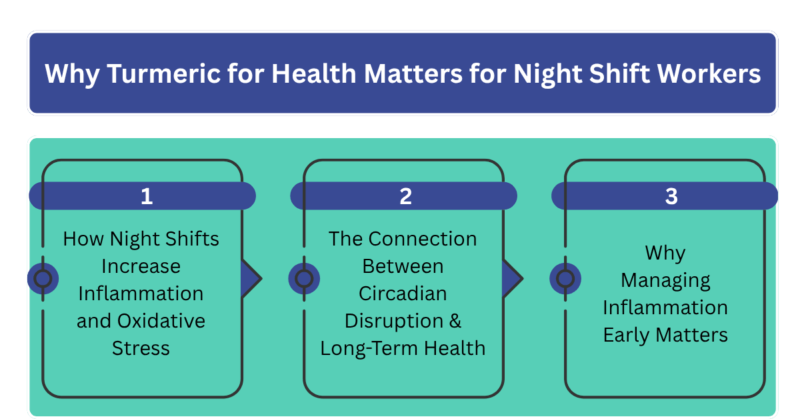
How Night Shifts Increase Inflammation and Oxidative Stress
Night shifts disrupt your body’s circadian rhythm, which controls sleep, hormones, digestion, and recovery. Over time, this disruption may increase oxidative stress and chronic inflammation, making it harder for the body to repair itself.
These changes develop gradually and may contribute to long-term health concerns if healthy habits are not maintained.

The Connection Between Circadian Disruption and Long-Term Health
Long-term night shift work has been linked with a higher risk of metabolic problems, heart disease, weight gain, digestive issues, and poor sleep quality. It can also affect concentration, mood, and immune function.
While turmeric cannot prevent these conditions, its natural antioxidant and anti-inflammatory properties may help support overall wellness when combined with healthy sleep, balanced nutrition, and regular exercise.
Why Managing Inflammation Early Matters
Persistent inflammation often develops silently before noticeable symptoms appear. Feeling tired, stiff, or mentally foggy after repeated night shifts may be a sign that your body needs better recovery and nutrition.
Curcumin, the active compound in turmeric, has been widely studied for its ability to support the body’s natural inflammatory response. Although it is not a cure, adding turmeric to a healthy lifestyle may help support long-term health and recovery.
How Curcumin Works in the Body for Shift Workers
What Curcumin Is and Why It Matters
Turmeric contains hundreds of natural plant compounds, but curcumin is the one most researchers focus on. Curcumin belongs to a group of plant nutrients called polyphenols, which are known for their antioxidant activity.
These compounds help protect cells from damage caused by free radicals that naturally form during normal metabolism and increase during stress, poor sleep, and unhealthy eating habits.
Although turmeric contains only a small amount of curcumin, regularly including the spice in meals may contribute to a healthy dietary pattern.
Some people also choose standardized curcumin supplements, but these should be used carefully and preferably after discussing them with a healthcare professional, especially if they take prescription medicines.
How Curcumin Supports Circadian Health
Curcumin does not reset your body clock or eliminate the effects of night shift work. However, researchers are exploring how its antioxidant and anti-inflammatory effects may help the body respond to the stress caused by circadian disruption.
By supporting normal cellular function, curcumin may contribute to healthier recovery after demanding work schedules.
Healthy recovery is especially important for people who sleep during the day. Creating a cool, dark, and quiet sleep environment remains the most effective way to improve daytime sleep. Turmeric should be viewed as a supportive nutritional choice rather than a sleep treatment.
Anti-Inflammatory and Antioxidant Effects
The body’s normal reaction to an injury or infection is inflammation, but persistent inflammation can put additional stress on tissues and organs. Laboratory and clinical research suggests that curcumin may influence several pathways involved in the body’s inflammatory response while also supporting its natural antioxidant defenses.
This combination has made turmeric one of the most widely studied spices in nutrition science. Although more high-quality research involving night-shift workers is still needed, the existing evidence suggests that incorporating turmeric into a balanced diet may support overall wellness and healthy aging.
How Turmeric Supports the Body’s Natural Defense Systems
Turmeric works best when it becomes part of a consistent lifestyle rather than a quick fix. Eating colorful fruits and vegetables, choosing whole grains, staying hydrated, and getting regular physical activity all work together with antioxidant-rich foods like turmeric to support the body’s natural repair processes.
For night shift workers, even simple habits can make a difference. Adding turmeric to soups, eggs, rice dishes, smoothies, or warm milk after work is an easy way to include it in your routine.
Small daily choices often provide greater long-term benefits than occasional large changes.
What Research Says About Turmeric for Night Shift Workers
Research on curcumin, the active compound in turmeric, has increased over the years. Although few studies focus specifically on night-shift workers, researchers have examined the effects of night-shift work on inflammation, oxidative stress, metabolism, brain health, and immune function.
Since shift work is linked with many of these issues, turmeric may offer supportive benefits as part of a healthy lifestyle.
Evidence on Inflammation and Oxidative Stress
Studies suggest that curcumin may help regulate inflammation while supporting the body’s natural antioxidant defenses. These effects may help protect cells from oxidative stress, which often increases with long-term sleep disruption and irregular work schedules.
Sleep, Recovery, and Brain Health
Turmeric is not a sleep aid and does not directly increase melatonin. However, reducing inflammation may support better recovery over time. Researchers have also explored curcumin’s potential role in supporting normal brain function, memory, and focus.
Current research suggests turmeric may help support:
- Healthy inflammatory balance
- Antioxidant protection
- Brain and cognitive health
- Joint comfort
- Immune function
- Overall metabolic wellness
What to Expect
Most studies use concentrated curcumin supplements rather than the small amounts found in food. Results also vary from person to person.
Turmeric should be viewed as a long-term wellness habit, not a quick fix. For night shift workers, the best results come from combining turmeric with quality sleep, regular exercise, and a balanced diet.
Top Turmeric Health Benefits for People Working Night Shifts

Supporting Heart and Metabolic Health
Working irregular hours may affect blood pressure, cholesterol levels, blood sugar, and body weight. These changes can increase the risk of heart disease over time.
A healthy diet remains the most important factor, but turmeric may provide additional support through its antioxidant and anti-inflammatory properties.
Some research suggests that curcumin may help support healthy blood vessel function and normal cholesterol levels when combined with healthy lifestyle habits. It may also help maintain healthy blood sugar levels, although it should never replace prescribed diabetes treatment.
Helping Manage Chronic Inflammation
Many shift workers notice stiffness, sore muscles, or slow recovery after several nights of work. While these symptoms can have many causes, long-term inflammation may play a role.
Curcumin has been widely studied because it may help regulate inflammatory responses throughout the body. When combined with regular movement, healthy meals, and adequate recovery time, turmeric may contribute to better long-term wellness.
Supporting Brain Health and Reducing Brain Fog
Brain fog is a common complaint among people who work overnight. Poor sleep can make it harder to concentrate, solve problems, or remember small details during a shift.
Curcumin’s antioxidant activity may help protect brain cells from oxidative damage. While turmeric cannot erase the effects of sleep deprivation, it may support healthy brain function as part of a balanced eating pattern that includes fruits, vegetables, healthy fats, and whole grains.
Promoting Joint and Muscle Comfort
Standing, walking, lifting, or sitting for long hours can place extra stress on muscles and joints. This is especially true for nurses, warehouse employees, factory workers, drivers, and security staff.
Some clinical studies suggest that curcumin may help improve joint comfort in people with mild arthritis or ongoing joint stiffness. Although results vary from person to person, adding turmeric to daily meals may be a simple way to support joint health over time.
Supporting Immune Function
The immune system works hardest during quality sleep. Since night shift workers often struggle with consistent sleep schedules, supporting immune health becomes even more important.
Turmeric contains plant compounds that help protect cells from oxidative stress. Together with a nutritious diet, regular exercise, hydration, and enough rest, it may help the immune system function normally.
Supporting Digestive and Gut Health
Irregular meal times are common during night shifts. Many workers experience bloating, indigestion, or stomach discomfort after eating late at night.
Turmeric has traditionally been used to support digestion. Some research suggests that curcumin may help maintain a healthy gut environment by supporting the body’s natural inflammatory balance.
Pairing turmeric with fiber-rich foods such as vegetables, beans, oats, and whole grains may further benefit digestive health.
Turmeric for Sleep and Recovery: Is There a Melatonin Connection?
Many people wonder whether turmeric can increase melatonin levels or improve sleep. At present, there is no strong evidence that turmeric directly boosts melatonin production.
However, by supporting overall health and helping regulate inflammation, turmeric may contribute to better recovery over time.
Good sleep habits remain the most effective way to improve recovery after night shifts. Helpful practices include:
- Sleeping in a cool, dark, and quiet room.
- Limiting caffeine near bedtime.
- Following a regular sleep schedule whenever possible.
- Eating balanced meals instead of relying on sugary snacks.
When these habits are combined with an anti-inflammatory diet that includes turmeric, they may help support long-term health and make overnight work easier on the body.
How to Use Turmeric During Night Shifts for the Best Results
Adding turmeric to your routine does not have to be difficult. The goal is not to take large amounts but to use it consistently as part of a healthy diet. Small daily habits often provide better long-term benefits than occasional high doses.
If you are new to turmeric, start with food before considering supplements. This allows you to enjoy its flavor while building a sustainable routine that fits your work schedule.
Best Time to Take Turmeric for Shift Workers
There is no perfect time to take turmeric. The best time is the one that fits your routine and helps you stay consistent. Many night shift workers prefer adding turmeric to a meal because it is easier to remember and may improve absorption.
If you finish work in the morning, a warm turmeric drink or a turmeric-containing breakfast can be part of your wind-down routine before sleep. Others may prefer using it with their main meal before starting a night shift. Choose a time that works naturally with your schedule.
Golden Milk, Turmeric Tea, Fresh Turmeric, and Supplements
There are several easy ways to include turmeric in your daily life. Cooking with turmeric is the simplest option and works well for most people.
You can enjoy turmeric in the following:
- Golden milk after work.
- Turmeric tea during a break.
- Soups, rice, lentils, or curries.
- Scrambled eggs or vegetable dishes.
- Smoothies with fruit and yogurt.
Some people choose curcumin supplements because they contain higher concentrations than the spice itself. However, supplements are not necessary for everyone. If you have a medical condition, are pregnant, or take medicines such as blood thinners or diabetes medication, speak with your healthcare provider before using them.
Pairing Turmeric with Black Pepper and Healthy Fats
Curcumin is naturally difficult for the body to absorb. A simple way to improve absorption is to combine turmeric with black pepper, which contains a natural compound called piperine.
Healthy fats such as olive oil, avocado, nuts, seeds, or full-fat yogurt may also help, as curcumin dissolves better in fat.
This is one reason traditional recipes often combine turmeric with both spices and healthy oils. Making these simple food pairings may help your body use curcumin more effectively.
Quick Turmeric Meal Ideas for Busy Schedules
Night-shift workers often have little time to cook. Keeping meals simple makes it easier to stay consistent.
A few easy ideas include adding turmeric to overnight oats, vegetable soup, chicken and rice, scrambled eggs, or a smoothie.
If you prepare meals in advance, you can also season roasted vegetables or grilled chicken with turmeric and black pepper before storing them for the week.
Remember that turmeric works best when it becomes part of your everyday eating habits rather than an occasional health trend.
Dosage and Safety: Using Turmeric for Long-Term Health
Turmeric is generally considered safe when used in normal cooking. Problems are more likely to occur with high-dose supplements or when people take turmeric alongside certain medications without medical advice.
Knowing the difference between culinary turmeric and concentrated curcumin supplements can help you make informed choices.
How Much Turmeric or Curcumin Is Generally Used?
There is no single recommended daily amount of turmeric for everyone. In cooking, many people use about ½ to 1 teaspoon of turmeric powder each day as part of a balanced diet.
Research studies often use much higher amounts of purified curcumin than you would get from food. These doses should not be replicated without professional guidance, as supplement strengths and quality vary.
For most healthy adults, regular use of turmeric in meals is a practical and safe way to enjoy its potential benefits.
Culinary Turmeric vs. Supplements
Cooking with turmeric provides more than just curcumin. It also adds flavor and other natural plant compounds to your meals. While supplements contain higher concentrations, they are not always the better choice.
A food-first approach offers several advantages:
- Easy to include in everyday meals.
- Lower risk of taking excessive amounts.
- Supports an overall healthy eating pattern.
- More affordable for long-term use.
Supplements may be appropriate for some people, but they should be selected carefully and discussed with a qualified healthcare professional when needed.
Possible Side Effects and Medication Interactions
Most people tolerate turmeric well when used in food. However, taking large amounts or concentrated supplements may cause stomach discomfort, nausea, or diarrhea in some individuals.
Turmeric supplements may also interact with certain medicines, including blood thinners, diabetes medications, and drugs that reduce stomach acid. People with gallbladder disease or a history of kidney stones should also seek medical advice before using high-dose supplements.
If you notice unusual symptoms after starting turmeric, stop using it and speak with your healthcare provider.
Who Should Avoid Turmeric?
Although turmeric is safe for many people, it may not be suitable for everyone.
Extra caution is recommended for people who:
- Take blood-thinning medication.
- Have gallbladder disease.
- Have a history of kidney stones.
- Are preparing for surgery.
- Are pregnant or breastfeeding and considering supplements.
Using turmeric as a cooking spice is usually safe, but supplements require more careful consideration.
When Can You Expect to Notice Benefits?
Turmeric is not designed to deliver instant results. Unlike caffeine, it does not provide an immediate energy boost or remove fatigue after one shift. Its value comes from regular use over weeks or months as part of a healthy lifestyle.
Many people first notice small improvements, such as feeling more comfortable after long shifts or recovering more quickly between workdays. Others may not notice obvious changes at all, yet still benefit from maintaining an antioxidant-rich diet.
The most important habit is consistency. Pair turmeric with nutritious meals, regular exercise, quality sleep, and stress management for the best chance of supporting long-term health.
Build a Night Shift Lifestyle That Works with Turmeric
Turmeric can be a valuable part of a healthy routine, but it cannot overcome the effects of poor sleep, unhealthy eating, or long-term stress on its own. The best results come from combining turmeric with daily habits that support your body’s natural recovery process.
Night shift workers often face unique challenges, including irregular meals, limited daylight, and changing sleep schedules. Focusing on small, consistent improvements is more effective than trying to change everything at once.
Combine Turmeric with Healthy Sleep Habits
Quality sleep remains the most important factor for long-term health. Even if you sleep during the day, aim to create a cool, dark, and quiet environment. Blackout curtains, earplugs, or a white noise machine may help reduce distractions.
A calming routine before bed can also improve recovery. Some people enjoy a warm cup of golden milk or caffeine-free turmeric tea after work as part of their wind-down routine. While turmeric does not directly improve sleep, pairing it with healthy sleep habits may support overall recovery.
Eat an Anti-Inflammatory Diet
Turmeric works best when it is part of a balanced eating pattern. Instead of relying on processed snacks during night shifts, choose foods that provide lasting energy and important nutrients.
Try to include colorful fruits and vegetables, whole grains, lean protein, healthy fats, nuts, seeds, and oily fish. These foods naturally provide antioxidants, fiber, vitamins, and minerals that work together to support your body.

Stay Active, Hydrated, and Manage Stress
Regular movement helps improve circulation, supports joint health, and reduces stiffness after long hours of sitting or standing. Even a 20-minute walk or light stretching after work can make a difference.
Drinking enough water is equally important because mild dehydration can increase fatigue and reduce concentration. Simple stress-management techniques such as deep breathing, light exercise, or mindfulness may also support recovery after demanding shifts.
Common Mistakes When Using Turmeric for Night Shift Support
Many people expect turmeric to work like a quick-fix supplement. In reality, it supports long-term wellness through regular use and healthy habits.
One common mistake is taking turmeric without black pepper or a source of healthy fat. Because curcumin is poorly absorbed, its effectiveness may be reduced.
Another mistake is expecting immediate results. Turmeric is not an energy drink or a medicine that works overnight. It may take weeks of consistent use before any noticeable benefits appear.
Some people also depend on supplements while ignoring the basics of health. No supplement can replace quality sleep, nutritious meals, physical activity, or stress management. These habits remain the foundation of long-term wellness.
Finally, be careful when choosing turmeric supplements. Look for products that have been tested for quality and avoid brands that make unrealistic health claims.
A Long-Term Strategy for Staying Healthy on Night Shifts
Long-term health is built through small daily actions rather than occasional efforts. If you decide to include turmeric in your routine, make it a habit that is easy to maintain.
You might add turmeric to your breakfast after work, mix it into soups or rice, or enjoy a warm turmeric drink before daytime sleep. Keeping the routine simple makes it easier to stay consistent.
Pay attention to how you feel over time. Notice changes in your energy levels, recovery, digestion, or overall well-being. Everyone responds differently, so focus on gradual improvements rather than dramatic results.
If you are considering combining turmeric with other supplements, such as omega-3 fatty acids, magnesium, or vitamin D, discuss your plan with a healthcare professional.
They can help you choose an approach that fits your individual health needs and any medications you may be taking.
Conclusion on Turmeric for Health
Night shift work places extra demands on your body, making long-term health an important priority. While no single food can eliminate the effects of disrupted sleep and irregular schedules, turmeric may be a helpful addition to a healthy lifestyle.
Its natural antioxidant and anti-inflammatory properties have made it one of the most researched spices for supporting overall wellness.
The greatest benefits come from consistency rather than high doses. Adding turmeric to balanced meals, pairing it with black pepper and healthy fats, staying physically active, eating nutritious foods, and protecting your sleep can all work together to support your health over time.
Think of turmeric as one piece of a larger wellness plan, not a quick fix. By making small, sustainable changes today, you can better support your recovery, maintain your energy, and protect your long-term health while continuing to work night shifts.
Want better recovery during night shifts? Start with one simple habit today: add turmeric to a balanced meal, prioritize sleep, and support your long-term health one shift at a time.
Read more about night shift workers’ health.
You might like: