
Working nights doesn’t just flip your schedule; it throws your body’s entire stress response system out of sync. If you’ve noticed stubborn belly fat, wired-but-tired energy, or sleep that never feels restorative, cortisol dysregulation is often the underlying thread.
This guide breaks down how to control cortisol levels during night shifts with five practical pillars you can build into any rotation.
Why Cortisol Gets Out of Balance on Night Shifts
How Circadian Rhythm Disruption Triggers the Stress Response
Cortisol is designed to run on a 24-hour loop tied to light and darkness: high in the morning to promote alertness and low at night to allow rest and repair.
The HPA axis—the hypothalamus, pituitary, and adrenal glands working together—governs this loop and takes its cues primarily from light exposure.

How to reduce stress hormones naturally
Stress is not always the enemy. Your body needs a stress response to wake you up, respond to challenges, and deal with demanding situations. The problem arises when stress becomes frequent, and your body doesn’t have enough time to recover.
Night shift work forces you to be alert when your HPA axis expects darkness and low cortisol, then asks you to sleep when it’s gearing up for a natural cortisol peak.
The result is circadian rhythm disruption: your internal clock and your work schedule are pulling in opposite directions, and cortisol gets caught in the middle, often staying elevated at the wrong times and blunted at others.
High Cortisol Night Shift Symptoms: Fatigue, Belly Fat, Poor Sleep
When cortisol stays chronically out of sync, common signs include persistent fatigue despite adequate hours of sleep, increased abdominal fat storage (cortisol promotes visceral fat retention), and sleep that’s fragmented or unrefreshing even when you get a full block of it. Many night shift workers describe feeling “tired but wired”—mentally alert but physically depleted.
The Link Between Cortisol, Inflammation, and Burnout
Cortisol is meant to be anti-inflammatory in short bursts. Still, chronic elevation has the opposite long-term effect: cells become less responsive to cortisol’s signals, inflammation creeps up, and the body stays in a low-grade stress state.

Combined with sleep debt, this is a direct pathway to burnout, a mix of exhaustion, cynicism, and reduced capacity that’s especially common among rotating and night shift workers.
How to Control Cortisol Levels Naturally
Cortisol responds most reliably to the basics: light exposure, sleep, food timing, movement, and how your nervous system handles daily stress. No single “hack” resets cortisol overnight, but consistent habits in these areas can bring a chronically elevated baseline back toward normal over time.
- Get natural light early and darkness at night: morning light exposure helps anchor your circadian rhythm, which governs cortisol’s natural rise-and-fall pattern; dimming lights and avoiding screens before bed supports the evening drop.
- Protect consistent sleep: aim for a regular sleep and wake time, since irregular sleep is one of the strongest everyday triggers for cortisol dysregulation…
- Move regularly, but don’t overtrain: walking, gentle strength training, and other moderate activity help the body process cortisol, while frequent high-intensity training without adequate recovery can keep it elevated.
- Practice slow breathing or brief relaxation daily: techniques like extended-exhale breathing activate the parasympathetic nervous system and can lower cortisol within minutes.
- Eat regular, balanced meals: skipping meals or relying on high-sugar snacks causes blood sugar swings that trigger cortisol release; pairing protein, fiber, and healthy fats helps stabilize this.
- Limit caffeine and alcohol, especially later in the day: both can interfere with sleep quality and blood sugar regulation, indirectly keeping cortisol higher than necessary.
- Build in social connection and downtime: spending time with supportive people and taking real breaks from work-related stress are consistently linked to lower perceived stress and better cortisol regulation.
- Consider evidence-supported adaptogens with guidance: some, like ashwagandha, have clinical trial support for lowering cortisol. However, individual response varies, and a doctor should weigh in before you start, especially if you take other medications.
None of these habits work in isolation; sleep, light, food, and stress management all reinforce each other. A realistic approach is to pick two or three to focus on consistently rather than trying to overhaul everything at once.

Daily Routine: How to Lower Stress Hormones Shift Work in 24 Hours
| Pre-Shift | Calm energy & blood sugar balance | Eat protein and complex carbs. 1–2 hrs before shift; get bright light exposure; light warm-up or short walk |
| During Shift | Stress management on breaks | Short walk; slow breathing for a few minutes; blood-sugar-stabilizing snack instead of sugar/caffeine only |
| Post-Shift | Nervous system reset & wind-down | Wear sunglasses on commute home; dim lights; avoid screens 30–60 min before sleep; shower/stretch/breathe routine |
Pre-Shift: Calm Energy and Blood Sugar Balance.
Eat a balanced meal with protein and complex carbs 1–2 hours before your shift starts. Get bright light exposure to support alertness, and do a light warm-up or short walk rather than jumping straight into intensity.
During Shift: Stress Management for Night Workers. Breaks
Use scheduled breaks for a short walk, a few minutes of slow breathing, and a blood-sugar-stabilizing snack rather than relying purely on caffeine or sugar to push through.
Post-Shift: Nervous System Reset and Wind-Down for Sleep Quality
Dim the lights and wear sunglasses on the way home, avoid screens in the final 30–60 minutes before sleep, and use a wind-down routine (shower, stretching, or breathwork) to signal to your nervous system that it’s time to lower arousal.
What to Eat to Control Cortisol Levels

No single food lowers cortisol on its own, but what you eat affects blood sugar stability, inflammation, and gut health, all of which influence how well your body regulates its stress response.
Steady blood sugar in particular matters most: sharp drops trigger cortisol release as the body works to bring glucose back up, so meals built around protein, fiber, and healthy fats tend to support more stable cortisol levels than high-sugar, low-protein eating patterns.
- Protein at every meal: eggs, poultry, fish, legumes, and Greek yogurt slow digestion and help prevent the blood sugar swings that spike cortisol
- Complex carbohydrates over refined ones: oats, sweet potatoes, quinoa, and whole grains release glucose more gradually than white bread, pastries, or sugary cereals.
- Fatty fish and omega-3 sources: salmon, sardines, walnuts, and flaxseed are commonly linked to lower inflammation, which matters because chronic cortisol elevation and inflammation tend to feed each other.
- Magnesium-rich foods: leafy greens, nuts, seeds, and dark chocolate support relaxation and are often depleted faster under chronic stress.
- Fermented and fiber-rich foods: yogurt, kefir, kimchi, and a variety of vegetables support gut health, which research increasingly links to stress hormone regulation via the gut-brain axis.
- Vitamin C-rich foods: citrus fruits, bell peppers, and berries are sometimes highlighted for their role in adrenal hormone production, though evidence for supplementing beyond a normal diet is limited.
- Herbal teas without caffeine: chamomile and passionflower are commonly used in the evening to support wind-down. However, effects are mild, and evidence is limited compared to more scientifically established habits like sleep timing.
- Foods and habits to limit: excess added sugar and refined carbs (blood sugar spikes and crashes), high caffeine intake, especially later in the day, alcohol (disrupts sleep and blood sugar), and skipping meals altogether, which is itself a stressor that can trigger cortisol release
Diet is one lever among several; sleep, light exposure, and stress management generally matter more than any specific food choice, so think of eating well as support for those habits rather than a stand-alone fix.

Herbs to Control Cortisol Levels
Several herbs have clinical trial evidence for lowering cortisol, though the strength of that evidence varies by herb, and results don’t guarantee the same effect for everyone or every product.
None of these replace addressing sleep, light exposure, and chronic stress directly; they’re a supporting tool at best.
- Ashwagandha: the most researched option; multiple randomized, placebo-controlled trials have found it lowers serum cortisol, typically with daily doses of 240–600 mg taken for 60+ days
- Rhodiola rosea: clinical evidence shows it can reduce the cortisol spike that happens right after waking, particularly in people with stress-related fatigue, though it hasn’t shown the same effect in healthy people under physical exercise stress
- Holy basil (tulsi): a randomized trial found it lowered cortisol response during an acute stress test and reduced hair cortisol (a marker of stress exposure over several months) after 8 weeks of use
- Lemon balm: early research suggests it may blunt a cortisol spike within about an hour of use, though the evidence base is smaller than for ashwagandha or rhodiola
- Magnolia bark and schisandra: sometimes included in stress-support blends, but human cortisol-specific evidence is more limited and preliminary than the herbs above.
Important caveats before trying any of these:
- Effects generally take weeks of consistent use to show up; they aren’t a same-day fix.
- Herbs can interact with thyroid medication, sedatives, blood pressure medication, and immunosuppressants.
- They aren’t well studied in pregnancy or for people with autoimmune or thyroid conditions.
- Quality and dose vary a lot between commercial products, and study results don’t automatically apply to every formulation on the shelf.
Talk to a doctor or pharmacist before starting any of these, especially if you’re on other medications or managing an existing health condition; herbal doesn’t mean risk-free.
Foods That Help Manage Cortisol Levels During Night Shifts
Protein + fiber meals for blood sugar balance: Eggs, poultry, legumes, and whole grains paired together slow glucose absorption and reduce the blood sugar swings that trigger cortisol release.
Anti-inflammatory foods to fight inflammation: Fatty fish, berries, turmeric, and leafy greens help counter the low-grade inflammation associated with chronic cortisol elevation.
Hydration, electrolytes, and herbal teas that calm the stress response: Staying well-hydrated supports overall HPA axis function, while electrolytes help offset the effects of disrupted sleep and appetite. Caffeine-free herbal teas like chamomile or passionflower are commonly used in the evening to support wind-down.
Foods and Habits That Spike Cortisol on Night Shift
Too much caffeine, sugar, and energy drinks: These provide short-term alertness but drive cortisol and blood sugar spikes followed by crashes, creating a cycle that worsens fatigue over a shift.
Skipping meals and overeating after shift: Skipping meals during a shift can drop blood sugar and trigger cortisol release, while overeating right before sleep can disrupt digestion and sleep quality.
Scrolling and blue light before bed can disrupt melatonin: Blue light suppresses melatonin production and keeps cortisol elevated when it should be tapering off before sleep.
Supplements and Tools for Night Shift Cortisol Management
Adaptogens: Ashwagandha and rhodiola for adrenal health: Both are commonly discussed as adaptogens, compounds studied for their potential to help the body adapt to stress. However, individual response varies, and neither is a substitute for addressing sleep and light exposure directly.
Nutrients: Magnesium, vitamin C, and B vitamins: These are frequently mentioned in the context of stress and adrenal support, often because they’re used up faster under chronic stress.
Tools: blackout curtains, red light, and tracking apps: Blackout curtains and an eye mask support daytime sleep; red or amber light (rather than blue-toned light) in the evening avoids further melatonin suppression; sleep or wearable tracking apps can help you spot patterns in sleep quality relative to shift timing.
Common Mistakes That Keep Cortisol Levels High
Training too hard with no recovery: Stacking high-intensity workouts on top of circadian disruption and sleep debt keeps cortisol elevated rather than helping regulate it.
Working through breaks with no nervous system reset: Skipping breaks or spending them on more screen time or work-adjacent tasks removes one of the few built-in opportunities to lower stress hormones during a shift.
Poor meal timing for shift work: Eating heavy meals right before sleep or going long stretches without eating during a shift both work against blood sugar and cortisol stability.
How to Control Cortisol Levels to Lose Weight
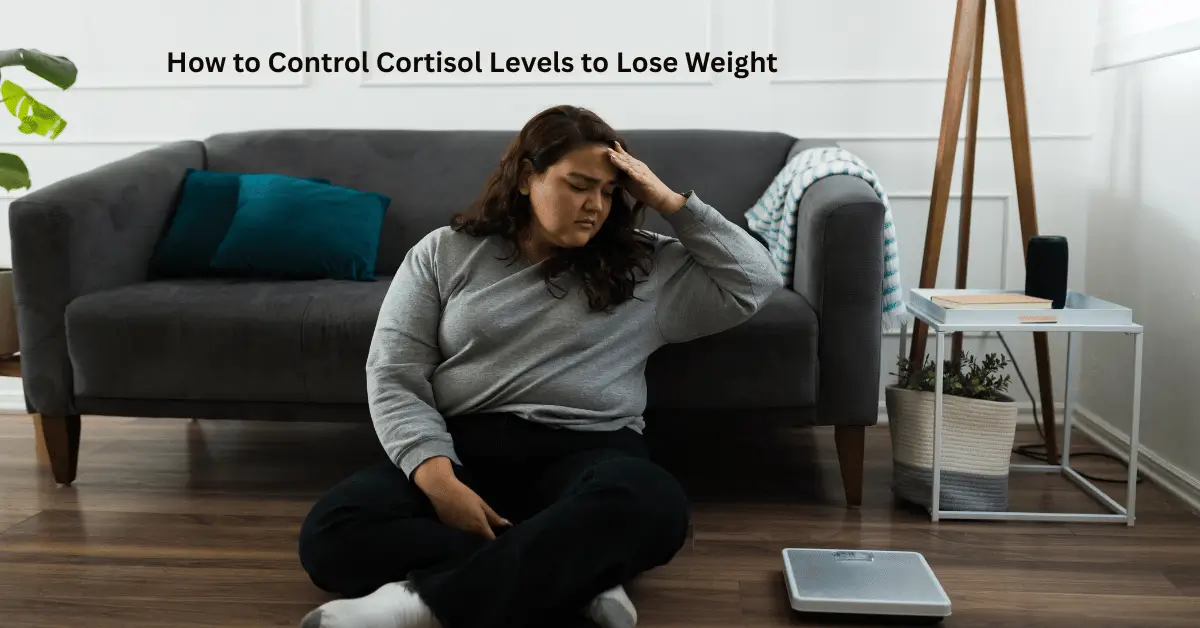
Elevated cortisol doesn’t cause weight gain on its own. Still, it can work against weight loss by increasing appetite for high-sugar, high-fat foods, promoting abdominal fat storage, and reducing insulin sensitivity.
Not everyone with elevated cortisol develops belly fat, and abdominal weight gain can happen for other reasons too—aging, menopause, or genetics—so cortisol is one piece of the picture, not the whole explanation.
If stress, poor sleep, or shift-related cortisol disruption is stalling your progress, these habits genuinely help:
- Prioritize sleep consistency: poor sleep raises next-day cravings and insulin resistance, both of which work against fat loss regardless of diet quality.
- Avoid chronic calorie restriction: very low-calorie diets and constant “diet stress” can raise cortisol, which works against your goal.
- Choose moderate exercise over constant high intensity: walking and moderate strength training support fat loss without the cortisol spike from frequent, unrecovered high-intensity sessions.
- Eat regular, balanced meals: skipping meals or going long stretches without eating triggers blood sugar drops that raise cortisol and increase cravings later.
- Build in stress-reduction habits: breathwork, short walks, or downtime reduce the chronic stress load that keeps cortisol elevated.
- Limit alcohol and excess caffeine: both can disrupt sleep and blood sugar, indirectly keeping cortisol higher.
The realistic takeaway: cortisol alone won’t guarantee weight loss, but ignoring it through crash diets, overtraining, or chronic sleep deprivation can actively sabotage an otherwise solid plan. Focus on the habits that reduce stress, support sleep, and avoid extremes.
Best Way to Control Cortisol Levels
There’s no single “best” method; cortisol responds to multiple systems at once, but if you had to prioritize, sleep and light exposure have the strongest, most consistent evidence for regulating cortisol, since they directly control the circadian rhythm cortisol runs on.
Everything else works best as a layer on top of that foundation, not a replacement.
- 1. Fix sleep and light exposure first: a consistent sleep-wake schedule and getting bright light in the morning (with darkness at night) does more to regulate cortisol’s natural rhythm than any other single habit
- 2. Manage stress in the moment, not just long-term: slow breathing, brief walks, or a few minutes of downtime during a stressful day lower cortisol faster than most other interventions because they act directly on the nervous system
- 3. Keep blood sugar stable: regular, balanced meals with protein and fiber prevent blood sugar crashes that trigger cortisol release; skipping meals or heavy sugar intake works against this
- 4. Move consistently, but don’t overtrain: moderate exercise (walking, moderate strength training) helps the body regulate cortisol, while frequent high-intensity training without recovery raises it
- 5. Limit stimulants and alcohol: both interfere with sleep and blood sugar, keeping cortisol elevated longer than necessary
- 7. Use evidence-supported herbs as an add-on, not a fix: ashwagandha has the strongest clinical support for lowering cortisol specifically, but only as an add-on to the habits above, not a replacement for them
The realistic order of impact: sleep and stress management first, diet and movement next, and supplements last.
Trying to “supplement your way” past poor sleep or chronic overtraining generally won’t move the needle much, since those are the bigger drivers of an elevated baseline.
Recap: Managing Cortisol Levels During Night Shifts
- Night shift work disrupts the natural cortisol rhythm by forcing alertness when cortisol should be low and sleep when it should be rising.
- Chronic cortisol imbalance shows up as fatigue, belly fat, poor sleep, and eventually burnout and inflammation.
- A simple pre-shift → during-shift → post-shift routine helps keep cortisol steady across 24 hours
- Certain foods (protein + fiber, anti-inflammatory foods, hydration) help; others (excess caffeine/sugar, skipped meals, late-night screens) work against you
- Watch for physical, mental, and sleep-related warning signs of high cortisol.
- Cortisol alone won’t guarantee weight loss, but ignoring it through crash diets, overtraining, or chronic sleep deprivation can actively sabotage an otherwise solid plan.
- Focus on the habits that reduce stress, support sleep, and avoid extremes.
- Supplements like magnesium, ashwagandha, and omega-3s can support adrenal health but aren’t substitutes for sleep and light management.
- Common mistakes—overtraining, skipping breaks, poor meal timing—can keep cortisol elevated even when other habits are good.
FAQ: Control Cortisol Levels During Night Shifts
Q. Does working the night shift permanently damage your cortisol?
Research links long-term night shift work to sustained circadian and cortisol rhythm disruption. Still, it’s generally not considered permanent or irreversible.
Many of the strategies above (light management, consistent sleep timing, and stress management) can meaningfully improve regulation, and rhythms often normalize after returning to a day schedule.
Q. What is the fastest way to lower cortisol after a night shift?
Blocking morning light on the commute home, getting into a dark, cool sleep environment quickly, and doing a few minutes of slow breathing before sleep are the fastest levers available immediately after a shift.
Q. Can exercise help or hurt cortisol and sleep on night shift?
Both moderate movement like walking or light strength training generally help regulate cortisol and improve sleep quality, while high-intensity training without adequate recovery, especially right before sleep, can further raise cortisol and disrupt sleep onset.
Q. How to reduce cortisol while working out?
Keep sessions moderate in duration and intensity rather than constantly maxing out, and avoid long fasted or overly frequent high-intensity workouts, since these push cortisol higher.
Warm up properly, stay hydrated, and fuel with some carbs and protein before or after training. Prioritize sleep and rest days between hard sessions so cortisol has time to normalize.
Adding a short cooldown with slow breathing after training also helps bring levels back down faster.
Q. What are 10 warning signs of high cortisol?
Common signs include persistent fatigue, difficulty sleeping or waking up tired, increased abdominal fat, and frequent illness from a weakened immune response. Others are anxiety, irritability, brain fog, sugar or salt cravings, elevated blood pressure, and muscle weakness or slow recovery from workouts.
These symptoms often overlap with other conditions, so a cluster of several—not just one—is a stronger signal. If you’re concerned, a doctor can confirm with a cortisol test.
Q. How to lower cortisol levels while at work?
Take short breaks to walk, stretch, or step outside for natural light, since movement and daylight both help regulate cortisol.
Practice a few minutes of slow, deep breathing when stress spikes, and avoid stacking caffeine on an empty stomach. Keep blood sugar steady with balanced snacks instead of sugary ones.
Setting realistic boundaries around workload and interruptions also reduces the ongoing stress triggers that keep cortisol elevated.
Q. Do rest days lower cortisol?
Yes, rest days allow cortisol, which rises during and after intense training, to return to baseline rather than staying chronically elevated. Without adequate rest, cortisol can stay elevated alongside inflammation and impaired muscle recovery.
Rest days also support better sleep, which is one of the biggest levers for cortisol regulation. This doesn’t mean total inactivity is required; light movement like walking is fine and often beneficial.
Q. What exercises don’t raise cortisol?
Low-to-moderate intensity activities like walking, gentle cycling, swimming, yoga, and light mobility work generally don’t spike cortisol the way intense training does. Strength training in moderate doses, with adequate rest between sets, is also well tolerated.
The key factors are intensity, duration, and recovery; even higher-intensity exercise is fine occasionally if it’s followed by proper rest. Chronic, unrecovered high-intensity training tends to keep cortisol elevated long-term.
Q. Does drinking water lower cortisol?
Staying well-hydrated helps keep cortisol from spiking unnecessarily, since dehydration itself is a physical stressor that can raise cortisol levels. It won’t dramatically lower an already-elevated baseline on its own, but it supports the body’s overall stress response and recovery processes.
Proper hydration also improves sleep quality and physical performance, both of which indirectly support healthier cortisol regulation. It’s one small piece of a larger picture, not a standalone fix.
Conclusion on How to Control Cortisol Levels
Managing cortisol on night shifts isn’t about fighting your schedule; it’s about working with the tools you do control: light exposure, sleep consistency, meal timing, movement, and deliberate downtime.
None of these habits need to be perfect to make a difference; even small, consistent changes to your pre-shift, during-shift, and post-shift routine can meaningfully lower the chronic stress load that builds up over a rotation.
If high-cortisol symptoms persist despite these changes, check in with a doctor familiar with shift-work health rather than pushing through alone.
Start with one change this week: pick a consistent wake time and get 10 minutes of morning light, or move your last coffee earlier.
Once that becomes routine, add the next habit: steady meals, a short daily walk, or a few minutes of breathing before bed. Small, consistent shifts do more for cortisol over time than any single fix, so build one habit at a time rather than trying to change everything at once.
This article is for general wellness information and isn’t a substitute for medical advice. If you’re experiencing persistent symptoms of high cortisol or burnout, consult a doctor familiar with shift-work health.
Read more about night shift workers’ health.