

Discover the key differences between permanent and semi-permanent tattoos. From the science of ink layers to application processes and lifestyle considerations.
Thank you for reading this post, don't forget to subscribe!This ultimate guide helps you choose the right body art for your personal journey.
Body art has been a powerful medium for self-expression and identity for centuries. Today, the world of tattooing has expanded far beyond traditional needles, offering a spectrum of possibilities that range from lifelong ink etchings to flexible, semi-permanent alternatives.

Whether you are looking for a deep, enduring commitment or a creative way to “test-drive” a design for a few weeks, understanding how these methods work is the first step.
In this guide, we focus on topical semi-permanent options—like Henna and long-wear ink—that fade naturally over weeks, allowing for creative expression without the long-term commitment of needles.
How to Choose Between Permanent and Semi-Permanent Tattoos
Choosing between a lifelong commitment and a temporary expression is about more than just the design; it is about matching body art to your current stage of life. To help you make an informed decision, consider these three core pillars:
1. Assess Your Commitment Level
The most significant difference lies in the “forever” factor.
- Choose Permanent if: You have a design that holds deep, unchanging symbolic value—such as a tribute to a loved one or a milestone in your personal growth. If you view your body as a gallery of your life’s history, permanent ink is the way to go.
- Choose Semi-Permanent if: You enjoy following trends or aren’t 100% sure about a specific placement. Semi-permanent options let you “test-drive” a look for 2 weeks to see if it truly fits your daily aesthetic before making it official.
2. Consider the Pain and Process
Because your well-being and comfort matter, the application process is a major factor.
- The Permanent Experience: This involves needles reaching the dermis layer of the skin. It requires a higher pain threshold and a dedicated aftercare routine (keeping it clean and out of the sun) to ensure proper healing.
- The Semi-Permanent Experience: a non-invasive, pain-free process. Whether it is a Henna stain or a long-wear plant-based ink, the application happens on the surface of the skin, making it a “slow productivity” friendly choice—minimal effort for a beautiful, temporary result.
3. Evaluate Placement and Lifestyle
Where you put your art matters as much as what it is.
- Longevity in Placement: Permanent tattoos stay crisp longer in areas with less “skin movement” or friction (like the outer arm or back).
- Flexibility for Change: If you work in a professional environment where you prefer to keep body art hidden at times, or if you love changing your look for vacations and festivals, semi-permanent tattoos offer the freedom to experiment on visible areas like hands and wrists without professional repercussions.
The “Golden Rule” of Choice: If you find yourself questioning a design for more than a month, start with a semi-permanent version. It is the smartest way to ensure that when you do go permanent, you do so with zero regrets.
Decision Matrix: Permanent vs. Semi-Permanent
| Feature | Permanent Tattoo | Semi-Permanent (Topical) |
| Ideal For | Life milestones & deep symbolism | Trends, vacations, or “test-driving” |
| Pain Level | Moderate to High (Needles) | Zero (Topical application) |
| Skin Layer | Dermis (Deep layer) | Epidermis (Surface layer) |
| Commitment | Lifetime | 1–3 Weeks |
| Aftercare | 2–4 weeks of specialized care | Minimal (Moisturize to maintain) |
| Flexibility | Low (Requires laser removal) | Trends, vacations, or “test-driving.” |
Permanent Tattoos: A Lifelong Commitment to Ink
A permanent tattoo is more than just a decorative choice; it is a physical commitment that integrates into your body’s largest organ—the skin.
Unlike temporary art that sits on the surface, permanent tattooing is a precise medical and artistic process designed to withstand the natural cycle of skin cell regeneration.
The Science of Longevity
To understand why a tattoo lasts a lifetime, we have to look at the skin’s anatomy. Your outer layer, the epidermis, is constantly shedding and replacing itself. If ink were only applied here, it would vanish within weeks.
A permanent tattoo works by using a needle to deliver ink into the dermis, the second, more stable layer of skin. Because the dermis does not flake away like the epidermis, the ink particles stay trapped in place.
Your immune system actually helps “lock” the ink in place; specialized cells called macrophages engulf the ink particles and hold them there, preserving your design for decades to come.
The “Forever” Mindset
Because this process is physically enduring, it requires a mental shift from “trendy” to “timeless.” When choosing permanent ink, consider the following:
- Evolution of the Canvas: As we age, our skin loses elasticity. Choosing placements that are less prone to significant stretching—such as the forearms, upper back, or calves—can help your art maintain its original shape and clarity over time.
- The Investment of Aftercare: The first two weeks after getting a permanent tattoo are critical. Proper healing requires a balance of hydration, protection from UV rays, and patience.
- Treating your new tattoo with the same care you would a minor medical procedure ensures the colors remain vibrant and the lines stay sharp.
- A Statement of Identity: A permanent tattoo often marks a “before and after” in a person’s life.
- Whether it’s a symbol of a core value from your T.E.M.P.E.R. framework or a tribute to a loved one, it serves as a constant, grounded reminder of who you are and what you have moved through.
Expert Tip: Before committing to the needle, take a “slow productivity” approach: Keep your chosen design on your fridge or phone wallpaper for three months.
If you still love it every time you see it, you’re ready for the lifelong commitment of ink.
Semi-Permanent Tattoos: Exploring Art with Flexibility
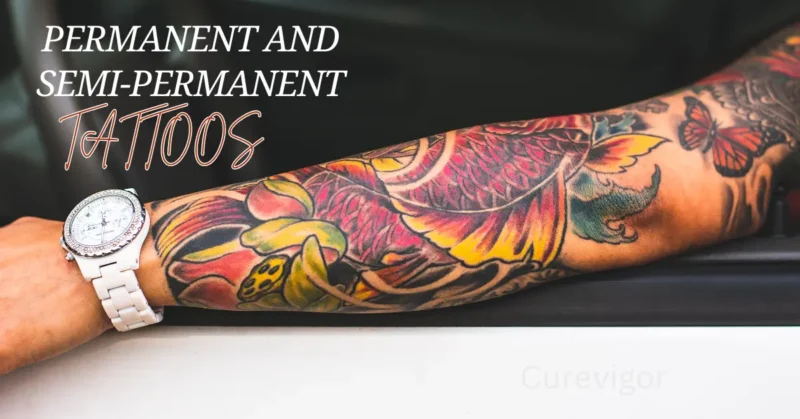
For many, the appeal of body art lies in its ability to reflect a current mood, a season of life, or a specific event, such as a festival or vacation.
Semi-permanent tattoos offer the perfect middle ground: the professional look of real ink without the permanent “forever” commitment.
The Science of the “Stain”
Unlike permanent tattoos, which reside in the dermis, semi-permanent options work exclusively in the epidermis (the outermost layer of your skin).
As your skin naturally regenerates and sheds dead cells, the semi-permanent design gradually fades away.
This process typically takes anywhere from one to three weeks, depending on the application method and how well you care for your skin.
Popular Semi-Permanent Methods
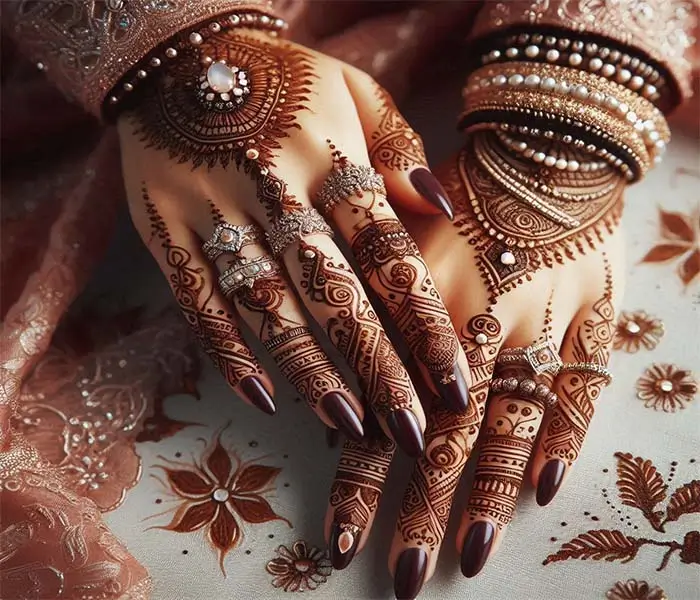
Natural Henna: Derived from the Lawsonia inermis plant, Henna creates a deep, earthy reddish-brown stain. It is a beautiful, traditional choice that has been used for centuries.
There are two primary ways to achieve a long-lasting, temporary look:
- Natural Henna: Derived from the Lawsonia inermis plant, Henna creates a deep, earthy reddish-brown stain. It is a beautiful, traditional choice that has been used for centuries.
For the best results, Henna is applied as a paste and left to sit for several hours, developing its full color over the next 24 to 48 hours. - Long-Wear Fruit-Based Ink: Modern “two-week” tattoos often use a plant-based formula (like Genipa Americana).
These inks react with the proteins in your skin, creating a dark blue or black stain that resembles a permanent tattoo.
They are applied using a simple “press-and-set” method and fully develop overnight.
Who Should Choose Semi-Permanent?
Semi-permanent art is an excellent tool for self-discovery and experimentation. It is ideal for:
- The “Test Drive”: If you have a permanent design in mind but aren’t sure about the size or placement, wearing a semi-permanent version for two weeks provides invaluable “real-world” feedback.
- Lifestyle Flexibility: If your professional life or personal beliefs require a “blank canvas,” semi-permanent options allow you to enjoy body art during your time off, knowing it will fade before you return to your routine.
- Creative Evolution: For those who value change and variety, semi-permanent tattoos allow you to update your “look” as often as you update your wardrobe.
Maintenance Tip: To extend the life of your semi-permanent art, keep the skin hydrated with a gentle moisturizer and avoid heavy scrubbing or exfoliating in that specific area.
How Semi-Permanent Art is Applied

The primary appeal of semi-permanent body art is the non-invasive application.
The primary appeal of semi-permanent body art is the non-invasive application. Unlike permanent tattoos that require precision needlework, these methods are painless, rapid, and sit safely on the skin’s surface.
- Traditional Henna: This method uses a natural paste applied via a cone or brush. Once the paste dries and is removed, it leaves a light stain that deepens into a rich, earthy tone over the next 24 to 48 hours.
- Airbrushing and Stencils: For a look that mimics a real tattoo’s sharp lines, airbrushing uses a skin-safe ink sprayed over a stencil.
This is a favorite for film sets or special events where a specific, detailed design is needed for a short period. - Water Transfers: Often used for “instant” art, these pre-designed sheets use water to bond a thin layer of ink to the skin.
Modern professional versions can look incredibly realistic and last up to a week with proper care.
1. Duration & Placement
Instead of long paragraphs, use these quick, authoritative bullets. This helps with SEO and scannability.
Duration and Aftercare: Making Art Last The lifespan of your tattoo depends heavily on placement and care:
- For Semi-Permanent: Henna and fruit-based inks last 1–3 weeks. They endure longest on thicker skin like hands and feet, but fade faster on areas with high friction.
To extend the life of the design, keep the skin hydrated and avoid harsh scrubbing.- For Permanent: While “forever,” the clarity of permanent ink depends on skin stability.
Placements like the outer arm, back, and calves are ideal because they experience less stretching over time due to aging or muscle changes.
2. The Mindset: Commitment vs. Flexibility
Final Considerations: The ‘Identity’ Check Before you book your appointment, ask yourself these three questions to find your perfect fit:
- Is this design a “Season” or a “Story”? If it’s a tribute to a lifelong value or a loved one, go Permanent. If it’s a fashion statement or a trend you love now, go Semi-Permanent.
- What is your “Commitment Capacity”? Permanent tattoos require a high upfront cost and a 4-week healing “job.” Semi-permanent tattoos offer instant gratification with zero downtime.
- Does your lifestyle allow for change? If you love refreshing your look as you evolve, the flexibility of semi-permanent art allows you to “rebrand” your identity whenever you choose.
Benefits of Choosing Temporary Tattoos Over Permanent Tattoos
For many, the appeal of semi-permanent or temporary body art isn’t just about the look—it’s about the freedom it provides.
Choosing a temporary option offers several distinct advantages for your lifestyle and well-being:
- Zero Pain and No Recovery Time: Permanent tattoos require breaking the skin and a 2-4 week healing process. Temporary options are completely non-invasive, meaning no needles, no scabbing, and no risk of infection.
- The “Commitment-Free” Test Drive: One of the biggest benefits is the ability to “try before you buy.” You can test a specific design, size, or placement to see how it feels in your daily life before making a lifelong commitment.
- Total Lifestyle Flexibility: As your personal style or professional needs evolve, your body art can too. Temporary tattoos allow you to enjoy bold designs for a vacation or festival and return to a “blank canvas” for your professional routine.
- Cost-Effective Expression: High-quality permanent tattoos are a significant financial investment. Temporary art allows you to experiment with different aesthetics at a fraction of the cost.
- Safe for Sensitive Skin: Because the ink interacts only with the skin’s surface (the epidermis), it is an excellent alternative for those with medical concerns or skin sensitivities that make traditional tattooing difficult.
Why We Love Tattoos: More Than Just Ink
Tattoos have shifted from being marks of rebellion to a mainstream form of narrative identity. People don’t just love the art; they love the story it tells.
- Reclaiming Autonomy: For many, getting a tattoo is a way to “take back” their body after a major life change, health journey, or personal struggle.
- Visual Milestones: A tattoo acts as a permanent (or semi-permanent) anchor to a specific memory, helping us stay grounded in our personal growth.
- Community & Belonging: Whether it’s a family crest or a symbolic “semicolon,” tattoos often signal our connection to a group or a shared human experience.
Highlighting Your Natural Beauty
Body art can be used strategically to highlight your physical features. Think of a tattoo as permanent jewelry:
- Flow & Placement: A design that follows the natural curve of your collarbone or forearm can accentuate your muscle tone and bone structure.
- Confidence Boost: Research shows that many people feel a significant “self-esteem lift” after getting inked, as it allows them to transform their skin into a curated gallery of their own choosing.
Comparison Table: Permanent vs. Semi-Permanent
| Feature | Permanent Tattoos | Semi-Permanent Tattoos |
| Commitment | Lifelong (The “Forever” choice) | 1–3 Weeks (The “Season” choice) |
| Pain Level | Moderate to High (Invasive needles) | Zero (Topical application) |
| Skin Layer | Dermis (Deep, stable layer) | Epidermis (Surface layer) |
| Initial Cost | High ($$$) | Low ($) |
| Best For | Deep symbolism & core identity | Trends, vacations, or “test-driving” |
| Removal | Expensive & painful laser sessions | Fades naturally with skin renewal |
| Aftercare | Strict (4 weeks of healing) | Trends, vacations, or “test-driving.” |
How to: A Quick Guide for Beginners
1. Preparation
- Research your Artist: For permanent ink, look at portfolios to find a style (Realism, Minimalist, Traditional) that matches your vision.
- Hydrate & Eat: Never go to a tattoo appointment on an empty stomach. Your body needs stable blood sugar to handle the adrenaline and pain.
2. The Application
- Permanent: The artist will use a machine to deposit ink into the dermis. Expect a sensation similar to a “constant scratch.”
- Semi-Permanent: Apply the paste or ink sheet to clean, dry skin. For Henna, let it sit for several hours to develop a deep stain.
3. Aftercare
- Keep it Clean: Wash permanent tattoos with fragrance-free, antibacterial soap twice a day. Do not scrub.
- Moisturize: Use a thin layer of specialized balm or unscented lotion. Avoid petroleum-based products (like Vaseline) as they can “suffocate” the healing skin.
- Sun Protection: Once healed, always apply SPF 30+ to your tattoos. UV rays are the #1 cause of ink fading over time.
Safety First: Understanding Potential Side Effects
Every time we introduce foreign substances to our skin, there is a small risk of a reaction. Understanding these helps you prepare and react quickly if a problem arises.
1. Permanent Tattoos: The Risks of Deep Ink
Because permanent tattoos involve needles breaking the skin barrier to reach the dermis, the risks are primarily related to infection and the body’s long-term immune response.
- Skin Infections: If equipment isn’t sterile or aftercare is neglected, bacteria can enter the “wound,” leading to redness, swelling, pain, and pus.
- Allergic Reactions: You can develop an allergy to specific ink pigments (especially red ink) immediately or even years later. Symptoms include an itchy rash or raised bumps.
- Granulomas & Keloids: Sometimes the body treats ink as a “foreign invader” and forms small knots (granulomas) around the pigment. For those prone to scarring, excessive scar tissue (keloids) can also form.
- MRI Complications: In rare cases, the metals in older or low-quality inks can cause a burning sensation or swelling during an MRI scan.
- Bloodborne Diseases: If needles are reused, there is a risk of serious infections like Hepatitis B, Hepatitis C, or even HIV. (Always choose a licensed, professional studio!)
2. Semi-Permanent Tattoos: The Risks of Surface Dyes
Semi-permanent options are generally much safer because they are non-invasive, but they aren’t entirely risk-free—especially when “natural” ingredients are modified.
- The “Black Henna” Danger: Natural Henna is safe, but “Black Henna” often contains PPD (p-phenylenediamine), a coal-tar hair dye that is illegal for skin use in many places. It can cause severe chemical burns, blistering, and lifelong scarring.
- Contact Dermatitis: Some people may be sensitive to the fruit-based acids or adhesives used in long-wear temporary inks, resulting in redness, itching, or a mild “heat” sensation.
- Sensitization: Once you have an allergic reaction to a temporary dye like PPD, you may become permanently allergic to other products, including hair dyes and certain medications.
- Skin Discoloration: If a reaction occurs, it may leave behind temporary patches of lighter or darker skin (hypopigmentation or hyperpigmentation) once the tattoo fades.
Frequently Asked Questions
Q. What are the different types of temporary tattoos?
The world of temporary body art offers various methods suited for different durations and styles.
Common types include traditional Henna (Mehendi), which stains the skin naturally, and Jagwa gel, derived from fruit juice for a realistic blue-black look.
You can also find press-on water transfers, airbrush tattoos used in film and events, and temporary tattoo markers for freehand drawing.
Other options include glitter tattoos, stenciled ink, printable decal paper, semi-permanent long-wear ink, and metallic foil “jewelry” tattoos.
Q. What is the difference between permanent and semi-permanent tattoos?
Permanent tattoos are those whose ink penetrates the skin’s dermis layer; hence, they are permanent unless a long and painful process removes them.
Semi-permanent tattoos use inks or dyes closer to the skin’s surface.
This is why they fade out over time. The fading process gives semi-permanent tattoos a temporary nature, lasting from a few days to weeks, depending on the method and care.
Q. Why Choose Temporary Tattoos Over Permanent Ink?
Choosing temporary tattoos allows for total creative freedom without the lifelong commitment or physical pain associated with needles.
They are ideal for “test-driving” a design’s placement or size before making it permanent, ensuring you make an intentional choice.
This flexibility is perfect for those whose personal style or professional environment evolves over time.
Additionally, the non-invasive application means zero recovery time and no risk of long-term skin scarring.
Q. What are custom semi-permanent tattoos?
Custom semi-permanent tattoos are personalized designs that use high-quality, plant-based inks to create a look that lasts for two to three weeks.
Unlike generic “sticker” tattoos, these allow you to upload your own unique artwork, meaningful symbols, or even a loved one’s handwriting to create a professional-grade kit.
The ink reacts with the proteins in your skin’s top layer to develop a dark, realistic color. This provides a truly bespoke experience for those wanting a specific, temporary piece of identity.
Q. Which are the best custom temporary tattoos?
The “best” choice depends on your specific needs for realism and duration.
For a look that is indistinguishable from a real tattoo, long-wear plant-based inks (like those from Inkbox or similar brands) are top-tier because they sink into the skin rather than sitting on top.
If you need high-detail color for a single day or event, premium water-transfer decals offer the most intricate graphic designs.
For those seeking a natural, traditional aesthetic, custom-mixed organic Henna remains the gold standard for beauty and longevity.
Q. What is the science behind semi-permanent tattoos?
The science lies in the interaction between active plant compounds—often derived from the Genipa Americana fruit—and the keratin in your skin’s epidermis.
When the ink is applied, these compounds undergo a chemical reaction (oxidization) that turns the skin a deep navy or black color, similar to how an apple turns brown when exposed to air.
Because the ink only lives in the dead skin cells on the surface, the tattoo remains vibrant until your skin naturally regenerates.
As you shed those surface cells over 10–20 days, the design fades away safely and completely.
Conclusion: Your Story, Your Timeline
Choosing a tattoo is a deeply personal intersection of art and identity.
Whether you opt for the enduring legacy of permanent ink or the playful flexibility of a semi-permanent design, the goal is the same: to align your outer appearance with your inner story.
By approaching body art with intention—considering your lifestyle, comfort level, and long-term vision—you transform a simple design into a powerful tool for self-discovery.
Remember, your skin is a canvas that evolves with you; choose the medium that best supports the person you are becoming today.
Join the Conversation
What story does your skin tell? Whether you’re proudly wearing a lifelong masterpiece or currently “test-driving” a new look, we want to hear from you!
- Comment below: Tell us about your first tattoo experience or the design you’ve been dreaming of.
- Stay Inspired: Sign up for our Health & Life Balance Newsletter for more tips on intentional living and creative self-expression.
- Share the Art: If this guide helped you decide on your next piece of ink, share it with a friend who is currently “on the fence” about their first tattoo!
Read more articles on Health and Wellness Tips.
You may like to read: