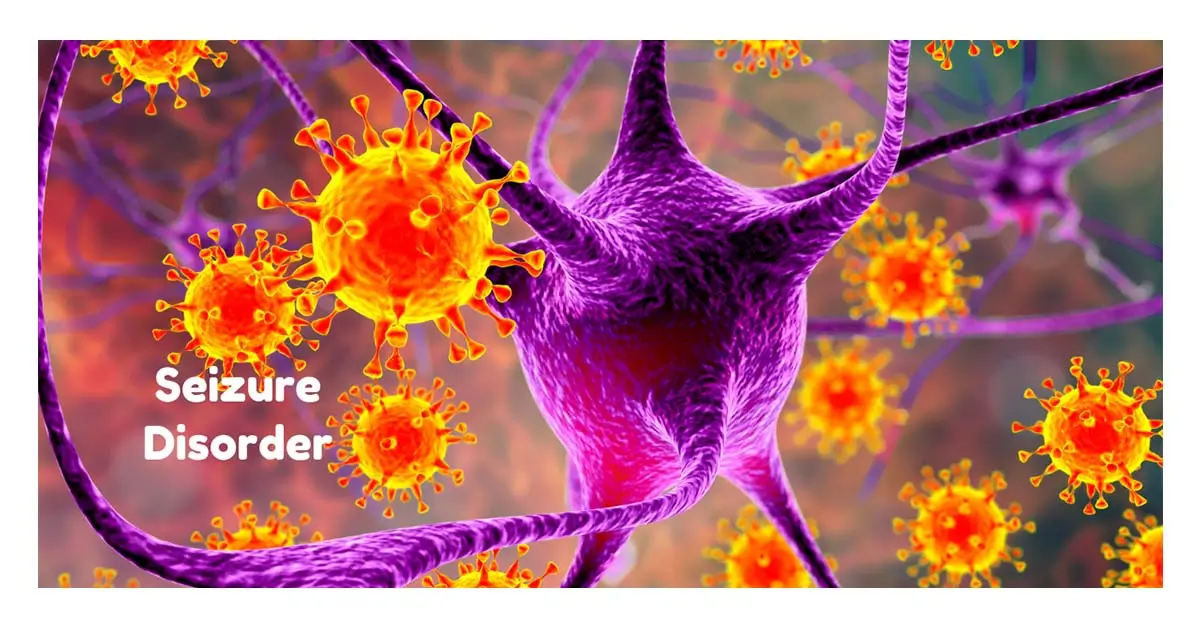
A seizure disorder involves recurring seizures caused by abnormal electrical activity in the brain. Symptoms range from brief staring spells to full-body convulsions. Recognizing these signs helps you respond safely and know when to seek emergency care.
What Is a Seizure Disorder?
Your brain works through tiny electrical signals between nerve cells (neurons). A seizure happens when many neurons fire at once—like an electrical storm in the brain.
A seizure disorder means a person has recurring, unprovoked seizures. Doctors often call this epilepsy. The two terms are closely related:
- One seizure = not epilepsy. It can come from fever, low blood sugar, or head injury.
- Two or more unprovoked seizures = seizure disorder (epilepsy).
Key relationship: Symptoms depend on where the storm starts in the brain and how far it spreads. This is why signs differ so much from person to person.

Main Symptoms at a Glance
Common signs of a seizure include:
- Staring spells with loss of awareness
- Uncontrollable jerking of arms, legs, or face
- Stiffening of the body
- Sudden confusion or “spacing out”
- Strange sensations—smells, tastes, or déjà vu
- Sudden emotions like fear or joy with no clear cause
- Loss of consciousness
- Loss of bladder or bowel control (in severe seizures)
Many seizures look nothing like what movies show. Some are so quiet that others barely notice them.

Symptoms by Seizure Type
Focal Seizures (Start in One Brain Area)
Focal aware seizures—you stay awake and alert:
- Twitching in one hand or one side of the face
- A rising feeling in the stomach
- Sudden smells or tastes that aren’t real
- Déjà vu, fear, or flashes of memory
- Vision changes or dizziness
Focal impaired awareness seizures—you lose focus or awareness:
- Blank stare and no response to your name
- Repetitive movements: lip smacking, chewing, hand rubbing, picking at clothes
- Wandering or walking in circles
- No memory of the episode afterward
Generalized Seizures (Both Sides of the Brain at Once)
| Tonic-clonic (grand mal) | Cry out, fall, body stiffens, then violent shaking; lasts 1–3 minutes |
| Absence (petit mal) | Sudden staring for 5–10 seconds; eyelid fluttering; common in children |
| Myoclonic | Quick muscle twitches in arms or legs; often in the morning |
| Atonic (drop attacks) | Sudden loss of muscle tone; head drops, or person falls |
| Tonic | Muscles suddenly stiffen, often during sleep. |
Warning Signs Before a Seizure (Aura)
Some people feel a seizure coming minutes or seconds before it starts. This early warning is called an aura. In fact, an aura is itself a small focal seizure.
Reported aura symptoms include:
- Strange smell or metallic taste
- “Butterflies” or nausea rising from the stomach
- Fear, panic, or intense déjà vu
- Blurry or spotted vision
- Numbness or tingling in one limb
If you notice a pattern, tell your doctor. Auras help neurologists find where seizures begin in the brain.
What Happens After a Seizure (Postictal Phase)
The minutes after a seizure are called the postictal period. Watch for:
- Confusion that lasts minutes to hours
- Deep sleepiness or fatigue
- Headache and muscle soreness
- Trouble speaking or remembering
This stage is important for caregivers. Until the person is completely awake and focused, stay with them.
Common Triggers
Symptoms often appear after a trigger. Tracking yours can reduce seizure frequency:
- Missed medication (the #1 cause of breakthrough seizures)
- Sleep deprivation
- High stress
- Alcohol or drug withdrawal
- Flashing or flickering lights
- Fever or illness
- Low blood sugar or dehydration
- Hormonal changes
Emergency Symptoms: When to Call 911
Call emergency services right away if:
- The seizure lasts longer than 5 minutes
- A second seizure follows quickly
- The person doesn’t wake up or struggles to breathe afterward
- It’s their first-ever seizure
- They are pregnant, diabetic, or injured
- The seizure happened in water
A seizure lasting over 5 minutes is a medical emergency called status epilepticus. It can cause brain damage if untreated.
How Doctors Diagnose Seizure Disorders
Diagnosis starts with a detailed history. Doctors need to know exactly what happened before, during, and after the seizure.
Video recordings are extremely valuable. If you witness a seizure, try to record it safely with your phone. This helps the neurologist see the movements and behaviors firsthand.
Tests may include:
- EEG (electroencephalogram)—records brain wave patterns
- MRI or CT scan—looks for structural abnormalities in the brain
- Blood tests—rule out other causes like low blood sugar or infections
- Video-EEG monitoring—a longer recording done in a hospital setting
The goal is to confirm the diagnosis, identify the seizure type, and determine if there is an underlying cause that can be treated.
Treatment Basics
Treatment aims to control seizures and improve quality of life.
Anti-seizure medications work for most people. Up to 70% of people with epilepsy can become seizure-free with the right medication. Finding the correct drug and dose sometimes takes time.
Surgery may help when medications fail, and doctors can pinpoint the seizure focus. It is most effective for certain types of focal epilepsy.
Dietary therapy like the ketogenic diet can reduce seizures in some children and adults who do not respond to medication.
Devices such as vagus nerve stimulators (VNS) or responsive neurostimulation (RNS) can help when other treatments are insufficient.
Treatment decisions depend on seizure type, frequency, age, overall health, and personal circumstances.
First Aid in 30 Seconds
If someone has a convulsive seizure:
- Stay calm and stay with them
- Time the seizure
- Turn them gently onto their side
- Put something soft under the head
- Move hard or sharp objects away
- Never hold them down or put anything in their mouth (they cannot swallow their tongue—that’s a myth)
Symptoms in Children
Absence seizures often start between ages 4 and 14. Teachers may notice a child “daydreaming” dozens of times a day. Also note: febrile seizures, seizures triggered by high fever, are common in toddlers. They are scary to watch but usually harmless and don’t always mean epilepsy. Always report them to a pediatrician.
Living Well with a Seizure Disorder
A seizure disorder diagnosis does not mean giving up an active life. With proper management, most people can work, drive, exercise, and participate in normal activities.
Safety considerations:
- Driving—laws vary by location. Most require a seizure-free period before you can resume driving.
- Swimming—never swim alone. A seizure in water is a medical emergency.
- Bathing—a shower is safer than a bath.
- Work—some jobs have restrictions. Talk with your doctor about your specific situation.
- Pregnancy—most women with epilepsy have healthy pregnancies. Preconception planning with a neurologist is important.
Emotional health matters too. Anxiety and depression are more common in people with seizure disorders. Support groups, counseling, and open communication with healthcare providers can help.
Tracking Symptoms Helps Treatment
Good record-keeping gives doctors the information they need to fine-tune treatment.
What to track:
- Date and time of each seizure
- How long it lasted
- What happened before (warning signs, triggers)
- What the seizure looked like
- How you felt afterward
- Any medication changes or missed doses
How to track:
- Use a paper diary
- Download a seizure tracking app
- Ask family members to note observations
- Record video when possible and safe
Patterns emerge over time. Maybe seizures happen more often when sleep is poor. A specific medication may not be working. This information guides better care.
FAQs
Q. How do I manage a seizure?
When someone has a seizure, stay calm and keep them safe. Move objects away to prevent injury, place them on their side to keep the airway clear, and cushion their head.
Time the seizure and stay with them until it ends. Do not put anything in their mouth or try to restrain them. Seek emergency help if the seizure lasts longer than five minutes or if it’s their first seizure.
Q. How do you manage a patient with epilepsy?
Managing epilepsy involves a tailored treatment plan, including medication to control seizures and regular check-ups with a healthcare provider.
Lifestyle changes, such as avoiding seizure triggers, managing stress, and getting adequate sleep, can help. Educating patients and their families about seizure safety and first-aid techniques is essential. In some cases, providers may consider surgical options or alternative therapies.
Q. What is epilepsy: causes, symptoms, and treatment?
Epilepsy is a brain disorder that causes repeated seizures due to unusual electrical activity in the brain. Common causes include brain injury, genetic factors, infections, and developmental disorders.
Symptoms range from mild to severe and can include confusion, loss of consciousness, and uncontrollable movements. Treatment often involves anti-seizure medications, lifestyle modifications, and, in some cases, surgery or alternative therapies to reduce seizure frequency.
Q. What are the leading causes of a seizure?
Seizures can happen for several reasons. Common triggers include brain injuries, genetic factors, infections like meningitis, withdrawal from drugs or alcohol, and imbalances in the body’s metabolism.
Other causes include brain tumors, high fever in young children, or, in some cases, no identifiable cause (idiopathic seizures). Identifying the underlying cause is essential for effective management.
Q. What is the treatment and management of epilepsy?
The treatment and management of epilepsy typically involve anti-seizure medications to control the frequency and intensity of seizures.
For some individuals, surgery, neurostimulation devices, or dietary therapies like the ketogenic diet may be options. Regular monitoring, lifestyle adjustments, and stress management also play significant roles in managing epilepsy and enhancing quality of life.
Q. How to prevent seizure disorder?
While some causes of seizure disorders cannot be prevented, specific lifestyle changes can reduce seizure risk.
These include avoiding head injuries, managing chronic illnesses, practicing healthy sleep habits, and limiting alcohol and drug use. Regular medical check-ups, particularly for those with a family history of seizures, can aid in early detection and treatment.
Q: Can seizure disorder affect my daily life?
Seizure disorder can affect your daily life, but with the proper treatment, many people with the disorder can manage their symptoms effectively.
Work with your healthcare provider to develop a treatment plan that works for you and make any necessary lifestyle adjustments to manage the condition.
When to See a Doctor
Seek medical attention if:
- You have a first-time seizure
- Seizures become more frequent or severe
- Side effects from medication interfere with daily life
- You experience new symptoms like weakness or confusion
- You are pregnant or planning pregnancy
- You feel depressed, anxious, or overwhelmed
Early diagnosis and consistent treatment make a significant difference. Most people with seizure disorders can achieve good control and live full, active lives.
Next Steps
If you or someone you know experiences seizures:
- See a neurologist for proper evaluation and diagnosis.
- Learn seizure first aid through free training from the Epilepsy Foundation.
- Track symptoms and triggers in a diary or app.
- Take medications consistently as prescribed.
- Communicate openly with your healthcare team about side effects, concerns, and goals.
Bottom line: Seizure symptoms vary widely. Knowing what to look for, how to respond safely, and when to get help makes a real difference for everyone involved.
This article is for information only and does not replace professional medical advice. Reviewed against guidance from the CDC, WHO, NINDS, and the Epilepsy Foundation.
Read more articles about health & fitness.