

Learn how to navigate the future of self-improvement with practical self-improvement strategies that strengthen your habits, skills, health, resilience, relationships, and adaptability.
Whether you want to advance your career, improve your well-being, or become more confident in a changing world, meaningful progress starts with small actions you can sustain.
Self-improvement in 2026 is not about becoming a completely different person. It is about understanding what matters to you, building useful habits, learning continuously, protecting your well-being, and adapting when circumstances change.
How to Navigate the Future of Self-Improvement

Navigating the future requires more than setting ambitious goals. The world of work, technology, health information, relationships, and daily life keeps changing, so your ability to learn, adapt, and make intentional choices matters as much as your current skills.
A practical approach to self-improvement combines personal goals with habits that support physical health, emotional well-being, learning, relationships, and resilience.
You do not need to improve everything at once. Choose one meaningful area, establish a realistic routine, measure your progress, and adjust as you learn what works for you.
Understanding Self-Improvement
Self-improvement is an ongoing process of developing your skills, habits, knowledge, emotional awareness, health behaviors, and ability to respond to life’s challenges.
It is broader than productivity.
For one person, self-improvement may mean developing better communication skills. For another, it may mean becoming more physically active, managing stress more effectively, learning a new skill, improving sleep habits, or building healthier relationships.
The most useful approach is intentional, not perfectionistic. You do not have to optimize every part of your life.
Instead, ask:
- What matters most to me right now?
- What is currently holding me back?
- Which habit would make the biggest difference?
- What skill will remain useful as circumstances change?
- What can I realistically improve over the next 30 days?
These questions turn self-improvement from a vague idea into an actionable process.
Setting Clear Goals for Self-Improvement
Clear goals give your efforts direction.
Instead of saying, “I want to improve my health,” define what improvement means in practical terms. You might decide to walk for 20 minutes five days a week, set a consistent bedtime, or prepare more balanced meals at home.
A useful goal should be specific enough to guide your behavior but flexible enough to survive real life.
Try connecting each goal to four elements:
- What do I want to accomplish?
- Why does it matter to me?
- What action will I take regularly?
- How will I know I am making progress?
Avoid setting too many major goals simultaneously. A long list can create pressure without producing meaningful action.
Choose one or two priorities and build from there.
Building Positive Habits
Your daily habits often affect long-term progress more than occasional bursts of motivation.
A positive habit does not need to be complicated. It might involve taking a short walk after dinner, preparing tomorrow’s priorities before bed, reading for 10 minutes, drinking more water, or spending a few minutes reflecting on the day.
Start small enough that the behavior feels manageable.
For example:
Instead of “I will exercise every day for an hour.”
Try: “I will walk for 15 minutes after work three days this week.”
Once the behavior becomes familiar, you can gradually increase it.
Consistency matters, but perfection does not. Missing one day does not erase your progress. The key is returning to the routine rather than letting one setback become a long break.
Embracing Continuous Learning
Continuous learning is one of the most valuable ways to prepare for an uncertain future.
Technology changes quickly, and skills that are useful today may evolve tomorrow. Developing the ability to learn new things can therefore be more valuable than relying entirely on what you already know.
Learning can take many forms:
- Online courses
- Books and credible articles
- Professional training
- Workshops
- Podcasts and educational videos
- Mentorship
- Practical projects
- Self-directed study
You can also use modern AI tools as learning assistants. They can help explain difficult concepts, generate practice questions, organize notes, or provide different examples. However, you should still check important information against reliable sources.
The goal is not to consume information endlessly.
Learn → practice → apply → review.
Applying what you learn is what turns information into a useful skill.
Developing Emotional Intelligence
Emotional intelligence involves recognizing emotions, understanding how they influence behavior, managing reactions, and responding effectively to other people.
These skills can improve both personal and professional relationships.
Start with self-awareness. When you feel angry, anxious, disappointed, or overwhelmed, pause before reacting and ask:
“What am I feeling, and what triggered it?”
Then consider what response would actually help.
Emotional intelligence also involves listening. Instead of immediately preparing your response while someone else is speaking, try to understand what they are actually communicating.
Useful skills include:
- Active listening
- Self-awareness
- Empathy
- Emotional regulation
- Clear communication
- Conflict management
- Setting healthy boundaries
Emotional intelligence does not mean suppressing difficult emotions. It means learning to recognize them and respond in ways that support your values and long-term goals.
Maintaining Physical Well-being for Self-Improvement
Physical well-being supports your ability to work, learn, concentrate, and participate in everyday life.
Regular physical activity, nutritious food, sufficient sleep, and routine health care all contribute to overall well-being.
You do not need an extreme fitness program.
Start with practical behaviors you can maintain:
- Move regularly throughout the day.
- Include a variety of nutritious foods in your meals.
- When possible, maintain a consistent sleep routine.
- Take breaks from prolonged sitting.
- Drink enough fluids according to your individual needs.
- Follow appropriate preventive healthcare recommendations.
Physical health and self-improvement are connected because it is harder to pursue personal goals when you continually neglect basic health needs.
If you have a medical condition, take medication, are pregnant, or have specific exercise or dietary restrictions, seek individualized advice from an appropriate healthcare professional.
Cultivating Resilience
Resilience is the ability to adapt and continue functioning through challenges, setbacks, and periods of uncertainty.
Being resilient does not mean pretending that everything is fine. It means acknowledging difficulty while finding healthy ways to respond.
You can strengthen resilience by:
- Maintaining supportive relationships
- Breaking problems into manageable steps
- Learning from setbacks
- Keeping realistic expectations
- Maintaining healthy routines
- Asking for help when needed
- Focusing on what you can control
Resilience can also involve changing how you interpret setbacks.
A failed application does not necessarily mean you lack ability. It may reveal a skill that needs development, a strategy that needs changing, or circumstances that were outside your control.
At the same time, avoid turning every hardship into a motivational lesson. Some experiences are genuinely painful. Giving yourself time to recover is part of resilience, too.
Practicing Mindfulness and Meditation
Mindfulness involves deliberately paying attention to the present moment without immediately judging the experience.
Meditation is one way to practice mindfulness, but you can also incorporate it into ordinary activities such as walking, eating, or breathing.
A simple practice can take only a few minutes:
- Sit comfortably.
- Bring your attention to your breathing.
- Notice when your mind wanders.
- Gently return your attention to your breath.
- Continue without judging yourself.
The goal is not to empty your mind completely.
Instead, mindfulness can help you become more aware of thoughts, feelings, and sensations before automatically reacting to them.
If meditation feels uncomfortable or increases distress, stop and consider another well-being practice or seek professional guidance if needed.
You can also explore related strategies for finding inner peace as part of a broader approach to mental well-being.
Seeking Personal Growth Opportunities

Personal growth often happens when you do something slightly outside your usual routine.
That does not mean deliberately making yourself uncomfortable all the time. It means being willing to learn, experiment, and take reasonable challenges.
You might:
- Learn a new language.
- Take a course.
- Join a community group.
- Start a creative project.
- Volunteer.
- Learn a practical skill.
- Speak in front of a group.
- Take on a new responsibility at work.
Before saying yes to every opportunity, ask whether it supports your values and priorities.
Growth is not about collecting experiences. It is about becoming more capable, knowledgeable, self-aware, and adaptable through meaningful experiences.
Building Supportive Relationships for Self-Improvement
Personal growth does not happen in isolation.
Supportive relationships can provide encouragement, perspective, accountability, companionship, and practical help during difficult periods.
Invest in relationships built on respect and mutual communication.
You can strengthen relationships by:
- Listening without immediately judging.
- Checking in regularly.
- Expressing appreciation.
- Respecting boundaries.
- Offering support when appropriate.
- Asking for help when you need it.
- Making time for meaningful conversations.
Mentors, colleagues, friends, family members, teachers, and professional communities can all contribute to personal development.
At the same time, healthy relationships require boundaries. You don’t need to maintain every relationship just because it’s been around for a long time.
Managing Time Effectively
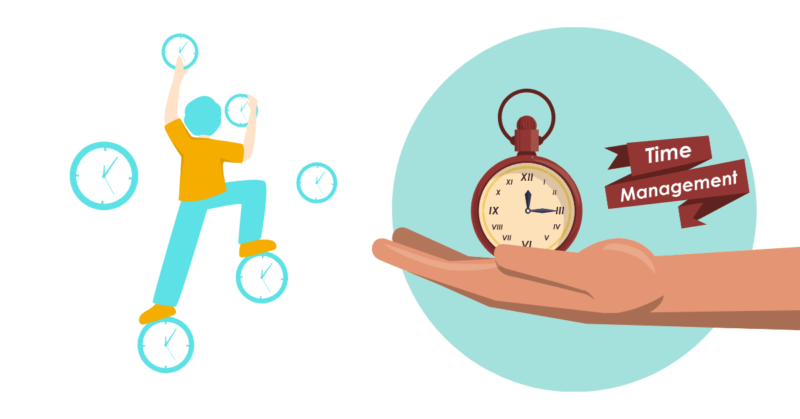
Time management is less about filling every minute and more about deciding what deserves your attention.
Start by identifying your most important tasks rather than treating everything as equally urgent.
A simple daily system is
Priority 1: The task that matters most.
Priority 2: An important supporting task.
Priority 3: A smaller task that can realistically be completed.
Then schedule time for rest.
Useful strategies include:
- Breaking large projects into smaller actions.
- Turning off unnecessary notifications.
- Grouping similar tasks.
- Using a calendar or task manager.
- Creating boundaries around work time.
- Scheduling breaks.
- Leaving some flexibility for unexpected events.
Being busy is not the same as being productive.
Effective time management should help you make progress without sacrificing sleep, relationships, recovery, or health.
Overcoming Self-Limiting Beliefs
Self-limiting beliefs are thoughts that can restrict how you see your abilities or possibilities.
Examples include:
- “I am not capable of learning this.”
- “I always fail.”
- “It is too late for me to change.”
- “Other people are naturally better than me.”
Instead of accepting these statements as facts, examine the evidence.
Ask:
“Is this always true?”
“What evidence supports this belief?”
“What would I tell a friend who said the same thing?”
Then replace absolute thinking with a more accurate statement.
Instead of:
“I cannot do this.”
Try:
“I do not know how to do this yet, but I can learn the next step.”
This isn’t about pretending every challenge is easy. It is about replacing fixed conclusions with realistic possibilities.
If persistent negative thoughts, anxiety, low mood, or other emotional difficulties interfere with daily life, consider speaking with a qualified mental health professional rather than trying to solve everything through positive thinking alone.
Staying Flexible and Adaptable
For example, if a goal is not working, do not immediately conclude that you lack discipline.
Ask:
- Was the goal realistic?
- Was the timing appropriate?
- Was the habit too difficult?
- Did my circumstances change?
- What could I modify?
Flexibility doesn’t mean abandoning your values every time something gets difficult. It means changing your strategy while keeping your deeper priorities in view.
Conclusion on the Future of Self-improvement
Navigating the future requires more than predicting what will happen. It requires developing the skills and habits that help you respond when circumstances change.
Self-improvement can begin with simple actions: set clear goals, build sustainable habits, keep learning, protect your physical and emotional well-being, strengthen relationships, manage your time, and remain adaptable.
You do not need to transform your entire life in one month.
Choose one area that matters most. Take one practical step. Review your progress. Then build from there.
The future will not always be predictable, but you can become better prepared to meet it.
Self-improvement is not about becoming perfect. It is about becoming more intentional, capable, resilient, and aligned with the life you want to build.
FAQs on the Future of Self-Improvement
Q. How do you level up your life in 2026?
Start by choosing one or two areas that genuinely need improvement rather than trying to change everything at once. Set clear goals, build sustainable habits, keep learning, protect your health, strengthen relationships, and use technology thoughtfully.
The biggest improvement usually comes from consistent actions repeated over time, not dramatic changes made for a few days.
Q. How can I become my best self?
Becoming your best self starts with knowing your values and deciding what kind of person you want to become. Set meaningful goals, develop useful habits, take care of your health, learn continuously, and build supportive relationships.
Do not measure your progress only against other people. Compare your current behavior with the person you are trying to become.
Q. How can I improve myself every day?
Choose one small action you can repeat consistently. You might read for 10 minutes, take a walk, organize your priorities, practice a skill, write in a journal, or spend a few minutes reflecting on your day.
At the end of each day, ask, “What went well?” What did I learn? And what can I do differently tomorrow?
Q. How can I change myself mentally?
Mental growth begins with self-awareness. Pay attention to your thoughts, emotional reactions, habits, and patterns without judging yourself right away.
Mindfulness, reflection, healthy routines, learning, supportive relationships, and professional counseling can all help. If persistent emotional difficulties interfere with your daily life, consider seeking help from a qualified mental health professional.
Q. How do I start leveling up in life?
Start with clarity rather than motivation. Identify what you want to improve, why it matters, and what small action you can take this week.
Then create a simple routine, track your progress, and adjust when necessary. You do not need a perfect five-year plan to make meaningful progress.
Q. How do I set up my life for the future?
Build flexibility into your life. Build flexibility into your life.
Instead of trying to predict every future change, develop the ability to adapt when change happens.
Q. What does it mean to level yourself up?
“Leveling yourself up” is an informal way of describing personal development. It means intentionally improving areas such as skills, health, emotional awareness, relationships, confidence, knowledge, or career readiness.
It does not mean becoming perfect or constantly chasing productivity. Meaningful self-improvement should help you build a healthier, more capable, and more purposeful life.
Read more articles on healthy tips.
You might like reading: