

Healthy aging for night shift workers is entirely possible when you commit to simple, consistent habits that counteract circadian disruption.
The most powerful strategies include prioritizing quality daytime sleep, following an anti-inflammatory diet, staying physically active, protecting your cardiovascular and cognitive health, managing stress, maintaining strong social connections, and getting regular medical checkups.
Because night-shift work accelerates cellular aging and increases the risk of chronic diseases, your daily choices matter more than ever. Small, consistent actions, starting today, can dramatically improve your longevity, energy, and quality of life for decades to come.

Healthy Aging for Night Shift Workers: Simple Habits That Protect Your Future
One of the hardest lifestyles you can pick is working nights. The long-term health effects are just as substantial as the salary and professional advantages.
Long-term night shift employment boosts inflammation, speeds up cellular aging, and increases the risk of heart disease, diabetes, cognitive decline, and numerous malignancies, according to research from the World Health Organization (WHO) and the National Institutes of Health (NIH).
But here is the empowering truth: you have far more control over your long-term health than you might think. Healthy aging for night shift workers is not about perfection—it is about consistent, science-backed habits that protect your body and mind over decades.
In this guide, you will discover simple, sustainable habits that counteract the aging effects of shift work, boost your longevity, and help you thrive at every stage of your career. Whether you are just starting or have worked nights for years, these strategies can meaningfully improve your future health.
Why Night Shift Work Accelerates Aging

Your body is biologically wired to sleep at night and be active during the day. When you invert that schedule, nearly every system experiences stress. Your sleep quality drops, hormones become imbalanced, digestion slows, and oxidative damage accumulates.
You may notice early signs such as premature wrinkles, weight gain, brain fog, or a reduced immune system, even in your 30s or 40s. Over time, these changes contribute to serious health issues if left unaddressed.
How Night Shift Work Affects Aging:
Night shift work accelerates aging by disrupting the circadian rhythm, reducing melatonin production, increasing chronic inflammation, elevating cortisol levels, and impairing cellular repair. Long-term shift workers face higher risks of cardiovascular disease, metabolic syndrome, cognitive decline, and shortened telomeres—a key marker of biological aging.
- Reduces sleep quality and quantity
- Increases systemic inflammation
- Elevates stress hormones
- Disrupts hormone regulation
- Accelerates cellular aging
Understanding the Long-Term Effects of Shift Work
Circadian disruption occurs when your internal body clock is misaligned with your daily schedule. Over years of night shifts, this misalignment leads to measurable biological aging, including shorter telomeres (the protective caps on DNA), increased oxidative stress, and reduced mitochondrial function.
Research from Harvard Medical School shows that shift workers with 10+ years of night shifts have significantly higher rates of chronic disease than those who work standard hours. However, the same research shows that lifestyle habits can dramatically offset these risks.
Your goal should be to build a foundation of habits that support your body’s natural repair systems—so you can enjoy strength, energy, and mental clarity well into later life.

Habit 1: Prioritize Deep, Quality Sleep
Sleep is the single most important factor in healthy aging for night shift workers. During deep sleep, your body repairs cells, clears inflammation, and produces growth hormones essential for tissue regeneration.
Easy routines to improve your sleep during the day:
- For complete darkness, use blackout curtains and wear a sleep mask.
- Keep your bedroom cool (60–67°F) and quiet with white noise if needed.
- Follow the same wind-down routine every day, even on days off.
- Steer clear of blue light and screens one to two hours before bed.
- Consider low-dose melatonin (0.5–3 mg) when needed, with medical guidance.
You should consider treating sleep as sacred—your future health depends on it more than any other single factor.
Habit 2: Follow an Anti-Inflammatory Diet
What you eat directly impacts your rate of aging. Much of the cellular damage caused by shift work can be mitigated by an anti-inflammatory diet rich in whole foods.
Comparison Table: Foods That Promote vs. Prevent Aging
| Aging-Accelerating Foods | Aging-Protective Foods |
| Processed meats | Fatty fish (salmon, sardines) |
| Refined sugar | Berries and colorful fruits |
| White bread and pasta | Whole grains (quinoa, oats) |
| Fried foods | Nuts and seeds |
| Sugary drinks | Green tea and water |
| Artificial trans fats | Olive oil and avocado |
| Excess alcohol | Leafy greens |
| Ultra-processed snacks | Legumes and beans |
You can improve your long-term health dramatically by shifting your plate toward more colorful, whole, plant-forward foods.
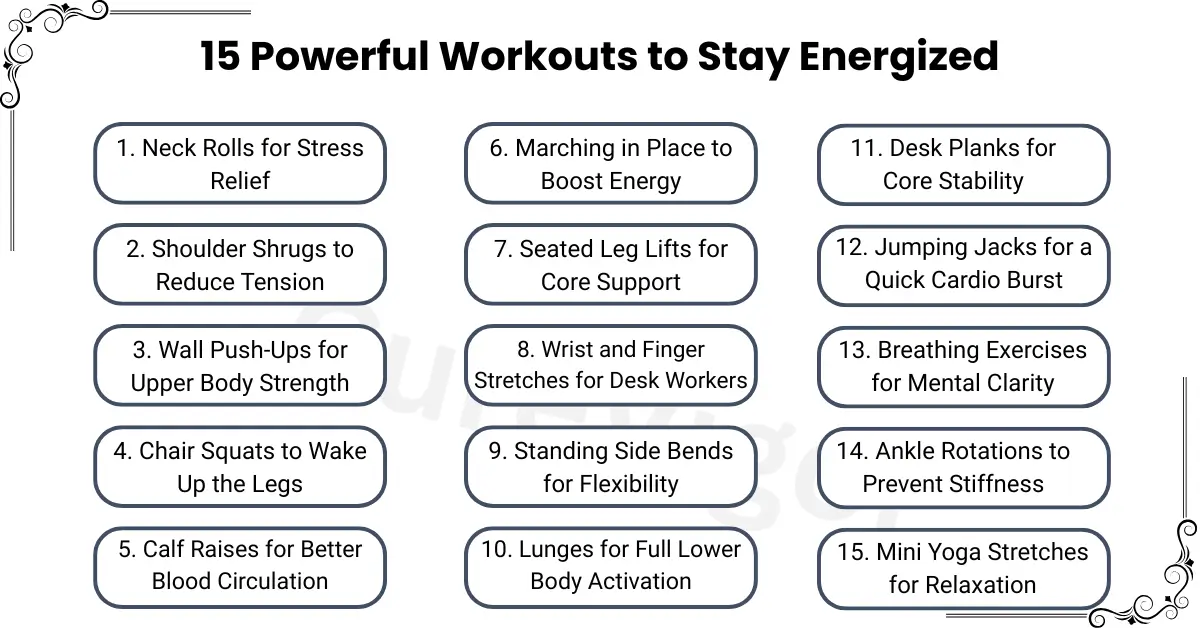
Habit 3: Move Your Body Daily
One of the most effective anti-aging strategies is regular exercise. Exercise preserves muscular mass, increases brain function, strengthens the heart, and elevates mood.
The Ideal Workout Program for Night Shift Workers:
Strength training, aerobic exercise, and flexibility exercises spread out throughout the week make up the ideal workout regimen for night shift workers.
Aim for two to three strength exercises and 150 minutes of moderate cardio each week, avoiding the three hours prior to your primary sleep period. Intensity is not as important as consistency.
- To maintain bone density and muscular mass, engage in strength training two to three times a week.
- Moderate cardio (walking, cycling, swimming) for 20–30 minutes most days.
- Yoga or stretching 2–3 times per week for flexibility and stress relief.
- Daily movement—short walks, taking stairs, and standing breaks.
- Recovery days for gentle activity only, with a priority on sleep and hydration.
- Reduces cardiovascular risk
- Maintains healthy weight
- Supports cognitive function
- Improves mood and energy
- Strengthens bones and joints
Habit 4: Protect Your Heart Health
One of the main concerns for long-term shift workers is cardiovascular disease. This danger can be greatly decreased by adopting simple habits.
Heart-protective practices to adhere to:
- Every year, have your cholesterol and blood pressure examined.
- For omega-3 fatty acids, eat fatty fish two to three times a week.
- Consume soluble fiber every day, such as apples, beans, and oats.
- Limit sodium and processed foods.
- Manage stress with breathwork or meditation.
- Do at least 150 minutes of moderate cardio weekly.
- Avoid smoking and limit alcohol.
You may notice that when you consistently protect your heart, you also experience better energy, sharper thinking, and improved mood.

Habit 5: Preserve Your Brain Health
Cognitive decline is a real concern for long-term shift workers. Fortunately, brain-protective habits are simple and effective.
Brain-protective strategies for shift workers:
- Prioritize quality sleep (the brain clears toxins during deep sleep).
- Eat brain-healthy foods: berries, walnuts, fatty fish, and leafy greens.
- Stay mentally active with reading, puzzles, or learning new skills.
- Maintain strong social connections.
- Manage stress through mindfulness or breathwork.
- Limit alcohol and avoid smoking.
- Consider Mediterranean or MIND diet principles.
Your goal should be to challenge your mind daily and protect the sleep your brain needs to repair itself.
Habit 6: Manage Stress Consciously
Chronic stress accelerates aging by keeping cortisol elevated, damaging cells, and impairing repair. Night shift work naturally elevates stress, so proactive management is essential.
Simple stress-reduction habits:
- Practice 5 minutes of deep breathing before or after your shift.
- Take short walks in nature on recovery days.
- To change your outlook, keep a thankfulness diary.
- Try guided meditation apps for consistent practice.
- Set boundaries with work and personal life.
- Prioritize hobbies that bring you joy.
You should consider that stress management is not a luxury—it is a critical component of healthy aging for night shift workers.
Habit 7: Stay Socially Connected
Loneliness and social isolation are strong predictors of accelerated aging and reduced longevity. Night shift schedules can make socializing difficult, but strong relationships are essential.
Easy methods to keep in touch:
- Arrange frequent phone conversations or get-togethers with loved ones.
- Enroll in exercise programs or hobby clubs that meet on your days off.
- Be honest about your schedule with loved ones.
- Give quality time more importance than quantity.
- Take into account internet forums for other shift workers.
You can significantly improve your longevity and happiness by maintaining meaningful relationships despite your busy schedule.
Habit 8: Support Your Immune System
Chronic sleep deprivation weakens immunity, making shift workers more prone to illness. Strong immunity is essential for healthy aging.
Immune-boosting habits to build:
- Prioritize 7–9 hours of quality daytime sleep.
- Eat immune-supporting foods: citrus, garlic, ginger, and mushrooms.
- Take vitamin D3 if bloodwork shows deficiency.
- Stay hydrated throughout your shifts and days off.
- Manage stress consistently.
- Wash hands regularly and get recommended vaccines.
Habit 9: Get Regular Medical Checkups
Prevention is far more powerful than treatment. Regular medical checkups catch issues early when they are most treatable.
Recommended health screenings for shift workers:
Comparison Table: Essential Health Screenings by Age
| Age Range | Key Screenings |
| 20s–30s | Annual physical, blood pressure, cholesterol, mental health check |
| 30s–40s | Add glucose/diabetes screening, thyroid function, vitamin D |
| 40s–50s | Add cardiovascular screening and cancer screenings (colonoscopy at 45+). |
| 50s+ | Add bone density, cognitive assessment, comprehensive cardiac workup |
You should consider discussing your shift work schedule with your doctor; they can recommend targeted screenings based on your specific risks.
Habit 10: Practice Preventive Self-Care
Long-term wellness requires proactive self-care habits that address the specific stresses of shift work.
Simple preventive habits to add:
- Take breaks during your shifts to stretch and reset.
- Wear blue-light blocking glasses during late shifts.
- Use supportive footwear to prevent joint issues.
- Practice good posture, especially during long shifts.
- Address minor aches before they become chronic issues.
- Schedule regular massages or physical therapy if needed.
You may notice that small preventive actions dramatically reduce the physical wear and tear of years of shift work.
Common Aging-Accelerating Mistakes Shift Workers Make
- Relying on caffeine and sugar to power through fatigue
- Skipping medical checkups because of scheduling difficulties
- Ignoring warning signs like chronic fatigue, weight gain, or mood changes
- Isolating socially due to inconvenient hours
- Failing to prioritize quality daytime sleep
- Neglecting physical activity and stretching
- Consuming heavy meals in the middle of the night
You can improve your long-term outcomes by addressing even two or three of these mistakes.
Healthy Aging for Night Shift Workers Checklist
Use this practical checklist to build simple habits that protect your long-term health as a night shift worker. Check off each item as you incorporate it into your lifestyle.
Sleep and Recovery Foundation
- Install blackout curtains for total darkness during your daytime sleep.
- Keep your bedroom temperature between 60 and 67°F.
- Follow a consistent wind-down routine before every sleep period.
- After every shift, try to get between seven and nine hours of good sleep.
- Use white noise or earplugs to block daytime disturbances.
Anti-Inflammatory Nutrition Habits
- Incorporate leafy greens, fatty salmon, and berries into your weekly meals.
- Add turmeric, ginger, and garlic to your cooking.
- Limit processed foods, refined sugar, and trans fats.
- Drink 3–4 liters of water daily with electrolytes when needed.
- Prepare healthy meals in advance for your shift days.
Regular Physical Activity
- Do strength training 2–3 times per week.
- Include 150 minutes of moderate cardio weekly.
- Add yoga or stretching to improve flexibility and relieve stress.
- Take short walks during your breaks and days off.
- Avoid intense workouts within 3 hours of your sleep.
Heart and Brain Protection
- Get annual blood pressure and cholesterol screenings.
- Eat brain-healthy foods like walnuts, berries, and leafy greens.
- Challenge your mind with reading, puzzles, or learning new skills.
- Take omega-3s or fatty fish 2–3 times weekly.
- Practice daily stress-reduction techniques.
Stress Management and Emotional Health
- Practice 5 minutes of deep breathing before or after your shifts.
- Keep a gratitude journal for perspective and calm.
- Take short nature walks on recovery days.
- Use meditation or mindfulness apps consistently.
- Set clear boundaries with work and personal time.
Social Connection Habits
- Schedule regular calls with family and friends.
- Join hobby groups or fitness classes on days off.
- Openly discuss your schedule with those you love.
- Engage in online communities of other shift workers.
- Prioritize meaningful, quality time with the people you love.
Preventive Medical Care
- Schedule annual physical exams.
- Track blood pressure, cholesterol, and blood sugar yearly.
- Discuss your shift schedule with your doctor for targeted advice.
- Follow age-appropriate cancer and health screenings.
- Check vitamin D and B12 levels regularly.
Long-Term Lifestyle Habits
- Avoid smoking and limit alcohol consumption.
- Practice good posture and use supportive footwear.
- Track sleep, mood, and energy patterns monthly.
- Reassess and adjust your habits every 3 months.
- Celebrate small wins and progress along the way.
Quick Tip: Healthy aging for night-shift workers is built on consistent, small habits, not perfection. When you combine quality sleep, nourishing food, regular movement, stress management, and preventive care, you give yourself the best chance to enjoy vibrant health for decades to come.
Key Takeaways
- Night shift work accelerates aging through circadian disruption, inflammation, and cellular stress.
- Healthy aging for night shift workers depends on consistent, science-backed daily habits.
- Prioritize quality sleep, anti-inflammatory nutrition, regular exercise, and stress management.
- Protect your heart and brain through diet, activity, and preventive screenings.
- Maintain strong social connections and support your immune system.
- Small, consistent actions create significant long-term health protection.
- Work with your healthcare provider to tailor prevention strategies to your unique needs.
FAQ on Simple Habits for Healthy Aging
What is healthy aging, and why does it matter?
The process of building and preserving the social, mental, and physical functioning abilities necessary for independence and well-being in later life is known as “healthy aging.”
It matters because it helps people maintain their autonomy, prevent chronic illness, and improve overall life satisfaction. Its core dimensions are physical well-being, mental and cognitive health, and social connection.
Why It Matters
- Preserves Independence: Reduces reliance on others for daily basic needs.
- Enhances Quality of Life: Promotes happiness, mental peace, and active daily participation.
- Lowers Healthcare Costs: Proactive habits delay or mitigate the onset of severe age-related illnesses.
Q. Does working night shifts really age you faster?
Yes, working night shifts can accelerate biological aging when practiced long-term without protective habits.
Research shows that chronic circadian disruption shortens telomeres (protective DNA caps), increases inflammation, elevates cortisol, and impairs cellular repair. Long-term night shift workers face higher risks of cardiovascular disease, metabolic syndrome, cognitive decline, and certain cancers.
However, aging is not solely determined by shift work; your daily habits, diet, sleep quality, exercise, and stress management play equally important roles. With consistent healthy habits, you can significantly offset the aging effects of night shift work and enjoy vibrant health for decades.
Q. What are the most important habits for healthy aging as a night shift worker?
The most important habits for healthy aging as a night shift worker are prioritizing quality sleep, following an anti-inflammatory diet, exercising regularly, managing stress, and getting preventive medical care.
Quality daytime sleep in a dark, cool bedroom is your foundation because it allows cellular repair and hormone balance. Eating whole, colorful foods rich in antioxidants protects against inflammation. Regular exercise, combining strength, cardio, and flexibility, maintains muscle mass, cardiovascular health, and cognitive function.
Managing stress through breathwork, meditation, or hobbies protects your heart and brain. Regular medical checkups catch issues early. Together, these habits form a powerful defense against premature aging.
Q. Can shift workers reverse the aging effects of years of night shifts?
Yes, shift workers can meaningfully reverse many aging effects through consistent lifestyle changes, though not all damage is fully reversible.
Research shows that improving sleep quality, adopting anti-inflammatory nutrition, exercising regularly, and reducing stress can lower inflammation markers, improve cardiovascular health, and enhance cognitive function within months.
Some studies indicate that lifestyle changes can even lengthen telomeres over time. While years of night shifts leave lasting effects, your body has remarkable regenerative capacity. Start with one or two habits, build consistency, and add more over time.
Even small improvements in sleep, diet, and activity produce measurable health benefits.
Q. What foods best support healthy aging for night shift workers?
The foods that best support healthy aging for night shift workers are those rich in antioxidants, omega-3 fatty acids, and phytonutrients.
Focus on fatty fish (salmon, sardines), berries, leafy greens, nuts and seeds, olive oil, avocado, cruciferous vegetables (broccoli, cauliflower), legumes, whole grains, turmeric, and green tea. These foods fight inflammation, protect cellular health, and support brain and heart function.
Avoid ultra-processed foods, refined sugars, trans fats, and excessive alcohol. Longer lifespans and a lower risk of chronic illness have been repeatedly associated with eating a Mediterranean-style diet. Meal preparation makes healthy eating realistic even on demanding shift schedules.
Q. How can night shift workers protect their heart health in the long term?
By combining regular exercise, an anti-inflammatory diet, stress reduction, restful sleep, and preventive medical treatment, night shift workers can safeguard their heart health over time.
Aim for two to three strength sessions each week in addition to 150 minutes of moderate cardio. Eat soluble fiber every day, avoid processed foods and sodium, and obtain your omega-3 fatty acids from fatty fish two or three times a week.
Every day, engage in stress-relieving practices like meditation or deep breathing. Make it a priority to sleep for seven to nine hours in a cool, dark place. Every year, get your blood sugar, cholesterol, and blood pressure checked.
Cut back on booze and give up smoking. Strong cardiovascular protection is provided by consistent conduct.
Q. What exercises are best for aging night shift workers?
The best exercises for aging night shift workers combine strength training, moderate cardio, and flexibility work. Two to three times a week of strength training helps maintain bone density, muscle mass, and metabolic health, all of which are essential for healthy aging.
Cardiovascular exercise (walking, swimming, cycling, and dancing) protects your heart and brain. Yoga, Pilates, and stretching improve flexibility, balance, and stress resilience. Start with what feels manageable and gradually increase intensity.
Time workouts to avoid the 3 hours before your primary sleep period. Even short daily walks provide meaningful benefits. Consistency matters more than intensity; regular movement is one of the most powerful anti-aging tools available.
Q. When should night shift workers see a doctor about aging concerns?
Night shift workers should see a doctor for annual checkups regardless of symptoms and immediately if they notice unusual fatigue, weight changes, sleep issues, mood changes, or cognitive concerns.
Discuss your shift work schedule with your provider so they can recommend targeted screenings. Common concerns include cardiovascular risk, diabetes, thyroid dysfunction, vitamin deficiencies (especially D and B12), and mental health.
Ask about additional screenings based on your age, family history, and years of shift work. Early detection dramatically improves outcomes for most conditions.
One of the best investments in your long-term health is developing a relationship with a medical professional who understands the challenges of shift work.
Conclusion
Healthy aging for night shift workers is not about avoiding your career; it is about equipping your body with the tools it needs to thrive despite the unique challenges of your schedule.
The simple habits in this guide. Quality sleep, anti-inflammatory nutrition, regular exercise, stress management, social connection, and preventive care work together to protect your future health.
You cannot always control your work schedule, but you control how you care for your body and mind. Start small: choose one habit from this guide and commit to it consistently for a month.
Then add another. Over time, these small changes create powerful protection against the aging effects of shift work.
Your future self, energetic, sharp, and healthy in your 50s, 60s, and beyond, will thank you for the choices you make today. Take the first step now, and give yourself the gift of a vibrant, long life.
Start protecting your future today. Choose one simple habit from this guide and commit to it for the next 30 days. Your healthiest, most vibrant future begins with the choices you make right now.
Read more about night shift workers’ health.
You might like: