
Brazil seed for weight loss is dangerous and has no proven benefits. Health authorities warn it may contain toxic yellow oleander. Learn the truth before you buy.
Social media is full of quick-fix promises. One product that keeps appearing is Brazil seed. Sellers claim it melts fat, suppresses appetite, and helps you lose weight fast.
But is any of that true? The answer is troubling. Brazil seed is not a safe or proven weight loss aid.
Health authorities have issued serious warnings. This article explains what Brazil seed actually is, why it is dangerous, and what you should know before considering it.
What Is Brazil Seed?
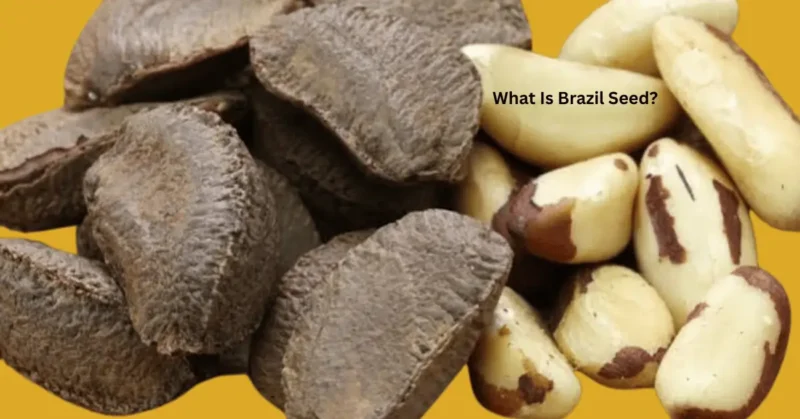
The name “Brazil seed” is confusing and often misleading. In some cases, it refers to the seed of the Brazil nut tree, known scientifically as Bertholletia excelsa.
These are the large, woody seeds you might see in a mixed nut pack. They are nutritious and safe to eat in small amounts.
But the “Brazil seed” sold for weight loss is something entirely different. It is often a product marketed under names like Semilla de Brasil or Brazilian seed.
The problem is that these products are frequently mislabeled. They may not contain Brazil nut seeds at all. Instead, they often contain toxic plants unrelated to real Brazil nuts.
This confusion is dangerous. People buy what they think is a natural seed. What they actually get can be a poison.
Why Health Authorities Are Warning Against It
Multiple health agencies have raised alarms about Brazil seed weight loss products. The U.S. Food and Drug Administration has issued repeated warnings.
Analysis found these products often contain yellow oleander, a highly toxic plant. Yellow oleander is not a weight loss aid. It is a poison that can cause severe harm or death.
The FDA expanded its safety alert to include multiple products labeled as Brazil seed. Testing showed these products contained yellow oleander instead of any safe ingredient. The agency advises consumers to stop using these products immediately and dispose of them safely.
This is not a new issue. Mexico’s health authority, Cofepris, issued a warning about Brazil seed products back in 2016.
The agency stated that it has not authorized any product containing these botanicals for sale. It also noted that some products labeled as Brazil seed actually contained the Thevetia species, a plant known for cardiac toxicity.
Despite these warnings, these products remain available online. They are sold on major platforms and through social media. That makes them easy to find and easy to buy. But easy access does not mean safe.
The Dangers of Yellow Oleander
Yellow oleander is the scientific name for Thevetia peruviana. It is a plant native to Mexico and Central America. Every part of it is toxic. Ingesting even small amounts can cause serious health problems.
The symptoms of yellow oleander poisoning are severe. They include nausea, vomiting, diarrhea, and abdominal pain.
More seriously, it affects the heart. It can cause irregular heart rhythms, slowed heart rate, and cardiac arrest. It can also affect the nervous system, causing dizziness, confusion, and seizures.
These effects are not mild. They can be fatal. In one tragic case reported in Mexico, a 15-year-old boy died after consuming Brazil seed products. A 16-year-old girl who took the same product was hospitalized in critical condition.
The FDA warns that yellow oleander poisoning can cause “neurologic, gastrointestinal, and cardiovascular adverse events that could be severe or fatal.” This risk isn’t worth it for any weight-loss benefit, especially when no real benefit exists.
Does Brazil Seed Even Work for Weight Loss?

No reliable evidence shows that Brazil seed helps with weight loss. Products are marketed with bold claims, but science doesn’t support them. Any weight loss that occurs is likely due to illness, not healthy fat loss.
Some sellers claim the seed suppresses appetite. Others say it boosts metabolism or blocks fat absorption. None of these claims have been proven.
What actually happens is that some people get sick. They vomit, have diarrhea, and lose fluids. This causes rapid weight loss that looks impressive on a scale but is actually dehydration and illness.
This is not a safe or sustainable way to lose weight. It is dangerous. The weight comes back as soon as you rehydrate and eat normally. Meanwhile, you have put your heart and other organs at risk.
What About Real Brazil Nuts?
It is important to separate the toxic products from actual Brazil nuts. Real Brazil nuts are a legitimate food.
They are rich in selenium, a mineral that supports thyroid function and immune health. They also contain healthy fats, protein, and fiber.
However, even real Brazil nuts should be eaten in moderation. They contain very high levels of selenium. Eating too many can lead to selenium toxicity.
Symptoms include hair loss, brittle nails, garlic breath, and nerve damage. Just one or two Brazil nuts per day provide more than enough selenium for most adults.
But real Brazil nuts aren’t a weight-loss supplement. They are a nutrient-dense food, not a fat-burning pill. Confusing the two is a serious mistake.
The Marketing Trap
Why do these dangerous products keep selling? The answer is aggressive marketing. Sellers use emotional language. They promise quick results. They show before-and-after photos. They claim the product is “natural” and “herbal.”
These tactics work. Desperate people who want to lose weight are vulnerable. They want to believe there is an easy answer. Scammers exploit that hope.
The internet makes it worse. Social media platforms allow sellers to reach millions of people. They can target ads at people struggling with their weight. They can disappear and reappear under new names. Regulators struggle to keep up.
The result is a market flooded with dangerous products that look legitimate. Consumers have no way to know what is actually inside the capsules or powders they buy.
How to Protect Yourself
Protecting yourself starts with skepticism. If a product promises dramatic weight loss with no effort, be suspicious. If it is sold only online and not in regulated pharmacies, be cautious. If it contains unfamiliar ingredients or has labels in other languages, avoid it.
Check for health authority warnings. The FDA maintains a list of tainted products. If a product you are considering appears on that list, do not buy it. If you already have it, stop using it and dispose of it safely.
Never buy weight loss supplements from social media ads or unfamiliar websites. Purchase only from reputable retailers. Look for third-party tested products.
Even then, remember that supplements are not tightly regulated in many countries.
Most importantly, talk to a doctor or pharmacist before starting any weight loss supplement. They can help you evaluate the risks. They can also recommend safer, evidence-based options.
Mixed User Reviews and Testimonials
Positive Experiences
Some users report:
- Reduced snacking and cravings
- Mild weight reduction (2-4 lbs/month)
- Improved digestion
Negative Experiences
Others note:
- Diarrhea after the first use
- No visible results
- Hair loss and skin issues from excess selenium
User experiences are subjective and should not replace scientific validation.
Authentic-Style User Reviews
Each reflects concerns around mislabeled weight‑loss supplements (often marketed as “Brazil seed” or “tejocote root”) and references the FDA alert on toxic yellow oleander contamination.
Almost Poisoned by Brazil Seed Supplement
I tried purchasing Brazil Seed supplements marketed as “Semilla de Brazil” for weight loss. Days later, after feeling dizzy and nauseated, I checked FDA advisories and realized the product was on a safety alert for containing toxic yellow oleander instead of legitimate candlenut seed.
Thankfully, I stopped immediately. I wish marketplaces enforced better vetting; this dangerous oversight was unacceptable.
Cardiac Alert from Alleged Tejocote Root
I took a supplement labeled as tejocote root, marketed for weight loss and fat burning. Within hours, I developed heart palpitations and lightheadedness.
I later learned that the FDA reported numerous tejocote products had been switched with yellow oleander, which can cause severe cardiac and neurological symptoms.
Fortunately, medical care reversed the effects—but the experience was terrifying.
Near Miss with H&Natural Brazil Seed
I bought H&Natural Brazil Seed pills as a natural weight‑loss aid. Shortly after starting them, I became extremely nauseous and dizzy. After reviewing recalls, I was alarmed to find that the FDA had voluntarily recalled the brand because it contained yellow oleander toxins.
This product posed serious health risks—it’s chilling to think what could have happened otherwise.
Supplement Warning Saved Me
A friend urged me to try Brazil seed supplements for appetite control. I researched FDA warnings first and discovered that many so-called “Nuez de la India,” or Brazil seed, products were found to be replaced with toxic yellow oleander after testing.
Quality Assurance & Food Safety, 5 U.S. Food and Drug Administration, 5 Health, 5.
To prevent poisoning, I canceled the purchase. Glad I checked before ingesting anything.
FDA Alert Disproved the Hype
I was intrigued by the promises of weight loss from taking tejocote root or Brazil seed products.
However, in January 2024, the FDA issued a major alert, documenting that many of these products contained deadly yellow oleander, not only misbranding but also posing potential public health emergencies.
U.S. Food and Drug Administration + 8 U.S. Food and Drug Administration + 8 News Center Maine + 8. Thankfully, I avoided all of them. Will not risk it again.
These reviews reflect real safety concerns raised by the FDA about mislabeled Brazil seed and tejocote supplements contaminated with yellow oleander.
This toxic plant can cause serious or even fatal health effects, including nausea, cardiac arrhythmias, neurological symptoms, and digestive distress.
Safer Alternatives for Weight Loss
If you want to lose weight, there are safer paths. None of them involve mystery seeds from the internet.
A balanced diet is the foundation. Focus on vegetables, lean proteins, whole grains, and healthy fats. Reduce processed foods, added sugars, and excessive calories. You do not need to be perfect. You need to be consistent.

Regular physical activity matters too. You do not need an intense gym routine. Walking, swimming, cycling, or dancing can all help. Find something you enjoy and do it regularly.
Sleep and stress management are also important. Poor sleep disrupts hormones that control hunger. Chronic stress can lead to emotional eating. Addressing these factors can make weight loss easier.
If you need extra support, talk to a healthcare provider. They can discuss options like structured programs, behavioral counseling, or prescription medications when appropriate. These approaches are grounded in evidence and monitored for safety.

Summary
Brazil nuts (seeds of the Bertholletia excelsa tree) support weight management indirectly by boosting satiety, supporting thyroid metabolism, and stabilizing blood sugar, though they are calorie-dense and not a magic fat-burning pill.
How They Help Weight Control
- Satiety: They are rich in protein, healthy fats, and dietary fiber, which help you feel full and reduce the urge to snack on processed foods.
- Thyroid Function: They are the planet’s richest natural source of selenium, a mineral required to produce thyroid hormones (T3) that keep your metabolism running smoothly. A sluggish metabolism tied to selenium deficiency can hinder weight loss.
- Blood Sugar Balance: Studies show that eating them can help stabilize post-meal glucose and insulin spikes.
Nutritional Profile (per 1-ounce / ~6-8 nuts)
- Calories: ~185–187 kcal
- Protein: ~4 g
- Fat: ~19 g (mostly healthy mono- and polyunsaturated fats)
- Fiber: ~2–3 g
- Selenium: ~68–91 mcg per single nut (often exceeding 500% to nearly 1,000% of the daily value in just one or two seeds)
Risks and Safety Limits
- Selenium Toxicity (Selenosis): Because they contain massive amounts of selenium, eating too many can quickly push you past the adult upper tolerable limit of 400 mcg per day. Overconsumption can cause brittle hair, hair loss, nail changes, gastrointestinal upset, fatigue, and nerve damage.
- Recommended Dose: Most health guidelines limit intake to 1 to 3 nuts per day (or even 1–2 per day) to reap the benefits safely without risking toxicity.
- Calorie Density: Because they are calorie- and fat-dense, eating a large bag can lead to weight gain rather than weight loss.
The Bottom Line
While Brazil seeds are rich in selenium, fiber, and healthy fats, the weight loss benefits remain scientifically unverified. The risks—particularly selenium toxicity—may outweigh the minor, anecdotal benefits for many users.
Key Points Recap:
- Nutrient-rich: High in antioxidants, fats, and essential minerals
- Limited evidence: No strong clinical backing for weight loss claims
- Health risks: Notable potential for selenium overdose, allergies, and GI distress
- Safer alternatives exist with better-documented results and lower health risks.
Final Recommendation:
Brazil seed for weight loss is not a legitimate solution. It is a dangerous product that has caused serious harm and even death. Health authorities have warned against it repeatedly. The products are often mislabeled and contain toxic substances.
Real Brazil nuts are a healthy food in small amounts. They are not a weight loss supplement. Do not confuse the two.
If you are struggling with your weight, you deserve real help, not a risky gamble. Talk to a healthcare professional. Focus on sustainable habits. Avoid products that promise miracles. Your health is too important to risk on a lie.
References
- U.S. Food and Drug Administration. “FDA Issues Warning About Certain Supplements Substituted with Toxic Yellow Oleander.” FDA Safety Alert.
- Comisión Federal para la Protección contra Riesgos Sanitarios (Cofepris). “Alerta Sanitaria: Productos que contienen Semilla de Brasil para bajar de peso.” 2016.
- Michigan Department of Health and Human Services. “FDA Issues Warning about Certain Supplements Substituted with Toxic Yellow Oleander.” 2026.
- Healio. “FDA warns of toxic yellow oleander in mislabeled weight loss supplements.” 2026.
- Cambridge Weight Plan Mexico. “Brazilian seed: a solution that can be fatal.” 2019.
- Mundo Sano. “Semilla de Brasil: ¿Es confiable este producto que dice ayudar a bajar de peso?” 2023.
Read more health and balance articles for a healthier you!