
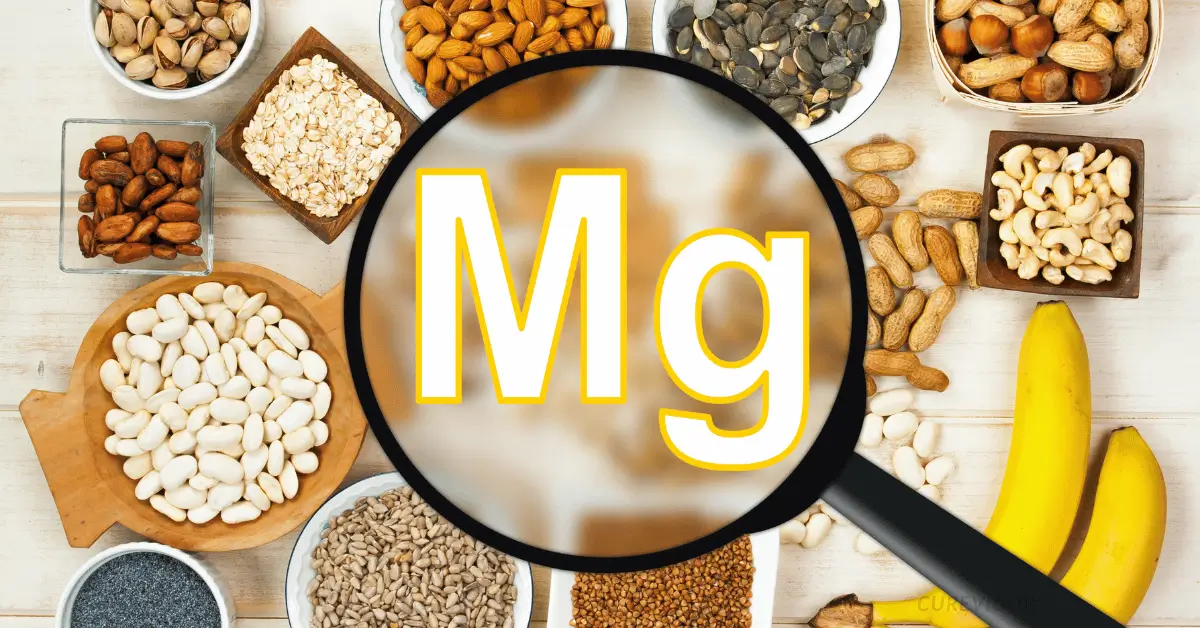
Learn how to Increase Magnesium and Sleep Through Diet. Find out how magnesium-rich foods can improve sleep naturally, especially for night shift workers. Learn the best foods, meal ideas, and practical tips for better rest.
Sleep is the ultimate fuel for a shift worker, but getting it often feels like an uphill battle against biology.
Luckily, your diet is a powerful tool you can use to fight back. Magnesium plays a critical role in regulating the nervous system and calming the brain, yet many of us are deficient without realizing it.
The good news? You don’t need a complicated supplement routine. By strategically adding a few key ingredients to your meals, you can boost your magnesium levels and significantly improve your sleep quality. Here is your guide to eating your way to better rest.
Magnesium and Sleep: How to Get More Through Food
Working through the night can make getting quality sleep feel almost impossible. Even when you finally crawl into bed after a long shift, your mind may still be racing while your body struggles to relax.

You might toss and turn, wake up several times, or sleep for hours without feeling refreshed. If this sounds familiar, your nutrition may be playing a bigger role than you realize.
One nutrient that has gained significant attention for its connection to better sleep is magnesium. Often called the “relaxation mineral,” magnesium supports hundreds of processes inside your body, including muscle relaxation, nerve function, energy production, and healthy sleep regulation.
While magnesium is not a sleeping pill, getting enough through food can help create the right conditions for deeper and more restorative sleep.
For night shift workers, this becomes even more important. Irregular schedules, artificial lighting, stress, caffeine, and disrupted body clocks can all increase the likelihood of poor sleep.
Choosing magnesium-rich foods throughout your day, or rather, your personal schedule, can support your body’s natural recovery process and improve your overall well-being.
This guide explains how magnesium affects sleep, why it matters for shift workers, the best food sources, and practical ways to include more magnesium in your daily meals without relying on supplements.
Can magnesium-rich foods help you sleep better?
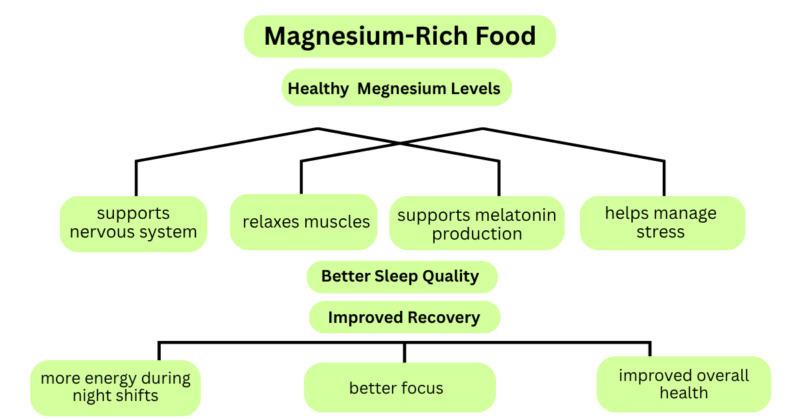
Yes. Magnesium supports healthy nerve function, relaxes muscles, helps regulate melatonin production, and assists the nervous system in preparing your body for sleep. Eating magnesium-rich foods regularly may improve sleep quality, especially when combined with good sleep habits and a balanced diet.
What Is Magnesium?
Magnesium is an essential mineral required for more than 300 biochemical reactions inside your body. Every organ depends on it, particularly your brain, heart, muscles, and nervous system.
Your body cannot produce magnesium on its own. That means you must obtain it through your daily diet.
Magnesium helps:
- Relax muscles
- Support healthy nerves
- Produce energy
- Build bones
- Regulate blood sugar
- Maintain heart rhythm
- Produce proteins
- Support immune function
- Improve sleep quality
Although magnesium is found in many foods, studies suggest that many adults do not consume enough each day. Highly processed foods, poor eating habits, and irregular meal schedules can all contribute to low magnesium intake.
For night shift workers, skipped meals and convenience foods often make this problem even worse.
Why Magnesium Matters for Night Shift Workers
Your internal body clock, known as the circadian rhythm, is naturally designed to keep you awake during daylight and asleep at night. Working overnight challenges this natural rhythm every day.
You may experience:
- Difficulty falling asleep
- Frequent waking
- Daytime fatigue
- Mental fog
- Increased stress
- Poor concentration
- Low energy
Sleep disruption also affects hormones that regulate appetite, stress, and recovery.
Magnesium helps support several systems involved in sleep and relaxation, making it an important nutrient for people who regularly work overnight.
While magnesium alone cannot completely overcome circadian disruption, it can become an important part of an overall sleep-supportive lifestyle.
How Magnesium Supports Better Sleep
Understanding how magnesium works helps explain why it has become one of the most researched nutrients for sleep health.
1. It Helps Calm Your Nervous System
Your nervous system controls whether your body stays alert or begins preparing for sleep.
Magnesium supports receptors that encourage relaxation and reduce excessive nerve activity. When your nervous system is calmer, falling asleep often becomes easier.
Many people notice they feel physically more relaxed after consistently eating magnesium-rich foods.
2. It Supports Melatonin Production
Melatonin is commonly known as the sleep hormone.
Your brain naturally releases melatonin when it becomes dark. This hormone signals that it is time to sleep.
Night shift workers often struggle with melatonin production because exposure to workplace lighting can confuse the body’s internal clock.
Magnesium supports several biological processes involved in healthy melatonin regulation, helping your body maintain a more consistent sleep routine.
3. It Promotes Muscle Relaxation
Have you ever climbed into bed only to notice tight shoulders, restless legs, or muscle tension?
Magnesium helps regulate muscle contractions and relaxation.
When magnesium intake is adequate, muscles are generally better able to relax after physical activity or long working hours.
This is particularly valuable for nurses, factory workers, security guards, warehouse employees, drivers, and healthcare professionals who spend many hours on their feet.
4. It Helps Manage Stress
Stress and sleep problems often create a frustrating cycle.
Poor sleep increases stress.
Stress makes sleeping more difficult.
Magnesium plays an important role in regulating the body’s stress response. It helps support healthy nervous system function and may contribute to a greater sense of calm.
Although it cannot eliminate work-related stress, consuming enough magnesium can become one part of a healthier stress-management routine.
5. It Supports Overall Sleep Quality
Research suggests that people who consume adequate magnesium often experience improvements in several aspects of sleep, including:
- Falling asleep faster
- Sleeping more deeply
- Waking less often
- Feeling more refreshed
Results vary between individuals, but maintaining healthy magnesium intake is considered part of a balanced approach to better sleep.
Signs You May Not Be Getting Enough Magnesium
Magnesium deficiency does not always produce obvious symptoms at first.
However, consistently low intake may contribute to:
- Muscle cramps
- Muscle twitching
- Fatigue
- Difficulty sleeping
- Anxiety
- Restlessness
- Headaches
- Poor concentration
- Weakness
- Irregular heartbeat in more severe cases
These symptoms can have many causes, so they should not be automatically blamed on magnesium alone.
If symptoms continue or worsen, seeking medical advice is important.
How Much Magnesium Do You Need Each Day?
Daily magnesium needs vary depending on age and sex.
| Group | Recommended Daily Intake |
| Adult Men | 400–420 mg |
| Adult Women | 310–320 mg |
| Pregnancy | 350–360 mg |
Rather than focusing on reaching an exact number every day, your goal should be to consistently include several magnesium-rich foods across your weekly meals.
Whole foods provide magnesium alongside fiber, vitamins, healthy fats, and antioxidants, making them a better long-term strategy than relying solely on supplements unless advised by a healthcare professional.
Best Magnesium-Rich Foods for Better Sleep

Many delicious foods naturally contain magnesium.
Instead of relying on a single “superfood,” aim for variety.
Pumpkin Seeds
Pumpkin seeds are among the richest natural sources of magnesium.
They also contain zinc, healthy fats, protein, and antioxidants that support overall health.
A handful makes an excellent snack before heading to work or after finishing your shift.
Spinach
Dark leafy greens provide impressive amounts of magnesium.
Spinach is also rich in:
- Vitamin A
- Vitamin K
- Iron
- Folate
It works well in salads, smoothies, soups, omelets, and pasta dishes.
Almonds
Almonds provide magnesium along with healthy fats, protein, and vitamin E.
They help keep you satisfied between meals and are easy to carry during long shifts.
Choose unsalted varieties whenever possible.
Cashews
Cashews offer another excellent plant source of magnesium.
They pair well with fruit, yogurt, or homemade trail mixes.
Because they are calorie-dense, moderate portions are usually sufficient.
Black Beans
Beans provide magnesium while also supplying fiber and plant protein.
They support digestive health and help keep blood sugar levels more stable, reducing sudden energy crashes during overnight work.
Chickpeas
Chickpeas are incredibly versatile.
You can enjoy them in:
- Salads
- Soups
- Curries
- Wraps
- Roasted snacks
- Homemade hummus
They provide magnesium, along with protein and fiber.
Avocados
Avocados contain magnesium, potassium, healthy fats, and fiber.
Their creamy texture makes them easy to include in sandwiches, salads, or whole-grain toast.
Dark Chocolate
Good news for chocolate lovers.
Dark chocolate with a high cocoa percentage contains magnesium and antioxidants.
A small square after dinner can satisfy cravings without excessive sugar, provided you choose varieties containing at least 70% cocoa.
Moderation remains important because chocolate also contains calories and, in some products, caffeine.
Oats
Oats make an excellent meal before sleeping after a night shift.
They provide:
- Magnesium
- Fiber
- Slow-digesting carbohydrates
Warm oatmeal combined with fruit, seeds, and nuts creates a comforting meal that supports steady energy.
Bananas
Although bananas are better known for potassium, they also provide magnesium.
They pair perfectly with oatmeal, yogurt, peanut butter, or smoothies.
Bananas also make convenient portable snacks for busy workdays.
What Are the Best Magnesium Foods for Sleep?
The best magnesium-rich foods for better sleep include pumpkin seeds, almonds, spinach, black beans, oats, avocados, chickpeas, cashews, bananas, and dark chocolate. Eating a variety of these foods regularly may support muscle relaxation, healthy nerve function, and overall sleep quality.
Top 10 Magnesium Foods
- Pumpkin seeds
- Spinach
- Almonds
- Cashews
- Black beans
- Chickpeas
- Oats
- Avocados
- Bananas
- Dark chocolate
Quick Summary
- Choose whole foods over processed foods.
- Eat magnesium-rich foods consistently.
- Combine them with protein and fiber.
- Stay hydrated throughout your shift.
- Build balanced meals instead of relying on one food.
Why Food Is Better Than Supplements for Most People
While magnesium supplements are widely available, food should usually be your first choice unless your healthcare provider recommends otherwise.
Whole foods offer far more than magnesium alone. They also supply vitamins, minerals, antioxidants, healthy fats, and fiber that work together to support your overall health and recovery.
For night shift workers, building balanced meals with magnesium-rich ingredients can improve nutrition while supporting energy, digestion, and sleep at the same time.
Best Time to Eat Magnesium-Rich Foods for Better Sleep
One of the most common questions is whether the timing of eating magnesium-rich foods matters. While there is no perfect time that works for everyone, spreading magnesium intake throughout your day is generally more effective than consuming it all at once.
For night-shift workers, your eating schedule should align with your work and sleep routine rather than the traditional daytime schedule.
If you finish work in the morning and sleep during the day, your final meal before bedtime should include foods that promote relaxation rather than heavy, greasy, or highly processed options.
A balanced meal containing magnesium, complex carbohydrates, lean protein, and healthy fats can help your body prepare for restful sleep.
Sample Meal Timing for Night Shift Workers
| Time | Meal Idea | Magnesium Sources |
| Before starting your shift | Grilled chicken with brown rice and spinach | Spinach, brown rice |
| Mid-shift snack | Mixed nuts and a banana | Almonds, cashews, banana |
| Meal break | Chickpea salad with avocado | Chickpeas, avocado |
| After work (before sleep) | Warm oatmeal topped with pumpkin seeds and berries | Oats, pumpkin seeds |
This approach provides steady nutrition throughout your shift while helping your body wind down before sleep.
Easy Magnesium-Rich Meal Ideas
Healthy eating does not have to be complicated. Even with an unpredictable work schedule, you can prepare simple meals that naturally increase your magnesium intake.
Breakfast (or Your First Meal After Waking)
Try one of these options:
- Oatmeal topped with sliced banana, almonds, and pumpkin seeds
- Whole-grain toast with avocado and boiled eggs
- Greek yogurt with berries, walnuts, and chia seeds
- Green smoothie made with spinach, banana, oats, and unsweetened milk
These meals provide lasting energy without causing a sudden blood sugar crash.

Healthy Snacks During Your Shift
Instead of relying on vending machines or sugary snacks, prepare portable magnesium-rich options such as the following:
- Unsalted mixed nuts
- Roasted chickpeas
- Fresh fruit with peanut butter
- Homemade trail mix
- Pumpkin seeds
- Dark chocolate (70% cocoa or higher)
These snacks are easy to carry and help keep hunger under control during long shifts.
Main Meals
Balanced meals should include vegetables, whole grains, lean protein, and healthy fats.
Examples include:
- Grilled salmon with quinoa and steamed spinach
- Lentil soup with whole-grain bread
- Black bean burrito bowl with avocado
- Stir-fried vegetables with tofu and brown rice
- Chicken salad with chickpeas and leafy greens
These meals provide magnesium along with many other nutrients that support recovery.
Foods That May Interfere with Better Sleep
Adding magnesium-rich foods is helpful, but other dietary habits can still reduce your sleep quality.

You should consider limiting the following close to bedtime:
Excessive Caffeine
Coffee, energy drinks, and strong tea can remain in your system for several hours. Drinking them near the end of your shift may make it much harder to fall asleep.
Sugary Foods
Large amounts of sugar can cause rapid increases and decreases in blood sugar, leaving you restless and making it difficult to stay asleep.
Heavy Fried Meals
Greasy foods often slow digestion and may cause discomfort when you lie down shortly after eating.
Alcohol
Although alcohol may initially make you feel sleepy, it often reduces sleep quality and increases nighttime awakenings.
Highly Processed Foods
Fast food and packaged snacks are usually lower in magnesium than whole foods and often contain excess sodium and unhealthy fats.
Replacing these foods with nutrient-rich alternatives supports both better sleep and long-term health.
Can You Get Too Much Magnesium from Food?
For most healthy adults, getting too much magnesium from food alone is very unlikely.
Your kidneys help regulate magnesium levels by removing excess amounts through urine. Problems are more likely to occur with excessive supplement use rather than with food.
If you have kidney disease or another medical condition affecting mineral balance, always speak with your healthcare provider before taking magnesium supplements.
For most people, focusing on whole foods is both safe and beneficial.
Magnesium Myths and Facts
| Myth | Fact |
| Magnesium works like a sleeping pill. | Magnesium supports relaxation but does not instantly make you fall asleep. |
| One food can fix sleep problems. | Good sleep usually depends on nutrition, sleep habits, stress management, and a consistent routine. |
| Supplements are always better than food. | Whole foods provide magnesium together with fiber, vitamins, and antioxidants. |
| Only older adults need magnesium. | People of all ages require magnesium for healthy bodily function. |
| Night-shift workers cannot improve their sleep. | Healthy habits, good nutrition, and sleep-friendly routines can significantly improve sleep quality. |
How Can Night Shift Workers Get More Magnesium Naturally?
Night shift workers can naturally increase their magnesium intake by eating more leafy greens, nuts, seeds, beans, whole grains, avocados, and bananas throughout their work schedule. Planning balanced meals and healthy snacks before, during, and after shifts supports better sleep and overall recovery.
Five Simple Steps
- Include vegetables in every main meal.
- Carry nuts or seeds as snacks.
- Replace refined grains with whole grains.
- Eat a balanced meal before sleeping.
- Stay hydrated throughout your shift.
Quick Summary
- Choose whole foods daily.
- Plan meals ahead.
- Avoid excessive caffeine before bedtime.
- Eat balanced meals instead of skipping them.
- Make healthy eating a consistent habit.
Natural Ways to Increase Magnesium for Better Sleep for Shift Workers
Natural Ways to Boost Magnesium for Better Sleep
- Eat your greens at “dinner”—Whether it’s 8 AM or 8 PM, make dark leafy greens (spinach, Swiss chard, kale) a staple in your main meal. A single cup of cooked spinach packs nearly 40% of your daily magnesium needs.
- Snack on pumpkin seeds – A small handful (about 1 ounce) contains roughly 150 mg of magnesium. Keep a stash in your lunchbox for a pre-sleep snack that calms the nervous system.
- Swap your grains – Replace white rice or pasta with quinoa or brown rice. Both are magnesium powerhouses and provide sustained energy for long shifts.
- Add fatty fish twice a week—Salmon and mackerel aren’t just for omega-3s; a 3.5-ounce serving provides about 30% of your daily magnesium.
- Blend in a banana – Perfect for a post-shift smoothie. Bananas offer magnesium plus potassium, helping relax muscles after hours on your feet.
- Soak in an Epsom salt bath – While not food, this is a topical way to absorb magnesium through the skin. Perfect for signaling to your brain that “sleep mode” is activated, even if the sun is up.
Additional Lifestyle Habits That Support Better Sleep

Nutrition is only one piece of the puzzle. Combining magnesium-rich foods with healthy daily habits gives you the best chance of improving sleep.
Create a Consistent Sleep Schedule
Even on days off, try to go to bed and wake up at similar times. Consistency helps your body adjust to your work schedule.
Keep Your Bedroom Dark
Use blackout curtains or a quality sleep mask to block daylight after finishing your night shift.
Reduce Noise
Earplugs, white noise machines, or a quiet fan can reduce distractions while you sleep.
Limit Screen Time
Bright light from phones, tablets, and televisions may delay your body’s natural sleep signals. Try avoiding screens for at least 30 to 60 minutes before bedtime.
Stay Physically Active
Regular exercise supports better sleep, but avoid intense workouts immediately before going to bed.
Manage Stress
Deep breathing, gentle stretching, reading, or meditation can help calm your mind after a demanding shift.
Comparison Table: Top Magnesium Foods
| Food | Magnesium Level | Other Benefits | Easy to Include |
| Pumpkin Seeds | Very High | Healthy fats, protein | Snack, oatmeal |
| Spinach | High | Iron, folate | Salads, smoothies |
| Almonds | High | Vitamin E, protein | Snacks |
| Cashews | High | Healthy fats | Trail mix |
| Chickpeas | Moderate-High | Fiber, protein | Salads, hummus |
| Black Beans | Moderate-High | Fiber | Burritos, soups |
| Oats | Moderate | Whole grains | Breakfast |
| Avocado | Moderate | Potassium, healthy fats | Toast, salads |
| Banana | Moderate | Potassium | Snacks |
| Dark Chocolate | Moderate | Antioxidants | Small dessert |
Step-by-Step Plan to Improve Sleep with Magnesium-Rich Foods
- Review your current eating habits and identify nutrient-poor foods.
- Add one magnesium-rich food to each meal every day.
- Prepare healthy snacks before leaving for work.
- Replace sugary snacks with nuts, seeds, or fruit.
- Eat your final meal one to two hours before sleeping.
- Stay hydrated during your shift.
- Combine healthy eating with a consistent sleep routine.
- Monitor your sleep quality for several weeks rather than expecting overnight results.
Small, consistent changes often produce the greatest long-term improvements.
Is Food Enough to Improve Sleep?
For many healthy adults, eating magnesium-rich foods as part of a balanced diet can support better sleep. However, food works best when combined with good sleep hygiene, stress management, regular physical activity, and a consistent sleep schedule. Persistent sleep problems should be evaluated by a healthcare professional.
Key Points
- Magnesium supports relaxation.
- Food should be your first choice.
- Healthy habits work together.
- Consistency is more important than perfection.
- Seek medical advice for ongoing sleep difficulties.
Key Takeaways
- Magnesium plays an important role in muscle relaxation, nerve function, and healthy sleep.
- Night shift workers often benefit from increasing their intake of magnesium-rich whole foods because irregular schedules can affect nutrition and recovery.
- Pumpkin seeds, spinach, almonds, beans, oats, avocados, bananas, and dark chocolate are excellent dietary sources.
- Balanced meals are generally more effective than relying on a single “superfood.”
- Avoid excessive caffeine, heavy meals, and sugary snacks before bedtime.
- Better sleep comes from combining healthy nutrition with consistent sleep habits, stress management, and a sleep-friendly environment.
- If you continue to struggle with poor sleep despite making lifestyle changes, consult a qualified healthcare professional to identify any underlying causes.
Quick Recap on Magnesium and Sleep
Before finishing, remember these essential points:
- Magnesium supports muscle relaxation and healthy nerve function.
- Whole foods are the best long-term source of magnesium.
- Pumpkin seeds, spinach, almonds, beans, oats, and avocados are excellent choices.
- Healthy nutrition works best alongside consistent sleep habits.
- Small daily improvements often lead to better sleep, recovery, and energy over time.
Conclusion
Getting enough magnesium through food is one of the simplest and most sustainable ways to support better sleep.
While no single nutrient can completely overcome the challenges of night shift work, magnesium plays an essential role in helping your muscles relax, supporting healthy nerve function, regulating your body’s sleep processes, and promoting overall recovery.
For night shift workers, consistent nutrition is just as important as a consistent sleep routine. Building meals around magnesium-rich foods such as leafy greens, beans, whole grains, nuts, seeds, and healthy fruits gives your body the nutrients it needs to recover from demanding work schedules.
These foods also provide fiber, protein, vitamins, antioxidants, and healthy fats that support long-term health.
Remember that lasting improvements rarely happen overnight. Small daily changes, preparing healthier meals, reducing processed foods, limiting caffeine before bedtime, and creating a relaxing sleep environment can make a noticeable difference over time. Instead of searching for a quick fix, focus on building habits you can maintain every week.
If poor sleep continues despite healthy lifestyle changes, speak with a qualified healthcare professional. Sleep disorders, medical conditions, stress, or certain medications may require additional evaluation.
By making magnesium-rich foods a regular part of your routine, you can support better sleep, improve your energy levels, and help your body recover more effectively after every night shift.
FAQs on How to Increase Magnesium and Sleep Through Diet
Q. Is magnesium really good for improving sleep?
Yes. Magnesium supports healthy sleep by helping regulate nerve function, relaxing muscles, and contributing to melatonin production, the hormone involved in your sleep-wake cycle.
While it is not a sleep medication, regularly eating magnesium-rich foods may help improve sleep quality and reduce nighttime restlessness.
For night-shift workers, combining magnesium-rich foods with a consistent sleep schedule and good sleep hygiene offers the best chance of improving overall rest.
Q. Which magnesium-rich foods are best before going to bed?
Foods such as oatmeal, pumpkin seeds, almonds, spinach, bananas, avocado, and plain Greek yogurt paired with nuts make excellent bedtime choices. These foods provide magnesium while also supplying protein, fibre, and healthy carbohydrates that help you feel satisfied without being overly heavy. Avoid large, greasy meals immediately before sleeping, as they may interfere with digestion and reduce sleep quality.
Q. Should night-shift workers take magnesium supplements?
Not necessarily. Most healthy adults can meet their magnesium needs through a balanced diet rich in vegetables, whole grains, legumes, nuts, and seeds. Supplements may be helpful in certain situations, but they should only be taken after discussing your needs with a healthcare provider. Taking unnecessary supplements can sometimes cause digestive side effects or interact with certain medications.
Q. How long does it take to notice benefits from eating more magnesium?
Results vary from person to person. Some people notice gradual improvements in sleep quality within a few weeks of consistently eating magnesium-rich foods and following healthy sleep habits. Others may require more time, especially if poor sleep is caused by stress, irregular work schedules, or an underlying health condition. Consistency is far more important than expecting immediate results.
Q. Can magnesium-rich foods reduce stress as well as improve sleep?
Yes. Magnesium supports the normal function of the nervous system and plays a role in your body’s response to stress.
While magnesium alone cannot eliminate work-related pressure or anxiety, maintaining adequate intake may help your body respond more effectively to everyday stress. Pairing healthy nutrition with relaxation techniques, regular physical activity, and quality sleep creates a stronger foundation for managing stress.
Q. What foods should be avoided before sleeping after a night shift?
It is generally best to avoid excessive caffeine, sugary desserts, energy drinks, spicy meals, alcohol, and heavy fried foods shortly before bedtime. These foods and beverages may interfere with digestion, increase alertness, or cause blood sugar fluctuations that disrupt sleep. Choosing lighter meals rich in magnesium is usually a better option before bed.
Q. Can magnesium completely fix sleep problems caused by night shifts?
No. Magnesium is only one part of a healthy sleep strategy. Night shift work naturally disrupts your circadian rhythm, so nutrition alone cannot completely eliminate sleep challenges.
Better results usually come from combining healthy eating with a consistent sleep schedule, blackout curtains, reduced noise, limited caffeine before bedtime, regular exercise, and effective stress management. Persistent sleep problems should always be discussed with a healthcare professional.
Read more about night shift workers’ health.
You might like: