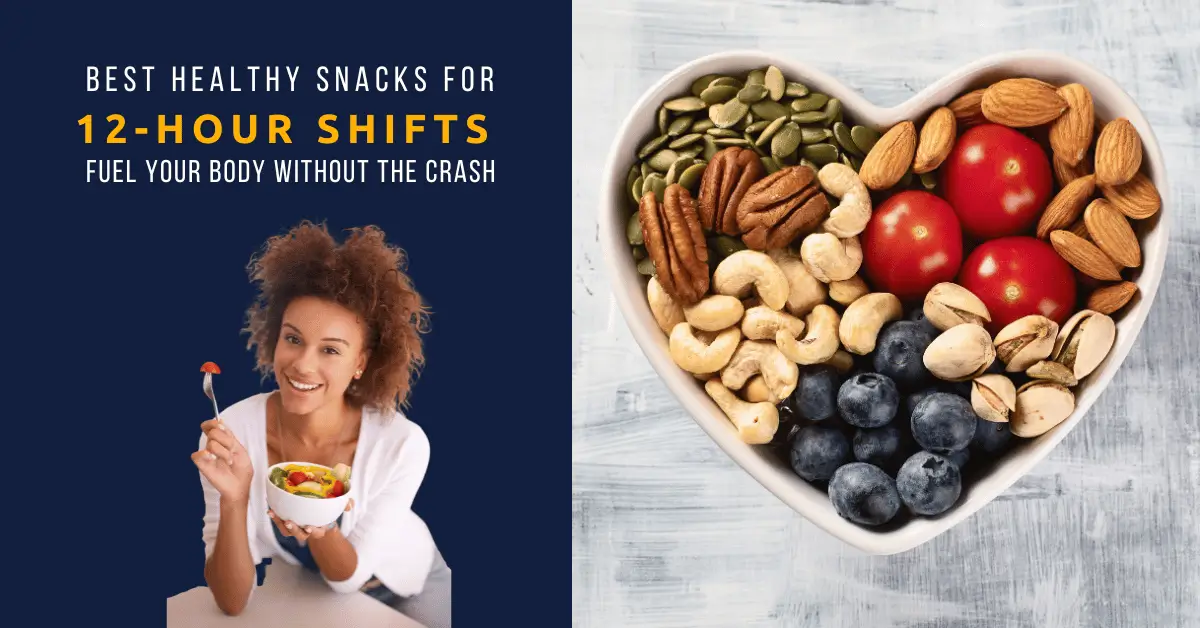
Looking for the best healthy snacks for 12-hour shifts to fuel your body? Discover easy, nutritious snack ideas to stay energized, focused, and crash-free all day.
Working a 12-hour shift puts your body and mind under constant pressure. Whether you are a nurse caring for patients, a security guard staying alert, a factory worker, or a warehouse employee, maintaining your energy is essential.
Working overnight? Learn exactly what to eat during the toughest part of your shift in our guide: What to Eat at 3 AM: A Practical Night Shift Guide.
The wrong snack can leave you feeling sluggish and unfocused, while the right one helps you stay energized, productive, and alert from clock-in to clock-out.

Healthy snacking is about more than satisfying hunger. It helps stabilize blood sugar, improves concentration, reduces fatigue, and supports your overall well-being during long, demanding shifts.
By choosing nutrient-dense foods instead of sugary convenience snacks, you can avoid energy crashes and perform at your best throughout the day or night.
What Are the Best Snacks for 12-Hour Shifts?
The best healthy snacks for 12-hour shifts combine protein, complex carbohydrates, healthy fats, and fiber to deliver steady, long-lasting energy. Excellent choices include Greek yogurt with berries, hard-boiled eggs, mixed nuts, hummus with vegetable sticks, apple slices with peanut or almond butter, cottage cheese, edamame, whole-grain crackers with cheese, homemade trail mix, and protein energy bites.
Avoid relying on candy, pastries, chips, sugary drinks, and energy drinks. These may provide a temporary boost, but they often lead to a rapid energy crash, increased hunger, and poor focus later in your shift. Instead, choose balanced snacks that keep you full, support your metabolism, and help you stay alert for all 12 hours.
Top 10 Snacks at a Glance
- Greek yogurt with berries:
High protein, probiotics, slow-releasing carbs - Hard-boiled eggs:
Complete protein, portable, nutrient-dense - Mixed nuts and seeds:
Healthy fats, magnesium, sustained satiety - Hummus with veggie sticks:
Plant protein, fiber, crunch factor - Apple slices with almond butter:
Fiber, natural sweetness, healthy fats - Cottage cheese with pineapple:
Casein protein, calcium, refreshing - Edamame:
Complete plant protein, fiber, easy to portion - Whole grain crackers with cheese:
Balanced macros, shelf-stable - Homemade trail mix:
Customizable, energy-dense, no refrigeration needed - No-bake energy bites:
Oats, nut butter, honey — portable powerhouses
Why Shift Work Nutrition Matters More Than You Think
Your body follows a natural 24-hour clock, known as the circadian rhythm, which regulates digestion, energy levels, hormones, and sleep. Working long or overnight shifts disrupts this rhythm, making it harder for your body to process food efficiently.
Research shows that shift workers face a higher risk of digestive issues, weight gain, diabetes, and heart disease due to irregular eating habits.
Because your metabolism slows during the night, heavy meals can leave you feeling tired, while sugary snacks often cause a quick energy boost followed by an exhausting crash.
Choosing balanced, nutrient-rich snacks at the right times helps maintain steady energy, improve focus, and keep you productive throughout your 12-hour shift.
What to Look for in Shift-Work Snacks: The Energy-Stability Formula
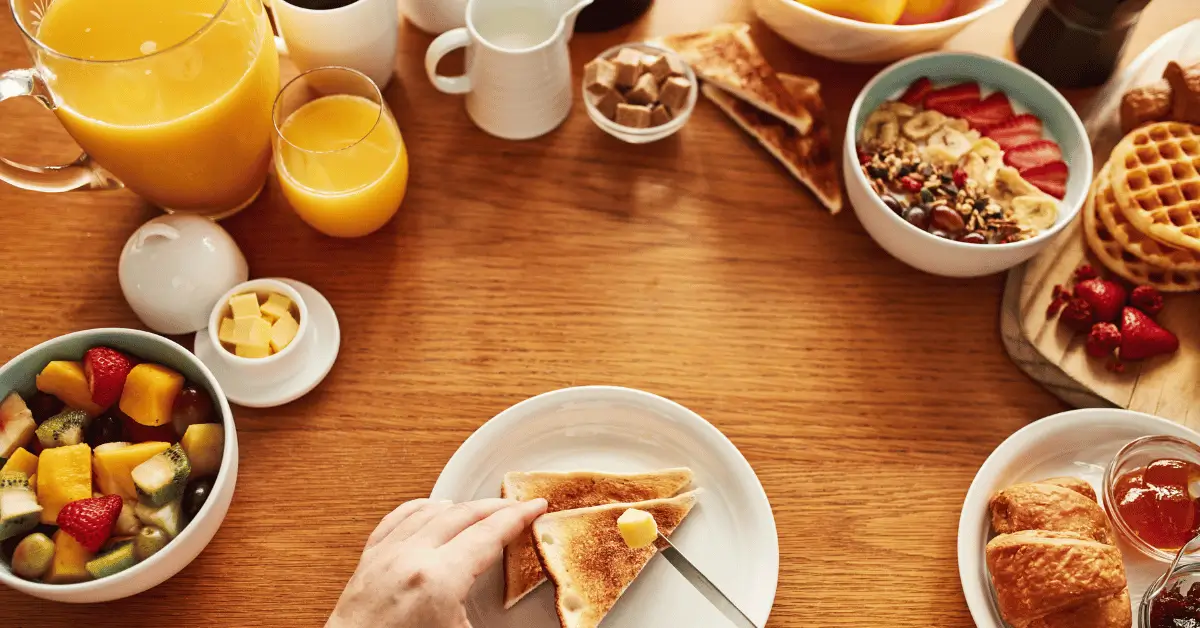
Protein, complex carbs, fiber, and healthy fats make up the ideal snacks for a 12-hour shift. This potent mixture reduces hunger, stabilizes blood sugar, and provides sustained energy without a crash.
Protein: The Satiety Anchor
By balancing blood sugar, protein helps you stay focused, maintain muscular health, and feel fuller for longer. Aim for 8–15 grams of protein each snack, such as nut butter, Greek yogurt, hard-boiled eggs, cottage cheese, edamame, or jerky.
Complex Carbohydrates: The Steady Fuel Source
Complex carbs release energy slowly, helping you stay energized for hours instead of causing sudden spikes and crashes. Great options include oats, whole grains, fruits, vegetables, legumes, and sweet potatoes.
Healthy Fats: The Energy Reservoir
Healthy fats provide long-lasting fuel and slow digestion, helping you feel satisfied between meals. Nuts, seeds, avocados, olive oil, and eggs are excellent choices for sustained energy during long shifts.
Fiber: The Digestive Regulator
Fiber supports healthy digestion, promotes fullness, and helps keep energy levels steady. Snacks like fresh fruit, vegetables with hummus, whole-grain crackers, berries, and chia pudding are easy ways to increase your daily fiber intake.
The Top 10 Healthy Snacks for 12-Hour Shifts
Long shifts demand snacks that do more than satisfy hunger. The best options provide steady energy, keep you full, support focus, and are easy to pack and eat on the go.
The following snacks were selected because they are nutritious, portable, simple to prepare, and ideal for busy professionals working 12-hour day or night shifts.
1. Greek Yogurt with Berries
Greek yogurt is one of the best snacks for long shifts because it is rich in protein, helping you stay full and energized for hours.
Fresh berries add fiber, vitamins, and antioxidants that support overall health without causing a sugar crash. For extra nutrition, top it with chia seeds or a handful of nuts. Keep individual portions ready in your refrigerator for a quick grab-and-go snack.
2. Hard-Boiled Eggs
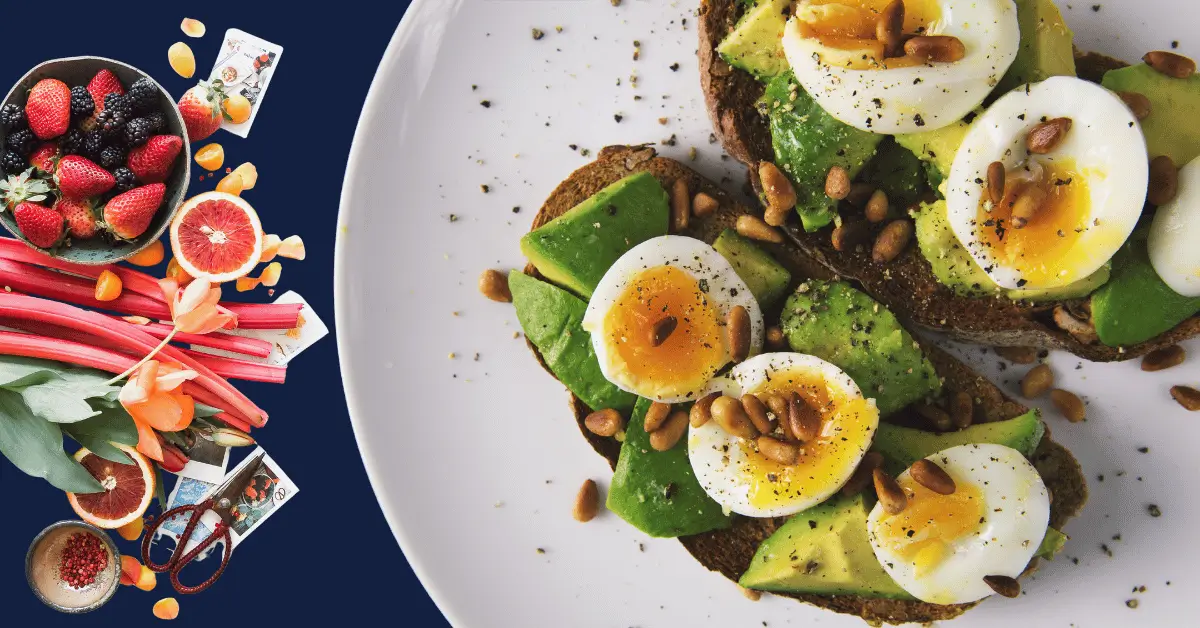
Hard-boiled eggs are an affordable, portable, and protein-packed snack that supports both energy and brain function.
They also contain healthy fats and essential nutrients that help you stay alert during demanding shifts. Prepare several eggs at the beginning of the week and enjoy them with a pinch of seasoning or whole-grain crackers for a more filling snack.
3. Mixed Nuts and Seeds
A small handful of almonds, walnuts, pistachios, pumpkin seeds, or sunflower seeds delivers healthy fats, protein, fiber, and minerals that provide lasting energy. They require no refrigeration, making them perfect for lockers, work bags, or emergency snack supplies. Since nuts are calorie-dense, portion them into small containers before your shift.
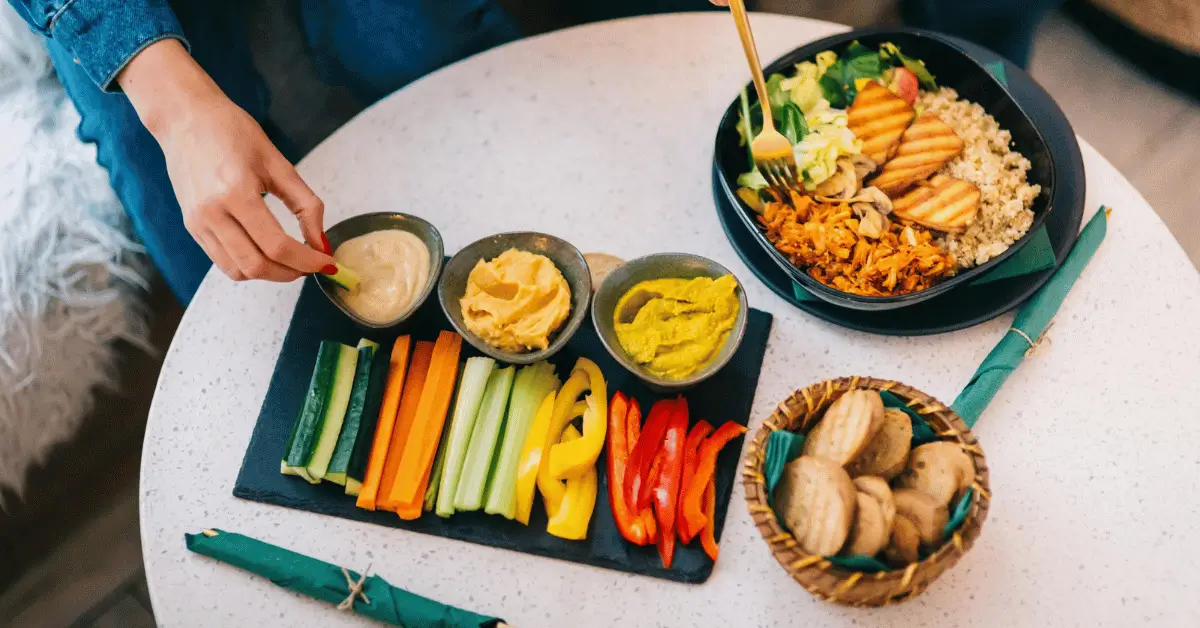
4. Hummus with Vegetable Sticks
Hummus paired with fresh vegetables is a satisfying snack that combines plant-based protein, fiber, and healthy fats. Crunchy carrots, cucumbers, celery, and bell peppers make excellent dipping options while adding vitamins and hydration. Single-serving hummus cups make this snack convenient for busy workdays.
5. Apple Slices with Nut Butter
Apples provide natural sweetness, fiber, and antioxidants, while peanut or almond butter adds protein and healthy fats to slow digestion and keep your energy steady. This simple combination satisfies sweet cravings without the crash caused by sugary snacks. Sprinkle cinnamon on top for extra flavor.
6. Cottage Cheese with Pineapple
Cottage cheese is rich in slow-digesting protein that helps control hunger during long shifts. Pineapple adds natural sweetness, vitamin C, and a refreshing taste, creating a balanced snack that supports sustained energy. Individual cottage cheese cups are easy to pack in an insulated lunch bag.
7. Edamame (Steamed Soybeans)
Edamame is an excellent plant-based snack loaded with complete protein, fiber, iron, and magnesium. These nutrients help maintain energy levels, support muscle health, and reduce fatigue throughout your shift. Enjoy steamed edamame warm or cold with a light sprinkle of sea salt.
8. Whole-Grain Crackers with Cheese
Whole-grain crackers provide slow-releasing carbohydrates, while cheese adds protein and calcium for a balanced snack.
Together, they help you stay satisfied between meals and avoid reaching for processed vending machine snacks. Choose whole-grain crackers and pair them with string cheese or sliced cheddar.
9. Homemade Trail Mix
Homemade trail mix is a smart alternative to store-bought versions that are often loaded with sugar. Mix almonds, walnuts, pumpkin seeds, unsweetened dried fruit, coconut flakes, and a few pieces of dark chocolate for a balanced snack that delivers protein, fiber, healthy fats, and lasting energy. Pre-portion servings to make healthy choices easier during busy shifts.
10. No-Bake Energy Bites
No-bake energy bites are easy to prepare and perfect for long workdays. Made with rolled oats, nut butter, honey, chia seeds, and optional dark chocolate chips, they provide a balanced mix of protein, healthy fats, and complex carbohydrates.
Prepare a batch in advance and store it in the refrigerator for a convenient, energizing snack whenever hunger strikes.
Snacks to Avoid: The Crash-Causing Culprits
Just as important as knowing what to eat is knowing what to avoid. Certain snacks seem convenient or energizing in the moment but ultimately sabotage your energy levels and long-term health. Understanding why these foods work against you can help you make better choices when tempting options appear in the break room.
Sugary Snacks and Candy
Candy bars, gummies, and other high-sugar snacks cause rapid blood glucose spikes followed by equally rapid crashes.
During the biological night, your insulin sensitivity is already reduced, making these blood sugar swings even more pronounced. That temporary energy boost from a chocolate bar can leave you feeling more tired than before within 30-60 minutes.
Refined Carbohydrates
White bread, pastries, chips, and crackers made with refined flour break down quickly into glucose, providing short-lived energy without meaningful nutritional value. These foods also tend to be high in sodium, which can contribute to dehydration and bloating during long shifts.
Energy Drinks and Excessive Caffeine
While moderate caffeine early in your shift can improve alertness, energy drinks combine excessive caffeine with high sugar content, creating a perfect storm for jitters followed by crashes.
Coffee, plus many energy drinks, contain 200-300 mg of caffeine per can, equivalent to 2-3 cups of coffee, plus ingredients that can disrupt sleep when your shift ends. If you use caffeine, limit it to the first half of your shift and stick to coffee or tea without added sugar.
Heavy, Fatty Foods
Fast-food burgers, fried foods, and rich, creamy dishes require significant digestive effort and can leave you feeling sluggish and uncomfortable.
During night shifts, your digestive system is already operating at reduced capacity, making heavy meals even harder to process. Save larger, richer meals for before your shift or after you wake up rather than during work hours.
Meal Timing Strategies for Maximum Energy
Eating at the right time is just as important as choosing healthy foods. A simple meal schedule can help maintain steady energy, improve focus, and reduce fatigue throughout a 12-hour shift.
Before Your Shift: The Foundation Meal
Start your shift with a balanced meal that includes lean protein, complex carbohydrates, healthy fats, and vegetables. It provides long-lasting energy and helps reduce hunger later in your shift. Meals like grilled chicken with brown rice, salmon with vegetables, or lentil soup are excellent choices.
During Your Shift: Small, Frequent Fuel
Instead of eating one heavy meal, have a healthy snack every 2–3 hours. Small, balanced snacks help stabilize blood sugar, prevent energy crashes, and keep you focused without making you feel sluggish.
After Your Shift: The Wind-Down Meal
Finish your shift with a light, easy-to-digest meal to satisfy hunger and support better sleep. Good options include yogurt with fruit, an omelet, or whole-grain toast with avocado. Avoid heavy or greasy meals that may interfere with rest.

Hydration: The Forgotten Fuel
Staying hydrated is one of the easiest ways to maintain energy and concentration during a long shift. Even mild dehydration can lead to fatigue, headaches, and reduced focus.
Drink water regularly throughout your shift instead of waiting until you feel thirsty. Keep a reusable water bottle nearby and refill it often. If plain water feels boring, add lemon, cucumber, or fresh fruit for natural flavor. Herbal teas are another great caffeine-free option.
If you drink coffee or tea, balance them with extra water and try to limit caffeine to the first half of your shift to avoid disrupting your sleep after work.
Budget-Friendly Meal Prep Tips for Shift Workers
Healthy eating doesn’t have to be expensive. With a little planning, you can prepare nutritious snacks for the entire week while saving both time and money.
Shop Smart
Choose budget-friendly staples like oats, nuts, seeds, frozen fruits, frozen vegetables, eggs, and store-brand dairy products. Buying in bulk and shopping for seasonal produce can help lower your grocery bill without sacrificing nutrition.
Batch Prep on Days Off
Set aside a few hours each week to prepare healthy snacks and meals in advance. Boil eggs, chop vegetables, portion nuts, and make energy bites so you always have nutritious options ready before every shift.
Invest in Quality Containers
Use reusable, leak-proof containers and an insulated lunch bag to keep your food fresh and organized. Having meals packed and ready makes healthy eating more convenient and helps you avoid vending-machine snacks or fast food on busy workdays.
Sample Snack Schedule for a 12-Hour Night Shift
Here is a practical example of how to structure your eating during a typical 12-hour night shift from 7 p.m. to 7 a.m. Adjust timing based on your specific schedule and hunger levels.
| Time | Snack/Meal | Key Nutrients |
| 6:00 PM | Pre-shift dinner (large meal) | Protein + complex carbs + vegetables |
| 9:00 PM | Greek yogurt with berries | Protein, probiotics, antioxidants |
| 11:30 PM | Hard-boiled eggs + whole grain crackers | Complete protein, fiber |
| 2:00 AM | Apple slices with almond butter | Fiber, healthy fats, vitamins |
| 4:30 AM | Mixed nuts or trail mix | Healthy fats, protein, magnesium |
| 7:00 AM | Light post-shift meal | Light protein + vegetables |
This schedule provides balanced nutrition every 2-3 hours while keeping overnight meals light and easily digestible.
You may notice that your energy levels remain more stable throughout the shift when you follow a structured eating pattern rather than grazing randomly or skipping meals entirely.
Key Takeaways: Your Shift-Work Snacking Strategy
- Combine protein, complex carbohydrates, and healthy fats in every snack for sustained energy
- Eat your largest meal before your shift and keep overnight snacks light and frequent
- Stay consistently hydrated with water and herbal teas throughout your shift
- Avoid sugary snacks, refined carbs, and energy drinks that cause crashes
- Prep snacks in advance to save money and ensure healthy options are always available
- Listen to your body’s hunger cues and adjust portions based on your activity level
FAQs on the best healthy snacks for 12-hour shifts to fuel your body
Q. What is the best snack to eat at 3 a.m. during a night shift?
The best 3 a.m. snack combines protein with complex carbohydrates to sustain energy without causing digestive discomfort. Greek yogurt with a small handful of nuts, a hard-boiled egg with whole-grain crackers, or apple slices with almond butter are excellent choices.
These options provide steady energy release while being light enough to eat during biological night when digestion naturally slows.
Q. How do I avoid the post-lunch energy crash during day shifts?
The afternoon energy crash typically results from blood sugar fluctuations after a carbohydrate-heavy meal. Prevent it by including protein and healthy fats in your midday meal rather than relying solely on carbohydrates.
A lunch of grilled chicken salad with avocado, or a quinoa bowl with vegetables and tahini dressing, provides sustained energy.
If you need an afternoon snack, choose protein-forward options like cottage cheese, nuts, or hummus with vegetables rather than sugary treats.
Q. Are protein bars a good snack for long shifts?
Protein bars can be convenient emergency snacks, but quality varies enormously between brands. Look for bars with at least 10 grams of protein, less than 8 grams of added sugar, and recognizable ingredients.
Avoid bars with long lists of artificial additives, sugar alcohols (which can cause digestive issues), or more sugar than protein. RXBAR, KIND Protein and Quest bars are generally better options, but whole-food snacks like hard-boiled eggs or nuts are nutritionally superior when possible.
Q. How much water should I drink during a 12-hour shift?
Aim to drink approximately 2-3 liters of fluid during a 12-hour shift, primarily from water. This translates to finishing a standard 16-ounce (500ml) water bottle 4-5 times. Start your shift well-hydrated and sip consistently throughout.
Increase intake if you work in hot environments or consume caffeinated beverages. A good indicator of adequate hydration is pale yellow urine; dark yellow or amber color suggests you need more fluids.
Q. What if I do not have access to a refrigerator at work?
Many excellent shift-work snacks require no refrigeration. Shelf-stable options include nuts and seeds, nut butter packets, whole-grain crackers, dried fruit, beef or turkey jerky, roasted chickpeas, protein powder (mix with water), dark chocolate, rice cakes, and single-serve hummus cups (unopened).
Invest in an insulated lunch bag with ice packs if you want to include perishable items like yogurt, cheese, or hard-boiled eggs — these will stay cold for 8-12 hours with a quality ice pack.
Q. Is intermittent fasting safe for shift workers?
Time-restricted eating can work for some shift workers, but it requires careful planning. Research suggests that eating within a 10-hour window may improve metabolic markers in shift workers.
However, attempting to fast throughout an entire 12-hour overnight shift may lead to excessive fatigue, irritability, and poor performance.
If you want to try intermittent fasting, consult a healthcare provider first and consider a modified approach that allows small, protein-rich snacks during your shift while keeping your overall eating window consistent.
Q. Why do I crave sugary foods during night shifts?
Sugar cravings during night shifts are biologically driven. Sleep deprivation and circadian disruption alter levels of ghrelin (the hunger hormone) and leptin (the satiety hormone), making high-calorie, carbohydrate-dense foods more appealing. Your brain also seeks quick glucose for energy when fatigued.
Combat these cravings by eating protein-rich snacks every few hours, staying hydrated, and keeping healthy sweet options, like berries or a small piece of dark chocolate, available when cravings strike.
Q. Can I drink coffee during my night shift without affecting sleep?
Moderate caffeine consumption early in your night shift is generally fine and can improve alertness. The key is timing: avoid caffeine for 6-8 hours before your planned sleep time. For a shift ending at 7 a.m., stop consuming caffeine by 1-2 a.m. at the latest.
Caffeine has a half-life of approximately 5-6 hours, meaning half the caffeine from a 2 p.m. cup of coffee is still in your system at 8 p.m. Limit total intake to 200-400 mg per day (about 2-4 cups of coffee) to avoid jitters and sleep disruption.
Conclusion on the best healthy snacks for 12-hour shifts to fuel your body
A 12-hour shift can be physically and mentally demanding, but the right snacks can make a significant difference.
Choosing foods rich in protein, complex carbohydrates, healthy fats, and fiber helps keep your energy steady, improves focus, and reduces the fatigue and sugar crashes that often come with long workdays.
You do not need a perfect diet to feel the benefits. Start by preparing a few healthy snacks before each shift, stay hydrated, and eat at regular intervals.
Small, consistent habits can improve your performance, support your overall health, and make every shift more manageable.
Your body works hard every day; fuel it with nutritious foods, and it will reward you with better energy, sharper concentration, and greater resilience throughout every 12-hour shift.
Read more about night shift workers’ health.
You might like: