Learn the 10 diabetes risk factors for night-shift workers, why night shifts raise your risk, and which ones you can change. Start today.
Evidence-informed guidance on diabetes risk factors for night shift workers, written without blame and with a focus on what you can realistically change.
Medical disclaimer: This article is for education only. It is not a diagnosis or personalized medical advice. Talk with your doctor about your own screening, symptoms, and treatment.
Why Are Night Shift Workers at Higher Diabetes Risk?
If you work nights, you have probably heard that your schedule raises your diabetes risk.
It is true, but the useful question is which risks matter most and which you can change. This guide filters the noise down to ten factors worth your attention.
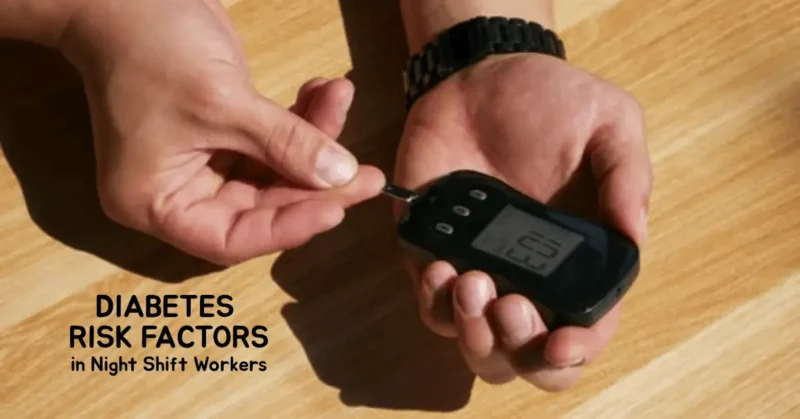
Why does the night shift cause diabetes risk?
Night shift increases diabetes risk because working against your body clock misaligns your circadian rhythm.
This disrupts melatonin and cortisol, reduces insulin sensitivity, and pushes eating, sleeping, and activity into biologically unfavorable hours.
Over time, insulin resistance, weight gain, and prediabetes can develop, increasing the chance of type 2 diabetes.
Night shift = circadian misalignment + insulin resistance + prediabetes pathway
The pathway usually looks like this:
- Circadian misalignment: your internal clock expects light and activity by day and darkness and rest at night.
- Insulin resistance: your cells respond less efficiently to insulin, so blood sugar stays higher for longer.
- Prediabetes: blood sugar rises above normal but not yet into the diabetes range, often with no symptoms.
- Type 2 diabetes: possible if the process continues unchecked for years.
The important point: this is a gradual, interruptible process. Most night shift workers have many chances to slow or reverse it.
Top 10 diabetes risk factors to focus on
Why are night shift workers at diabetes risk
The main risk factors are circadian misalignment, chronic sleep deprivation, night-time eating, irregular meal timing, central weight gain, sedentary shifts, chronic stress and high cortisol, excess caffeine and sugary drinks, family history or undiagnosed prediabetes, and delayed screening. Most of these are modifiable.
Here is the full list at a glance:
| # | Risk factor | Why it happens on night shift | What to actually do |
| 1 | Circadian misalignment and low melatonin | Light exposure at night, daylight during sleep | Bright light at work, dark and cool sleep room, consistent sleep window |
| 2 | Sleep deprivation and poor sleep quality | Daytime noise, light, family demands | Blackout curtains and earplugs protect a core sleep block; discuss persistent insomnia with a doctor. |
| 3 | Night-time eating and high-glycemic food | Vending machines, fatigue, cravings, and glucose tolerance are lower at night | Eat your main meal before the shift, and choose protein and fiber snacks. |
| 4 | Irregular meal timing | Shifting schedules and skipped meals | Anchor 2 to 3 predictable eating times. |
| 5 | Weight gain and belly fat | Poor sleep, hunger hormone shifts, late eating | Aim for gradual, modest weight loss if advised; track waist, not only weight. |
| 6 | Physical inactivity | Long seated or low-movement shifts, exhaustion | Movement breaks, 150 minutes per week of activity in any format |
| 7 | Chronic stress, high cortisol, inflammation | Constant adaptation, social isolation | Short stress-reduction routines, social time, mental health support |
| 8 | Excess caffeine, sugary and energy drinks | Used to stay alert | Cut caffeine early in the shift, and swap sugary drinks for water or unsweetened options |
| 9 | Family history and undiagnosed prediabetes | Genetics plus schedule stress | Know your family history; ask for testing. |
| 10 | Lack of screening | Appointments clash with sleep and work. | Book labs after shift, set an annual reminder. |
Science Brief: Night shift work triggers diabetes risk
Circadian rhythm, melatonin, cortisol, and blood sugar control
Your body runs on an approximately 24-hour clock synchronized by light. Cortisol often peaks in the morning to help you wake up and mobilize energy, while melatonin rises in the dark and signals sleep.
Insulin sensitivity also follows a daily rhythm: most people handle glucose better earlier in the day than late at night.
When you work nights and sleep by day, these signals fall out of sync.
Controlled laboratory research on circadian misalignment (including a widely cited 2009 PNAS study by Harvard and Brigham and Women’s Hospital researchers) found that misaligned sleep and eating schedules raised blood glucose after meals and, in some participants, pushed values into the prediabetic range within a short period.
Participants also showed changes in leptin, a hormone involved in appetite and energy balance.
In plain terms, the same meal can cause a bigger blood sugar response at 3 a.m. than at noon.
Diabetes type 2: a risk progression
Metabolic syndrome is a cluster of related findings that together signal elevated risk of type 2 diabetes and heart disease. It is generally defined by three or more of the following:
- Larger waist circumference (central obesity)
- Elevated triglycerides
- Low HDL (“good”) cholesterol
- Elevated blood pressure
- Elevated fasting blood sugar
Research reviews pooling many studies have found that shift workers have a modestly higher risk of type 2 diabetes than day workers, with the increase generally larger for people on rotating or frequent night schedules and for people who work nights over many years.
The size of the effect varies by study, so think of it as a meaningful nudge, not a guarantee.
The typical progression: circadian disruption and poor sleep, then insulin resistance, then rising blood sugar and weight gain, then prediabetes, then possibly type 2 diabetes. Chronic low-grade inflammation helps drive each step.
10 Shift Work Diabetes Risk Factors
These are listed roughly in order of how much they tie into the night shift experience and how actionable they are.
1. Circadian Misalignment and Disrupted Melatonin
Why it matters: Light at night suppresses melatonin, and daylight during your sleep attempts confuses your clock. This is the foundational risk that makes many of the others worse.
What to do:
- Keep your work area brightly lit early in the shift, then dim the lights in the last hours.
- Wear sunglasses on the commute home to limit morning light.
- Keep a consistent sleep and wake pattern, including days off, as much as your life allows.
- Talk to your doctor before using melatonin supplements; timing and dose matter, and supplements are not right for everyone.

2. Chronic Sleep Deprivation and Poor Sleep Quality
Why it matters: Even a few nights of short sleep can reduce insulin sensitivity in healthy adults and increase appetite and cravings. Night workers often sleep less and in more fragmented blocks than day workers.
What to do:
- Use blackout curtains, keep the room cool, and use white noise or earplugs.
- Protect one anchor sleep period of about 7 hours when you can, and add a short nap before shifts if needed.
- Set household expectations: phones off and no appointments during your sleep window.
- If you snore heavily, wake choking or gasping, or feel exhausted despite enough hours, ask about sleep apnea, which is strongly linked with insulin resistance.
3. Night-Time Eating and High Glycemic Diet
Why it matters: Late-night eating overlaps with the time your body is least prepared to handle glucose. Fatigue also drives cravings for fast carbohydrates, and overnight options are often processed and sugary.
What to do:
- Have your main, balanced meal before your shift starts.
- Pack snacks built on protein, fiber, and healthy fats (nuts, yogurt, boiled eggs, vegetables with hummus, and whole fruit).
- If you must eat at night, keep it small and low in refined carbohydrates.
- Avoid a big meal right before sleeping after your shift.
4. Insulin Resistance from Irregular Meal Timing
Why it matters: Unpredictable eating times add to the mismatch between your clock and your metabolism. Skipping meals and then overeating later can produce larger blood sugar swings.
What to do:
- Choose two or three “anchor” meal times and keep them as steady as possible across work and off days.
- Try a simple eating window (for example, finishing food several hours before your main sleep) if it suits you and your doctor agrees. Do not start fasting plans without medical advice if you take diabetes medication or have any medical condition.
- Prepare meals in advance so timing does not depend on break room options.

5. Weight Gain and Central Obesity / Belly Fat
Why it matters: Excess abdominal fat is closely tied to insulin resistance and inflammation. Night workers are more likely to gain weight over time, partly through sleep loss, hormonal appetite changes, and eating at odd hours. This is a physiological pattern, not a character flaw.
What to do:
- Track waist circumference alongside weight; changes in belly fat matter even when the scale barely moves.
- If you are above a healthy weight, major diabetes prevention programs target a 5 to 7 percent loss of body weight. It has been shown to substantially lower the risk of progressing to diabetes.
- Ask about a CDC-recognized National Diabetes Prevention Program; many offer online options and flexible scheduling.
6. Physical Inactivity and Sedentary Night Shifts
Why it matters: Muscle is a major site of glucose uptake. Long stretches of sitting, combined with fatigue that makes exercise feel impossible, reduce that benefit.
What to do:
- The ADA and CDC recommend 150 minutes of moderate activity per week, so try to meet that goal in any way that suits you.
- Break up sitting every 30 to 60 minutes with a brisk walk or a few minutes of squats or stair climbing.
- Include resistance exercise two or more days per week.
- After a meal, taking a 10- to 15-minute walk can help slow the rise in blood sugar.

7. Chronic Stress and Elevated Cortisol and Inflammation
Why it matters: Cortisol raises blood sugar by design to give you energy. When stress is constant, and your cortisol rhythm is already disrupted by shift work, the effect on insulin resistance and inflammation can add up. Social isolation and less time with family make recovery harder.
What to do:
- Build a small daily decompression routine: breathing exercises, stretching, a walk in daylight when appropriate, or time with people you care about.
- Protect days off for rest and connection, not only chores.
- Seek professional support if you notice persistent low mood, anxiety, or burnout; mental health and metabolic health are tightly linked.

8. Excess Caffeine, Sugary Drinks, and Energy Drinks
Why it matters: Sugary drinks cause rapid glucose spikes, and heavy caffeine can disrupt the sleep you need to recover. Caffeine itself can also temporarily impair glucose handling in some people.
What to do:
- Front-load caffeine early in the shift and stop roughly 6 hours before you plan to sleep.
- Replace energy drinks and sweetened coffee with water, sparkling water, unsweetened tea, or coffee with minimal sugar.
- If you rely on several energy drinks per shift to function, treat that as a signal that sleep or schedule needs attention.
9. Prediabetes and family history
Why it matters: A parent or sibling with type 2 diabetes raises your baseline risk, and night shifts can add to it. Meanwhile, the CDC estimates that well over 90 million U.S. adults have prediabetes and that more than 8 in 10 of them do not know it. Many shift workers may already be on this path without symptoms.
What to do:
- Ask relatives about diabetes, gestational diabetes, heart disease, and early heart attacks.
- Tell your clinician about your shift schedule and family history so they can tailor screening.
- Take the CDC’s free online prediabetes risk test as a starting point (it is a screener, not a diagnosis).
10. Detecting prediabetes late and lack of health screenings
Why it matters: Appointments conflict with sleep, and without symptoms, checkups slide. But prediabetes is the stage where lifestyle changes work best.
What to do:
- Book blood tests for the morning after a shift, or ask whether your employer, occupational health service, or pharmacy offers screening.
- Set a yearly calendar reminder.
- Keep a simple record of your results (A1C, fasting glucose, cholesterol, blood pressure, waist).
The Difference Between Modifiable and Non-Modifiable
Biological factors: family history, aging, genetics
You cannot change your age, race, family background, or DNA. People of South Asian, Black, Hispanic/Latino, Native American, and Pacific Islander ancestry are among the populations with a greater average risk of type 2 diabetes and may benefit from screening earlier or more frequently.
Another risk factor is a history of polycystic ovarian syndrome (PCOS) or gestational diabetes.
These factors do not decide your fate. They tell you where to be more vigilant.
Modifiable focus: sleep, diet, activity, screening for metabolic health
Most of the ten risks above are within your influence, at least partially:
- Sleep: protect it and make it consistent.
- Diet: meal timing and quality, and what you drink.
- Activity: move regularly and take breaks from sitting.
- Weight and waist: modest, sustainable change.
- Stress: recovery habits and support.
- Screening: regular blood tests to catch problems early.
You do not need to fix everything. Picking two or three of these and sticking with them often beats trying to overhaul your life overnight.

A Simple Diabetes Screening Checklist
Diabetes risk factors: high blood sugar, fatigue, metabolic syndrome markers
Prediabetes often has no symptoms, which is why testing matters. Ask for screening sooner if you notice:
- Increased thirst or frequent urination
- Unusual or worsening fatigue beyond what shift work explains
- Blurry vision
- Slow-healing cuts or frequent infections
- Patches of velvety, darkened skin on the neck or underarms (acanthosis nigricans)
- Increasing waist size, high blood pressure, or abnormal cholesterol
Common lab thresholds used by the ADA:
| Test | Normal | Prediabetes | Diabetes |
| A1C | Below 5.7% | 5.7% to 6.4% | 6.5% or higher |
| Fasting plasma glucose | Below 100 mg/dL | 100 to 125 mg/dL | 126 mg/dL or higher |
A healthcare professional must confirm the diagnosis. Note that shift work and recent sleep loss can affect individual readings, so always discuss your results with your clinician.
How often should night shift workers get tested for insulin resistance?
The ADA recommends diabetes screening for adults starting at age 35, and earlier for adults with overweight or obesity who have additional risk factors (such as family history, high blood pressure, or certain ethnic backgrounds).
If results are normal, repeat screening at least every 3 years. For many night shift workers, a reasonable conversation to have with a clinician is:
- Yearly screening if you already have prediabetes, a family history, central weight gain, or other metabolic syndrome features.
- Every 1 to 3 years if you are at lower risk but have worked nights for several years.
- Sooner if you develop symptoms.
Your doctor may use A1C, fasting glucose, an oral glucose tolerance test, and a lipid profile. These general recommendations will be tailored by your physician.
What NOT to Focus On: Myths That Waste Energy
Myth: One bad night shift will cause diabetes
A single rough shift or a few disrupted days does not cause diabetes. The concern is cumulative: months and years of circadian disruption, short sleep, and uncorrected habits. That is good news, because it means you can recover from bad weeks.
Myth: You need willpower vs. circadian biology.
Telling a night worker to “just eat better” ignores biology. When your clock is misaligned, hunger hormones, glucose tolerance, alertness, and cravings all shift.
Willpower helps, but environment and structure help more: pre-packed food, a protected sleep window, scheduled movement, and regular screening.
If you struggle with these, it does not mean you are lazy. It means the system you work in is working against you, and you need strategies built for it.
Other distractions that rarely move the needle: exotic supplements, extreme detoxes, and “miracle” diets that you cannot sustain on a rotating schedule.
Expert Insights on Night Shift Diabetes Risk
Endocrinologist’s view on insulin resistance and circadian disruption
The following summarizes the consensus in endocrinology and occupational health, not a quote from any one individual.
Endocrinologists generally describe night shift work as a risk amplifier, not a sole cause. The circadian system influences insulin secretion, insulin sensitivity, appetite hormones, and liver glucose output. When sleep and meals fall at the wrong biological time, glucose control can worsen even in otherwise healthy people.
Clinicians commonly emphasize three practical priorities: (1) protect sleep, (2) keep meal timing as regular as possible and move the largest meal away from the biological night, and (3) screen earlier and more often than the general population, especially with family history or central weight gain.
Occupational health perspective: the most effective workplace measures include predictable rotations (forward rotating rather than rapidly backward), adequate recovery time between night blocks, access to healthy food during shifts, scheduled breaks, and employer-supported health screening. If you influence scheduling or workplace wellness, advocate for these.
ADA / CDC data on shift work and type 2 diabetes + medical disclaimer
- For individuals with prediabetes, the American Diabetes Association (ADA) Standards of Care provide screening criteria, diagnostic thresholds, and lifestyle-based preventative methods, such as frequent physical activity and modest weight loss.
- The CDC estimates that roughly 1 in 3 U.S. adults has prediabetes and that most do not know it.
- Additionally, the CDC supports the National Diabetes Prevention Program, a planned lifestyle intervention shown to reduce type 2 diabetes risk in people with prediabetes.
Research demonstrating connections between sleep loss, circadian disruption, insulin resistance, and obesity is funded and summarized by the NIH (via organizations like NIDDK and the National Heart, Lung, and Blood Institute). - Shift workers, especially those who work night and rotational shifts, have a greater risk of type 2 diabetes, according to meta-analyses of observational research. However, effect sizes differ across studies, and other factors such as diet, weight, and sleep contribute.
For current figures and guidelines, check the ADA, CDC, and NIDDK websites directly, as recommendations are updated periodically.
Medical disclaimer: This article does not provide a diagnosis or replace professional medical advice. If you have symptoms, a family history of diabetes, or concerns about your blood sugar, consult a qualified healthcare provider.
Do not change medications or begin a new diet or exercise program without medical guidance if you have a health condition.
FAQ on Diabetes Risk Factors
Q. Does the night shift work directly cause diabetes?
Not directly. Night shift work raises the risk by disrupting circadian rhythm, sleep, eating patterns, and activity, which can lead to insulin resistance.
Many night workers never develop diabetes, especially when they manage sleep, diet, movement, and screening.
Q. What are the biggest preventable diabetes risks for night shift workers?
The biggest preventable risks are chronic sleep loss, eating refined carbs at night, irregular meal timing, sedentary behavior, weight gain around the waist, high intake of sugary drinks or energy drinks, unmanaged stress, and skipping regular blood sugar screening.
Q. Can you reverse diabetes risk if you work nights?
Often you can lower it significantly. Prediabetes can improve with modest weight loss, regular activity, better sleep, and improved meal timing, even while you keep working nights.
Structured programs such as the CDC-recognized Diabetes Prevention Program show that lifestyle changes can reduce progression to type 2 diabetes. Established diabetes needs ongoing medical management.
Q. How quickly does the night shift increase metabolic health risks?
Short-term effects can appear within days (higher post-meal blood sugar, poorer sleep). Long-term risk rises gradually over years of repeated night work, and studies suggest risk tends to be higher with longer duration and more frequent night shifts. Individual response varies widely.
Q. Should night shift workers get early diabetes screening?
It is reasonable to discuss it with your doctor, especially if you have a family history, central weight gain, high blood pressure, or abnormal cholesterol, or have worked nights for several years. Standard guidelines start screening at 35, but certain risk factors recommend earlier testing.
Final Takeaway on Diabetes Risk Factors
You cannot erase the demands of night work, but you do not have to tackle ten things at once. Start with the highest-impact moves:
- Protect your sleep window.
- Eat your main meal before the shift and keep snacks protein-forward.
- Move a little, often.
- Get tested. A simple blood test could tell you where you stand.
Suppose you do nothing else this month, schedule that screening. Catching prediabetes early is one of the most powerful steps you can take, and you can still act on it while working nights.
Don’t wait for symptoms. Book a blood sugar and A1C test after your next shift, and choose one habit from this list to start this week. Share this guide with a coworker who works nights too.
This page should not be used as a replacement for medical advice; it is meant to be instructive. Discuss your own risk with your healthcare physician.
Read more about night shift workers’ health.
References
- Scheer FAJL, Hilton MF, Mantzoros CS, Shea SA. Adverse metabolic and cardiovascular consequences of circadian misalignment. Proceedings of the National Academy of Sciences. 2009;106(11):4453–4458.
- Gan Y, Yang C, Tong X, et al. Shift work and diabetes mellitus: a meta-analysis of observational studies. Occupational and Environmental Medicine. 2015;72(1):72–78.