

Move from “busy” to “intentional” with a simple daily practice. Learn how to set clear purpose, prioritize your “Big Three,” and reclaim your time today.
Thank you for reading this post, don't forget to subscribe!We often feel like we are running a race that never ends. The days blur together in a rush of emails, meetings, and chores.
At the end of the day, we feel empty even after crossing things off our to-do lists. This happens because we are busy, but not intentionally.
Being busy is reacting to what the world throws at you. Being intentional is choosing what you do with your time.
This simple shift changes everything. You can move from feeling frantic to feeling focused. You can take back control of your schedule. It starts with a daily practice of purpose.

Living with purpose does not mean you need a huge life plan right now. It means making a choice about how you spend your energy today.
It is about pausing before you act. When you do this, you stop letting other people set your agenda. You become the leader of your own life. This article will show you how to build that practice.
We will look at clear steps you can take. We will explore why consistency matters so much. We will also look at how to make these new habits last in the long run.
Get ready to feel more in charge and less overwhelmed.
The Daily Practice
Key Steps
Building a daily practice is like building a house. You need a strong foundation. If you just stack bricks without a plan, the wall will fall down.
The same is true for your time. You need a system that supports you.
This system must be simple enough to do every day. It must be strong enough to handle stress. The key steps below will help you build this system.
They focus on clarity, focus, and review. These three elements create a loop that keeps you getting better.
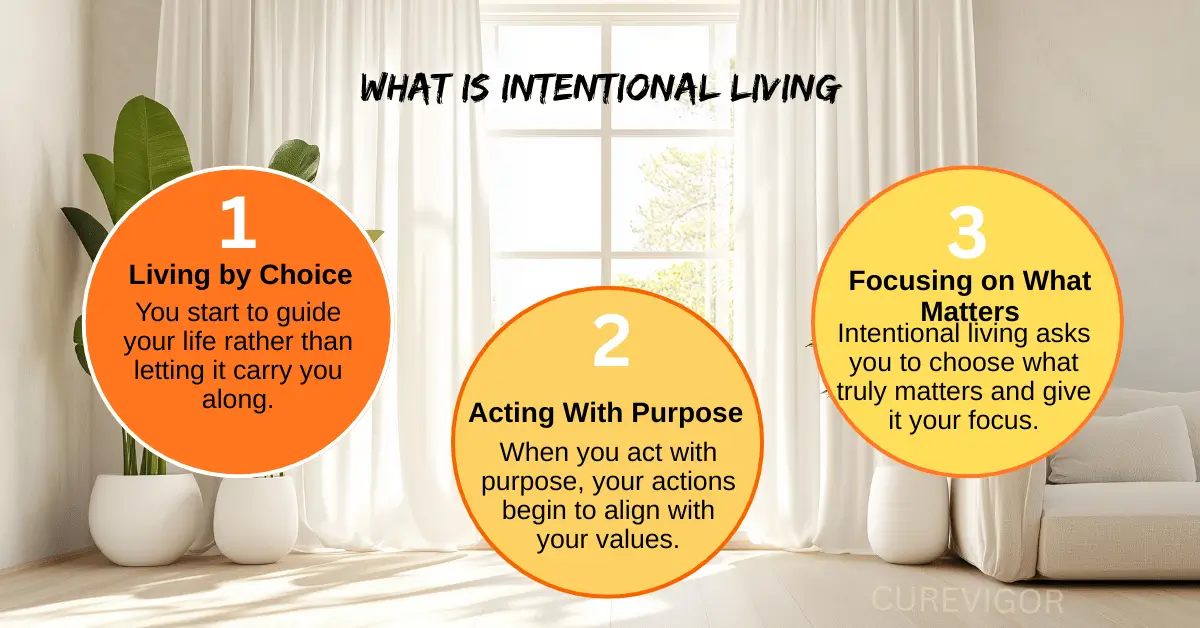
Start with Clear Intentions
Don’t just make a to-do list; set a specific focus for your day.
Most people start their day by looking at a long list of tasks. They see twenty things they need to do. This feeling can cause panic before the morning even begins.
A to-do list tells you what to do, but not why. It lacks a soul. Setting a clear intention is different. An intention is a theme for the day.
It is a decision about how you want to show up. It guides your actions like a compass.
Think about how you want to feel when your head hits the pillow at night. Do you want to feel accomplished? Do you want to feel calm?
Do you want to feel connected to your family? Pick one word or phrase to represent that feeling.
You might choose the word “focus” or “patience.” You might choose “completion” or “kindness.” Write this word down at the top of your planner.
When you face a tough choice during the day, look at that word. It will help you decide what to do.
For example, imagine your intention is “patience.” You get a rude email from a client. Without intention, you might snap back immediately.
But because you chose “patience,” you pause. You take a breath. You write a calm and helpful reply instead.
It saves your time and stress later. You avoided a long argument because you had a clear focus. This is the power of intention. It turns a reactive day into a proactive one.
You should set this intention every single morning. It only takes two minutes. Sit quietly with your coffee. Close your eyes for a moment.
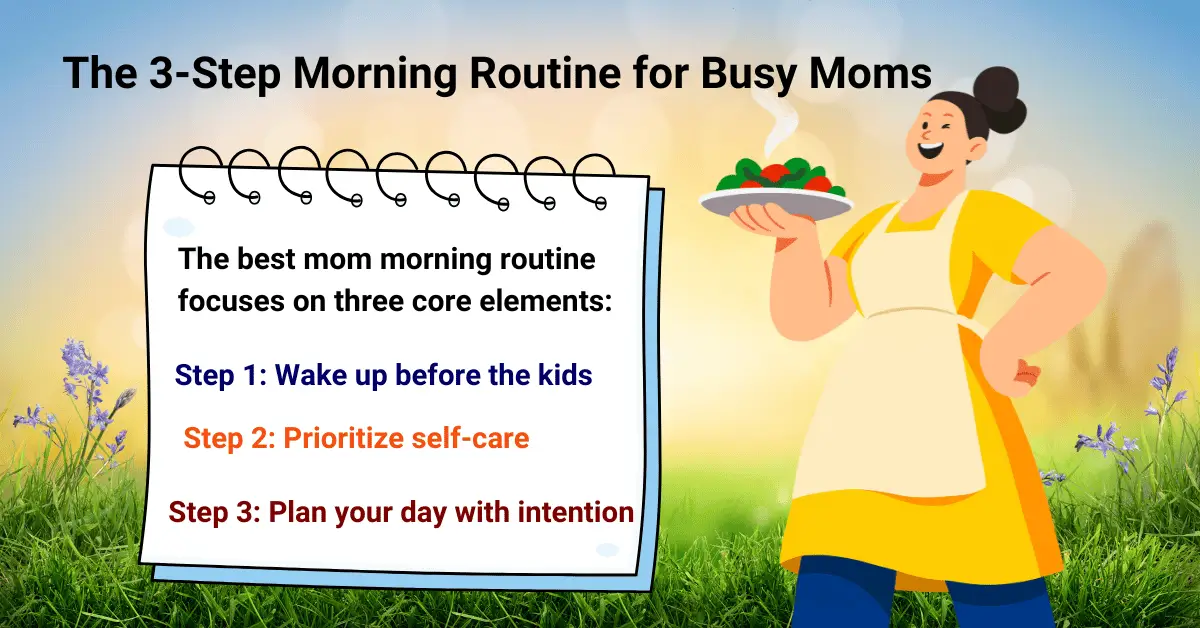
Ask yourself what matters most today. The answer might change based on what is on your calendar. Some days, the focus is hard work. On other days, the focus is rest and recovery.
Honour what you need. This practice builds trust in yourself. You are telling your mind that today has a direction.
A to-do list is a tool, but it can be a cruel master. It can make you feel like a machine. Intention brings the human element back.
It reminds you that you are a person, not a producer. It shifts your mindset from “doing” to “being.” When you focus on being, the doing often becomes easier.
You work with more flow. You make better choices. You stop rushing from one fire to the next. You start walking steadily toward your goals.
Prioritize What Actually Matters
Use your productivity tips to identify the “Big Three” tasks that move the needle.
We often think that being productive means doing more things. We try to answer every message. We try to attend every meeting.
We try to clean every corner of the house. But this is a trap. Doing more does not always mean achieving more.
Real productivity is about doing the right things. It is about focusing on the tasks with the greatest impact. This is where the “Big Three” comes in.
The “Big Three” is a very simple rule. Look at your long list of tasks. Choose the three most important ones.
These are the things that must happen today for the day to be a success. Everything else is extra. When you pick these three, you are drawing a line in the sand.
You are saying these tasks matter more than the rest. This creates clarity. It stops you from trying to do everything and doing nothing well.
To find your Big Three, ask yourself a few questions. Which task scares me a little? That usually means it is important. Which task will have the biggest benefit in a week or a month?
Which task aligns with my long-term goals? The answers to these questions point to your priorities. For example, answering ten quick emails feels good.
But writing a strategic plan for your business might be more important. The emails can wait. The plan moves the needle.
Once you have your Big Three, write them on a sticky note. Put it where you can see it. Start your day by working on the first item.
Do not check your phone. Do not open social media. Dive straight into that first big task. This is called “eating the frog.” When you do the hard thing first, the rest of the day feels easy.
You carry a sense of victory. That momentum pushes you through the afternoon.
It is important to be realistic with your Big Three. Do not pick three huge tasks that each take 10 hours. That is a recipe for failure. Pick three tasks that are challenging but doable.
If you finish them early, you can always do more. But the goal is to finish the most important work. This protects you from decision fatigue.
You do not have to wonder what to do next. You just look at your list of three.
This method also helps you say “no.” When a new request comes in, you look at your list. If the request does not fit with your Big Three, you say “not today.”
This is a powerful skill. It protects your time for what truly matters. Remember, you cannot do everything.
But you can do the things that count. Focus on impact, not just activity. This is how you reclaim your time.
Reflect and Adjust
Use a 5-minute evening review to refine your goal-setting for tomorrow.
The day is not over when you close your laptop. The final step of your daily practice happens in the evening.
This is the time for reflection. Most people skip this. They rush from work to dinner to TV to bed. They wake up the next day and start all over again.
But taking five minutes to review makes all the difference. It turns your daily experience into data. You can learn from your own day.
An evening review is very simple. Find a quiet spot. Look back at your day. Ask yourself what went well.
Did you stick to your Big Three? Did you live your intention? Be proud of the wins, no matter how small. Then, ask yourself what did not go well.
Where did you get distracted? What tired you out? You do not need to judge yourself here. Just notice what happened.
This review helps you plan for tomorrow. Maybe you notice that you always get tired at two in the afternoon.
You can plan to do a low-energy task then. Maybe you see that checking email in the morning ruins your focus.
You can plan to keep your phone off tomorrow morning. This is how you adjust. You are constantly tweaking your system to fit your life.
Write down your Big Three for tomorrow night. Doing this the night before is a huge time saver. Your brain works while you sleep.
It processes the plan. When you wake up, you already know what to do. You do not waste precious morning energy wondering where to start.
You are ready to go immediately. This gives you a jump start on the day.
The evening review also closes the mental loop. If you do not review, your brain keeps thinking about work.
You might worry about what you forgot. Writing it down tells your brain it is safe to relax. You can let go of the day.
This leads to better sleep. Better sleep leads to a better tomorrow. It is a positive cycle that builds on itself.
Make this review a non-negotiable habit. Do it before you brush your teeth. Do it while the kettle boils. It does not have to be a long ceremony.
Five minutes is enough. The goal is connection. You are connecting today’s actions with tomorrow’s goals.
You are becoming the pilot of your life, not just a passenger. This small step creates massive clarity over time.
Why Consistency is the Ultimate Productivity Hack
We often look for a magic trick to be more productive. We want a new app or a fancy planner. We want a secret shortcut. But the real hack is much simpler.

It is consistency. Doing the same small things over and over is what creates results. Habits keep you going, but motivation gets you started. When you are consistent, you build momentum.
That momentum makes hard work feel easy. This section explains why sticking to your practice matters so much.
Reclaim Your Schedule
Discover how acting with purpose stops you from reacting to everyone else’s emergencies.
Have you ever felt like your day belongs to someone else? You sit down to work, and the phone rings. A coworker asks for help. Your child needs a ride. There is always an emergency.
These interruptions pull you away from your goals. They scatter your focus. Before you know it, the day is gone. You spent all day putting out fires, but built nothing yourself.
Acting with purpose is a shield against this chaos. When you have a plan, you see interruptions differently. You have a filter. You can ask yourself, “Is this emergency my problem?”
Often, the answer is no. Someone else’s poor planning does not have to become your emergency. You can choose to help later, or not at all. This is how you protect your schedule.
When you are consistent with your daily practice, people notice. They see that you are focused. They see that you value your time. This teaches them how to treat you.
If you always say “yes” immediately, they will keep asking. If you say, “I am working on my Big Three right now, I can help at three o’clock,” they learn to respect your boundaries. You are training the people around you.
Reclaiming your schedule also means reclaiming your mental space. When you react all day, your brain is in a state of fight-or-flight.
You are always on edge. This is exhausting. When you act with purpose, you are in control. You are calm. You choose when to deal with problems.
This sense of control is very powerful. It reduces anxiety and boosts confidence.
Think of your time like a garden. If you let weeds grow, they choke the flowers. The weeds are the distractions and other people’s emergencies.
Your daily practice is weeding the garden. Every day, you pull out the distractions. You make room for what you want to grow.
Over time, your garden becomes beautiful and productive. You stop reacting to the weeds and start tending to your flowers. You reclaim the beauty of your own life.

Reduce Stress and Decision Fatigue
When your time management is on autopilot, you save mental energy for the big stuff.
Making decisions is hard work. Making decisions requires a lot of energy from your brain. Every time you decide what to eat, what to wear, or what to do next, you drain a little bit of energy.
This is called decision fatigue. By the end of the day, your tank is empty. You make bad choices because you are tired. You might eat junk food or skip exercise. You might snap at a loved one.
A daily routine puts your time management on autopilot. You do not have to decide when to plan your day.
You just do it because it is your habit. You do not have to decide what to work on first. You already picked your Big Three the night before.
Your brain can take a break. It does not have to work so hard just to get through the morning.
When you save energy on small decisions, you have more left for the big stuff. You have energy for creative thinking.
You have energy for problem-solving. You have energy to be kind and patient. This is where the magic happens.
You stop surviving and start thriving. You can use your best brainpower for the tasks that matter most.
Consistency also reduces stress. Stress often comes from the unknown. We worry about what we might forget.
We worry if we are doing enough. When you have a consistent practice, you know you are on track. You review your progress every evening.
You see that you are moving forward. This creates a deep sense of safety. You know you have a handle on things.
Imagine driving a car in thick fog. It is scary. You cannot see the road. You are tense and gripping the wheel. Now imagine the fog lifts. You can see for miles. You relax your grip. You enjoy the drive.
A consistent daily practice clears the fog. You can see where you are going. You can relax and enjoy the journey. You save your energy for driving, not for worrying.
Stay on Track Toward Long-Term Goals
Small, self-improvement wins daily lead to massive results over time.
We all have big dreams. We want to write a book. We want to run a marathon. We want to start a business.
These goals are exciting, but they can also be scary. They are so big that we do not know where to start.
We think we need huge blocks of time to achieve them. We wait for the perfect moment. That moment never comes. So the dream stays a dream.
The secret to reaching big goals is taking small steps. A daily practice breaks a huge goal into tiny pieces. If you want to write a book, you do not try to write it in a day.
You write for twenty minutes every morning. That is it. Over time, those twenty minutes add up. One day, you look back, and you have a finished book. This is the power of consistency.
Every day you complete your Big Three, you score a win. These small wins prove to yourself that you can do it.
You build confidence. You build trust in your own abilities. This is called self-efficacy. You start to see yourself as someone who achieves goals.
This identity shift is crucial. Once you believe you are a person who gets things done, you can do anything.
It is also about momentum. Newton’s law says an object in motion tends to stay in motion.
When you take action every day, you create a forward force. It becomes easier to keep going than to stop. Skipping a day feels wrong.
You get addicted to the feeling of progress. This momentum carries you through the hard times. When you hit a roadblock, you just keep moving.
Long-term success is not about intensity. It is about duration. It is not about sprinting for a week and then quitting.
It is about walking slowly every day for years. Your daily practice is that walk. It keeps you connected to your long-term vision. You never lose sight of why you are doing this.
Every small action is a vote for the person you want to become. Over time, those votes create a landslide of success.

How to Make Your New Routine Stick
Starting a new routine is easy. Sticking with it is hard. We have all been there. We start a diet on Monday and quit by Wednesday. We bought a gym pass in January and stopped going in February.
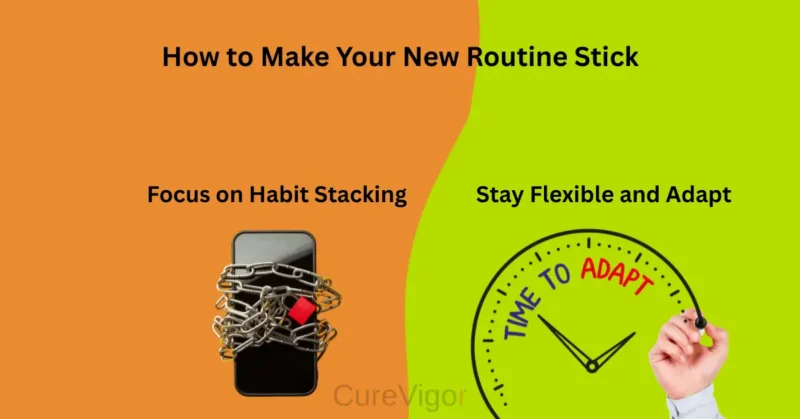
Life gets in the way. We get busy. We get tired. But it does not have to be this way. You can develop lifelong habits. The key is to work with your brain, not against it.
Focus on Habit Stacking
Willpower is a limited resource. You cannot rely on it forever. If you have to force yourself to do your daily practice, you will eventually quit.
You need a smarter way. You need to anchor your new habit to something you already do. This is called habit stacking. It uses the neural pathways you already have.
Look at your day. What do you do every single day without fail? You brush your teeth. You drink coffee. You eat lunch. You go to bed.
These are solid habits. They are anchored in your brain. You can attach your new practice to one of these. For example, “I will do my morning planning while I drink my coffee.” The coffee becomes the trigger.
When you drink your coffee, your brain automatically knows it is time to plan. You do not have to remember. You do not have to debate with yourself. It just happens.
This removes the friction of starting. The hardest part of any habit is just starting. Habit stacking makes starting automatic.
You can stack habits in the evening, too. “After I brush my teeth, I will do my five-minute review.” Brushing your teeth triggers the review. It becomes a seamless part of your bedtime routine.
Over time, these two actions fuse together. Brushing teeth feels incomplete without the review. This is how a habit becomes permanent.
Choose a trigger that makes sense for you. If you are not a morning person, do not stack your habit onto waking up. You might be too groggy. Stack it onto something you enjoy, like a tasty breakfast or a favorite podcast.
Pair a habit you need with a habit you want. This creates a reward system. You look forward to doing the practice because it comes with something pleasant.
Be specific with your stacking. Do not just say, “I will do it in the morning.” Say, “I will do it as soon as my coffee cup hits the desk.”
Precision helps your brain lock in the pattern. The clearer the cue, the stronger the habit. Build your new practice on the foundation of your old life. It will stand much taller and last much longer.
Stay Flexible and Adapt
A daily routine should be a tool, not a cage. Adjust as your life changes.
Life is messy. Kids get sick. Cars break down. Work projects explode. If your routine is too rigid, it will shatter under pressure. You need to be flexible.
Your daily practice is a tool to help you. It is not a cage to trap you. If the tool stops working, fix it. Do not throw it away. Change it to fit your current reality.
There will be days when you cannot do your full practice. Maybe you are travelling. Maybe you are sick. That is okay.
Have a “minimal viable habit.” This is a tiny version of your practice. Maybe you cannot do a full review. Just ask yourself, “What is the one thing I must do tomorrow?”
That takes thirty seconds. It keeps the habit alive.
Do not fall into the “all or nothing” trap. Perfectionism is the enemy of consistency. People often think, “I missed three days, so I failed. I might as well quit.”
This is a lie. You never fail until you stop trying. If you miss a day, just start again the next day. Be kind to yourself. Life happens.
Your seasons of life will change. A routine that works for a single person might not work for a new parent. A routine that works in the summer might not work in the winter.
Review your system every month. Ask yourself if it is still serving you. If not, tweak it. Maybe you need to move your planning time to the afternoon.
Maybe you need to cut your Big Three down to a Big One. Listen to your needs.
Flexibility also means knowing when to rest. Sometimes the most productive thing you can do is nothing. If you are burning out, push pause.
Your routine will be waiting for you when you get back. Rest is part of the cycle, not a break from it. A good practice includes space for recovery. It honors the natural rhythms of energy.
Remember, the goal of this practice is freedom. You want to be free from chaos and stress. If your routine causes you stress, it is not working. It should feel like a safety net, not a tightrope.
Adjust the tension until it feels right. Stay playful. Experiment. Find what works for you and keep evolving. This is how you build a practice that lasts a lifetime.
Final Summary
Reclaiming your time is not about working harder. It is about working with more intention.
By setting clear daily intentions, you give your day a purpose. By identifying your Big Three tasks, you focus on what truly moves the needle.
By reflecting each evening, you learn and improve. These simple steps build a powerful system.
Consistency is the glue that holds it all together. When you show up for yourself every day, you stop reacting to the world.
You start acting on your own plans. You reduce decision fatigue and save your energy for the big wins. You build momentum toward your long-term goals, one small step at a time.
Making these habits stick is easier than you think. Use habit stacking to anchor your new practice to things you already do. Stay flexible and adapt your routine as life changes. Be kind to yourself when you slip up.
The goal is progress, not perfection. Start today. Pick one intention. Choose your Big Three. Take five minutes tonight to review. You have the power to change your life, one purposeful day at a time.
Read more Life Balance articles.
You might like: