
Try these 7 fat-burning hacks to naturally eliminate stubborn fat. Learn how protein, walking, strength training, and better sleep support sustainable weight loss.
Struggling with stubborn fat despite your efforts? These 7 fat-burning hacks can help you build healthier habits, manage your calorie intake, and support sustainable weight loss.
From eating more protein to improving sleep, small, consistent changes can make a difference over time.
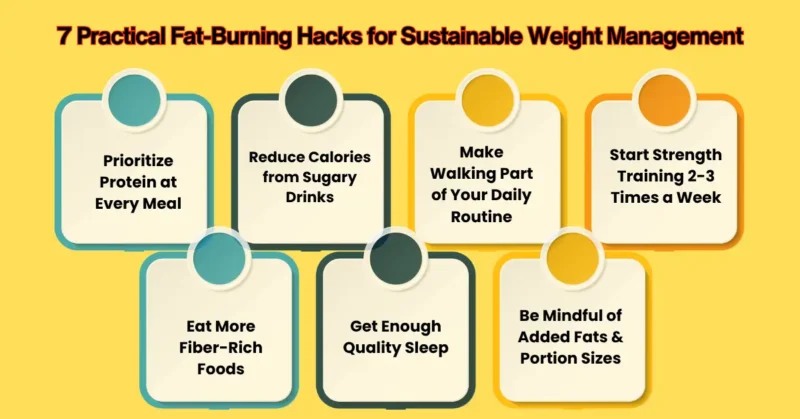
7 Practical Fat-Burning Hacks for Sustainable Weight Management
Losing stubborn body fat takes more than following a strict diet or spending hours at the gym. A sustainable approach combines a small calorie deficit with healthy eating, regular movement, strength training, and enough sleep.
These habits help you lose fat while protecting muscle and maintaining your energy.
No single food or exercise melts fat from a specific area. However, small changes to your daily routine can make weight management easier and help you maintain your progress over time.
1. Prioritize Protein at Every Meal
Protein plays an important role in healthy weight management. Your body uses more energy to digest protein than it does to digest carbohydrates or fats.
This is known as the thermic effect of food. Although the effect is modest, protein can also help you feel full and preserve muscle while you lose weight.
When you reduce your calorie intake, your body may lose both fat and muscle. Eating enough protein, especially when combined with strength training, can help limit muscle loss.
How to Add More Protein to Your Diet
Choose a variety of protein-rich foods, such as:
- Eggs: A convenient protein source for breakfast or a quick meal.
- Chicken and fish: Lean options that provide protein without excessive added fat.
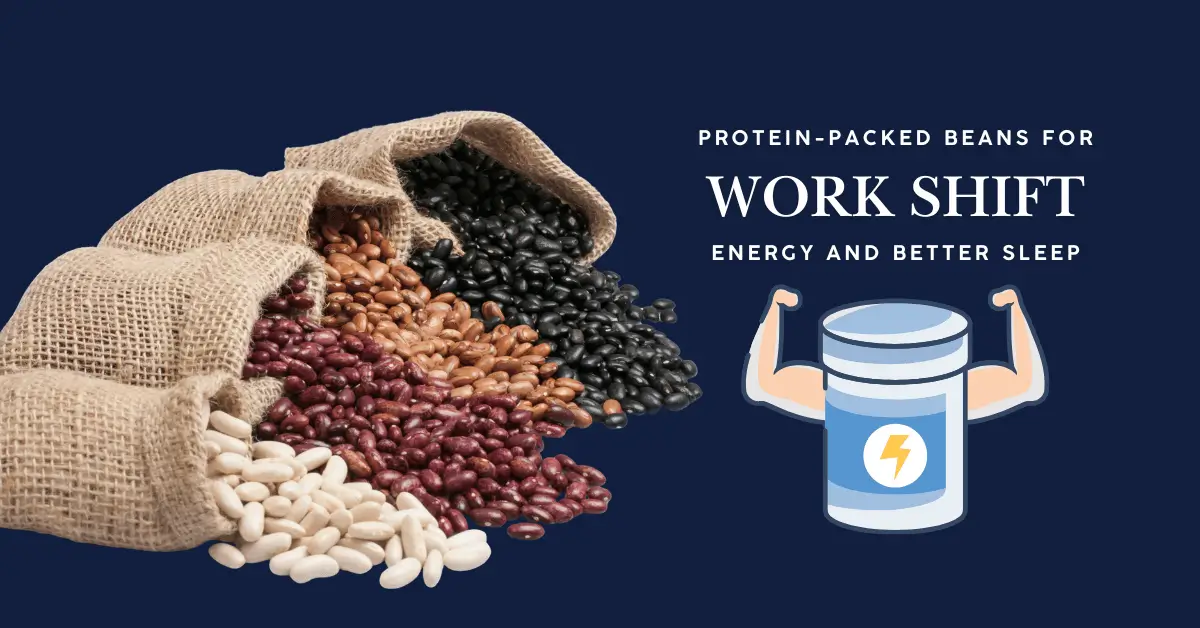
- Lentils and beans: Affordable plant-based sources of protein and fiber.
- Greek yogurt: A protein-rich snack that can help you feel satisfied.
- Tofu and chickpeas: Useful alternatives for people who prefer plant-based meals.
Try to include a protein source in each main meal. For example, you could have eggs with whole-grain toast for breakfast, lentils with vegetables for lunch, and grilled chicken or tofu with salad for dinner.
You do not need to eat excessive amounts of protein. Your ideal intake depends on factors such as your body size, activity level, age, and health.
If you have kidney disease or another condition that affects protein needs, ask a healthcare professional for individualized advice.
2. Reduce Calories from Sugary Drinks
Liquid calories can add up quickly without making you feel as full as solid food. Sugary sodas, sweetened tea, fruit drinks, and coffee loaded with syrup or cream may contribute substantial calories to your daily intake.

Cutting back on these drinks can create a calorie deficit without major meal changes.
Make Smarter Drink Choices
Consider these practical swaps:
- Replace regular soda with sparkling water or plain water.
- Choose unsweetened tea instead of sweetened iced tea.
- Order coffee with less syrup or skip the whipped cream.
- Drink water with meals instead of sugary fruit drinks.
- If you drink alcohol, reducing your intake can also lower your calorie consumption.
You do not have to give up every drink you enjoy. Start by identifying the drinks you consume most often and make manageable changes.
For example, if you usually drink two sweetened coffees a day, try reducing the syrup or replacing one with unsweetened coffee. These small adjustments can reduce your calorie intake over time.
Remember that fruit juice, even without added sugar, can contain considerable natural sugar and calories. Whole fruit is usually more filling because it contains fiber.

3. Make Walking Part of Your Daily Routine
Walking is a simple way to increase daily activity without requiring special equipment or an expensive gym membership. It helps you use energy, supports cardiovascular health, and can improve blood sugar control.
You don’t need to walk fast to benefit. Regular, comfortable walking can contribute to your overall activity level and help you build a routine you can maintain.
Try Short Walks After Meals
A short walk after eating may help reduce the rise in blood sugar that follows a meal. Even a 10-minute walk can be a useful starting point, particularly if you spend much of the day sitting.
You can make walking easier by:
- Taking a short walk after lunch or dinner.
- Walking while listening to music or a podcast.
- Using the stairs when practical.
- Parking a little farther from your destination.
- Taking brief movement breaks during long periods of sitting.
Some people aim for 8,000–10,000 steps a day, but this isn’t required for weight loss. Your needs depend on your current activity level, health, and schedule.
If you are not very active, begin with a comfortable number of steps and gradually increase it.
Consistency matters more than reaching a particular number every day. Even modest increases in daily movement can support your weight-management efforts.
4. Start Strength Training 2-3 Times a Week
Strength training helps build and maintain muscle. This is especially important during weight loss because a calorie deficit can cause you to lose some muscle along with fat.
Maintaining muscle supports strength, mobility, and everyday activities. Muscle also uses energy at rest, although the effect on your overall metabolism is relatively small.
Strength training should therefore be viewed as a way to preserve muscle and improve fitness, not as a shortcut to rapid fat loss.
Simple Ways to Begin Strength Training
You can start with bodyweight exercises or light weights. Some useful options include:
- Squats: Strengthen your legs and glutes.
- Wall push-ups: Help build upper-body strength.
- Glute bridges: Work the muscles around your hips.
- Resistance-band rows: Strengthen your back and arms.
- Light dumbbell exercises: Build strength gradually as you improve.
Try to work all major muscle groups at least twice a week, with time to recover between challenging sessions. Start with a few exercises and focus on correct form rather than lifting heavy weights.
If you have joint pain, an injury, or a chronic health condition, consider asking a qualified professional how to exercise safely.
5. Eat More Fiber-Rich Foods
Fiber helps you feel full and supports healthy digestion. Fiber-rich foods often take longer to chew and digest, which can help you feel satisfied after meals. Many are also naturally rich in vitamins, minerals, and other nutrients.
Adding fiber-rich foods to your meals can make a calorie-controlled diet easier to follow without leaving you constantly hungry.
Choose Foods That Keep You Satisfied
Include a variety of fiber-rich foods in your daily meals:
- Vegetables: Broccoli, carrots, spinach, cabbage, and cauliflower.
- Fruits: Apples, pears, berries, oranges, and guava.
- Legumes: Beans, chickpeas, and lentils.
- Whole grains: Oats, brown rice, and whole-wheat bread.
- Seeds: Chia seeds and ground flax seeds.
For example, you can add vegetables to an omelet, eat fruit with plain yogurt, or include lentils in your lunch. These simple combinations provide fiber along with other nutrients.
Increase your fiber intake gradually, especially if you currently eat very little fiber. Drinking enough water can also help prevent constipation and digestive discomfort.
Fiber supports fullness, but no particular food can directly burn belly fat or target fat in a specific area. Overall calorie intake, activity, sleep, and other factors influence body-fat changes.

6. Get Enough Quality Sleep
Sleep is an important part of weight management. Too little sleep can affect appetite, food choices, energy, and your ability to stay active. It may also influence hormones involved in hunger and fullness.
When you are tired, you may feel hungrier, crave high-calorie foods, or find it harder to maintain your usual exercise routine. Poor sleep can make a calorie deficit harder to sustain.
Most adults need at least seven hours of sleep per night, although individual needs vary. Sleep quality and a consistent sleep schedule also matter.
Build a Sleep Routine You Can Maintain
Try these habits to support better sleep:
- Go to bed and wake up at roughly the same time each day.
- Keep your bedroom cool, quiet, and dark.
- Reduce bright screens and stimulating activities before bed.
- Avoid large meals, caffeine, and alcohol close to bedtime.
- Create a relaxing routine, such as reading or taking a warm shower.
If you work night shifts, protecting daytime sleep may require extra planning. Use blackout curtains, reduce noise, and keep your sleep environment comfortable. When possible, try to maintain a regular sleep schedule even on days off.
Sleep helps regulate appetite and supports general health, but it is not accurate to say that getting more sleep automatically burns fat or prevents fat storage. It is one part of a broader approach to managing weight.
7. Be Mindful of Added Fats and Portion Sizes
Healthy fats are an important part of a balanced diet. Foods such as olive oil, nuts, seeds, and avocados provide nutrients that support overall health.
However, fats are calorie-dense, so large portions can make it easier to consume more calories than you need.
You do not have to eliminate fat or cut every source in half. Instead, watch portions and look for small, practical adjustments.
Reduce Extra Calories Without Losing Flavor
Try these simple changes:
- Measure cooking oil instead of pouring it freely into the pan.
- Use less butter when cooking or spreading it on bread.
- Choose moderate portions of cheese.
- Use herbs, spices, lemon juice, or vinegar to add flavor.
- Measure nuts and seeds rather than eating directly from a large packet.
For example, you can roast vegetables with a measured amount of oil instead of deep-frying them. You can also use a smaller portion of cheese while adding more vegetables to your meal.
These changes can reduce calories without making your meals feel restrictive. However, avoid cutting fats too severely. Your body needs dietary fat to absorb certain vitamins and support normal functions.
How to Combine These Habits for Sustainable Fat Loss
You do not need to change everything at once. Trying to follow too many strict rules can make a new routine difficult to maintain.
Instead, choose two or three habits that fit your current lifestyle. You might start by adding protein to breakfast, taking a short walk after dinner, and cutting back on sugary drinks.
Once these changes feel manageable, introduce strength training or improve your sleep routine.
A small calorie deficit is generally more sustainable than severe food restriction. The goal is to eat enough to meet your nutritional needs while gradually reducing excess calorie intake.
Progress may be slow, and body weight can fluctuate because of water, digestion, and other factors. Look at longer-term patterns rather than judging your progress by a single day’s weight.
Most importantly, avoid treating these habits as a quick fix. Sustainable fat loss comes from routines you can maintain while still enjoying food, social activities, and everyday life.
Key Takeaway
The most useful fat-loss habits are often simple: eat enough protein, choose fiber-rich foods, move regularly, strength train, sleep well, and watch portions.
These practices can support a modest calorie deficit while helping you protect muscle and maintain your overall health.
You do not need to follow a perfect routine. Start with small changes, give yourself time to adjust, and focus on consistency rather than quick results.
How Long to Stay in the Fat-Burning Zone
The fat-burning zone is the heart rate range where your body relies most heavily on fat for fuel—typically around 60% to 70% of your maximum heart rate. But how long you should stay there depends on your goals, fitness level, and workout structure.
The Short Answer
For most people, 30 to 60 minutes in the fat-burning zone per session is a solid target. Beginners can start with 20 to 30 minutes and build up gradually. You don’t need hours—consistency across the week matters far more than one long session.
Why the Fat-Burning Zone Works
At lower intensities, your body has enough oxygen to break down fat efficiently for energy. Push too hard, and you shift into carbohydrate burning.
That said, the “zone” isn’t magic—total calories burned and overall diet still drive fat loss. The zone simply means a higher percentage of the calories you burn come from fat, not necessarily more total fat lost.
How Long Should You Stay In It?
| Goal | Duration | Frequency |
|---|---|---|
| General health | 30 minutes | 3–5 days/week |
| Fat loss | 45–60 minutes | 4–5 days/week |
| Endurance base | 60–90 minutes | 2–3 days/week |
| Beginners | 20–30 minutes | 3 days/week |
Tips to Make It Count
Warm up first – Give your heart rate 5–10 minutes to reach the zone.
Stay conversational – If you can talk but not sing, you’re in the right range.
Mix it up – Pair zone training with strength work and occasional HIIT for better results.
Don’t overdo it – Longer isn’t always better; recovery matters.
Track progress – Watch trends over weeks, not day to day.
The Bottom Line: Aim for 30 to 60 minutes in the fat-burning zone most days, and pair it with a sensible diet and strength training. The zone helps, but consistency and total activity are what truly move the needle.
FAQs on Fat-Burning Hacks
Q. What is the fastest way to lose stubborn fat?
There’s no magic shortcut—stubborn fat comes off fastest with a moderate calorie deficit, high protein intake, and consistent strength training.
Adding short bursts of high-intensity cardio can speed things up by boosting your daily burn.
Sleep and stress management matter more than most people think, since poor sleep raises hunger hormones. Sustainable pace beats crash dieting, which usually backfires.
Q. What is the Japanese trick to losing weight?
The most talked-about Japanese approach is eating until you’re only about 80% full—a practice called “hara hachi bu.” It’s paired with a diet rich in fish, vegetables, miso, seaweed, and green tea, plus smaller portions served on multiple small plates.
Mindful eating, slower chewing, and stopping before you feel stuffed are the real secrets. It’s less a trick and more a lifestyle that naturally controls calories.
Q. What is the 3-3-3 rule for losing fat?
The 3-3-3 rule is a simple framework: eat 3 balanced meals a day, drink 3 liters of water, and move for 30 minutes daily. Some versions swap in 3 servings of vegetables or 3 strength sessions per week.
The idea is consistency over complexity—three easy anchors you can actually stick to. It’s not a scientifically named protocol, but the habits behind it support fat loss.
Q. Why is my stubborn belly fat not going away?
Belly fat is often the last to go because it’s tied to hormones, genetics, sleep quality, and chronic stress—not just diet. High cortisol from ongoing stress specifically encourages fat storage around the midsection.
Age-related hormone shifts, poor sleep, and hidden calories from drinks or snacking also stall progress. Spot reduction doesn’t work, so you need overall fat loss plus patience.
Q. What kills the most belly fat?
No single food or exercise “kills” belly fat, but the strongest combination is a calorie deficit with plenty of protein, fiber, and healthy fats.
Strength training builds muscle, which raises your resting metabolism, while cardio and daily movement increase your burn.
Cutting added sugar and refined carbs helps reduce visceral fat specifically. Sleep and stress control are the underrated pieces that make everything else work.
Q. What exercises burn the most fat?
High-intensity interval training (HIIT) burns the most calories per minute and keeps your metabolism elevated afterward.
Compound strength moves like squats, deadlifts, lunges, and push-ups recruit large muscle groups for a bigger burn.
Running, cycling, swimming, and jump rope are top cardio choices—the best routine mixes strength, HIIT, and steady cardio rather than relying on one.
Q. What drink burns the most belly fat?
No drink literally burns fat, but green tea and black coffee are the most supported for a small metabolic boost thanks to caffeine and antioxidants.
Water, especially before meals, helps with fullness and reduces liquid calorie intake. Apple cider vinegar may slightly blunt appetite, but the evidence is modest. The real win is replacing sugary sodas and juices with these low-calorie options.
Conclusion on Fat-Burning Hacks
Eliminating stubborn fat doesn’t require extreme diets or exhausting workouts. A combination of balanced meals, regular walking, strength training, adequate sleep, and mindful portion sizes can support gradual, sustainable fat loss.
Start with a few habits that fit your lifestyle and build on them as you progress. Remember, consistency matters more than perfection, and no single hack can target fat in a specific area.
No great achievement is possible without persistent work. —Bertrand Russell
Read more articles on Health and Wellness Tips.