
Planning a 10-hour night shift meal plan can feel tricky because your body is awake when it naturally expects rest.
You may notice cravings, low energy, stomach discomfort, or a caffeine crash halfway through your shift.
Your goal should be to eat meals that provide steady energy without leaving you feeling heavy, sleepy, or bloated.
Night shift eating matters because irregular meal timing can affect digestion, blood sugar control, alertness, and long-term health.
Research on shift work commonly links overnight schedules to disrupted circadian rhythms, poorer sleep quality, and an increased risk of metabolic issues.
Food choices cannot remove every challenge of night work, but they can help you feel more stable and focused.

In this guide, you’ll learn the top 5 powerful meals for a 10-hour night shift, when to eat them, what to avoid, how to prep them, and how to build a practical night shift eating routine.
Best 10-Hour Night Shift Meal Plan
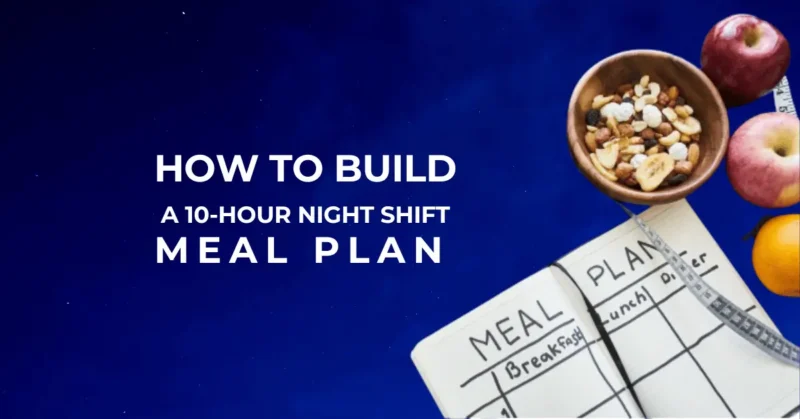
A strong 10-hour night-shift meal plan should include a balanced pre-shift meal, one main work meal, one protein-rich snack, one light late-shift option, and a small post-shift recovery meal, if needed. Choose lean protein, complex carbohydrates, healthy fats, fiber, and plenty of water to support steady energy.
Example meal timing:
- Before shift: Balanced dinner-style meal
- Early shift: Light snack if needed
- Mid-shift: Main meal
- Late shift: Protein-rich snack or light meal
- After shift: Small sleep-friendly meal if hungry
Key Definitions
| Circadian rhythm | Your body’s internal 24-hour clock | Night shifts disrupt normal sleep, hunger, digestion, and alertness patterns. |
| Complex carbohydrates | Slower-digesting carbs like oats, brown rice, beans, and whole grains | Help provide steadier energy than sugary foods |
| Lean protein | Protein sources lower in saturated fat, such as chicken, eggs, fish, tofu, Greek yogurt, and beans | Supports fullness, muscle repair, and stable energy |
| Glycemic response | How quickly food raises blood sugar | Balanced meals may reduce energy crashes |
| Meal prep | Preparing meals in advance | Helps you avoid vending machines, fast food, and skipped meals |
Why Meal Planning Matters During a 10-Hour Night Shift
Working overnight puts your eating schedule in conflict with your natural body clock.
Your digestion may slow down at night, and your appetite hormones can shift. This may be why you crave sugary snacks, salty foods, or large meals at 2 a.m.
You can improve your energy by planning lighter, balanced meals that are easy to digest.
A practical night shift meal plan should help you
- Stay alert without relying on caffeine alone.
- Avoid large blood sugar spikes and crashes.
- Reduce bloating and stomach discomfort.
- Support better sleep after your shift.
- Make healthier choices when you are tired.
However, nutrition is personal. If you have diabetes, kidney disease, gastrointestinal conditions, pregnancy-related needs, or take medication affected by food timing, you should consider guidance from a registered dietitian or healthcare professional.
What Should You Eat During a 10-Hour Night Shift?
Eat balanced, easy-to-digest meals during a 10-hour night shift, focusing on lean protein, complex carbohydrates, healthy fats, and fiber. A good plan includes one full meal before work, one moderate meal during the shift, and one or two light snacks to prevent fatigue and cravings.
Simple 10-hour night shift eating plan
- Eat a balanced meal 1–2 hours before work.
- Pack a moderate mid-shift meal.
- Include one protein-rich snack.
- Drink water throughout the shift.
- Keep the final meal light before sleep.
Summary
- Choose protein, fiber, and slow-digesting carbs.
- Avoid very greasy or sugary foods overnight.
- Time caffeine early, not near the end of your shift.
- Keep portions moderate to reduce sleepiness.
Top 5 Powerful Meals for a 10-Hour Night Shift
The best meals for night shift workers are filling but not heavy. They should be portable, simple to reheat, and balanced enough to keep your energy steady.
Meal 1: Chicken, Brown Rice, and Roasted Vegetable Bowl
This is one of the best all-around meals for a 10-hour night shift because it combines lean protein, complex carbohydrates, fiber, and micronutrients.
Why it works
Chicken provides protein for fullness. Brown rice gives slow-release carbohydrates. Roasted vegetables add fiber, potassium, magnesium, and antioxidants. For healthy fats, you may also add avocado or olive oil.
Practical example
Meal bowl:
- Grilled chicken breast or thigh
- Brown rice or quinoa
- Roasted broccoli, carrots, zucchini, or bell peppers
- Olive oil-based dressing
- Optional: hummus, avocado, or pumpkin seeds
Best time to eat it
This meal works well as your pre-shift meal or mid-shift main meal. If your shift starts at 9 p.m., you could eat it around 7:30 p.m. or around 1 a.m.
Common challenge
You may feel too full if the portion is too large.
Actionable solution
Use a simple plate method:
- ½ plate of vegetables
- ¼ plate protein
- ¼ plate complex carbohydrate
- A small amount of healthy fat
Meal 2: Turkey and Avocado Whole-Grain Wrap
During a quick break, a turkey and avocado wrap is easy to eat, portable, and convenient. It is especially useful if you do not have access to a microwave.
Why it works
Turkey provides lean protein. Whole-grain wraps provide fiber-rich carbohydrates. Avocado adds healthy fat, which helps you feel full. Add greens for volume and nutrients.
Practical example
Wrap ingredients:
- Whole-grain tortilla
- Turkey slices or grilled turkey breast
- Avocado or hummus
- Spinach or romaine lettuce
- Tomato slices
- Cucumber
- Mustard or Greek yogurt sauce
Best time to eat it
This meal is ideal during the first half of your shift, especially if you need something quick but satisfying.
Common challenge
Store-bought wraps can be high in sodium, as can sauces.
Actionable solution
Make your own wrap and control the ingredients. Use mustard, hummus, or Greek yogurt instead of heavy mayonnaise-based sauces.
Meal 3: Salmon, Sweet Potato, and Green Beans
This meal is nutrient-dense and satisfying without being overly large. It is especially useful for workers who want a filling meal that supports heart health.
Why it works
Salmon contains high-quality protein and omega-3 fatty acids. Sweet potatoes provide complex carbohydrates, potassium, and fiber. Green beans add volume and nutrients with minimal heaviness.
Practical example
Meal prep plate:
- Baked salmon
- Roasted sweet potato
- Steamed green beans
- Lemon juice
- Olive oil or herbs
Best time to eat it
Eat this as a pre-shift meal or during your main break. If you often get hungry halfway through the night, this meal can help you stay satisfied longer.
Common challenge
Fish smell can be an issue in shared break rooms.
Actionable solution
If reheating fish isn’t practical, use canned salmon in a cold salad, or replace it with chicken, tofu, tuna, or boiled eggs.
Meal 4: Greek Yogurt Protein Bowl with Oats, Berries, and Nuts
This meal is lighter than a full dinner but still offers protein, fiber, and slow-digesting carbohydrates. It works well as a snack or mini-meal.
Why it works
Greek yogurt is high in protein. Oats add complex carbohydrates and soluble fiber. Berries provide natural sweetness, antioxidants, and fiber. Nuts or seeds add healthy fats.
Practical example
Protein bowl:
- Plain Greek yogurt
- Rolled oats or low-sugar granola
- Blueberries, strawberries, or raspberries
- Chia seeds or flaxseed
- Almonds or walnuts
- Cinnamon
Best time to eat it
This is a good late-shift snack, especially around 3–5 a.m. when energy often dips.
Common challenge
Flavored yogurts can contain a lot of added sugar.
Actionable solution
If necessary, add a tiny sprinkle of honey, fruit, or cinnamon to the plain Greek yogurt.
Meal 5: Lentil Soup with Whole-Grain Toast or Quinoa
Lentil soup is affordable, filling, and easy to batch cook. It is also a good option for vegetarian or plant-forward night-shift workers.
Why it works
Lentils contain plant-based protein, fiber, iron, and slow-digesting carbohydrates. Soup can also support hydration, especially if you struggle to drink enough water at night.
Practical example
Lentil soup bowl:
- Lentils
- Carrots
- Celery
- Tomatoes
- Spinach or kale
- Garlic and herbs
- Side of whole-grain toast or quinoa
Best time to eat it
This meal works well as a main break, especially in colder environments or in physically demanding jobs.
Common challenge
High-fiber meals can cause bloating if you are not used to them.
Actionable solution
Start with a smaller portion and increase gradually. Drink water and avoid pairing the meal with carbonated drinks if bloating is a problem.
Comparison Table: Top 5 Meals for a 10-Hour Night Shift
| Chicken, brown rice, and vegetables | Balanced energy | Protein, fiber, complex carbs | Pre-shift or mid-shift | Easy |
| Turkey avocado wrap | Quick breaks | Protein, healthy fat, fiber | Early shift | Very easy |
| Salmon, sweet potato, green beans | Long-lasting fullness | Protein, omega-3s, potassium | Pre-shift or main break | Moderate |
| Greek yogurt protein bowl | Light energy boost | Protein, fiber, calcium | Late shift snack | Very easy |
| Lentil soup with toast | Budget-friendly meal | Plant protein, fiber, iron | Main break | Easy to moderate |
What Is the Best Time to Eat on a 10-Hour Night Shift?
The best times to eat on a 10-hour night shift are before work, midway through the shift, and lightly near the end, if needed. Large meals late in the shift may interfere with sleep, so your heaviest meal should usually be before work or during the first half of the shift.
Suggested meal timing
- One to two hours prior to your shift, eat a well-balanced dinner.
- If you’re hungry, have a small snack 2–3 hours into work.
- Eat your main packed meal around the midpoint.
- Choose a light snack near the end if needed.
- Avoid a heavy meal right before sleep.
Summary
- Eat earlier in the shift.
- Keep late-shift foods lighter.
- Match meal timing to your break schedule.
- Avoid going 10 hours on caffeine alone.
Sample 10-Hour Night Shift Meal Plan
Here is a realistic plan for someone working from 9 p.m. to 7 a.m.
| 7:30 p.m. | Pre-shift meal | Chicken, brown rice, roasted vegetables |
| 10:30 p.m. | Light snack | Apple with peanut butter |
| 1:30 a.m. | Main meal | Turkey avocado wrap with salad |
| 4:30 a.m. | Late-shift snack | Greek yogurt with berries and chia seeds |
| 7:30 a.m. | Post-shift option | Small oatmeal, banana, or toast with egg if hungry |
Your exact timing may differ. Consider your workload, break schedule, commute, sleep time, and appetite.
Step 1: Choose your pre-shift anchor meal
Start with a balanced meal before work. This prevents you from beginning the shift hungry and reaching for quick sugar.
Good options include:
- Chicken and rice bowl
- Salmon with sweet potato
- Lentil soup with toast
- Egg and vegetable scramble with whole-grain toast
Step 2: Pack your main work meal
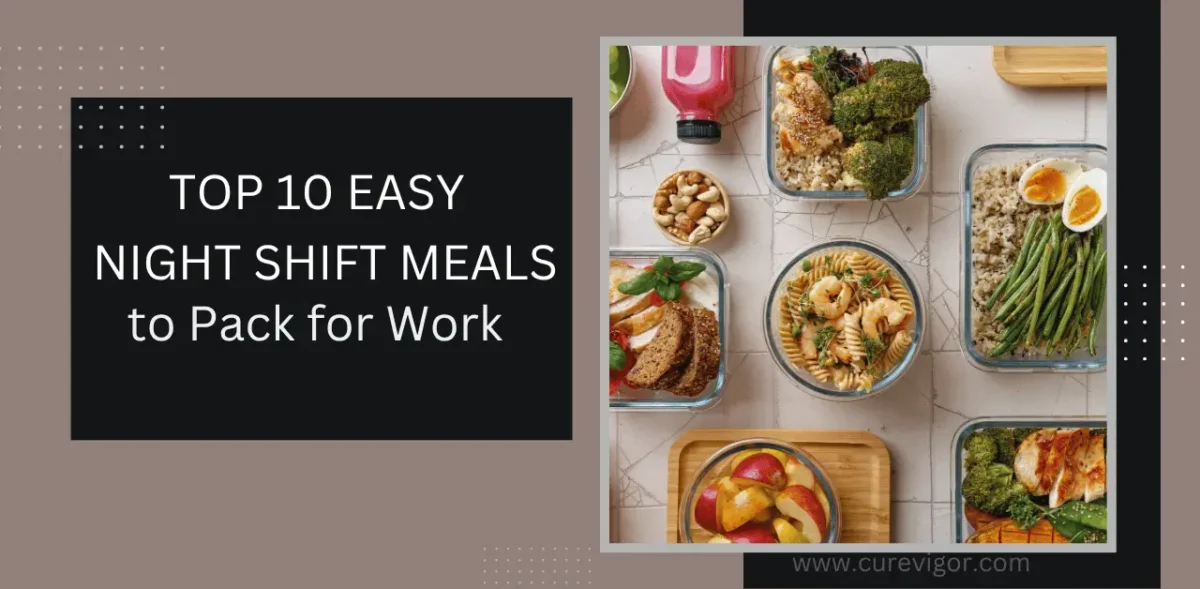
Your main meal should be satisfying but not overly heavy. Avoid meals that are very greasy, oversized, or high in added sugar.
Useful combinations:
- Protein + complex carb + vegetables
- Soup + whole grain
- Wrap + fruit
- Bowl meal + healthy fat
Step 3: Add one or two smart snacks
Snacks can prevent overeating and help manage energy dips.
Good night shift snacks:
- Greek yogurt
- Hard-boiled eggs
- Cottage cheese
- Apple with peanut butter
- Trail mix in a small portion
- Hummus with vegetables
- Tuna or chicken packet with whole-grain crackers
Step 4: Plan caffeine carefully
Caffeine can improve alertness, but timing matters. For many people, caffeine too late in the shift makes daytime sleep harder.
You may want to stop caffeine 6–8 hours before your planned sleep time, depending on your sensitivity.
Step 5: Keep post-shift eating light
After work, your body is preparing for sleep. If you are hungry, choose something small and easy to digest.
Examples:
- Oatmeal
- Banana with peanut butter
- Toast with egg
- Greek yogurt
- Small smoothie
- Warm milk or herbal tea with a light snack
Best Snacks for a 10-Hour Night Shift

Snacks should fill nutrition gaps, not replace every meal. Boost your energy by choosing snacks high in protein and fiber.
| Apple with peanut butter | Fiber plus healthy fat | Early- or mid-shift |
| Greek yogurt with berries | Protein plus antioxidants | Late shift |
| Boiled eggs and fruit | Protein plus quick carbohydrates | Mid-shift |
| Hummus and vegetables | Fiber, protein, hydration | Any break |
| Cottage cheese and whole-grain crackers | Protein plus complex carbs | Late shift |
| A small handful of nuts | Healthy fats and minerals | Short break |
| Oatmeal cup | Warm, filling, slow energy | Late shift or post-shift |
What Foods Should You Avoid During a Night Shift?
Limit greasy fast food, sugary snacks, energy drinks, large, heavy meals, and excessive caffeine during a night shift.
These foods may worsen sleepiness, stomach discomfort, blood sugar swings, and poor sleep after work. You do not need perfection, but better choices should be easy to access.
Foods to limit
- Fried foods and heavy takeout
- Candy, pastries, and high-sugar snacks
- Large portions of pasta or pizza late at night
- Energy drinks close to the end of your shift
- Carbonated drinks, if they cause bloating
Summary
- Avoid heavy meals near the end of the shift.
- Limit added sugar to reduce crashes.
- Use caffeine strategically.
- Pack food so vending machines aren’t your only option.

Hydration Tips for Night Shift Workers
Hydration is often overlooked. You may notice headaches, fatigue, dry mouth, or poor concentration when you are mildly dehydrated.
Aim for steady hydration, not a huge amount all at once.
Practical hydration tips:
- Keep a refillable water bottle nearby.
- Drink water before caffeine.
- Add lemon, cucumber, or mint if plain water feels boring.
- Use electrolytes occasionally if your work is hot or physically demanding.
- Limit sugary drinks and excessive energy drinks.
A simple target for many adults is pale-yellow urine and regular fluid intake, but needs vary by body size, activity level, climate, and medical conditions.
Common Challenges and Practical Solutions
Challenge 1: You feel tired after eating
Large, high-fat, or high-sugar meals can make you feel sluggish. Overnight digestion may also feel slower.
Solution: Choose smaller balanced meals. Include protein, vegetables, and moderate complex carbohydrates.
Challenge 2: You crave sugar at 3 a.m.
This is common. Fatigue and circadian disruption can increase cravings.
Solution: Pack sweet but nutritious options like Greek yogurt with berries, fruit with nut butter, or oatmeal with cinnamon.
Challenge 3: You do not have time for meal prep
You do not need complicated recipes.
Solution: Use repeatable basics: rotisserie chicken, microwave rice, bagged salad, canned lentil soup, boiled eggs, yogurt, and fruit.
Challenge 4: You have limited fridge or microwave access
Many workers cannot easily store or heat meals.
Solution: Pack shelf-stable or cold-friendly foods like wraps, tuna packets, nuts, fruit, whole-grain crackers, and low-added-sugar protein bars, along with insulated lunch bags.
Challenge 5: You are hungry after your shift
Going to bed too hungry can disrupt sleep, but a heavy meal can also make sleep uncomfortable.
Solution: Eat a small post-shift snack with protein or complex carbs, such as oatmeal, yogurt, toast with egg, or banana with peanut butter.
Quick Meal Prep Plan for 3 Night Shifts
Prep once, eat well for three shifts
A simple 3-shift meal prep plan can reduce stress and improve consistency. Cook one protein, one grain, two vegetables, and two snack options. This gives you enough variety without spending hours in the kitchen or relying on takeout during overnight breaks.
Meal prep steps
- Cook 3 portions of chicken, tofu, salmon, or lentils.
- Prepare brown rice, quinoa, or sweet potatoes.
- Roast two trays of vegetables.
- Portion Greek yogurt, fruit, and nuts.
- Pack meals in labeled containers.
Summary
- Keep meal prep simple and repeatable.
- Cook ingredients you can mix in different ways.
- Prepare snacks before fatigue hits.
- Use insulated bags if fridge access is limited.
Key Takeaways
- A good 10-hour night-shift meal plan should include balanced meals, smart snacks, hydration, and careful caffeine timing.
- The top 5 powerful meals are chicken rice bowls, turkey avocado wraps, salmon with sweet potato, Greek yogurt protein bowls, and lentil soup.
- Your heaviest meal should usually be before work or during the first half of your shift.
- Keep late-shift meals lighter to support better sleep after work.
- Protein, fiber, complex carbohydrates, and healthy fats help reduce energy crashes.
- Avoid relying on energy drinks, candy, fried foods, or vending-machine snacks.
- Meal prep does not need to be complicated; simple, repeatable meals work best.
- If you have a medical condition, personalized nutrition advice is important.
FAQ: 10-Hour Night Shift Meal Plan
Q. What is the best meal to eat before a 10-hour night shift?
The best meal before a 10-hour night shift is a balanced plate with lean protein, complex carbohydrates, vegetables, and a small amount of healthy fat. This gives you steady energy before your body reaches the most difficult overnight hours.
Good examples include chicken with brown rice and vegetables, salmon with sweet potato, tofu stir-fry with quinoa, or lentil soup with whole-grain toast. Eat this meal about 1–2 hours before your shift so you aren’t overly full when work begins.
Avoid starting your shift with only coffee or sugary snacks because that can lead to hunger and energy crashes later. Aim to feel satisfied, alert, and comfortable.
Q. How many meals should I eat during a 10-hour night shift?
You should usually eat one balanced meal before work, one moderate meal during the shift, and one or two light snacks as needed. This pattern works better than grazing constantly or eating one very large meal at 3 a.m.
For example, you might eat dinner before work, pack a wrap or bowl for your main break, and bring Greek yogurt or fruit with nut butter for later. Your exact number of meals depends on your job demands, hunger, health goals, and break schedule.
If your work is physically demanding, you may need more food. If you sit most of the shift, lighter portions may feel better.
Q. Is it bad to eat a full meal at 3 a.m.?
Eating a full meal at 3 a.m. is not automatically bad, but it may cause sleepiness, indigestion, or poorer sleep for some people. Your body’s digestion and metabolic rhythm are usually less active overnight, so large greasy meals can feel heavier than they would during the day.
If your main break is around 3 a.m., choose a moderate, balanced meal instead of a very large one.
For example, a turkey wrap with vegetables, lentil soup, or a smaller portion of a chicken rice bowl can work well. You may notice better energy if you eat more before work and keep late-shift meals lighter.
Q. What snacks help you stay awake on a night shift?
The best snacks for staying awake on a night shift combine protein, fiber, and slow-digesting carbohydrates.
Good options include Greek yogurt with berries, apple with peanut butter, hummus with vegetables, boiled eggs with fruit, cottage cheese with whole-grain crackers, or a small portion of nuts.
These snacks support steadier energy than candy, pastries, or sweet drinks. You can improve alertness by pairing snacks with water and short movement breaks when possible.
Caffeine can help too, but it should not be your only strategy. Try to avoid high-sugar snacks because they may give you a quick lift followed by a crash.
Q. Should I drink coffee during a 10-hour night shift?
You can drink coffee during a 10-hour night shift, but timing and quantity matter. Caffeine can improve alertness, reaction time, and concentration, especially during the first half of the shift.
However, caffeine can remain active in your body for several hours and may reduce sleep quality after work.
Many people do best when they cut back on caffeine about 6–8 hours before planned sleep, though sensitivity varies. For a 9 p.m. to 7 a.m. shift, that may mean limiting coffee after 1–2 a.m.
You should also drink water because caffeine does not replace hydration. Avoid using energy drinks as your main source of fluids.
Q. What should I eat after a night shift before sleeping?
After a night shift, you should eat a small, easy-to-digest meal or snack if you are hungry. Good choices include oatmeal, a banana with peanut butter, Greek yogurt, toast with an egg, cottage cheese, or a small smoothie.
A heavy breakfast with fried foods, large portions, or lots of sugar may make it harder to sleep comfortably.
However, going to bed extremely hungry can also disrupt sleep. Aim for a light option that settles your stomach and supports rest.
Keep caffeine out of your post-shift routine. You can also create a wind-down habit with water, dim lighting, and a consistent sleep schedule.
Q. Are energy drinks good for night shift workers?
Energy drinks are not the best daily strategy for night shift workers, although occasional use may be acceptable for some healthy adults.
They often contain high caffeine levels, added sugar, and other stimulants that may increase jitters, heartburn, anxiety, or sleep problems.
Some sugar-free versions reduce sugar intake but still contain caffeine, which can interfere with daytime sleep. If you use energy drinks, check the caffeine amount and avoid drinking them late in your shift.
Consider having coffee or tea in moderate amounts, along with water and balanced meals. People with heart conditions, high blood pressure, pregnancy, or medication concerns should seek medical advice.
Q. How can I meal prep for night shifts without cooking every day?
You can meal prep for night shifts by cooking basic ingredients in batches and mixing them into different meals.
Prepare one or two proteins, such as chicken, tofu, eggs, lentils, or turkey. Add a grain like brown rice, quinoa, or whole-grain wraps.
Then prepare vegetables, fruit, yogurt, and snacks. For example, grilled chicken can become a rice bowl one night and a wrap the next. You can make lentils into soup or use them as a salad topping.
Use containers labeled by shift day to make packing easier. Your meal prep should be simple enough to repeat weekly. Convenience matters because tired workers need realistic systems.
Q. What foods cause sleepiness during a night shift?
Foods that commonly cause sleepiness during a night shift include large fried meals, heavy takeout, sugary snacks, oversized portions, and refined carbohydrates eaten alone.
Examples include fries, pizza, pastries, candy, large bowls of white pasta, and sweetened drinks.
These foods may digest slowly, cause blood sugar swings, or leave you feeling sluggish. That doesn’t mean you can never eat them, but they shouldn’t be your default overnight fuel.
You can reduce sleepiness by choosing smaller portions and pairing carbohydrates with protein and fiber. For example, choose a chicken wrap and fruit instead of a large fast-food combo.
Q. Can a better meal plan improve night-shift sleep?
A better meal plan can support night-shift sleep, but it cannot fully overcome circadian disruption.
Eating lighter near the end of your shift, limiting caffeine late at night, staying hydrated, and avoiding heavy, greasy meals before bed may help you sleep more comfortably.
However, sleep also depends on light exposure, noise, stress, room temperature, schedule consistency, and overall health. Consider blackout curtains, a sleep mask, white noise, and a wind-down routine after work.
Nutrition is one part of a larger night shift recovery plan. If insomnia persists, professional medical advice may help.
Conclusion
A smart 10-hour night shift meal plan should be simple, balanced, and realistic. You do not need perfect meals or complicated recipes. You need food that supports steady energy, digestion, hydration, and better sleep after work.
The top 5 meals are chicken rice bowls, turkey avocado wraps, salmon with sweet potato, Greek yogurt protein bowls, and lentil soup, giving you flexible options for different schedules, budgets, and break times.
Consider preparing meals before fatigue hits. Pack protein-rich snacks, drink water regularly, and keep your final meal light. Over time, these small choices can make your night shifts feel more manageable.
For a full breakdown of circadian rhythms and sleep hygiene strategies, see our master guide on Night Shift Meal Planning.
Read more about night shift workers’ health.
You might like: