

Learn the best tips for rotating shift schedules to improve sleep, boost energy, manage fatigue, and stay healthy and fit.
Rotating shifts can make even a healthy routine feel unpredictable. One week, you wake before sunrise for work. The next week, you finish late at night. Soon, your sleep, meals, exercise, and family time can feel like they happen at the wrong hours.
The good news is that working rotating shifts is easier for you to handle.
Although you have little influence over your employer’s schedule, you can improve your sleep environment, schedule meals around your shifts, use caffeine more sensibly, and protect your recovery time.
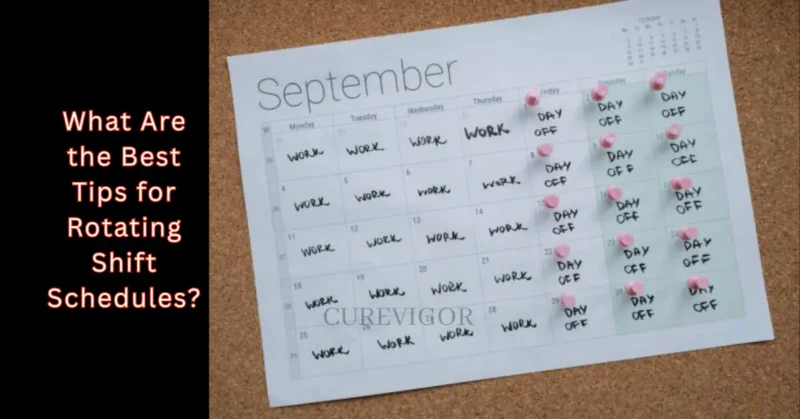
The best tips for rotating shift schedules focus on three things: getting enough sleep, managing changes in your body clock, and allowing enough time to recover between shifts.
A forward-rotating schedule may help, but your total workload and rest periods matter just as much.
This guide explains how to manage rotating shifts with practical routines for morning workers, evening workers, and night shift employees. It also covers what managers can do to reduce fatigue and help employees maintain a healthier work-life balance.
Direct Answer: Best Tips for Rotating Shifts
The best tips for rotating shift schedules include getting 7–9 hours of sleep, rotating forward when possible, managing light exposure, eating balanced meals, limiting caffeine before bed, and planning recovery time.
Communicate with your family and manager, avoid quick shift changes, and seek help if fatigue persists.

The Best Approach: Sleep and Recovery
Start with these simple habits:
- Protect sleep: Keep enough time for quality rest after every shift.
- Choose forward rotation: Move from morning to afternoon to night when possible.
- Prepare early: Gradually adjust your sleep routine before a shift change.
- Manage fatigue: Use breaks, balanced meals, and short naps when appropriate.
- Plan recovery: Leave time for rest instead of filling every day off with work.
Top 5 Rotating Shift Tips
- Take a 7- to 9-hour nap every day
- Keep your bedroom dark, cool, and quiet.
- Use light strategically to support alertness and sleep.
- Avoid caffeine close to bedtime.
- Allow enough recovery time between shifts.
These habits can help improve energy, sleep, and daily well-being.
Why Rotating Shifts Are Hard on Body and Mind
Circadian rhythms regulate sleep, alertness, and other biochemical processes. Light and darkness help control this clock, but rotating shifts repeatedly change when you need to sleep and work.

Circadian Rhythm and Fatigue
Moving between morning and night shifts can disrupt your sleep routine. Daylight may make daytime sleep harder, while your body may feel sleepy during night work.
Common effects include:
- Trouble falling or staying asleep.
- Daytime sleepiness and low energy.
- Reduced concentration and slower reactions.
- Irritability and difficulty managing stress.
- Increased risk of mistakes at work.
The UK Health and Safety Executive highlights shift timing, rotation direction, workload, shift length, and rest periods as important factors in fatigue management.
Mental Health and Work-Life Balance
Rotating shifts can make it harder to maintain time for family, exercise, friendships, and hobbies. Constant tiredness may also increase stress and make everyday responsibilities feel overwhelming.
Not every shift worker experiences burnout, but ongoing sleep loss and limited recovery can affect well-being.
Identify what causes your fatigue, whether it is early starts, consecutive night shifts, a long commute, noisy daytime sleep, or insufficient rest. Understanding the problem helps you choose practical solutions.
What Is the Best Rotating Shift Schedule Pattern?
No single schedule works best for every workplace or worker. The right pattern depends on shift length, workload, recovery time, individual sleep needs, and the type of work.
However, forward rotation and adequate rest between shifts are important starting points when managers design a safer schedule.
Forward vs. Backward Rotation
Forward rotation generally moves the clock later, while backward rotation moves it earlier.
| Feature | Forward rotation | Backward rotation |
| Typical order | Morning → afternoon → night | Night → afternoon → morning |
| Sleep adjustment | Often easier because sleep times move later | May require progressively earlier sleep times |
| Main consideration | Still needs sufficient rest between shifts | Early starts can make adequate sleep difficult. |
| Practical priority | Predictable timing and recovery | Avoiding short rest periods and abrupt changes |
Occupational health guidance suggests that forward rotation may be easier for the body clock to accommodate. However, the evidence does not establish one ideal schedule for every worker.
According to the US National Institute for Occupational Safety and Health (NIOSH), researchers cannot offer a single ideal schedule design for every circumstance.
The practical lesson: Prefer forward rotation when other important conditions are comparable, but do not assume a forward schedule is safe if it includes excessive hours or inadequate recovery.
Fast vs. Slow Rotation
Fast rotation means changing shifts within a short period, such as moving between shifts over several days. Slow rotation means remaining on one shift for longer blocks, often two weeks or more.
Both approaches have advantages and disadvantages.
- Fast rotation: May limit consecutive days on an unfavorable shift, but requires frequent adjustments.
- Slow rotation: Provides more time on the same schedule, but some workers may struggle to adjust, particularly if the block includes night work.
- Weekly rotation: Can be difficult for some people because the body may begin adapting just as the schedule changes again.
The UK’s Health and Safety Executive offers guidance that includes rotating every two to three days or every three to four weeks, with forward rotation as an alternative consideration.
NIOSH describes differing recommendations for fast and slow rotation, reflecting the complexity of schedule design.
Instead of choosing a rotation speed in isolation, assess the whole pattern: working hours, consecutive shifts, commute time, rest days, and sleep opportunities.
10 Best Tips for Rotating Shift Schedules
1. Prioritize Forward Rotation
Changing shifts from morning to afternoon to night is called forward rotation. Moving in the opposite direction may be harder for your body clock to regulate.
Inquire about forward rotation and adequate downtime between shifts if your workplace allows flexible scheduling. Avoid hurried returns that leave little time to rest, eat, and recover.
You may not control your roster, but preparing for upcoming changes can help reduce fatigue. When possible, adjust your sleep and meal routine gradually rather than making sudden changes.
2. Protect Your Sleep Hygiene
Quality sleep supports energy, concentration, muscle recovery, and overall health. Rotating shifts can make sleep difficult, especially when you need to rest during daylight.
Make your bedroom dark, cool, and quiet. If it helps, use earplugs, an eye mask, or blackout curtains. Silence phone notifications and ask household members to protect your sleep time.
Aim for 7 to 9 hours of sleep each day. If sleep is disrupted during the day, think about scheduling an extra nap or sleep session. Do not sacrifice sleep for entertainment, duties, or physical activity.
3. Build an Anchor Sleep Routine
An anchor sleep routine means protecting a consistent core sleep period when your changing shifts allow it. A familiar routine can help make sleep more predictable.
However, a four-hour core sleep period is not enough on its own for most adults. Aim for at least seven hours of total sleep regularly, adding sleep before or after your core period as needed.
Before bed, dim the lights, avoid stimulating activities, and give yourself time to unwind. Track your sleep across different shifts to identify which routines help you feel more rested.
4. Use Light Strategically
Light affects your circadian rhythm, which helps regulate sleep and alertness. Using it thoughtfully can make rotating shifts easier to manage.
For morning shifts, seek daylight after waking when practical. During night shifts, appropriate workplace lighting may help you stay alert.
After work, reduce unnecessary bright light and create a dark bedroom for daytime sleep.
Light timing matters, particularly when switching between days and nights. If you use a bright-light device, seek professional guidance about timing rather than assuming it will help every rotation.
5. Plan Meals and Hydration
Irregular shifts can disrupt eating habits and lead you to rely on sugary snacks, fast food, or energy drinks. Preparing meals ahead of time makes healthier choices easier.
Include protein-rich foods, vegetables, fruit, whole grains, and healthy fats. Pack balanced meals and convenient snacks, so you have suitable options during breaks.
Drink water regularly throughout your shift, especially in hot environments or during physically demanding work. Avoid large, heavy meals immediately before sleep if they cause discomfort.
Try to keep meal timing reasonably predictable within each shift. Good nutrition supports energy and fitness, but no particular food can replace adequate sleep.

6. Use Caffeine and Naps Wisely
Caffeine can temporarily boost alertness, but too much may disrupt sleep and keep you in a fatigue cycle.
If you drink coffee or tea, use it earlier in your shift and stop several hours before your planned bedtime. Remember that caffeine affects people differently and may remain active for longer than expected.
A short, planned nap before a night shift or during an approved break may help reduce sleepiness. Allow time to fully wake up before doing demanding tasks.
Most importantly, do not rely on caffeine or naps to compensate for repeated sleep deprivation. If you are struggling to stay awake, avoid driving and other safety-critical activities.

7. Plan Recovery Days
Your body needs time to recover from changing shifts, disrupted sleep, and physical demands. Use days off to restore energy rather than filling every available hour with chores or extra work.
Prioritize adequate sleep, nutritious meals, hydration, and relaxation. Gentle walking or stretching may help you remain active without adding unnecessary strain.
If you exercise regularly, adjust your workout intensity according to how rested you feel. A demanding strength session may be better postponed when you are severely sleep-deprived.
Remember that recovery sleep helps, but one long sleep cannot always reverse the effects of repeated sleep loss. If you remain exhausted despite getting enough sleep, review your schedule and consult a healthcare professional.
8. Exercise for Energy, Not Exhaustion
Regular physical activity supports cardiovascular health, muscle strength, mood, and overall fitness. Finding a regimen that complements your changing schedule is crucial.
Try walking, cycling, resistance training, or another activity you enjoy. Exercise after waking up or when you have enough energy.
On demanding workdays, a short walk or gentle stretching may be more realistic than an intense workout. On well-rested days, you may have more energy for strength training or longer sessions.
Don’t cut sleep to exercise. If your job already involves heavy physical work, factor that workload into your plan for additional activity.
9. Protect Your Energy and Personal Recovery Time
Rotating shifts can make it difficult to maintain healthy habits when your free hours change each week. Plan your essential activities around sleep, meals, exercise, and recovery.
Prepare work clothes and meals ahead of time to reduce pre-shift stress. Keep healthy, convenient snacks on hand, schedule exercise when you feel rested, and leave time to unwind after work.
If you have family responsibilities, communicate your sleep hours so you can rest without unnecessary interruptions. When possible, discuss frequent overtime or exhausting shift changes with your manager.
The goal is not to maintain a perfect routine every day. It is to protect the habits that keep you healthy and energized despite changing work hours.
10. Track Your Health, Energy, and Fatigue
Tracking your routine can help you understand how rotating shifts affect your body. For two weeks, record your working hours, sleep duration, caffeine intake, exercise, and energy levels.
Look for patterns. You may notice that consecutive night shifts leave you exhausted, late caffeine delays sleep, or intense workouts feel harder after short nights.
Use these observations to adjust your routine and discuss scheduling problems with your employer. A sleep diary can also help a healthcare professional assess persistent symptoms.
Do not ignore ongoing exhaustion, frequent sleep problems, declining concentration, or difficulty staying awake. Seek professional advice if these issues continue despite adequate sleep. If fatigue makes driving unsafe, arrange another way home.
Protecting your health means recognizing when personal habits can help and when your workload or shift schedule needs attention.
Plan Recovery Days for Better Health
Use your days off to recover from demanding shifts, restore your energy, and maintain your fitness routine.
- Prioritize adequate sleep after night shifts.
- Eat nutritious meals and stay hydrated.
- Include gentle movement when you feel ready.
- Avoid excessive caffeine to compensate for sleep loss.
- Give your body time to recover before demanding workouts.
Recovery is part of fitness, not wasted time. One long sleep cannot always make up for repeated sleep deprivation.
Rotating Shift Toolkit: Daily Routines by Shift Type
Use the following routines as starting points, then adapt them to your exact working hours and commute.
Morning Shift Routine
Goal: Wake up safely and get to bed early enough.
- Prepare clothes, meals, and work essentials the night before.
- Set a bedtime that allows enough sleep.
- Get daylight after waking when practical.
- Eat a balanced meal before or during your shift.
- Use caffeine early if needed, rather than close to bedtime.
- Keep evening activities simple as an early start approaches.
If you must wake at 4:30 a.m., staying up until midnight to finish household tasks leaves little time for enough sleep. Move those tasks to another time whenever possible.
Night Shift Routine
Goal: Protect daytime sleep and manage alertness overnight.
- Take a nap before work if you need extra sleep.
- Eat a balanced meal before the shift and pack suitable snacks.
- Use workplace light appropriately to support alertness.
- Take permitted breaks and move around when practical.
- Avoid caffeine late in the shift if you plan to sleep soon after getting home.
- Go home safely, reduce unnecessary light, and prepare a dark, quiet bedroom.
- Protect your main sleep period from avoidable interruptions.
If you cannot obtain enough sleep in one block, a planned combination of a main sleep period and a nap may help. Make sure the combined opportunity is sufficient for your needs.
Day-Off Routine
Goal: Recover without creating another exhausting schedule change.
- Catch up on rest if you are sleep-deprived.
- Avoid filling every free hour with chores or overtime.
- Plan one or two enjoyable activities.
- Eat regular, balanced meals and stay hydrated.
- Use gentle exercise to support your energy.
- When possible, ease into the next shift.
You do not always need to force yourself onto a conventional nighttime sleep schedule on days off. Your best approach depends on whether you will return to days, evenings, or nights. Protect adequate sleep while avoiding unnecessary abrupt changes.
Mistakes people make when rotating shifts
Flipping Your Sleep Schedule Completely
Some workers stay awake all day after a night shift so they can sleep at night and enjoy a conventional day off. This may fit a personal schedule occasionally, but it can also cause substantial sleep loss.
Avoid forcing yourself to stay awake when you are dangerously tired. Prioritize recovery sleep, and transition gradually when your schedule allows.
Relying on Caffeine to Fix Fatigue
Coffee can make you feel more awake without fully restoring concentration or reaction time after inadequate sleep. More caffeine may also delay your next sleep period.
Use it as a limited aid, not as your main fatigue-management strategy.
Ignoring Short Rest Periods
A schedule that finishes late at night and starts early the next morning may leave insufficient time for commuting, eating, winding down, and sleeping.
Employees should report these problems. Managers should assess the actual rest period between shifts rather than assuming that time away from the workplace equals time available for sleep.
Tips for Managers Creating Healthier Rotating Schedules
Employees can improve their routines, but employers also have a responsibility to manage fatigue risks.
Design Schedules Around Rest and Safety
When possible, managers should:
- Consider forward rotation.
- Avoid unnecessarily quick returns between shifts.
- Limit excessive overtime and long stretches of demanding work.
- Review the risks associated with night work and early starts.
- Provide adequate breaks and recovery time.
- Consider workload, commuting demands, and safety-critical tasks.
- Give employees advance notice of changes.
No universal shift pattern removes fatigue risk. Assess the schedule as a whole, including shift duration, rotation direction, consecutive workdays, and time off.
Improve Communication and Predictability
Late schedule changes make it harder for employees to plan sleep, meals, childcare, and transport.
Publish rosters as early as reasonably possible, explain changes clearly, and offer a process for workers to report fatigue without fear of being dismissed.
Managers should also watch for signs of reduced alertness and review staffing when workloads become unsafe. An employee who reports severe fatigue needs a practical response, not simply a reminder to drink coffee.
A healthier schedule benefits workers and employers by supporting concentration, safer performance, and more sustainable working routines.
What Sleep and Occupational Health Guidance Says
Research on Forward Rotation
The Sleep Foundation and UK Health and Safety Executive suggest that forward rotation may be easier to manage than backward rotation.
However, evidence is limited, and NIOSH notes that no single shift pattern suits every workplace. Adequate sleep, rest periods, and recovery time remain essential.
References:
- Sleep Foundation: Tips for Shift Workers
- UK HSE: Good Practice Guidelines
- NIOSH: Shift Rotation Guidance
When to Seek Professional Advice
Consult a healthcare professional if you have persistent sleep problems, excessive daytime sleepiness, or fatigue that affects your daily life. Seek help promptly if tiredness makes driving or working unsafe, and never drive when struggling to stay awake.
Disclaimer: This article provides general educational information, not a diagnosis or personal medical advice. Seek professional guidance for ongoing symptoms or health concerns.
FAQ: Best Tips for Rotating Shift Schedules
Q. What Is the Healthiest Rotating Shift Schedule?
No single schedule is healthiest for everyone. A forward rotation from morning to afternoon to night may be easier to manage than a backward pattern.
Still, shift length, rest between shifts, workload, consecutive nights, and recovery days also matter. A suitable schedule should protect sufficient sleep and reduce fatigue risks.
Q. How Do You Sleep Well With Rotating Shifts?
Protect a regular sleep opportunity after each shift, aiming for at least seven hours of sleep per 24 hours.
Keep your bedroom dark, cool, and quiet, limit caffeine before bedtime, and use a familiar wind-down routine. When possible, adjust sleep times gradually before a shift change, and consider a planned nap if you need extra rest.
Q. How Do You Manage Family Life on Rotating Shifts?
Share your roster with family, identify key activities in advance, and agree on protected sleep hours. Plan meals and family time around your actual availability instead of trying to follow a conventional routine every day.
Leave some time on days off for recovery, and discuss predictable scheduling with your manager when family responsibilities become difficult to manage.
Q. How Long Does It Take to Adjust to Rotating Shift Work?
Adjustment varies by person, shift pattern, and available sleep time. Some people feel better after a few days of a consistent routine, while others keep struggling because their schedule changes before their bodies can adapt.
Do not assume persistent sleepiness is something you must tolerate.
Q. When Should You Talk to a Doctor About Rotating Shift Problems?
Seek medical advice if you regularly experience insomnia, excessive sleepiness, difficulty concentrating, or fatigue that affects your daily life despite making time for sleep.
A clinician can assess whether shift work sleep disorder or another condition may be contributing. Seek urgent help when symptoms create an immediate safety risk.
Q. What Is a 4-3-3-4 Rotating Schedule?
A 4-3-3-4 rotating schedule typically means working four days, taking three days off, working three days, then taking four days off.
The exact pattern may vary by employer, including whether shifts rotate between days and nights.
Q. What Is a 5-5-4 Rotating Shift Schedule?
A 5-5-4 rotating schedule generally refers to a repeating pattern of five days on, five days off, and four days on.
Employers may use different versions, so confirm the shift lengths and rotation pattern before relying on this description.
Q. What Is a 5-2-5-3 Work Schedule?
A 5-2-5-3 schedule typically means working five days, taking two days off, working another five days, then taking three days off.
The arrangement can vary by workplace and may include rotating day or night shifts.
Q. What Is the Healthiest Shift Work Schedule?
A schedule that provides adequate sleep, sufficient rest between shifts, manageable working hours, and regular recovery time is generally preferable.
Forward rotation, from morning to afternoon to night, may be easier for some workers, but no single schedule is healthiest for everyone.
Q. What Does 3 Rotating Shifts Mean?
Three rotating shifts usually mean employees work three daily periods: morning (day) shift, afternoon (evening) shift, and night shift. Workers move between these periods according to a roster, which may rotate weekly, every few days, or on another schedule.
Final Takeaway: Protect Your Rhythm
You cannot always control your rotating shift schedule, but you can take steps to protect your sleep, energy, and recovery.
Start with the basics: get enough sleep, improve your bedroom environment, plan meals, use caffeine carefully, and avoid sacrificing every day off to catch up on life.
If your employer can adjust the roster, ask about forward rotation, adequate rest between shifts, and more predictable scheduling.
Most importantly, don’t treat constant exhaustion as a normal part of shift work. Personal routines matter, but workplace schedules matter too.
Small, realistic changes can make rotating shifts easier to manage. Create a timetable that works for you, monitor your mood, and seek help if your schedule starts to compromise your safety or well-being.
Stay energized, sleep better, and protect your health while working shifts. Explore more practical health and fitness tips at CureVigor!