

Uncover the long-term effects of an unhealthy diet for shift workers, from obesity to diabetes, and get expert strategies to protect your health.
What Are the Long-Term Effects of an Unhealthy Diet for Shift Workers?
If you work the night shift, you already juggle irregular schedules, sleep disruption, and the challenge of staying alert. But one of the most overlooked threats to your long-term well-being is your diet.
The long-term effects of an unhealthy diet for shift workers extend far beyond occasional weight gain; they can set the stage for serious chronic diseases that may impact your quality of life for years to come.

Shift workers are more likely than their day-shift counterparts to develop unhealthy eating habits, according to numerous studies.
Irregular meal schedules, limited access to healthful foods, reliance on convenience snacks, and late-night snacking can cause a dietary pattern that conflicts with your body’s natural rhythms.
This mismatch can eventually lead to a series of digestive, cardiovascular, and metabolic issues.
The science underlying these dangers, the particular health effects you should be aware of, and useful, evidence-based techniques to develop a healthier eating regimen despite the demands of shift work will all be covered in this guide.
Knowing these impacts is the first step toward safeguarding your long-term health, whether you work nights for years, rotate shifts, or work the third shift.
Why Diet Matters More for Shift Workers
Circadian rhythm and metabolism: a delicate partnership
Your body’s circadian rhythm doesn’t just regulate sleep; it also orchestrates key metabolic processes.
Insulin sensitivity, glucose tolerance, lipid metabolism, and appetite hormones all follow a daily cycle, typically peaking during daylight hours when your body is primed to process food.

Late at night, however, your metabolic efficiency decreases. Eating during this biological “low” period can lead to higher blood sugar levels, poor utilization, and increased fat storage.
For shift workers, this means that the same meal eaten at night can have a very different metabolic impact than when eaten during the day. An unhealthy diet consumed at biologically inappropriate times amplifies this risk.
The unique challenges of shift work nutrition
Shift workers face a range of obstacles that make healthy eating difficult:
- Limited food options: Many workplaces offer vending machines with processed snacks or limited healthy meals during overnight hours.
- Irregular meal timing: Rotating schedules can make it hard to establish consistent eating patterns.
- Fatigue and convenience: After a long shift, the energy to prepare nutritious meals may be low, leading to reliance on fast food or ready-to-eat items.
- Social and environmental factors: Eating alone at odd hours can reduce mindful eating and increase cravings for comfort foods.
- Disrupted hunger cues: Shift work can alter appetite-regulating hormones such as ghrelin and leptin, increasing hunger and a preference for high-calorie, high-sugar foods.
These challenges create a perfect storm for unhealthy eating habits that, over time, contribute to serious health problems.
The Science: How an Unhealthy Diet Interacts with Shift Work
A poor diet for shift workers typically consists of a high intake of ultra-processed foods, added sugars, and saturated fats and a low intake of fruits, vegetables, whole grains, and lean proteins.
When combined with circadian disruption, this dietary pattern has been linked to a range of adverse outcomes.
Key mechanisms include:
- Insulin resistance: Eating at night when insulin sensitivity is reduced can lead to chronic hyperglycemia and increased risk of type 2 diabetes.
- Chronic inflammation: Diets high in processed foods and sugar promote systemic inflammation, which is already elevated in shift workers due to sleep disruption.
- Dyslipidemia: Irregular eating and poor diet quality can contribute to unfavorable cholesterol profiles (high triglycerides, low HDL).
- Altered gut microbiome: Low fibre intake and late-night meals can upset the balance of gut bacteria, affecting metabolic health and digestion.
- Weight gain: Excess calorie intake combined with reduced energy expenditure and metabolic inefficiency promotes fat accumulation, particularly visceral fat.
Long-Term Effects of an Unhealthy Diet for Shift Workers
1. Weight Gain and Obesity
Gaining weight is one of the most obvious effects. Research continuously demonstrates that shift workers are more likely than day workers to be overweight or obese.
A positive energy balance is influenced by an unhealthy diet high in calories, sugar, and fat, as well as irregular meal schedules.
Circadian misalignment can also decrease feelings of fullness and increase hunger for high-energy foods. Central obesity, a significant risk factor for several chronic diseases, frequently results from this over time.
2. Type 2 Diabetes and Insulin Resistance
The combination of late-night eating, poor diet quality, and circadian disruption significantly increases the risk of developing type 2 diabetes. Research exhibits that shift workers are more likely to have low glucose tolerance and diabetes.
Insulin resistance is worsened by diets high in refined carbohydrates and sugary drinks, making it more difficult for the body to control blood sugar levels over time.
3. Metabolic Syndrome
Abdominal obesity, high blood pressure, raised blood sugar, high triglycerides, and low HDL cholesterol are all part of the metabolic syndrome, a group of disorders that collectively raise the risk of diabetes, heart disease, and stroke.
Unhealthy eating habits mostly cause metabolic syndrome, and both dietary and lifestyle factors disproportionately impact shift workers.
4. Cardiovascular Disease
Long-term consumption of an unhealthy diet is strongly linked to cardiovascular disease (CVD). Diets high in saturated fats, trans fats, sodium, and added sugars contribute to atherosclerosis, hypertension, and dyslipidemia.
When combined with the cardiovascular strain already associated with shift work (e.g., elevated blood pressure and chronic inflammation), the risk of heart attack and stroke becomes substantially higher for shift workers with poor dietary habits.
5. Digestive Disorders
Your digestive tract may suffer if you eat irregularly and eat a lot of processed food. Common long-term issues include gastroesophageal reflux disease (GERD), irritable bowel syndrome (IBS), constipation, and increased risk of peptic ulcers.
Late-night meals can also exacerbate acid reflux, while a low-fibre diet disrupts gut motility and microbiome health.
6. Liver Health Problems
Emerging evidence suggests that shift workers with unhealthy diets may be at increased risk of non-alcoholic fatty liver disease (NAFLD).
Excess calorie intake, high sugar consumption (especially fructose), and insulin resistance promote fat accumulation in the liver, which can progress to inflammation and more serious liver conditions over time.
7. Certain Cancers
While diet alone is not the sole factor, poor dietary patterns have been associated with increased risk of several cancers.
Inflammation and oxidative stress may be aggravated by diets heavy in processed meats and added sugars and low in fruits and vegetables.
Combined with the potential carcinogenic effects of circadian disruption in shift work, this can further elevate cancer risk for some individuals.
8. Mental Health and Cognitive Decline
There is mounting evidence that nutrition quality and mental health outcomes are related. Higher rates of anxiety and sadness have been linked to diets heavy in added sugars and highly processed meals.
An improper diet can exacerbate mood disorders in shift workers who are already susceptible to them because of sleep deprivation and social isolation. Furthermore, over time, metabolic problems and persistent inflammation may have a detrimental effect on cognitive performance.
Risk Factors That Amplify the Impact
Several factors can increase your susceptibility to the long-term effects of an unhealthy diet for shift workers:
- Duration of shift work: The longer you’ve been working nights, the greater the cumulative exposure to poor eating patterns and circadian disruption.
- Rotating schedules: Frequent schedule changes make it harder to maintain consistent meal timing and healthy habits.
- Lack of access to healthy food: Workplaces with limited nutritious options force reliance on vending machines or fast food.
- High stress levels: Chronic stress can drive emotional eating and cravings for comfort foods.
- Sleep deprivation: Poor sleep increases hunger hormones and reduces impulse control around food choices.
- Sedentary behavior: Limited opportunities for physical activity during or after shifts can compound metabolic risks.
Strategies to Mitigate the Long-Term Effects of an Unhealthy Diet
1. Plan and Prepare Meals in Advance
Meal prepping is one of the most effective ways to ensure you have healthy options available during your shift:
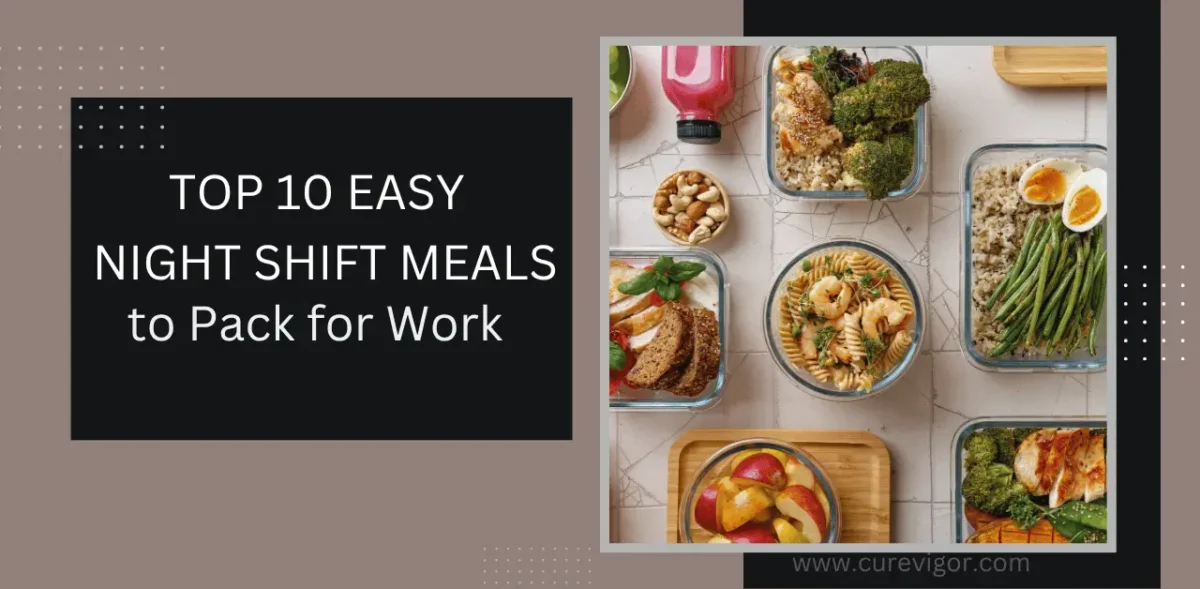
- Batch cooking: Prepare balanced meals on your days off and portion them into containers for easy grab-and-go during work nights.
- Portable snacks: Keep nutrient-dense snacks on hand, such as nuts, Greek yogurt, hard-boiled eggs, fruit, or whole-grain crackers with hummus.
- Avoid vending machine traps: Stock your own food so you’re not tempted by sugary or highly processed items.
2. Optimize Meal Timing for Shift Work
While complete circadian adaptation is difficult, strategic meal timing can help mitigate metabolPrioritize
- Prioritize a main meal before or early in your shift: If possible, have a balanced meal shortly before starting your night shift or within the first few hours to align with your body’s higher metabolic activity.
- Avoid large, heavy meals close to sleep: To lessen digestive discomfort and metabolic strain, try to finish eating at least 2 to 3 hours before your planned bedtime.
- Consider smaller, more frequent meals: Spreading your intake across your waking hours in smaller portions stabilizes blood sugar and energy levels.
- Stay consistent when possible: On consistent night shifts, try to maintain a relatively regular eating schedule.
3. Focus on Nutrient-Dense Foods
Build your diet around foods that support metabolic health and sustained energy:
- Lean proteins: Chicken, fish, tofu, eggs, legumes, and low-fat dairy help promote satiety and muscle maintenance.
- Whole grains: Oats, quinoa, brown rice, and whole-wheat bread provide fiber and steady energy release.
- Fruits and vegetables: Aim for a variety of colorful produce to supply vitamins, minerals, and antioxidants.
- Healthy fats: Include sources like avocados, nuts, seeds, and olive oil in moderation.
- Hydration: Drink water consistently throughout your shift; limit sugary drinks and excessive caffeine.
4. Manage Cravings and Mindful Eating
Shift work can trigger emotional eating and cravings:
- Identify triggers: Notice when you crave unhealthy foods (e.g., during energy slumps) and have healthier alternatives ready.
- Practice mindful eating: To better identify the signs of hunger and fullness, eat slowly and without interruption whenever you can.
- Plan treats in moderation: occasional indulgences can help prevent feelings of deprivation.
5. Incorporate Physical Activity
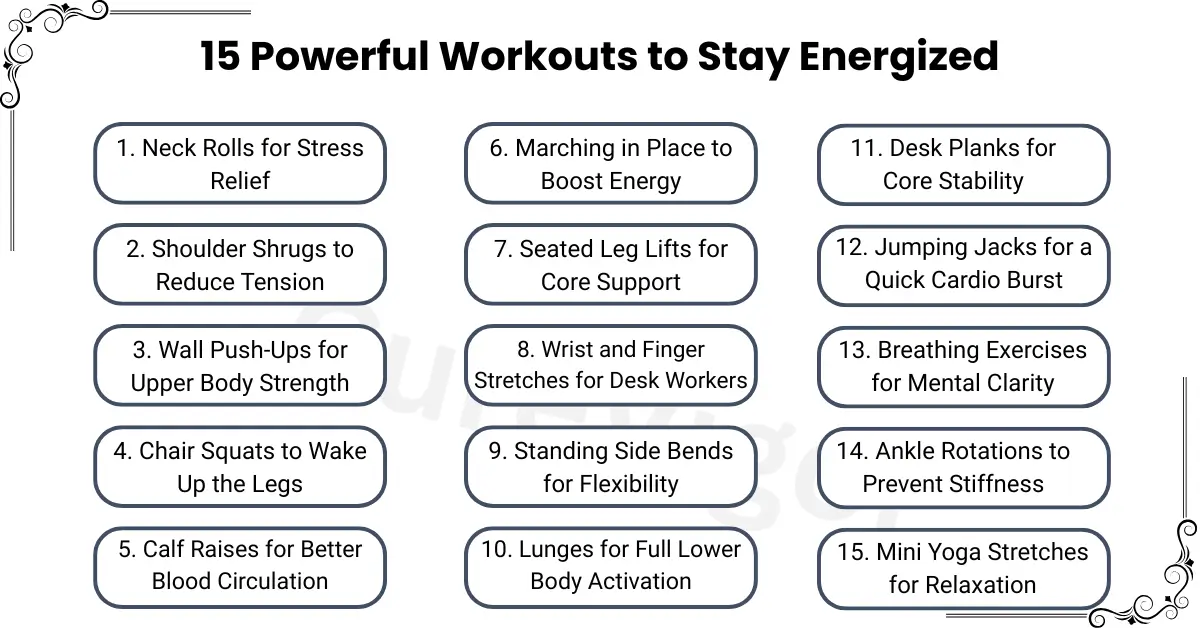
Regular exercise neutralizes some of the metabolic effects of poor diet and shift work:
- Aim for consistency: In addition to weight training, try to fit in at least 150 minutes of moderate-intensity aerobic exercise every week.
- Choose a time that works for your schedule and energy level. While some individuals love to work out right after getting up, others might benefit from a little exercise during breaks.
- Stay active in small ways: take short walks, use the stairs, or do some stretching during your shift to break up sedentary periods.
6. Prioritize Sleep and Stress Management
Supporting overall health can make healthy eating easier:
- Protect sleep quality: Follow good sleep hygiene practices to reduce fatigue-driven food choices.
- Manage stress: Incorporate stress-reduction techniques like deep breathing, meditation, or hobbies during off-hours.
Workplace and Employer Strategies
Creating a supportive environment can significantly improve diet quality for shift workers:
- Provide healthy food options: Employers can offer nutritious meals and subsidized healthy choices in cafeterias/vending machines during overnight hours.
- Design break schedules: Ensure adequate break time to allow for proper meals rather than rushed snacking.
- Nutrition education: Offer workshops or resources tailored to shift work nutrition challenges.
- Promote wellness programs: Include initiatives that address meal planning, healthy cooking, and stress management for night shift staff.
- Advocate for policy changes: Employees can work with HR to request healthier food environments and, where feasible, flexible scheduling.
FAQs: Long-Term Effects of Unhealthy Diet for Shift Workers
Q. How quickly can an unhealthy diet affect shift workers?
Some metabolic changes can occur relatively quickly. For example, insulin resistance and blood sugar fluctuations can be observed within days to weeks of consistently eating poorly at night.
However, the development of chronic conditions like obesity, type 2 diabetes, and cardiovascular disease typically takes months or years of sustained unhealthy eating habits combined with shift work stressors.
Q. Is it possible to reverse the damage from years of poor diet on night shifts?
While some effects may be partially reversible with sustained lifestyle changes, established chronic conditions can be more challenging to fully reverse.
However, adopting a healthier diet, improving meal timing, increasing physical activity, and managing other risk factors can significantly improve metabolic health, reduce disease progression, and enhance overall quality of life. Early intervention is crucial.
Q. What are the best foods to eat during a night shift to avoid long-term problems?
Focus on nutrient-dense, balanced options that provide sustained energy without causing large blood sugar spikes.
Good choices include lean proteins (eggs, Greek yogurt, turkey), complex carbohydrates (oatmeal, whole-grain bread, and quinoa), fruits and vegetables, and healthy fats (nuts, seeds, and avocado).
Avoid highly processed snacks, sugary drinks, and heavy fried foods, especially in the latter part of your shift.
Q. How does meal timing specifically impact health for shift workers?
Meal timing affects the circadian regulation of metabolism. Eating during your body’s biological night (when insulin sensitivity is low) can impair glucose tolerance and increase fat storage.
Aligning larger meals with times when your metabolism is more active (often at the start of your wake period or early in your shift) and avoiding large meals close to sleep can help mitigate these effects.
Q. Can workplace changes really make a difference in diet quality?
Yes. Research shows that improving access to healthy food options and providing nutrition education in the workplace can positively influence eating behaviors among shift workers.
Supportive policies, such as adequate break times and healthier vending-machine options, remove barriers and make it easier for employees to make better dietary decisions.
Q. Should shift workers take supplements to compensate for a poor diet?
A good diet should not be replaced by supplements. While certain nutrients (such as vitamin D, omega-3s, or magnesium) may be beneficial for some individuals due to specific deficiencies, it’s best to obtain nutrients from whole foods whenever possible.
If you’re concerned about nutrient gaps, consult a registered dietitian or healthcare professional for personalized advice.
Conclusion: Taking Control of Your Long-Term Health
The long-term effects of an unhealthy diet among shift workers are significant but not inevitable. You can safeguard your metabolic health, reduce your risk of chronic illness, and enrich your overall well-being by identifying the specific challenges you face and implementing tailored solutions.
Start with a few long-term changes: Prepare a few nutritious meals for your upcoming shift, replace a sweet snack with a piece of fruit and nuts, or set up a more consistent mealtime. Eventually, resistance to the demands of shift work may be strengthened by these patterns.
Keep in mind that one of the most effective ways to combat the physiological strain of working nights is through your diet.
Make it a priority along with rest and exercise, and don’t be afraid to ask medical professionals or workplace wellness resources for assistance. With consistent effort, you can safeguard your health for the long haul and thrive in your role.
Read more about night shift health.
You might like: