

Make Sunday meal prep for night shifts easier with a 2-hour routine, healthy meal ideas, a 12-hour shift meal plan, and a simple grocery list.
Working night shifts can make healthy eating difficult. After a long shift, cooking is often the last thing you want to do. When hunger strikes at 2 AM or 4 AM, it is tempting to grab chips, sweets, fast food, or whatever is available in the break room.
The problem becomes even harder when you work three or four consecutive 12-hour shifts.

Sunday meal prep can make your week much easier. Instead of preparing food every day, spend about two hours on Sunday cooking a few basic ingredients, portioning meals, and preparing snacks for the nights ahead.
The goal is simple: have balanced meals ready before your workweek begins.
Meal timing matters for night shift workers as well. Your body’s inherent circadian cycle affects digestion and glucose regulation. Research suggests that eating during the biological night may affect glucose regulation.
This is one reason to eat your main meal before work and, if possible, limit nighttime meals.
In this guide, you will learn how to organize Sunday meal prep for night shifts, what foods to prepare, how to build a practical 7 PM–7 AM meal schedule, and how to store everything safely.
Why Sunday Meal Prep Makes Night Shifts Easier
Night shift workers often have different eating routines from people who work during the day. You may wake up in the afternoon, eat your first meal before work, and have your next meal when most people are sleeping.
Without preparation, this routine can lead to skipped meals, irregular eating, and frequent reliance on convenience foods.
Sunday meal prep helps solve several everyday problems.
Less cooking after work: Your meals are already prepared, so you don’t have to cook when you get home tired.

Better food choices: Having balanced meals ready makes it easier to avoid relying on vending machines, sugary snacks, and fast food.
More predictable meal times: You can plan when to eat instead of waiting until you become extremely hungry.
Less weekday stress: You spend less time deciding what to eat and preparing food between shifts.
Better portion planning: Preparing meals in advance helps you portion food properly rather than eating directly from large containers.
Meal prep doesn’t need expensive ingredients, complicated recipes, or an entire Sunday in the kitchen. A few basic foods can create several different meals.
The 2-Hour Sunday Meal Prep Routine
You do not need to cook five completely different dinners. The easiest approach is to prepare a few versatile ingredients you can combine in different ways.
Set aside approximately two hours on Sunday. Prepare your proteins, carbohydrates, vegetables, and snacks in a planned order.
1. Batch Cook Your Protein
Protein helps make meals satisfying and supports normal muscle maintenance and repair.
Choose two or three protein options for the week rather than preparing just one food.
Good choices include:
- Grilled or baked chicken breast
- Boiled eggs
- Turkey or chicken patties
- Baked fish
- Cooked lentils or daal
- Chickpeas and beans
- Tofu, if you enjoy it
For example, bake a batch of seasoned chicken and boil several eggs. Use the chicken in rice bowls, wraps, and salads, and the eggs for quick snacks.
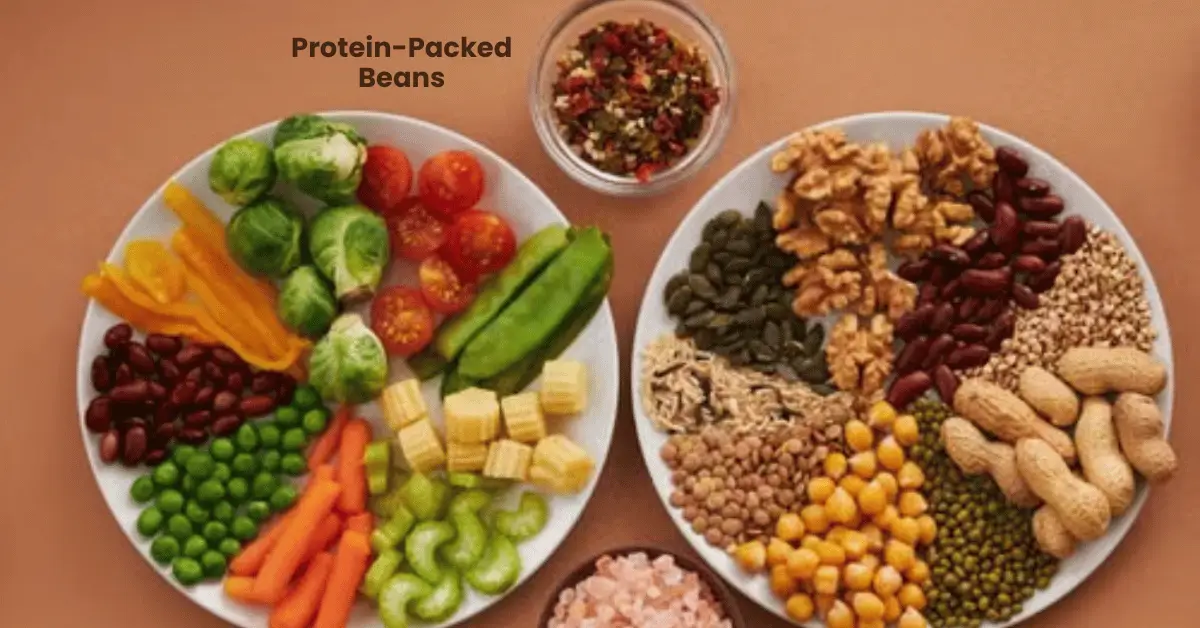
If you prefer plant-based meals, prepare chickpeas and lentils. They provide protein and fiber and work well in several combinations.
Keep seasonings simple. Lemon, garlic, black pepper, herbs, and a little olive oil can add flavor without making every meal taste the same.
2. Prepare Your Complex Carbohydrates
Carbohydrates provide energy, which is important when you have a physically or mentally demanding shift.
Choose fiber-rich carbohydrate sources that fit your appetite and dietary needs.
Useful options include:
- Brown rice
- Quinoa
- Sweet potatoes
- Oats
- Whole-wheat bread
- Whole-wheat wraps
- Daal and other beans
Cook a batch of rice or quinoa and prepare a few sweet potatoes. Divide them into individual portions.
You can combine rice with chicken and vegetables one night, then use the remaining rice in a different grain bowl.
You do not need to avoid carbohydrates during night shifts. The more useful approach is to choose balanced portions and avoid depending heavily on sugary drinks, sweets, and refined snacks.
3. Wash, Chop, and Cook Vegetables
Vegetables add fiber, vitamins, minerals, and variety to your meals.
Prepare a mix of raw and cooked vegetables so you have options throughout the week.
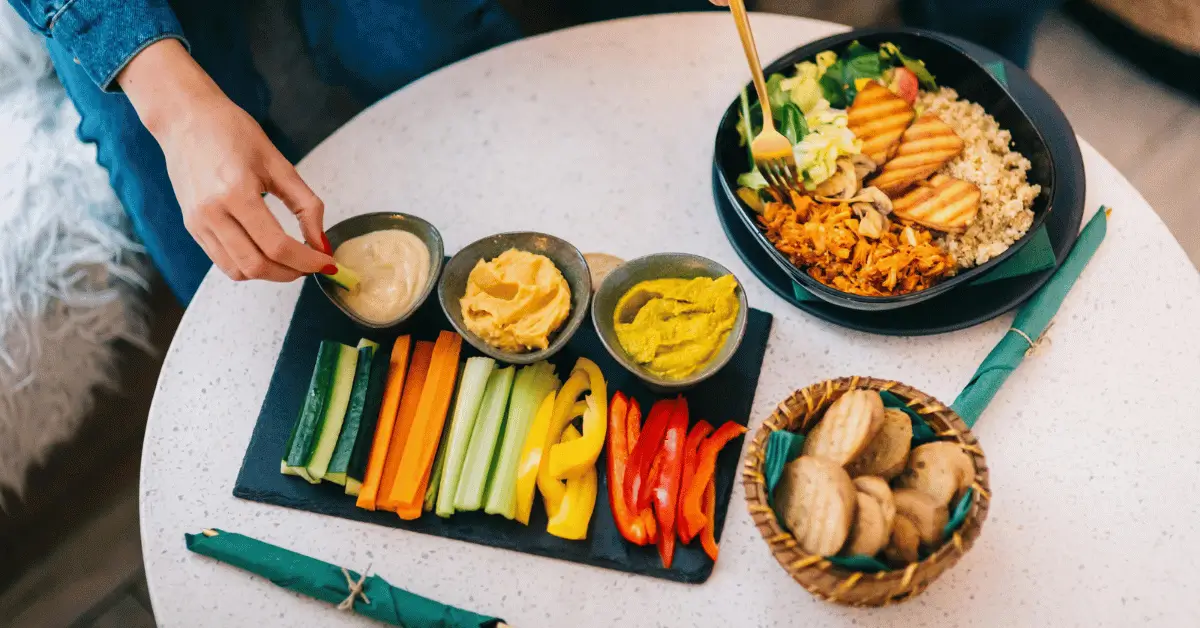
For raw snacks, wash and cut:
- Carrots
- Cucumbers
- Bell peppers
- Cherry tomatoes
For cooked meals, roast or steam:
- Broccoli
- Green beans
- Zucchini
- Cauliflower
- Carrots
Store raw vegetables separately from cooked vegetables.
If certain vegetables cause bloating during your shift, choose cooked versions or smaller portions. You do not need to eliminate them.
4. Prepare Grab-and-Go Snacks
Snacks are particularly useful when you have limited break time.
Instead of depending on packaged sweets or chips, prepare a few small portions that you can carry easily.
Some practical choices include:
- Greek yogurt or plain yogurt
- A small handful of almonds or walnuts
- Boiled eggs
- String cheese or another suitable cheese
- Whole-grain crackers with hummus
- A small banana or apple
- Overnight oats
- Carrot and cucumber sticks
For overnight oats, combine oats with milk or yogurt in a covered container. Add fruit or a few nuts before refrigerating.
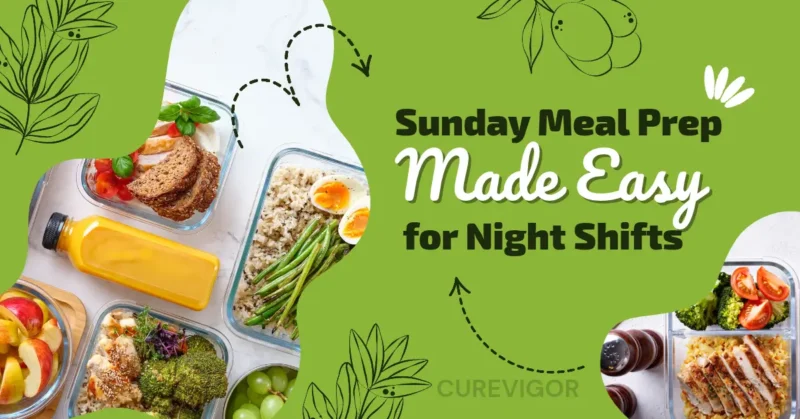
Prepare several snack portions at once. This makes it easier to take something nutritious when leaving for work.
5. Assemble Your Meals
Once your ingredients are ready, divide them into individual meal containers.
A simple meal combination is:
- One portion of chicken, fish, eggs, or beans
- One portion of rice, quinoa, or sweet potato
- One or two portions of vegetables
Keep sauces and dressings separate when possible. This helps prevent vegetables and wraps from becoming soggy.
You can also prepare ingredients separately and assemble the meal before leaving for work.
A useful tip: Prepare enough refrigerated food for the next three to four days and freeze the remaining cooked portions. Move a frozen meal into the refrigerator the night before you plan to use it.
Your 7 PM–7 AM Night Shift Meal Schedule
Preparing healthy food is only one part of the routine. Knowing when to eat can also help you organize your energy and appetite throughout the shift.
For a standard 7 PM–7 AM schedule, try this practical eating structure.

The portions should match your hunger, activity level, health needs, and usual sleep schedule. These times are starting points, not strict rules.
5:00 PM–6:00 PM: Eat Your Main Pre-Shift Meal
This is a good time to eat your largest meal of the shift cycle.
You are awake and preparing for work, so eating a balanced meal before your shift can reduce the need for a large meal in the middle of the night.
What to eat:
- Grilled chicken with brown rice and broccoli
- Baked fish with sweet potato and green beans
- Lentils with whole-wheat roti and cooked vegetables
- Chicken and vegetable grain bowl
Include protein, fiber-rich carbohydrates, and vegetables.
Try not to eat an unusually large, greasy, or very spicy meal if these foods cause discomfort during work.
10:00 PM–11:00 PM: Have a Small Snack
You may begin feeling hungry after several hours of work.
A small snack can help you avoid becoming excessively hungry before your next break.
What to eat:
- Plain yogurt with a few nuts
- One boiled egg with whole-grain crackers
- Apple slices with peanut butter
- Hummus with cucumber and carrots
Keep the portion moderate. You do not need another full dinner if you already ate a satisfying meal before work.
1:00 AM–2:00 AM: Choose a Light Mid-Shift Meal
This is often the most challenging eating window.
You may feel hungry, tired, or tempted to purchase fast food. Having a prepared meal in your cooler bag makes a big difference.
What to eat:
- A small chicken and vegetable wrap
- A light lentil or vegetable soup
- A small rice bowl with chicken and cooked vegetables
- Chickpea salad with cucumber and tomatoes
- An egg sandwich on whole-wheat bread
Choose a meal that satisfies you without leaving you overly full.
Large, high-fat meals may cause digestive discomfort, especially when you are already feeling sleepy.
4:00 AM–5:00 AM: Have a Very Small Snack If Needed
Energy can dip during the early morning hours. Your circadian rhythm naturally makes you sleepier during this period.
Instead of candy, biscuits, or energy drinks, keep a small snack available.
What to eat:
- A few almonds or walnuts
- A small banana
- Plain yogurt
- One boiled egg
- A small portion of cheese
If you are not hungry, don’t force yourself to eat.
Also, be mindful of caffeine. Having it too close to the end of your shift can interfere with daytime sleep.
7:30 AM: Keep Your Post-Shift Food Light
After working all night, your priority is restful sleep.
If you are hungry, choose a small, familiar meal or snack.
What to eat:
- A small bowl of oatmeal
- Plain yogurt with fruit
- A boiled egg with a slice of whole-grain toast
- A small banana with milk
Avoid a large, greasy, or spicy meal immediately before sleeping if it causes discomfort.
You don’t need a post-shift snack if you are comfortable and not hungry.
A Simple Sunday Meal Prep Menu for Three or Four Night Shifts
One of the easiest ways to stay consistent is to prepare a small selection of ingredients and use them in different combinations.
Here is a practical example for someone working three or four consecutive 12-hour night shifts.
| Preparation | What to make | How to use it |
| Protein 1 | Baked chicken | Rice bowls and wraps |
| Protein 2 | Boiled eggs | Snacks and sandwiches |
| Plant protein | Cooked chickpeas | Salads and grain bowls |
| Carbohydrate 1 | Brown rice | Main meals |
| Carbohydrate 2 | Sweet potatoes | Meal bowls |
| Vegetables | Roasted broccoli and carrots | Lunch and dinner |
| Raw vegetables | Cucumber and carrots | Quick snacks |
| Breakfast/snack | Overnight oats | Before or after work |
Example: Four-Night Meal Rotation
Night 1
Pre-shift: Grilled chicken, brown rice, and broccoli.
Early shift: Yogurt with almonds.
Mid-shift: Chicken and vegetable wrap.
Late shift: Small banana.
Night 2
Pre-shift: Baked fish, sweet potato, and green beans.
Early shift: Boiled egg and whole-grain crackers.
Mid-shift: Lentil soup with a small whole-wheat sandwich.
Late shift: A few walnuts.
Night 3
Pre-shift: Chickpeas, rice, and cooked vegetables.
Early shift: Plain yogurt with fruit.
Mid-shift: Chicken grain bowl.
Late shift: Small portion of cheese.
Night 4
Pre-shift: Chicken and vegetable rice bowl.
Early shift: Apple with a few almonds.
Mid-shift: Egg and whole-wheat wrap.
Late shift: Plain yogurt.
This rotation uses the same prepared ingredients in different ways. You save cooking time without eating the same meal every night.

Sunday Grocery Shopping Checklist
A shopping list speeds up meal prep and helps prevent unnecessary purchases.
Adjust quantities based on the number of shifts, people, and portion sizes.
Protein Foods
- Chicken breast or boneless chicken
- Eggs
- Fish or turkey
- Chickpeas or lentils
- Plain or Greek yogurt
Carbohydrates
- Brown rice
- Oats
- Sweet potatoes
- Whole-wheat bread or wraps
- Quinoa (optional)
Vegetables
- Broccoli
- Carrots
- Cucumbers
- Bell peppers
- Green beans
- Tomatoes
Fruits and Snacks
- Bananas
- Apples
- Seasonal fruit
- Almonds or walnuts
- Hummus
- Peanut butter
Other Essentials
- Olive oil
- Lemon
- Garlic
- Black pepper
- Dried herbs
- Food storage containers
- Cooler bag and ice packs
You do not need every item on this list. Choose foods you enjoy, can afford, and can easily find at your local grocery store.
How to Pack Your Night Shift Meals
A good meal prep routine can fail if you forget to pack your food or cannot find what you need during a busy shift.
Organize your meals before leaving home.
For a 12-hour shift, you can use a cooler bag with separate containers for your main meal and snacks.
A practical packing arrangement looks like this:
Main meal container: Your chicken, rice, vegetables, or another balanced meal.
Snack container: Nuts, boiled eggs, or whole-grain crackers.
Fruit container: A banana, apple, or another easy-to-carry fruit.
Small container: Yogurt, hummus, or a suitable dip.
Water bottle: Keep water available throughout your shift.
Use leak-resistant containers and pack utensils and napkins.
If you have access to a workplace refrigerator, refrigerate your food as soon as possible. Otherwise, use an insulated cooler with sufficient ice packs to keep perishable foods cold.
Food Safety: How Long Can You Store Your Meal Prep?
Meal preparation saves time, but safe storage is essential.
Don’t leave cooked chicken, fish, rice, or other prepared foods at room temperature for long.
The USDA recommends refrigerating perishable leftovers within two hours, or within one hour when temperatures are above 90°F (32°C).
Here are some basic storage practices:
Refrigerate promptly: Divide cooked foods into shallow containers to cool faster.
Keep your refrigerator cold: Keep your refrigerator at 40°F (4°C) or below.
Use refrigerated leftovers within three to four days: This applies to properly refrigerated cooked meat, poultry, and many other leftovers.
Freeze meals for later shifts: If you prepare food on Sunday for shifts later in the week, freeze the portions you will not eat within the recommended refrigerator storage period.
Reheat properly: Reheat leftovers to 165°F (74°C), using a food thermometer when possible.
Keep cold food cold at work: Use an insulated cooler and ice packs if you don’t have a refrigerator.
These precautions are especially important for cooked rice, meat, poultry, fish, and dairy-based foods.
Meal prep should make your life easier, not create a food safety risk.
Common Sunday Meal Prep Mistakes to Avoid
Even a good meal prep plan can become difficult if it is too complicated.
Avoid these common mistakes.
Preparing Too Many Different Recipes
Cooking several complicated recipes can turn a two-hour routine into an exhausting project.
Start with two protein choices, two carbohydrate sources, and a few vegetables. Combine them differently throughout the week.
Eating the Same Meal Every Night
Eating chicken and rice every night may become boring.
Change the seasonings, vegetables, sauces, and combinations. For example, use prepared chicken in a rice bowl one night and a whole-wheat wrap the next.
Packing Only Snacks Instead of Proper Meals
Nuts, fruit, and yogurt are useful snacks, but they may not provide enough food for a demanding 12-hour shift.
Pack at least one balanced meal for your main break, along with smaller snacks if needed.
Depending on Sugary Foods for Energy
Candy, sweetened drinks, and pastries may provide quick energy, but they are not a reliable replacement for balanced meals.
Keep fruit, nuts, yogurt, eggs, or other satisfying options available.
Preparing More Food Than You Can Store Safely
Cooking seven days of meals and keeping everything in the refrigerator is not a good storage strategy.
Prepare food for the first three to four days and freeze the remaining portions.
Ignoring Your Actual Break Schedule
Not every nurse, driver, warehouse worker, or security guard gets a break at exactly 10 PM or 1 AM.
Prepare food that you can eat at different times if your work becomes unexpectedly busy.
How to Make Sunday Meal Prep a Long-Term Habit
The best meal prep routine is one you can repeat without feeling overwhelmed.
Start small. You do not need to change your entire diet in one Sunday.
During your first week, prepare one main protein, one carbohydrate, two vegetables, and two snack options.
Once you become comfortable, add another recipe or ingredient.
You can also keep a small list of meals you enjoy. Rotate them every week to avoid boredom.
If your shifts change, adjust your meal times according to your waking hours and sleep schedule rather than following the clock rigidly.
Remember that night shift workers have different jobs and energy demands. A nurse who walks through a hospital for 12 hours may need different portions from someone working at a security desk.
Your meal plan should support your actual work routine.
Frequently Asked Questions
Q. What should I meal prep on Sunday for night shifts?
Prepare two protein sources, one or two complex carbohydrates, several vegetables, and convenient snacks. Practical options include chicken, eggs, lentils, brown rice, sweet potatoes, yogurt, fruit, and nuts.
You can combine these ingredients into wraps, rice bowls, salads, and simple meals throughout the week.
Q. How many meals should I pack for a 12-hour night shift?
A practical starting point is one main meal and two smaller snacks. Some workers may prefer two smaller meals instead of one, depending on their break schedule and appetite.
You can also pack a light post-shift snack if you feel hungry before sleeping.
Q. Is it better to eat before or during a night shift?
Eating a balanced main meal before your shift is a useful starting point. During the shift, choose smaller, balanced meals or snacks according to your hunger and work demands.
NIOSH guidance for night-shift nurses recommends reducing food intake between midnight and 6 AM when practical.
Q. What is the best food to eat at 2 AM?
Choose something light and satisfying, such as a small chicken wrap, lentil soup, yogurt, or a modest rice bowl with vegetables.
Avoid relying on large, greasy meals and sugary snacks.
Q. Can I prepare seven days of meals on Sunday?
Yes, but don’t keep all seven days of cooked meals in the refrigerator.
Refrigerate the portions you will eat within three to four days and freeze the remaining meals. Thaw them safely in the refrigerator before use.
Q. What should I eat after a 12-hour night shift?
If you are hungry, choose a small, easy-to-digest meal such as oatmeal, yogurt, or whole-grain toast with an egg.
Avoid large meals right before bed, especially if they cause digestive discomfort.
Q. How can I avoid unhealthy snacking during night shifts?
Prepare snacks before leaving home. Keep fruit, nuts, yogurt, boiled eggs, or whole-grain crackers available.
Having food on hand makes it easier to avoid sugary snacks and vending machines when you are hungry.
Final Thoughts
Sunday meal prep for night shifts does not have to be complicated. A simple two-hour routine can help you organize several days of balanced meals, prepare convenient snacks, and reduce the stress of cooking after a long shift.
Start by batch-cooking protein, preparing carbohydrates, washing vegetables, and portioning snacks. Then organize your food around your actual 12-hour work schedule.
Most importantly, keep your main meal before work, choose lighter options during the biological night when practical, and store your prepared food safely.
You do not need a perfect meal plan every week. You need a realistic routine that fits your work, sleep, appetite, and daily life.
A little Sunday prep can make your entire night-shift week easier.
These practical eating strategies are consistent with NIOSH guidance for night-shift nurses, which recommends choosing quality foods and limiting overnight food intake when practical. For safe Sunday meal preparation, follow USDA leftover storage recommendations to keep prepared meals properly refrigerated or frozen.
Make your night shifts easier with a little Sunday preparation. Start your healthy meal prep routine this week!
Read more about night shift workers.