
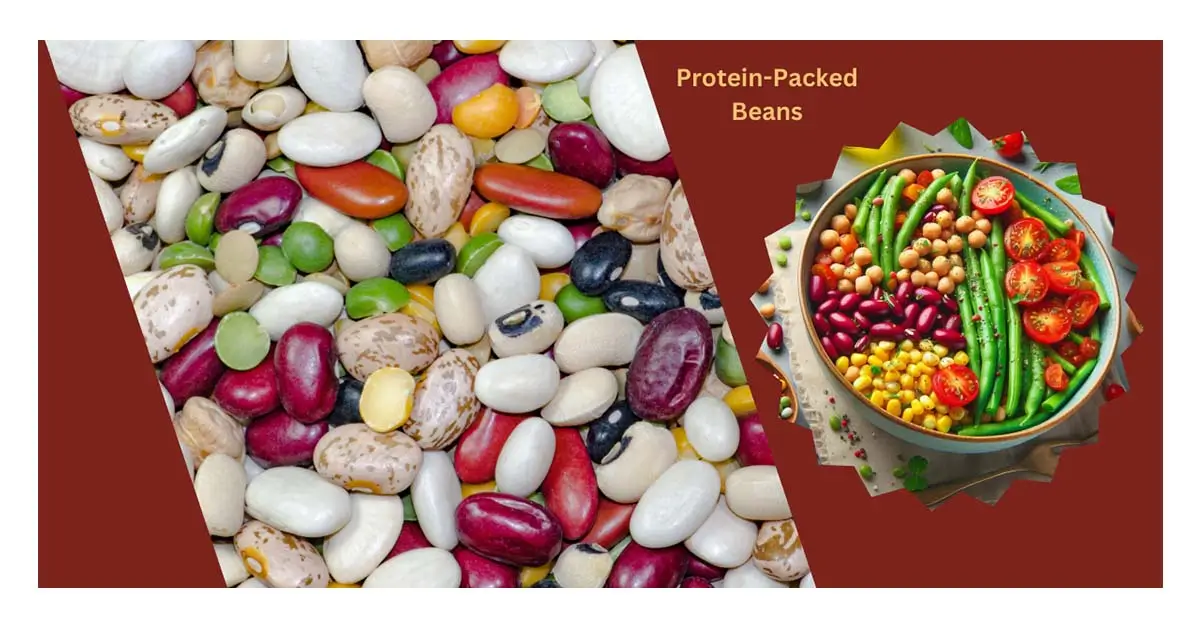
Uncover the top 10 protein-packed beans to boost your meals with lasting energy, fullness, and essential nutrients. Perfect for a healthy diet!
Beans are among the most nutrient-dense foods you can include in your diet. Rich in protein, fiber, vitamins, and minerals, these often-overlooked legumes provide numerous health benefits.
They help build muscle, promote digestive health, support the heart’s ability to pump blood, and even assist with weight management.
Why Protein-Packed Beans Deserve a Spot on Your Plate
Beans are cheap, versatile, and rich in nutrients, making them the first choice for healthy-eating enthusiasts. They are also great at enhancing protein intake without depending on meat.
Protein-Packed Beans
High Protein Content
Beans are highly regarded for their exceptional nutritional value, particularly as a plant-based source of protein.
They are rich in essential amino acids, making them a staple in vegetarian and vegan diets. Additionally, beans are rich in fiber, vitamins, and minerals, which contribute to overall health.
Their versatility in cooking allows them to be incorporated into a variety of dishes, enhancing flavor and nutrition. They provide all the essential amino acids that help build and repair muscle, especially for vegetarians and vegans.
Fiber for Healthy Digestion
In addition to protein-packed beans, it contains a good deal of fiber, which improves digestion and keeps blood sugar in check. Incorporating fiber into your diet can significantly enhance feelings of fullness, benefiting weight loss and weight gain goals.
Foods rich in fiber, such as fruits, vegetables, whole grains, and legumes, take longer to digest, leading to prolonged satiety.
It can help you manage hunger and reduce the temptation to unhealthy snacking, making it easier to stick to your dietary objectives, whether to shed a few pounds or gain weight in a healthy way.
Top 10 Protein-Packed Beans to Include in Your Diet
Due to their high protein, fiber, vitamin, and mineral content, beans are often called “nature’s multivitamin.” Incorporating beans into your diet is affordable and potent for improving health and energy.
Here are the best ten protein-packed beans that you should seize. Each bean offers its own list of health benefits, and for that reason, it finds its place on your menu.
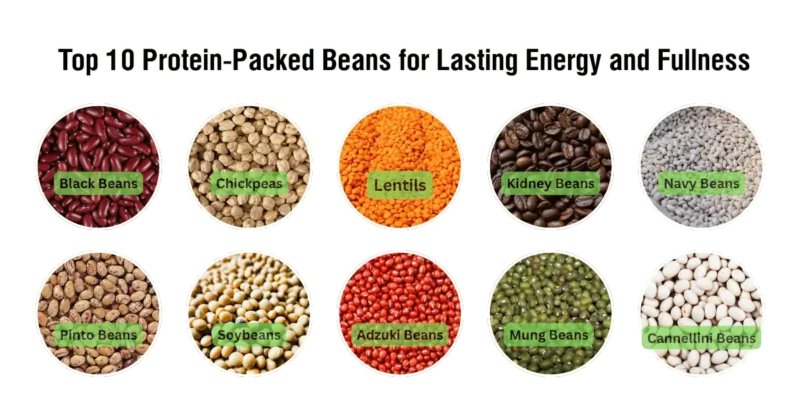
Let us discuss some healthy beans that support our health. Here are the top 10 things you should know about beans and how to supercharge your diet:
Black Beans: The Powerhouse of Antioxidants
Nutritional Content of Black Beans
Black beans have a rich nutritional content. Each cooked cup contains about 15 grams of protein, high fiber, iron, and essential minerals such as magnesium and folate.
One of the best attributes of black beans is their high antioxidant content, primarily anthocyanins, which give them their dark color.
Health Benefits of Black Beans
Black beans contain antioxidants that protect the body against oxidative stress. These antioxidants fight free radicals, reducing inflammation and thus lowering the risk of chronic diseases such as heart disease.
Fiber from black beans is also very beneficial for digestive health, helping maintain regular bowel movements and supporting a healthy gut microbiome.
How to Use Black Beans in Your Diet
Black beans are very versatile. They can be used in salads, soups, and stews or as a dip for fresh vegetables. Black bean burgers are a popular vegetarian option, rich in protein and flavor.
Chickpeas (Garbanzo Beans): Excellent Digestive Health
Nutrition Profile of Chickpeas
Chickpeas, or garbanzo beans, are rich in protein, dietary fiber, and minerals like potassium, iron, and magnesium. Cooking one cup provides approximately 14 grams of protein and 12 grams of fiber, which can provide long-lasting energy while supporting digestive health.
Health Benefits of Chickpeas
Chickpeas contain highly soluble fiber, which helps lower cholesterol and helps maintain stable blood sugar. This makes them handy for individuals with diabetes. The compound saponins found in chickpeas also support immune health and prevent inflammation.
How to Add Chickpeas to Your Diet
Chickpeas are a great staple in Mediterranean and Middle Eastern cuisine. Try them in salads, curries, soups, or a homemade hummus recipe for a yummy, nutrient-rich dip.
Lentils for Heart Health
Lentils’ Nutritional Profile
Lentils are a nutritional powerhouse that offers about 18 grams of protein per cooked cup and high amounts of iron, folate, and potassium. They are also one of the richest plant sources of folate, a B vitamin crucial for cell function and red blood cell production.
Benefits of Lentils to the Heart:
Lentils contain high amounts of potassium and fiber, which are heart-healthy. Research has shown that a diet high in lentils reduces cholesterol and helps regulate blood pressure, both of which are essential to preventing heart disease.
Folate, found in lentils, further supports cardiovascular health by helping break down homocysteine, an amino acid linked to heart disease, when seen in excess.
How to Use Lentils in Your Diet
Lentils cook quickly and are an excellent addition to soups and salads. They can also be used as the base for vegetarian shepherd’s pie. They soak well, so they’re fantastic to add to any dish.
Kidney Beans Benefits
Nutritional Profile of Kidney Beans
Kidney beans contain about 13 grams of protein per cooked cup, with fiber, iron, and potassium. Their nutritional profile makes them excellent at fighting for liver health and detoxifying the body.
Detoxifying Properties of Kidney Beans
The fiber in kidney beans helps flush out toxins, and their potassium content helps maintain kidney function.
Together, these promote efficient detoxification, enabling the body to process and remove waste. Kidney beans also help stabilize blood sugar levels, making them a good choice for people managing their blood sugar.
How to Use Kidney Beans in Your Diet
Kidney beans are often used in chili and stews. Their mild flavor allows them to mix easily with spices and are versatile in many recipes.
Navy Beans Nutrition
Nutritional Value for Navy Beans
Navy beans are incredibly high in fiber, with about 19 grams per cooked cup, and contain about 15 grams of protein. They also contain essential vitamins and minerals such as folate and manganese.
Benefits for Weight Loss and Digestive Health
Navy beans contain a high amount of fiber, which increases satiety and thus controls calorie intake. This can benefit individuals who are trying to lose weight.
Fiber in navy beans supports healthy digestion, reduces the risk of constipation, and helps maintain a well-balanced gut microbiome.
How to Incorporate Navy Beans into Your Diet
Navy beans are good in soups, baked beans, and salads. Their creamy texture makes them a good thickener in many dishes and adds nutrition and flavor.
Pinto Beans Protein
Pinto Bean Nutrition Facts
These pinto beans are a fantastic source of plant-based protein and fiber, rich in essential vitamins, particularly B vitamins. They contain about 15 grams of protein and 15 grams of fiber per cup; they are also a significant source of folate, thiamine, and vitamin B6.
B vitamins are necessary for energy production and cellular maintenance, so they’re fantastic for those naturally needing sustainable energy.
Energy-Boosting Benefits
Pinto beans are a perfect blend of protein, fiber, and B vitamins, making them a good source of energy. The slow-digesting fiber keeps you full for an extended period and supplies steady energy.
At the same time, the B vitamins convert food into power at the cellular level. Pinto beans are particularly beneficial to active individuals, athletes, and those who need sustained energy throughout the day.
How to Include Pinto Beans in Your Diet
Pinto beans are a classic staple in Mexican cuisine. They are used in refried beans and burritos, among many other dishes. They can also be used in soups, stews, and chili, adding a nice texture and rich flavor and complementing numerous ingredients.
Soybeans: Complete Plant-Based Protein
Nutritional Content of Soybeans
Soybeans are the only legume that is a complete protein, containing all nine essential amino acids the human body needs. One cup of cooked soybeans contains approximately 29 grams of protein, making it one of the richest plant food sources of protein.
Soybeans are also rich in healthy fats, fiber, iron, calcium, and magnesium, as well as beneficial plant compounds such as isoflavones, which have antioxidant properties.
Benefits of Building Muscle
Soybeans are a good source of complete protein and an excellent option for those focusing on muscle building and recovery, especially vegans and vegetarians.
The high protein content will help repair and build muscle tissue, while the iron in soybeans supports oxygen transport in the blood, which is very important for endurance and performance. Isoflavones may also protect against chronic diseases such as heart disease.
How to Use Soybeans in Your Diet
Soybeans are versatile and edible, like greens such as edamame. They can be added to salads and incorporated into dishes such as tofu and tempeh, while soy milk is a widely used alternative to other milk.
Miso, created from fermented soybeans, is commonly used in soups and sauces for its deep, savory flavor.
Adzuki Beans: Best for Sweet and Savory Dishes
Nutritional Profile
Adzuki beans are rich in protein, fiber, and antioxidants. Adzuki beans are just as lovely for sweet and savory preparations. Here’s what you need to know about the nutritional content of adzuki beans.
Adzuki beans are small red beans native to Asia. They contain protein, fiber, and antioxidants. Every cup of adzuki beans contains approximately 17 grams of protein, along with manganese, magnesium, and folate that support various metabolic and immune functions.
Polyphenols, antioxidants that protect cells from oxidative damage, are also found in adzuki beans.
Specialty Preparation
Adzuki beans are enjoyed in most Asian cuisines for their sweet, savory flavor. They are mainly used in Japan for red bean paste desserts, such as mochi and dorayaki.
These beans can be added to soups and stews or consumed with rice in savory dishes for a complete meal. Their natural sweetness makes them ideal for a variety of culinary experiences.
Health Benefits
Adzuki beans contain antioxidants that fight free radicals and reduce inflammation. They help promote healthy skin and are also rich in fiber, which supports digestion and helps regulate blood sugar levels, making them ideal for people with diabetes.
Mung Beans: The Superfood
Nutritional Composition of Mung Beans
Mung beans are nutrient-rich and a good source of protein, fiber, and essential minerals such as magnesium, potassium, and folate. One cup of cooked mung beans contains about 14 grams of protein and 15 grams of fiber, making them filling and highly nutritious.
Immune System Support
Mung beans also contain antioxidants, such as flavonoids and phenolic acids. These alleviate oxidative stress that compromises the immune system.
Antioxidants in mung beans also help preserve cells from damage and initiate anti-inflammatory reactions. Mung beans are rich in folate, which is crucial for synthesizing and repairing DNA and maintaining optimal immune function.
How to Use Mung Beans in Your Diet
Mung beans can be sprouted and added to salads for a crunchy texture or into soups and curries. In India, mung beans are often used to make dal, a protein-rich, savory dish that is satisfying and very nutritious.
Cannellini Beans: The Mediterranean Staple
Nutritional profile of Cannellini beans
Cannellini beans are a staple in Mediterranean cooking and are rich in calcium, protein, and fiber. They contain 15 grams of protein in a cup and are rich in calcium, which is well known to support bone health.
Cannellini beans also contain high levels of magnesium, potassium, and iron, which support heart and muscle health.
Benefits for Bone Health
The calcium and magnesium in cannellini beans will strengthen your bones and teeth. They are suitable for anyone of all ages looking for skeletal health support.
Reasonable amounts of calcium help one develop good bone density, reducing the risk of osteoporosis, especially as one ages.
Magnesium complements the work of calcium by supporting smooth muscle function and helping regulate blood pressure.
How to Use Cannellini Beans in Your Diet
Cannellini beans are staples in Italian and Mediterranean cuisine. They appear in soups like minestrone and stews, and their creamy texture makes them perfect for salads and pasta dishes.
They may also be mashed into spreads or added to roasted vegetable dishes for flavor and nutrition.
These beans will boost your intake of essential vitamins, minerals, and macronutrients. Each type of bean offers unique health benefits, ranging from supporting energy levels and muscle growth to enhancing immunity and bone strength.
Including various types of beans in your meals provides your body with a wide range of nutrients that support overall health and vitality.
Health Benefits of Beans for Every Lifestyle
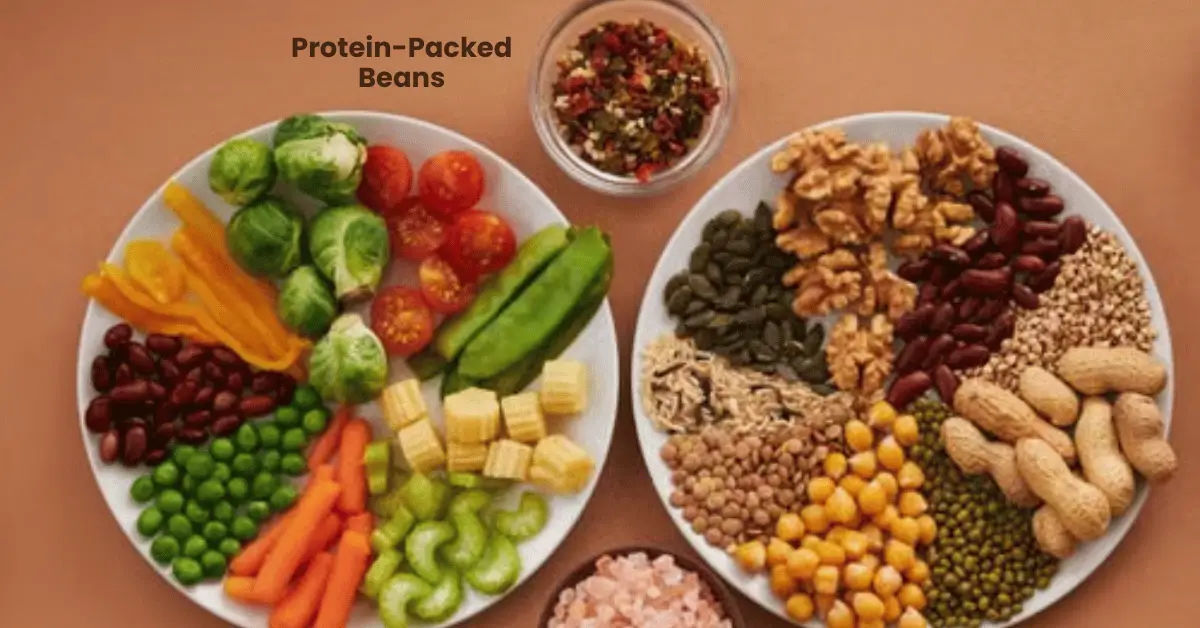
Not all energy needs are created equal. Whether you are managing a busy household, crushing a physical workday, or staying awake through the night, beans provide a tailored nutritional blueprint.
For Men: Muscle Retention and Heart Defense
- Lean Muscle Support: Men generally require higher daily protein intake to sustain lean muscle mass. The clean, plant-based protein in lentils and soybeans builds muscle without the inflammatory saturated fats found in heavy red meats.
- Cardiovascular Protection: Statistically, men face an earlier risk of heart disease. Beans’ high soluble fiber content helps the body eliminate cholesterol before it clogs arteries by binding to it in the digestive tract.
For Women: Hormonal Balance and Iron Renewal
- Phytoestrogen Powerhouse: Soybeans and chickpeas contain natural isoflavones (plant estrogens) that help stabilize hormonal fluctuations during menstrual cycles, postpartum recovery, and menopause.
- Beating Fatigue: Women are highly susceptible to iron-deficiency anemia. Pairing iron-rich dark beans (like kidney or black beans) with vitamin C (like a squeeze of lime or bell peppers) significantly boosts absorption to keep daily energy steady.
For Working Professionals: Cognitive Focus and Stress Control
- No More 3 PM Crashes: High-pressure desk jobs and long meetings demand sustained brainpower. Unlike simple carbohydrates that cause sudden blood sugar spikes and afternoon brain fog, the low-glycemic complex carbs in beans release glucose gradually into the bloodstream.
- B-Vitamin Brain Fuel: Packed with folate and vitamin B6, beans actively support neurotransmitter function, helping busy workers stay mentally sharp and resilient under tight deadlines.
For Night Shift Workers: Circadian Rhythm and Digestion Support
- Sustained Energy for Odd Hours: Working against the body’s natural clock disrupts metabolism and induces intense, late-night sugar cravings. The dual punch of high fiber and slow-digesting protein in beans prevents midnight energy crashes.
- Gut Comfort on the Shift: Overnight, digestion slows, making heavy or greasy foods a recipe for acid reflux and sluggishness. A light bean soup or grain bowl is incredibly gentle on an overnight stomach while keeping you feeling completely full until morning.
For Kids: Growth, Brain Power, and Happy Tummies
- Steady Fuel for Play and Learning: Kids need continuous, unrefined energy to grow and focus in school. The slow-burning carbohydrates in milder beans give them stamina without the behavioral highs and lows of sugary snacks.
- Bone and Tissue Development: Rich in essential minerals such as magnesium, potassium, and calcium, beans serve as vital building blocks for skeletal growth and tissue development.
- Parent Tip: Keep it accessible! Blend mild white cannellini beans smoothly into familiar favorites like mac and cheese sauces, or mash seasoned pinto beans into quesadillas.
How to Include Beans in Your Daily Diet
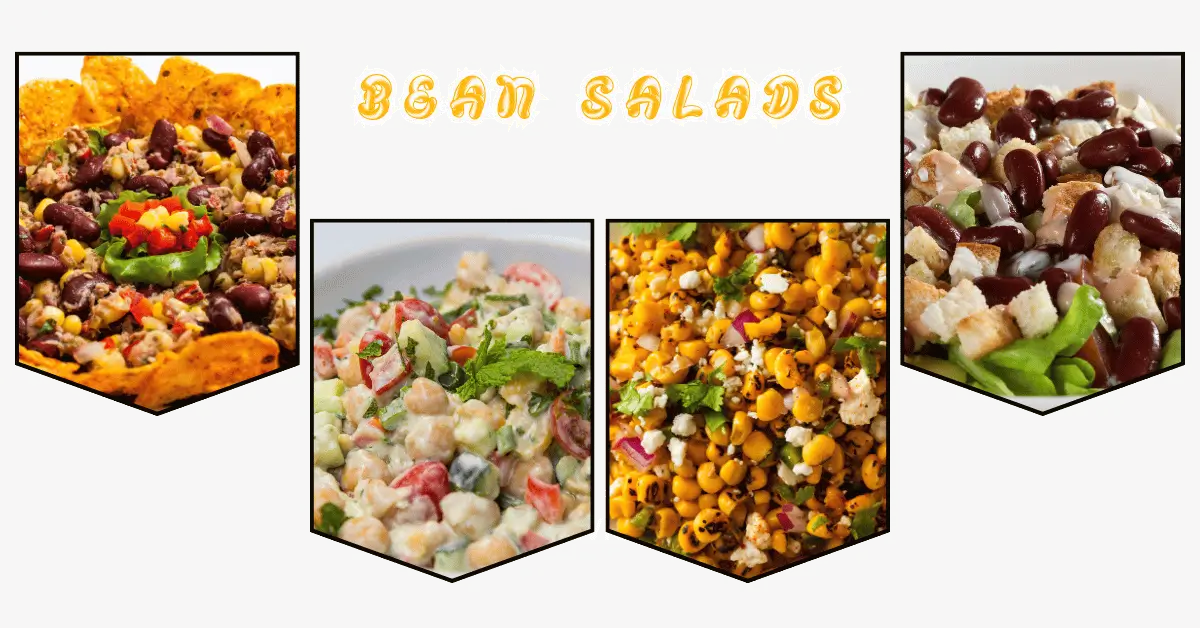
Adding beans to your diet is very versatile and straightforward. From soups to bowls packed with protein, beans can easily find their place in every meal, flavoring and nourishing.
If you are beginning to cook with beans or want new ideas for this ingredient, here are easy, tasty ways to incorporate them into your daily menu.
Salads, Soups, and Stews
Beans in Salads
Add a generous handful of your favorite beans, such as black beans, kidney beans, or chickpeas, to a fresh salad to boost protein and flavor.
Alternatively, consider cooking these beans in a hearty stew or soup, allowing them to absorb the rich flavors of vegetables, herbs, and spices. This enhances the flavor and creates a filling, nutritious meal perfect for any time of year.
Beans provide texture and substance to salads, turning a simple side salad into a satisfying meal. Toss in chickpeas or black beans with a green salad of cucumbers, tomatoes, and avocados.
Add cannellini beans with olives, artichoke hearts, and feta cheese for a Mediterranean twist. The beans add protein and complement the vegetables’ freshness with a creamy, nutty flavor.
Hearty Soups and Stews
Beans are excellent in soups and stews; they add a hearty richness that makes these dishes more filling and nutritious. Classic recipes like minestrone, black bean soup, or split pea soup are great ways to include beans.
Try a chili with kidney beans, black beans, and pinto beans for a spicy kick. The beans soak up the broth and seasonings, become tender and flavorful, and keep you full and warm.
Plant-Based Protein Bowls
A plant-based protein bowl is an easy and convenient way to appreciate beans any time of the day. Start with a base of quinoa, brown rice, or farro, and add your favorite beans, such as lentils, black beans, or chickpeas.
Add healthy servings of vegetables, including roasted sweet potatoes, sautéed spinach, and colorful bell peppers, for added flavor and nutrition. Finish off a meal as balanced as it is satisfying with a sprinkle of seeds or nuts and a drizzle of tahini or dressing.
- Building a Theme: Switch up the flavor profile of your bowl quickly enough with different spices and sauces. For example:
- Mexican Bowl: Black beans, brown rice, corn, salsa, avocado, and cilantro
- Mediterranean Bowl: chickpeas, quinoa, cucumber, cherry tomatoes, olives, and tzatziki.
- Asian-Inspired Bowl: Edamame, rice noodles, shredded carrots, cabbage, and sesame ginger dressing.
Every combination yields a unique flavor blend, so beans are versatile across cuisines.
Protein-Based Beans: Spreads and Dips
Hummus and Beyond
Hummus made from chickpeas is trendy; however, the best spreads can be made with other kinds of beans. For example, black beans cooked in lime and coriander, with only a faint hint of heat, pair well with almost any type of veggie or chip.
A pureed white bean spread seasoned with garlic, rosemary, and olive oil is a satisfying and healthy filling. Such protein-fat mixtures, rich in protein and fat, are an excellent addition to sandwiches, wraps, or snack platters.
Healthier Choices
Bean spreads can be used as the base instead of mayo or cream cheese in sandwiches and wraps. They contain fiber and protein from the plant. They are also lower in calories and saturated fats, making them a healthier alternative to traditional spreads.
Bean-Infused Breakfasts
Add Beans to Your Morning Plate
Beans have never been a staple breakfast food, but they are in many breakfast meals worldwide. Mexicans, in particular, have eaten refried beans for breakfast, often accompanied by scrambled eggs and tortillas. A black bean breakfast burrito with scrambled eggs, avocado, and salsa will warm you up any morning.
Savory Breakfast Bowls
Use quinoa, black beans, sautéed greens, and a poached egg to create a savory twist on a breakfast bowl that provides fiber, protein, and vitamins, helping keep your energy levels steady throughout the morning.
Mung beans and lentils can also be used in a breakfast bowl if you want something high in protein with plant-based nutrition.
Health Benefits of Protein-Packed Beans Intake
In the diet, beans offer several health benefits, ranging from heart health to weight management. Here’s how eating beans regularly can boost your health:
Heart Health
Beans are rich in soluble fiber, which helps lower LDL cholesterol levels, often called “bad” cholesterol. Soluble fiber binds with cholesterol in the digestive system and removes it from the body, reducing cholesterol absorption. Studies show that bean consumers have lower cholesterol levels and a lower risk of heart disease.
Besides, beans are a rich source of potassium, which helps regulate blood pressure by counteracting the effects of sodium. Beans are a good source of heart-healthy, low-fat, nutrient-dense food options for those at increased risk of cardiovascular disease.
Low Glycemic Index
Beans are low on the glycemic index, so blood sugar levels don’t spike rapidly. Slowing carbohydrate absorption in beans leads to a slower rise in blood sugar, with no sharp spikes.
So, beans are ideal for diabetic patients or those who need a gradual increase in blood sugar. Protein in beans regulates blood sugar due to its slow, gradual release of energy; hence, the insulin response isn’t sudden in this context.
Weight Control
Beans are high in filling power and low on the calorie scale. Combining high-protein foods with beans is perfect for weight loss because it can suppress appetite and reduce overall calorie intake.
Fiber and protein in beans can increase satiety; you feel satisfied much longer. For weight reduction or maintenance, beans are a low-calorie, satisfying food that provides the nutrients required to keep the body running normally.
Beans are also a convenient replacement for filling meals, replacing higher-calorie animal protein sources; thus, calories and fat will be reduced while the diet remains high in good nutritional aspects.
The Quick-Reference Bean Selector Table
| Target Lifestyle / Need | Best Bean Match | Key Nutritional Power | How It Benefits Your Energy & Fullness |
| 🏋️♂️ Men’s Health (Muscle & Heart) | Soybeans & Lentils | Highest complete plant protein and soluble fiber. | It fuels lean muscle retention without the inflammatory saturated fats of red meat while actively lowering cholesterol. |
| 🌸 Women’s Health (Hormones & Iron) | Kidney Beans & Chickpeas | Rich in iron, folate, and natural phytoestrogens. | Fights off iron-deficiency fatigue and helps naturally stabilize energy levels during hormonal transitions. |
| 💼 Working Professionals (Focus & Stamina) | Black Beans & Lentils | Slow-release complex carbohydrates and B-vitamins. | Feeds the brain a steady, gradual stream of glucose. This completely eliminates the classic 3 PM desk crash and afternoon brain fog. |
| 🌙 Night Shift Workers (Metabolism & Cravings) | Mung Beans & Cannellini | High-protein, high-fiber, and incredibly easy to digest. | Prevents midnight sugar cravings by keeping you full for hours, without weighing down a naturally slower overnight digestive system. |
| 🧒 Kids & Growing Toddlers (Growth & Growth Spurts) | Navy Beans & Pinto Beans | Mild, neutral flavor profile packed with calcium and magnesium. | Provides steady, unrefined fuel for school and play without sugar spikes, and easily “hides” inside familiar foods like pasta sauces or cheese dips. |
The 7-Day “Steady Energy” Bean Challenge
Copy, screenshot, or print this checklist to track your progress and notice the shift in your afternoon focus and fullness!
The Goal: Incorporate just one serving (1/2 cup) of protein-packed beans into one meal every day for a week. Notice how your afternoon energy slumps vanish.
- Day 1: The Brain Power Bowl (Workers)
- Action: Add 1/2 cup of black beans or lentils to your workday lunch salad or grain bowl.
- Energy Check: Did you skip the 3 PM coffee crash?
- Day 2: The Stealth Kid-Friendly Dinner (Kids)
- Action: Mash 1/2 cup of mild cannellini or navy beans smoothly into a pasta sauce, soup, or cheesy quesadilla.
- Energy Check: Did the little ones stay full until bedtime without asking for sugary snacks?
- Day 3: The Sustained Night Shift Fuel (Shift Workers)
- Action: Pack a light, fiber-rich mung bean or chickpea salad for your midnight lunch break.
- Energy Check: Did it keep you awake and alert without making your stomach feel heavy?
- Day 4: The Heart-Healthy Reset (Men)
- Action: Swap out red meat in your dinner recipe for dark kidney beans or pinto beans in a robust chili or stew.
- Energy Check: Do you feel satisfied and full without that heavy, post-meat lethargy?
- Day 5: The Balance & Glow Plate (Women)
- Action: Enjoy a serving of edamame (soybeans) as a snack, or toss chickpeas into your meal for a natural boost in iron and hormones.
- Energy Check: Are your energy levels feeling steady and resilient today?
- Day 6: The Quick & Easy Batch Prep
- Action: Whisk up a quick homemade bean dip or hummus using cannellini or chickpeas for easy snacking over the weekend.
- Energy Check: How convenient is it to grab clean plant protein instead of processed chips?
- Day 7: The Fuel-Up Breakfast
- Action: Kick off the weekend by adding seasoned pinto or navy beans alongside your morning eggs or avocado toast.
- Energy Check: How many hours of steady, active stamina did you have before needing lunch?
FAQs on Protein-Packed Beans to Add to Your Meals
Q. Which bean is the highest in protein?
Soybeans are the highest-protein bean, containing approximately 28 grams per cup when cooked. They are complete proteins, containing all nine essential amino acids, making them ideal for those looking to boost their protein intake, especially in plant-based diets.
Additionally, soybeans are rich in other nutrients such as calcium, iron, and fiber, which support overall health.
Q. What is the best protein to make you feel complete?
Protein-rich, fiber-rich foods, such as beans and legumes, are excellent for promoting fullness. For example, chickpeas and black beans contain fiber that slows digestion, helping you feel full longer.
Animal proteins like eggs and lean meats are also highly satiating, but plant-based options like lentils are particularly effective for maintaining steady energy and curbing hunger.
Q. Which protein keeps you full longer?
High-fiber proteins, such as beans and lentils, are particularly effective at keeping you full for a long time. The fiber slows digestion, gradually releasing energy and reducing hunger.
Additionally, casein, a protein found in dairy, is also slow-digesting, making foods like Greek yogurt a good option for lasting fullness. Combining protein and fiber sources can be a winning strategy for sustained satiety.
Q. What pairs with beans to make a complete protein?
Pair a complete protein with beans and grains like rice, quinoa, or whole wheat. For instance, a classic combination of black beans and rice provides all essential amino acids, making it nutritionally complete.
Other options include chickpeas with pita bread or lentils with bulgur, which supply a balanced amino acid profile, ideal for plant-based diets.
Q. What food will keep me full the longest?
Foods high in protein and fiber, such as oats, beans, eggs, and nuts, keep you full the longest. These foods are digested slowly, releasing energy gradually and helping prevent hunger between meals.
Additionally, healthy fats, such as those in avocados and nuts, can enhance satiety, making these foods ideal for maintaining energy and fullness throughout the day.
Q. What is the longest-lasting protein?
Casein protein, found in dairy products like Greek yogurt and cottage cheese, is one of the longest-lasting proteins. Unlike fast-digesting proteins like whey, casein breaks down slowly, providing a gradual release of amino acids.
This slow digestion makes it ideal for prolonged satiety and muscle recovery. Plant-based proteins high in fiber, like lentils, also offer long-lasting fullness due to their slower digestion.
Conclusion on Protein-Packed Beans to Add to Your Meals
Each bean has its benefits, and adding a variety to your diet can offer a broad spectrum of nutrients. From the antioxidant-rich black beans to the fiber-dense navy beans, incorporating these legumes into your meals can enhance your health in numerous ways.
Beans can greatly improve your diet and overall health. Including beans can enhance your heart health, help stabilize blood sugar, and support weight loss, making them a key part of a healthy diet.
Start by trying one or two types, exploring different recipes, and seeing how beans can enhance your meals and well-being.
So why not? Beans are a super-low-cost, tasty, and healthy way to upgrade your diet. Come, let us conquer with the power of beans!
Read more articles on night shift workers’ health and wellness tips.
You might like: